The Ultimate Guide to Community Tourism That Benefits Local Economies in December 2025
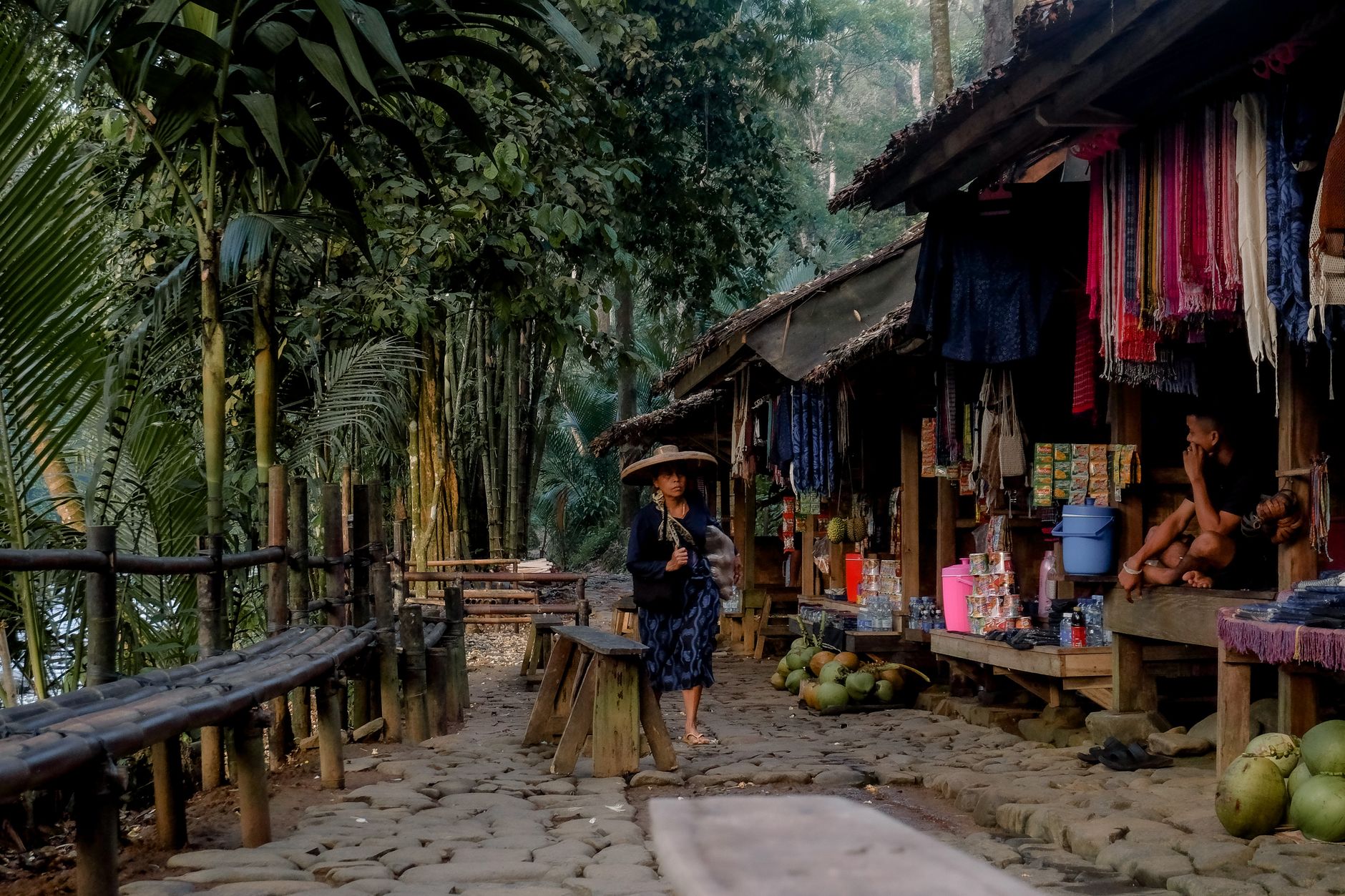
I stepped off the rattling overnight train, the air thick with the scent of woodsmoke and something vaguely floral, like jasmine after a rain. Dawn was just breaking, painting the sky in bruised purples and fiery oranges over the sleepy village of [Fictional Village Name], nestled in the [Fictional Region] mountains. This wasn't just another pretty postcard view; this was the start of an adventure where every step, every smile, every purchase directly fueled the livelihoods of the people who called this place home. Forget mass tourism; in December 2025, community tourism is where true magic happens.
Why Community Tourism Matters (More Than Ever)
The world is changing, and so are our travel desires. We crave connection, authenticity, and the knowledge that our wanderlust isn't just a fleeting indulgence, but a force for good. Community tourism, at its core, is about empowering local people. It’s about ensuring that the economic benefits of travel flow directly into the hands of those who live in and steward these incredible destinations, not just large corporations.
In December 2025, with a renewed focus on mindful travel, community-led initiatives are poised to shine. These aren't just "eco-lodges" or "cultural tours"; they are deeply integrated experiences where you become part of the local fabric, learning from, contributing to, and celebrating the unique heritage of a place.
Unveiling Authentic Experiences: Where to Go & What to Do
The beauty of community tourism lies in its diversity. It can manifest in countless ways, from staying in a homestay run by a local family to participating in a craft workshop led by an elder. Here are a few examples of the kinds of transformative experiences awaiting you:
1. The Homestay Haven: Living Like a Local in [Fictional Village Name], [Fictional Region]
My first experience was in [Fictional Village Name], a place where time seemed to slow down. I’d booked a homestay through a local cooperative, and within hours, I was helping Mama Elena grind spices for the evening stew, the rhythmic thud of the pestle echoing through her open kitchen. The aroma of cumin, coriander, and a secret blend of local herbs filled the air.
- Pro-Tip: Arrive by 3 PM to help prepare the afternoon tea and hear the village elders' stories.
- Authenticity: Mama Elena’s stew wasn't just food; it was a culinary history lesson, each ingredient explained with pride. The intricate patterns woven into the blankets on my bed told tales of generations.
2. Crafting Connections: The Artisans of [Fictional Town Name], [Fictional Country]
In the bustling, yet charming, town of [Fictional Town Name], I discovered a community of weavers whose families have been creating breathtaking textiles for centuries. I spent a day learning the ancient art of backstrap weaving from a master artisan named Anya. Her fingers danced across the loom, transforming simple threads into vibrant geometric patterns.
- Pro-Tip: Visit the community workshop between 10 AM and 12 PM for the most active weaving sessions. The hidden entrance is marked by a small, carved wooden bird.
- Authenticity: Anya didn't just teach me a technique; she shared the spiritual significance of each color and motif, explaining how the patterns represented the river, the mountains, and the blessings of their ancestors.
3. Culinary Journeys: Farm-to-Table in [Fictional Rural Area], [Fictional Continent]
The rolling hills of [Fictional Rural Area] are a testament to sustainable farming practices. I joined a collective of smallholder farmers for a "Taste of the Land" experience. We harvested organic vegetables, learned about traditional irrigation methods, and then prepared a feast using only what we’d gathered. The sweetness of sun-ripened tomatoes, the earthy flavor of freshly dug potatoes – it was a revelation.
- Pro-Tip: Book your farm visit at least two weeks in advance. The best time for harvesting is right after the morning dew has evaporated, around 9 AM.
- Authenticity: The 'feast' wasn't just a meal; it was a celebration of the land and the farmers' dedication. We ate under the stars, the conversation flowing as freely as the local wine.
4. Eco-Adventures with Local Guides: Exploring [Fictional National Park], [Fictional Country]
For the adventurous soul, community-led eco-tours offer unparalleled access to pristine natural environments while directly supporting conservation efforts and local guides. In [Fictional National Park], I trekked through lush rainforests with a guide whose family had lived in the region for generations. He pointed out medicinal plants, explained the calls of unseen birds, and shared ancient stories of the forest spirits.
- Pro-Tip: Opt for smaller, locally-run tour operators. Ask your guide about their favorite hidden waterfall – it’s usually worth the detour.
- Authenticity: My guide's knowledge wasn't from a guidebook; it was passed down through oral tradition, a living testament to his deep connection with the environment.
5. Cultural Immersion: Village Life in [Fictional Island Community], [Fictional Archipelago]
Imagine waking up to the gentle lapping of waves, the smell of salt in the air, and the sound of children playing. In [Fictional Island Community], I experienced the rhythm of island life. I participated in traditional fishing techniques, learned to prepare local delicacies like grilled fish with coconut and lime, and even joined in on a community dance.
- Pro-Tip: Dress modestly when attending community gatherings. The best time to witness traditional fishing is at sunrise.
- Authenticity: The communal meals were vibrant affairs, filled with laughter and shared stories. The rhythm of the drums during the evening dance was infectious, a powerful expression of their enduring culture.
The Ripple Effect: How Your Travel Makes a Difference
When you choose community tourism, you're not just a passive observer; you're an active participant in economic empowerment.
- Direct Income: Your money goes directly to local families, artisans, farmers, and guides, bypassing intermediaries.
- Job Creation: It supports sustainable livelihoods, creating jobs that are often more equitable and fulfilling than those offered by large-scale tourism.
- Preservation of Culture: By valuing local traditions, crafts, and knowledge, you help ensure their survival for future generations.
- Environmental Stewardship: Community-based tourism often incentivizes conservation, as locals have a vested interest in protecting the natural resources that attract visitors.
- Empowerment: It gives communities a voice in how tourism develops in their region, fostering pride and self-determination.
Budgeting & Logistics: Your Community Tourism Toolkit
Navigating community tourism might seem daunting, but with a little planning, it's incredibly accessible. Here’s a quick guide:
| Aspect | Estimated Cost ($) | Best Time to Visit | How to Get There |
| :-------------- | :----------------- | :----------------- | :-------------------------------------------------------------------------------- |
| Homestays | $30 - $70 per night | Year-round | Fly into nearest major airport, then take local bus/shared taxi. Often arranged by coop. |
| Craft Workshops | $50 - $150 per day | Varies by region | Local transport within towns/villages. Pre-booking essential. |
| Farm-to-Table | $60 - $120 per day | Harvest seasons | Rural transport (rented bike, local driver). Often requires advance booking. |
| Eco-Tours | $70 - $200 per day | Dry seasons | Fly into gateway city, then arrange local transport/tour operator transfer. |
| Island Stays | $40 - $90 per night | Peak season: Nov-Apr | Fly to regional hub, then ferry or small plane. Book accommodation in advance. |
Pro-Tip:
December 2025 is an ideal time for many destinations as it's often outside peak holiday seasons for some regions, offering better value and fewer crowds. Always research local festivals or events that might coincide with your visit – these can offer incredible cultural immersion opportunities!
Embracing the 'Insider' Language
When you're immersed in community tourism, you’ll hear phrases that speak to a deeper understanding. Instead of just saying "the food was good," you might hear someone describe the "perfectly balanced umami of the slow-cooked [local dish]" or the "crisp acidity of the [local fruit] wine." You'll learn about the "spirit of the place" (genius loci), and the importance of "reciprocity" – the mutual respect and exchange between visitor and host.
This isn't about ticking boxes; it's about connecting with the soul of a destination. It’s about understanding that the intricate carving on a doorway isn't just decoration, but a protective symbol passed down through generations. It's about appreciating the "labor of love" that goes into every hand-stitched garment.
Your December 2025 Commitment to Conscious Travel
As you plan your adventures for December 2025, I urge you to consider the profound impact of community tourism. It’s a path that leads to richer, more meaningful travel experiences, and more importantly, it builds a better future for the communities you visit.
It’s about more than just seeing a place; it’s about understanding it, respecting it, and contributing to its well-being. So, step off the beaten path. Engage with locals. Support their dreams. And in doing so, you’ll discover that the most rewarding journeys are the ones that leave a positive mark, not just on your passport, but on the world.
Ready to travel with purpose? Start exploring community tourism options for December 2025 today!