Beyond the Postcard: Community Tourism Projects Worth Supporting You Need to Experience Before You Die
I remember standing on a dusty path in a remote village high in the Peruvian Andes, a chilly wind whipping around me, carrying the scent of woodsmoke and alpaca. My hands, usually glued to my phone, were busy trying (and failing) to spin alpaca wool on a drop spindle, guided by the patient, smiling hands of Mama Rosa. She spoke only Quechua, I spoke broken Spanish, but in her eyes, I saw stories – generations of tradition, resilience, and a deep connection to the land. That evening, sharing a simple meal of potatoes and quinoa in her humble home, I realized something profound: this wasn't just a trip; it was a connection. It was travel that transcended sightseeing, transforming into something deeply personal and impactful.
That trip wasn't about ticking off landmarks; it was about community tourism. It's the kind of travel that doesn't just show you a place, but invites you into its heart, allowing you to contribute directly to the well-being and preservation of local cultures and environments. It’s about more than just seeing; it’s about doing, learning, and becoming a part of something bigger. These aren't just bucket-list items; they're life-list experiences that will shift your perspective, enrich your soul, and leave a positive legacy.
If you’re ready to trade superficial selfies for genuine smiles, and crowded tourist traps for authentic cultural exchange, then pack your bags. Here are some of the most incredible community tourism projects around the globe that you absolutely need to experience.
1. Weaving Dreams into Reality: The Indigenous Communities of Peru's Sacred Valley
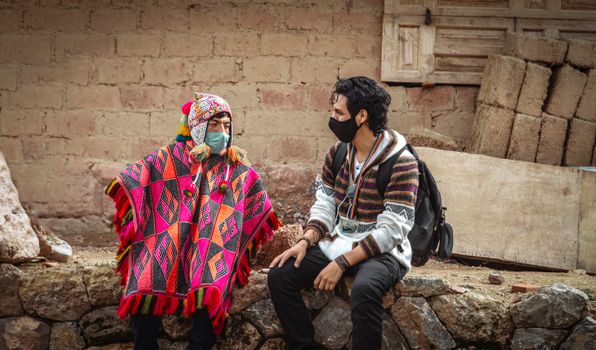
My encounter with Mama Rosa wasn't an isolated incident; it was part of a larger, beautiful movement in Peru's Sacred Valley. The indigenous Quechua communities here, often overlooked by mainstream tourism, are incredible custodians of ancient traditions, particularly the art of weaving. For centuries, this intricate craft has been a cornerstone of their identity, telling stories and preserving history through patterns and colors.
The Experience:
Imagine spending a day, or even a few nights, in a Quechua village like Patacancha or Chinchero, nestled amidst the breathtaking Andean peaks. You'll be welcomed into homes, often simple but filled with warmth. My own experience involved a weaving demonstration where I learned about natural dyes derived from plants and insects, the symbolism of different patterns, and the sheer dedication required to create a single textile. I even got to try my hand at spinning alpaca wool – a task far more challenging than it looks! Meals are communal affairs, featuring traditional dishes like pachamanca (meat and vegetables cooked in an underground oven) or hearty potato stews, often made with ingredients harvested just steps away. Homestays offer a unique glimpse into daily life, from helping with farm chores to watching the sunrise over terraced fields.
Community Impact:
By participating in these experiences, you're directly supporting the livelihoods of Quechua families. Many communities have formed weaving cooperatives, ensuring fair wages for artisans and empowering women. Your visit helps preserve ancient weaving techniques that might otherwise be lost, provides income for education and healthcare, and fosters cultural pride. It's a powerful exchange where you gain invaluable cultural insight, and they gain sustainable economic opportunities.
Practical Tips & Details:
* How to find them: Look for reputable organizations like the Center for Traditional Textiles of Cusco (CTTC) or local tour operators specializing in community-based tourism in the Sacred Valley. Many offer day trips or multi-day treks that include village visits and homestays.
* What to bring: Warm layers (nights are cold!), a small gift for your host family (e.g., school supplies, simple snacks, or even a postcard from your home country), an open mind, and a willingness to learn.
* Cost: Day visits to weaving cooperatives can range from $20-$50 for demonstrations and workshops. Homestays often start from $30-$60 per night, usually including meals. Be prepared to purchase some beautiful textiles – it's a direct way to support the artisans!
* Instagram-worthy moment: The vibrant colors of freshly dyed wool drying in the sun, or a close-up of intricate weaving patterns.
2. Gentle Giants & Hill Tribe Harmony: Ethical Encounters in Northern Thailand
Thailand's lush northern landscapes are famous for their ancient temples and bustling markets, but venture a little further, and you'll discover communities dedicated to ethical animal welfare and preserving unique cultural traditions. This isn't about riding elephants or exploiting tribal cultures; it's about respectful interaction and genuine support.
The Experience:
My journey to an ethical elephant sanctuary near Chiang Mai was nothing short of magical. Instead of riding these magnificent creatures, I spent the day observing them in their natural habitat, learning about their rescue stories, and helping prepare their food – chopping giant watermelons and bananas felt like a workout! The highlight was walking alongside them as they ambled through the jungle, watching them bathe in the river, and seeing their playful interactions. Later, I had the privilege of visiting a Karen hill tribe village, not as a spectacle, but as an invited guest. I participated in a cooking class, learning to make authentic curries and sticky rice, and shared stories (through a translator) with a family whose traditions are deeply rooted in their mountain home. The simplicity of their life, the warmth of their hospitality, and the vibrant colors of their traditional clothing were truly captivating.
Community Impact:
Ethical elephant sanctuaries provide a safe haven for abused or rescued elephants, offering them a life free from forced labor. Your visit directly funds their care, veterinary services, and the land they roam. Similarly, respectful visits to hill tribe villages provide crucial income for these communities, allowing them to maintain their cultural heritage, access education, and develop sustainable livelihoods without being forced into exploitative tourism practices. It's a powerful model for responsible wildlife tourism and cultural preservation.
Practical Tips & Details:
* How to find them: Research ethical elephant sanctuaries thoroughly. Look for those that explicitly state no riding, no circus tricks, and focus on rehabilitation and natural behavior. Elephant Nature Park is a well-known example, but many smaller, equally ethical ones exist. For village visits, choose tours that emphasize cultural exchange and direct community benefit, avoiding "human zoo" type experiences.
* What to bring: Light, comfortable clothing, swimwear (for elephant bathing, if applicable), insect repellent, sunscreen, and a reusable water bottle.
* Cost: Ethical elephant sanctuary full-day tours typically range from $70-$120, often including transportation and lunch. Village visits can be part of these tours or standalone, ranging from $30-$80 depending on the activities included (e.g., cooking class, homestay).
* Instagram-worthy moment: A candid shot of an elephant playing in the mud, or a close-up of intricate hill tribe textiles.
3. Safari with a Soul: Maasai Cultural Immersion in Kenya
The vast plains of East Africa, teeming with iconic wildlife, are often associated with luxury safaris. But for a truly profound experience, consider integrating a Maasai cultural immersion into your trip. This isn't just about seeing the "Big Five"; it's about connecting with the "Big Heart" of Africa.
The Experience:
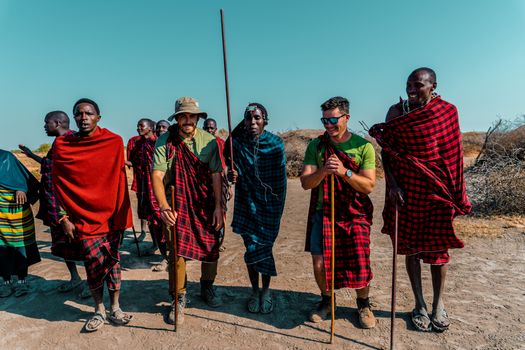
My most memorable moment during a safari in Kenya wasn't spotting a lion (though that was incredible!), but rather spending an afternoon in a Maasai village near the Maasai Mara. I was invited into a boma (homestead), a circular enclosure of mud-and-dung houses. The vibrant red shukas (robes) of the Maasai warriors and women stood out against the golden savanna. I learned about their semi-nomadic lifestyle, their deep respect for nature, and their unique traditions. I witnessed a traditional jumping dance (adumu), heard ancient stories around a crackling fire, and even tried my hand at milking a cow. What struck me most was their unwavering hospitality and pride in their heritage, despite the challenges of modern life. They taught me about the medicinal properties of local plants and how to distinguish different animal tracks. It was an education far richer than any textbook could provide.
Community Impact:
Many Maasai communities have embraced community tourism as a sustainable way to preserve their culture and generate income. Your visit directly supports their villages, provides funds for schools and clinics, and helps them maintain their traditional lands in the face of encroaching development. Importantly, it also fosters a greater appreciation for wildlife conservation, as the Maasai are integral to protecting the ecosystems that both they and the animals depend on. Choosing a community-run conservancy or village visit ensures that the benefits flow directly to the local people.
Practical Tips & Details:
* How to find them: Many reputable safari operators offer authentic Maasai village visits as an add-on or integrate stays in community-run conservancies. Look for those that partner directly with the Maasai, ensuring fair compensation and cultural respect. Examples include Ol Pejeta Conservancy or specific Maasai cultural bomas within or near national parks.
* What to bring: A sense of respect for their traditions, light clothing, a wide-brimmed hat, and a good camera. Ask permission before taking photos, especially of individuals.
* Cost: A dedicated Maasai village visit can range from $20-$50 per person, often integrated into a larger safari package. Stays in community-run conservancies can range from $100-$300+ per night, often including activities and meals.
* Instagram-worthy moment: The iconic image of Maasai warriors jumping against a savanna sunset, or a close-up of their intricate beadwork.
4. Pura Vida & Green Living: Eco-Adventures in Costa Rica's Community Reserves
Costa Rica is synonymous with eco-tourism, but true community tourism here goes beyond just staying in a fancy eco-lodge. It's about engaging directly with communities who are pioneering sustainable living and conservation efforts.
The Experience:
I found my slice of "Pura Vida" in a small, community-run reserve in the Turrialba region of Costa Rica. My accommodation was a rustic cabin powered by solar energy, surrounded by a vibrant organic coffee farm. I spent my days helping harvest coffee beans, learning about sustainable farming practices, and even trying my hand at making traditional tortillas with a local family. One morning, a local guide took me on a hike through a cloud forest, pointing out sloths, howler monkeys, and an array of colorful birds I would have entirely missed on my own. He wasn't just a guide; he was a passionate conservationist whose family had lived on this land for generations. The fresh, farm-to-table meals, the sounds of the jungle at night, and the genuine warmth of the people created an experience that felt deeply authentic and refreshing.
Community Impact:
These community-run projects are at the forefront of conservation. They protect vital ecosystems, promote biodiversity, and offer sustainable livelihoods to local families who might otherwise turn to more destructive practices. By supporting them, you contribute directly to forest preservation, responsible farming, and the empowerment of local communities to be stewards of their own natural heritage. It's a model that proves tourism can be a force for good, benefiting both people and planet.
Practical Tips & Details:
* How to find them: Look for community-based tourism initiatives listed on sites like Rural Community Tourism of Costa Rica (ACTUAR) or through local, specialized tour operators. Areas like Monteverde, Osa Peninsula, and Turrialba are rich with these opportunities.
* What to bring: Rain gear, sturdy hiking shoes, insect repellent, a reusable water bottle, and binoculars for wildlife spotting.
* Cost: Eco-lodge stays in community-run projects can range from $80-$200+ per night, often including some activities and meals. Farm tours or guided hikes can be $20-$60.
* Instagram-worthy moment: A vibrant shot of freshly picked coffee beans, or a close-up of a colorful tropical bird in its natural habitat.
5. Island Life & Ancient Rhythms: Village Stays in Indonesia
Indonesia, with its thousands of islands, offers a kaleidoscope of cultures. While Bali's beaches beckon, the true magic often lies in its lesser-known villages and islands, where ancient traditions are still very much alive, and community tourism thrives.
The Experience:
On a trip to Flores, an island east of Bali, I embarked on a challenging trek to the remote village of Wae Rebo. This UNESCO World Heritage site is famous for its unique, cone-shaped traditional houses (Mbaru Niang). After hours of hiking through dense jungle, emerging into the clearing to see these magnificent structures was like stepping back in time. I spent the night in one of the communal houses, sleeping on a mat alongside other travelers and villagers. We shared a simple dinner, listened to stories, and learned about the Manggarai people's deep spiritual connection to their ancestors and land. The next morning, waking to the sounds of roosters and villagers going about their day, felt incredibly grounding. Later, in a village in Bali's central highlands, I participated in a batik workshop, learning the intricate art of wax-resist dyeing from a local artisan. It was a meditative process, connecting me to centuries of Balinese craftsmanship.
Community Impact:
Visiting villages like Wae Rebo directly contributes to their economy, allowing them to maintain their traditional way of life and preserve their unique architecture and customs. In many other Indonesian villages, homestays and craft workshops provide vital income, especially for women, and help keep traditional arts like batik, weaving, and wood carving alive. It's a way to experience the "real" Indonesia, far from the tourist crowds, while supporting authentic cultural preservation.
Practical Tips & Details:
* How to find them: Research specific villages known for community tourism (e.g., Wae Rebo in Flores, Munduk in Bali, Tetebatu in Lombok). Many local guides or small guesthouses can arrange authentic homestays and workshops.
* What to bring: Modest clothing, a sarong (for temple visits or respectful village entry), a small backpack for overnight stays, basic toiletries, and an open heart.
* Cost: Homestays can range from $15-$40 per night, often including meals. The Wae Rebo experience, including the trek and stay, might be around $50-$70. Craft workshops usually cost $20-$50 depending on the duration and materials.
* Instagram-worthy moment: The striking cone-shaped houses of Wae Rebo against a misty mountain backdrop, or a close-up of your own batik creation.
How to Be a Responsible Community Tourist: Your Actionable Guide
These experiences are transformative, but their impact hinges on your approach. Here’s how to ensure your visit is truly beneficial:
- Research Thoroughly: Not all "community" tours are created equal. Look for projects that are genuinely community-owned or have transparent partnerships, ensuring that a significant portion of your money goes directly to the locals. Read reviews and seek out recommendations from responsible travel organizations.
- Go with an Open Mind and Heart: Be prepared for differences in comfort, food, and daily routines. Embrace the unexpected and be flexible. The richest experiences often come from letting go of expectations.
- Respect Local Customs and Traditions: Dress modestly when appropriate, ask permission before taking photos, and be mindful of local etiquette. A little research into basic cultural norms goes a long way.
- Learn a Few Local Phrases: Even a simple "hello," "thank you," or "delicious" in the local language can open doors and show immense respect.
- Buy Local and Fair Trade: Purchase souvenirs directly from artisans or community cooperatives. This ensures your money empowers producers and preserves traditional crafts. Bargain respectfully, but remember that a few dollars more for you can be a significant difference for a local family.
- Be Mindful of Your Environmental Footprint: Minimize waste, conserve water and energy, and leave no trace. Support eco-friendly practices within the communities you visit.
- Engage, Don't Just Observe: Ask questions (respectfully), participate in activities, share stories, and genuinely connect with the people you meet. This exchange is the heart of community tourism.
- Avoid Giving Direct Money to Children: While well-intentioned, this can encourage begging and deter children from attending school. If you wish to donate, do so through reputable community projects or schools.
The Journey of a Lifetime Awaits
Community tourism isn't just a trend; it's the future of meaningful travel. It's about stepping off the beaten path, opening your mind to new perspectives, and making a tangible difference in the lives of others. These aren't just trips to add to your bucket list; they're profound, life-altering experiences that will stay with you long after you've returned home.
So, are you ready to embark on an adventure that not only fills your passport but also nourishes your soul? Which community will you connect with next? Share your dreams and inspire others!
#TripsoraCommunity #ResponsibleTravel #TravelWithPurpose #LifeChangingTrips #SupportLocal
---