Beyond the Postcard: Why Your Next Trip Needs a Purpose
I still remember the feeling. Standing amidst a throng of selfie-stick-wielding tourists at a famous landmark, I felt… disconnected. Sure, the view was stunning, but something was missing. The vibrant culture I’d flown thousands of miles to experience felt like a backdrop, not something I was truly a part of. I craved connection, authenticity, and a sense that my presence wasn't just consuming, but contributing.
That yearning led me down a different path, one that transformed my understanding of travel: community tourism. It's not just a buzzword; it's a movement, a way of exploring the world that puts local people, their culture, and their environment first. And let me tell you, it's trending for all the right reasons. Travelers like you and me are increasingly seeking experiences that offer more than just pretty photos – we want stories, connections, and the knowledge that our adventures are making a tangible, positive impact.
So, if you’re ready to trade superficial sightseeing for profound engagement, to swap crowded tourist buses for intimate village homestays, and to let your travel dollars do good, then you're in the right place. Get ready to discover some of the most inspiring and impactful community tourism projects that are currently captivating conscious travelers worldwide.
What Exactly Is Community Tourism, and Why Should You Care?
At its heart, community tourism is about empowering local communities to manage and benefit directly from tourism in their region. Instead of external companies swooping in and siphoning off profits, these projects are often owned, operated, or heavily influenced by the community itself.
Why does this matter?
- Economic Empowerment: Your money goes directly into the pockets of local families, funding education, healthcare, infrastructure, and small businesses. It creates sustainable livelihoods in areas that might otherwise struggle.
- Cultural Preservation: When communities are empowered to share their traditions on their own terms, it fosters pride and provides an incentive to preserve ancestral customs, languages, and crafts. You get to experience culture authentically, not as a performance.
- Environmental Stewardship: Many community-led projects are deeply intertwined with conservation efforts. Locals are often the best guardians of their natural environment, and tourism provides the resources to protect it.
- Authentic Connection: This is where the magic happens. You’re not just observing; you're participating. You're invited into homes, sharing meals, learning skills, and forging genuine connections that transcend language barriers. It's travel that truly changes you.
The shift towards ethical and sustainable travel isn't just a niche anymore; it's a growing wave. Travelers are demanding transparency, seeking meaning, and voting with their wallets for experiences that align with their values. These community projects are leading the charge, offering something truly special.
Project Spotlight 1: Weaving Stories in the Andes – La Ruta del Tejido (The Weaving Route), Peru
Imagine the crisp mountain air of the Peruvian Andes, the vibrant colors of traditional textiles, and the gentle hum of ancient looms. My first encounter with community tourism was deep in the Sacred Valley, not far from Cusco, with a collective called "Awamaki" (though many similar initiatives exist, this one left a profound mark).
I'd booked a two-day experience through a local operator that partners directly with indigenous Quechua communities. The journey began with a winding drive up into the mountains, past terraced fields and adobe homes. When we arrived in the village of Patacancha, nestled high above Ollantaytambo, I was greeted by a group of women, their smiles as warm as the alpaca ponchos they wore.
What You'll Experience:
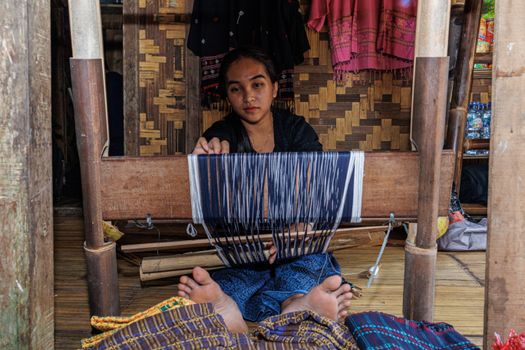
* Traditional Weaving Workshops: Under the patient guidance of master weavers, you'll learn the intricate art of Andean backstrap weaving. From carding alpaca wool to dyeing with natural plants (like cochineal for vibrant reds!), to the complex patterns, every step is a revelation. I spent hours trying (and mostly failing) to replicate their deft movements, but the process itself was meditative and deeply humbling.
* Homestay & Cultural Exchange: I stayed with a local family, sleeping in a simple, cozy room. We shared hearty meals of potato stew (papas a la huancaína!) and quinoa, cooked over an open fire. In the evenings, we sat around, sharing stories (with the help of my guide translating), learning a few Quechua phrases, and feeling like an honorary member of the family.
* Village Life Immersion: Participate in daily activities like tending to alpacas, harvesting crops, or preparing traditional chicha. It’s a glimpse into a way of life that has persisted for centuries.
The Impact:
Your participation directly supports these women, providing them with a fair income for their incredible artistry and preserving a vital part of their cultural heritage. Before these initiatives, many women struggled to sell their textiles for fair prices in larger markets. Now, they control the narrative and the value of their craft.
Details & Cost:
* Location: Various Quechua communities in the Sacred Valley, Peru (e.g., Patacancha, Huilloc, Choquecancha).
* Typical Duration: 1-3 days.
* Approximate Cost: Expect to pay around $150-$300 USD for a 2-day experience, including transport, meals, accommodation, and workshops. This might seem higher than a quick market purchase, but remember, you're paying for an immersive experience and direct support.
* How to Book: Look for local tour operators that explicitly state partnerships with indigenous communities or organizations like Awamaki, Planeterra, or directly with community co-ops.
Instagram-Worthy Moment:
A close-up shot of vibrant, naturally dyed alpaca threads on a backstrap loom, with the weaver's hands gracefully at work and the stunning Andean peaks in the background. Pure magic.
Project Spotlight 2: Guardians of the Green Heart – The Pacuare River Lodge, Costa Rica
Picture this: waking up to the symphony of howler monkeys, the air thick with the scent of rainforest, and the knowledge that your morning coffee funds the protection of this very ecosystem. This was my reality at a community-led eco-lodge along Costa Rica’s Pacuare River, a place that embodies sustainable adventure.
The Pacuare is renowned for its exhilarating white-water rafting, but beyond the rapids, communities along its banks are pioneering a different kind of adventure – one deeply rooted in conservation and local empowerment. Many lodges here are either community-owned or have deep, transparent partnerships with local villages, employing residents, sourcing produce locally, and funding conservation efforts.
What You'll Experience:
* Eco-Adventure & Wildlife Spotting: Guided rainforest hikes led by local naturalists who grew up in the jungle. They'll point out sloths camouflaged in trees, vibrant toucans, dart frogs, and tell you stories of the forest from their unique perspective. I’ve never seen so much wildlife in one place!
* River Conservation Initiatives: Some projects involve travelers in hands-on conservation, like tree planting, monitoring turtle nesting sites (seasonal), or helping maintain trails.
* Sustainable Lodge Stays: Stay in rustic-luxury bungalows built with sustainable materials, often powered by solar energy, with minimal environmental impact. My open-air bungalow, with the river rushing just beyond, felt like a treehouse dream.
* Community Engagement: Opportunities to visit nearby villages, learn about local life, and perhaps even participate in a traditional cooking class.
The Impact:
These lodges provide vital employment and economic stability, reducing reliance on less sustainable practices like logging. They also fund direct conservation efforts, protecting critical rainforest habitats and endangered species. Your rafting fee or lodge stay directly translates into protected land and empowered people.
Details & Cost:
* Location: Along the Pacuare River, Limón Province, Costa Rica. Accessible via a combination of driving and white-water rafting or special transport.
* Typical Duration: 2-4 days (often combined with a rafting trip).
* Approximate Cost: Lodges can range from $150-$400+ USD per night, often including meals and guided activities. Rafting trips vary but expect $80-$150+ USD for a day trip. Look for lodges certified by reputable eco-tourism bodies or those explicitly detailing their community partnerships.
* How to Book: Research lodges like "Pacuare River Lodge" or "Rios Tropicales" (who partner extensively with local communities) and inquire about their community impact programs.
Instagram-Worthy Moment:
A shot of you on a bamboo raft, gliding silently through the emerald green river, mist rising, with a local guide pointing out a sloth hanging lazily from a tree branch above. Pure "Pura Vida."
Project Spotlight 3: Savoring Culture, One Dish at a Time – The Flavors of Mae Kampong, Thailand
Thailand is famous for its food, but nothing prepared me for the culinary immersion I experienced in Mae Kampong, a tiny, picturesque village nestled in the mountains near Chiang Mai. This community has transformed itself into a model of sustainable tourism, focusing on its unique coffee culture, traditional way of life, and incredible food.
I arrived in Mae Kampong after a scenic drive through lush hills, leaving the bustle of Chiang Mai far behind. The air immediately felt cooler, cleaner, and the rhythm of life slower. My homestay host, a cheerful woman named Mama Noi, greeted me with a warm smile and a glass of freshly brewed local coffee.
What You'll Experience:
* Authentic Homestay: Stay in a traditional wooden house, often with shared facilities, and become part of a local family for a few days. Mama Noi taught me how to prepare a simple but delicious Northern Thai curry, using ingredients from her own garden. The conversations over dinner, despite language barriers, were some of the most memorable of my trip.
* Coffee Plantation Tours: Learn about the entire coffee-making process, from bean to cup, in this region known for its Arabica beans. You might even get to roast and grind your own!
* Village Walks & Nature Trails: Explore the village's waterfall, tea plantations, and surrounding forests with local guides who share stories and insights into their traditional way of life.
* Traditional Crafts & Wellness: Participate in workshops to make local crafts, or experience a traditional Thai massage using herbal compresses.
The Impact:
Mae Kampong residents collectively decided to develop tourism to create income without sacrificing their cultural integrity or natural environment. Profits from homestays, tours, and local products are reinvested into the community, improving infrastructure and ensuring the preservation of their unique way of life. It’s a powerful example of a community taking charge of its destiny.
Details & Cost:
* Location: Mae Kampong Village, Chiang Mai Province, Northern Thailand.
* Typical Duration: 1-3 days.
* Approximate Cost: Homestays are incredibly affordable, often around $20-$40 USD per night, including meals. Guided tours and workshops are usually extra, but reasonably priced ($10-$30 USD per activity).
* How to Book: Many local guesthouses in Chiang Mai can connect you with homestays in Mae Kampong, or you can often book directly through the village's community tourism cooperative (search for "Mae Kampong Homestay" online).
Instagram-Worthy Moment:
A steaming cup of freshly brewed local coffee, overlooking the misty green hills of Mae Kampong from the balcony of your wooden homestay, with a traditional Thai breakfast spread. Pure serenity.
Project Spotlight 4: Trekking with the Sherpa Spirit – The Lower Everest Region, Nepal
Nepal's Everest region is iconic, but the popular EBC trek can sometimes feel like a highway. For a truly impactful and authentic experience, I ventured into the lower Solukhumbu region, opting for a trek that focused on direct engagement with Sherpa communities through local guesthouses and guided experiences.
My guide, a young Sherpa man named Pasang, wasn't just leading me; he was sharing his home. We stayed in family-run tea houses, ate dal bhat prepared by his relatives, and learned about the challenges and triumphs of life in the Himalayas. This wasn't just a trek; it was an education in resilience, spirituality, and community.
What You'll Experience:
* Authentic Tea House Treks: Stay in small, family-owned tea houses (guesthouses) along the less-traveled trails. Your money directly supports these families, not large corporate chains.
* Cultural Exchange with Sherpa People: Engage with the legendary Sherpa people, renowned for their mountaineering prowess and warm hospitality. Learn about their Buddhist traditions, unique language, and deep connection to the mountains. I spent an evening listening to Pasang's grandmother tell stories by the fire, her face etched with wisdom.
* Support Local Porters & Guides: By booking through local agencies or directly with independent Sherpa guides, you ensure fair wages and better working conditions for the incredible individuals who make these treks possible.
* Community Development Projects: Some local operators partner with initiatives that fund schools, health posts, or sustainable infrastructure in remote villages.
The Impact:
Beyond the obvious economic benefits, choosing community-focused trekking means you’re helping to preserve Sherpa culture in the face of modernization and mass tourism. It encourages sustainable practices and ensures that the wealth generated by tourism stays within the communities that host it.
Details & Cost:
* Location: Lower Solukhumbu region, Nepal (e.g., Phaplu, Salleri, Junbesi, Pikey Peak Trek).
* Typical Duration: 5-10 days for a comprehensive trek.
* Approximate Cost: A guided trek with local accommodation can range from $70-$150 USD per day, depending on inclusions (guide, porter, permits, food, accommodation). This is significantly more impactful than booking through large international operators that might not prioritize local benefit.
* How to Book: Seek out small, local Nepalese trekking agencies (many are Sherpa-owned) or independent Sherpa guides through reputable online platforms or recommendations. Always ask about their commitment to fair wages and community development.
Instagram-Worthy Moment:
A candid shot of you sharing a cup of yak butter tea with a Sherpa family in their cozy tea house, the warmth of the fire glowing, and the majestic Himalayan peaks visible from the window.
Project Spotlight 5: From Slum to Storyteller – The Dharavi Experience, Mumbai, India
This is a different kind of community tourism, one that challenges perceptions and fosters understanding. Dharavi, one of Asia's largest informal settlements in Mumbai, is often portrayed negatively. However, initiatives like "Reality Tours & Travel" (a social enterprise) offer tours led by residents, providing an authentic and respectful glimpse into the incredible entrepreneurial spirit and tight-knit community life within.
I admit, I was hesitant at first. Was it ethical to tour a 'slum'? But the approach taken by Reality Tours changed my mind. Their tours are not voyeuristic; they are educational, respectful, and impactful, with 80% of profits reinvested into community development projects.
What You'll Experience:
* Guided Walk through Dharavi: Led by local residents, you’ll navigate the bustling lanes, witnessing small-scale industries (recycling, pottery, leatherworks, bakeries) that generate millions of dollars annually. It’s a vibrant, industrious place, far from the desolate image often portrayed.
* Community Interaction: You'll meet artisans, entrepreneurs, and residents, learning about their daily lives and the challenges and triumphs of building a life in Dharavi. I was amazed by the ingenuity and resilience.
* Social Impact Projects: The tour company funds schools, computer centers, and English classes within Dharavi. You might visit one of these projects and see the direct impact of your tour fee.
* Challenging Preconceptions: This experience fundamentally shifts your perspective on poverty, community, and human ingenuity. It's not about pity; it's about respect and inspiration.
The Impact:
Beyond economic contribution, these tours offer a platform for Dharavi residents to tell their own stories, combat stereotypes, and showcase the vibrant community spirit. It fosters cross-cultural understanding and proves that dignity and industry thrive even in challenging environments.
Details & Cost:
* Location: Dharavi, Mumbai, India. Tours typically start from a central meeting point in Mumbai.
* Typical Duration: 2.5 - 3 hours.
* Approximate Cost: Around $20-$30 USD per person. This is an incredible value for the insight and impact provided.
* How to Book: Book directly through reputable social enterprises like "Reality Tours & Travel" or "Dharavi Market" which clearly outline their profit reinvestment and community engagement models.
Instagram-Worthy Moment:
A respectful shot (with permission!) of a skilled artisan at work in a small workshop, surrounded by their craft, showcasing the incredible productivity and creativity within Dharavi. Focus on hands, tools, and the intricate details of their work.
Your Guide to Being a Responsible Community Tourist: Practical Tips & Actionable Advice
Inspired to make your next trip count? Here’s how to ensure you're a force for good:
- Do Your Homework (Seriously!):
- Research Beyond the Brochure: Look for tour operators or accommodations that explicitly state their commitment to community empowerment. Do they list specific projects they support? Do they employ local staff?
- Check Certifications: Look for certifications like Fair Trade Tourism, Green Globe, or local sustainable tourism awards. While not always present for small community projects, they're a good sign.
- Read Reviews (Critically): Look for reviews that mention genuine interactions, fair wages, and positive local impact, not just "great views."
- Book Locally, Directly, and Transparently:
- Cut Out the Middleman: Whenever possible, book directly with the community cooperative, local guesthouse, or small local tour operator. This ensures more of your money stays local.
- Ask Questions: Don't be shy! Ask how your money is distributed, what percentage goes to the community, and what specific projects it supports. Reputable organizations will be happy to share this information.
- Engage Respectfully and Open-Mindedly:
- Learn Basic Phrases: Even "hello," "thank you," and "delicious" in the local language can go a long way in showing respect.
- Dress Appropriately: Research local customs regarding dress, especially when visiting religious sites or rural communities.
- Ask Before You Photograph: Always ask for permission before taking photos of people, especially children. If they say no, respect it.
- Be Patient and Flexible: Things might not run on Western time. Embrace the slower pace and unexpected moments.
- Listen More Than You Talk: You're there to learn and connect. Be open to different perspectives and ways of life.
- Bargain Fairly, Not Aggressively: If you're buying crafts, remember that you're supporting a livelihood. A small discount is fine, but don't try to haggle down to pennies.
- Support Local Businesses Beyond Your Tour:
- Eat Local: Choose small, family-run restaurants and street food vendors.
- Buy Local Crafts: Purchase souvenirs directly from artisans or community co-ops, not mass-produced items from large shops.
- Use Local Transport: Take local buses, shared taxis, or tuk-tuks.
- Leave No Trace, Physical or Otherwise:
- Minimize Your Environmental Impact: Carry a reusable water bottle, dispose of waste properly, and conserve resources (water, electricity).
- Be Mindful of Your Cultural Footprint: Avoid imposing your beliefs or values. Leave communities better than you found them.
The Ripple Effect: Your Journey, Their Future
The beauty of community tourism is its ripple effect. Your decision to choose an ethical homestay in Thailand might fund a child’s education. Your purchase of a hand-woven textile in Peru could empower a woman to start her own business. Your trek through the Nepalese Himalayas could protect an ancient forest.
These aren't just trips; they are investments in a better, more equitable world. They are opportunities to connect with humanity on a deeper level, to learn, to grow, and to return home not just with souvenirs, but with stories that truly matter.
So, are you ready to travel with purpose? To discover places not just for their beauty, but for their heart? The world is waiting, and its communities are ready to welcome you. Start planning your next impactful adventure today, and be part of the positive change that travel can bring.
Which trending community project are you most excited to support? Share your thoughts and dream destinations in the comments below! And don't forget to share this post with your fellow conscious travelers!
---