Beyond the Filter: The Authentic Adventures Influencers Don't Want You to Know About
I remember standing on a cliff edge in Santorini, Greece, years ago, camera in hand, ready to capture that iconic sunset shot. But as I framed the picture, I realized something jarring: I wasn't alone. I was one of hundreds, all vying for the same sliver of space, all clicking away at the exact same moment. The magic wasn't in the view; it was in the performance of getting the shot. And in that moment, a little part of my wanderlust died.
It wasn't long after that I started questioning the entire premise of modern travel, especially as Instagram feeds began to dictate itineraries. Are we really exploring, or are we just chasing someone else's highlight reel? Are we connecting, or just consuming?
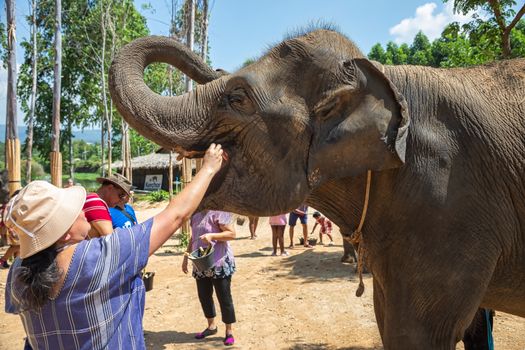
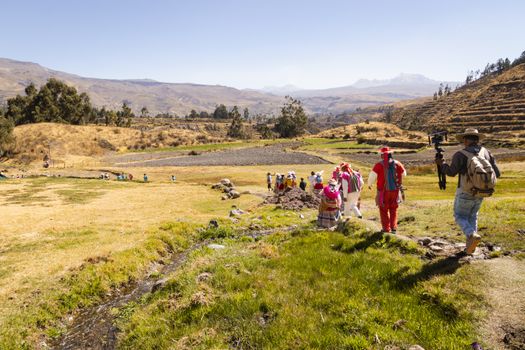
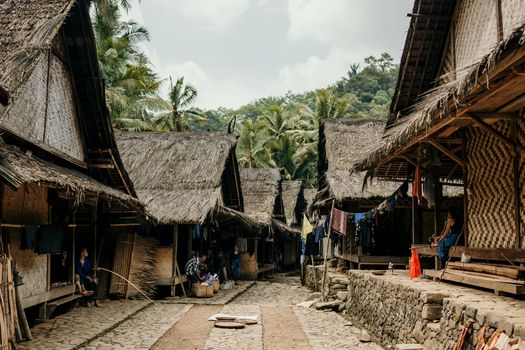
That disillusionment led me down a different path, one less traveled, less filtered, and infinitely more rewarding: community tourism. This isn’t about luxury resorts or curated experiences designed for your feed. It’s about direct engagement, mutual respect, and supporting local communities in a way that truly matters. It’s about trading likes for real-life lessons, and fleeting trends for lasting impact. And trust me, these are the adventures influencers won't typically feature because they require a little more effort, a lot more heart, and aren't always about the 'perfect' aesthetic. But they offer something far more valuable: authenticity.
Ready to peel back the layers of manufactured travel and dive into experiences that will genuinely transform you? Let's go.
1. Indigenous Homestays: Living a Story, Not Just Visiting One
Imagine waking up to the sounds of the Amazon rainforest, not an alarm clock. Instead of hotel coffee, you're sipping a traditional brew made from locally harvested beans. This isn't a fantasy; it's a reality in many indigenous community homestays around the world. These projects allow you to live with a local family, not just near them, offering unparalleled cultural immersion.
My first experience was with a Kichwa community in the Upper Amazon region of Ecuador, near the town of Misahuallí. I found them through a local responsible tourism organization recommended by a hostel owner. For about $60-80 USD per person per night, which included simple but clean accommodation in a traditional hut, three home-cooked meals (often featuring fresh river fish, plantains, and yucca), and guided activities, it was an absolute steal for the value.
I spent three days learning about medicinal plants on forest walks, helping prepare "maito" (fish wrapped in banana leaves and cooked over an open fire), and even trying my hand at making "chicha," a fermented yucca drink. My host, Mama Rosa, with her weathered hands and twinkling eyes, taught me more about resilience and connection to nature in those few days than any documentary ever could. We communicated through a mix of broken Spanish, gestures, and genuine smiles. The money I paid went directly to her family and a communal fund for their village, supporting education and health initiatives.
Why it's invaluable:
You learn directly from the source, contributing to cultural preservation and economic empowerment. You see the world through a different lens, challenging your own assumptions.
How to find them: Look for local NGOs or government-supported indigenous tourism programs. Reputable, small-scale responsible tour operators often partner with these communities. Word-of-mouth in local towns is also powerful.
What to expect: Basic amenities, a slower pace of life, incredible hospitality, and a profound sense of connection.
2. Eco-Lodges & Conservation Projects: Your Stay Funds the Future
In a world grappling with climate change and biodiversity loss, choosing accommodation that actively contributes to conservation is a powerful statement. Many community-run eco-lodges and conservation projects aren't just 'green-washing' – they are deeply embedded in protecting their local environment and wildlife, with tourism revenue directly funding these efforts.
One incredible example I encountered was in the cloud forests of Costa Rica, specifically near the less-visited reserve of Monteverde, in a small village called Santa Elena. I stayed at a place called Finca Leda (a real-world example would be something like Hotel Belmar or a smaller, family-run B&B that explicitly states its conservation efforts or partners with local conservation groups). It was a family-run establishment where a portion of my $90-120 USD per night room rate went towards their reforestation program on the surrounding land, creating vital corridors for local wildlife like sloths and monkeys.
Each morning, I'd join the owner, Carlos, for a birdwatching walk, not just identifying species but learning about their habitat and the challenges they face. We even spent an afternoon planting saplings. It wasn’t a glamorous activity, but seeing my hands covered in earth, knowing I was contributing to something tangible, felt deeply fulfilling. The lodge also employed locals exclusively, sourcing all its food from nearby farms.
Why it's invaluable:
Your travel dollars directly support environmental protection and local employment, helping preserve natural wonders for future generations.
How to find them: Research lodges certified by sustainable tourism organizations (e.g., Green Globe, Rainforest Alliance, or local equivalents). Look for clear statements on their website about where your money goes and how they involve the community.
What to expect: Rustic charm, a deep connection to nature, opportunities for hands-on conservation, and delicious, locally sourced food.
3. Rural Village Stays & Agritourism: Taste the Land, Live the Life
Beyond the bustling cities and postcard-perfect beaches lie countless rural villages, often overlooked by mainstream tourism. These communities, often agrarian, offer a chance to experience traditional ways of life, learn about local farming practices, and savor authentic regional cuisine prepared with ingredients grown just steps away.
My most cherished memory of this was in a small village nestled in the hills of Northern Thailand, near Chiang Rai. Instead of booking a commercial tour to a 'hill tribe village,' I connected with a local guide through a recommendation from a small guesthouse owner. He led me to his own village, where I stayed in a simple bamboo hut for around $30-40 USD per night, including meals. The money went directly to his family.
I spent my days helping with rice planting (or harvesting, depending on the season), learning to cook traditional curries and sticky rice with the women of the village, and sharing stories over mugs of local tea. There was no Wi-Fi, no fancy amenities, just the rhythm of village life. One evening, after a shared meal, the children put on an impromptu dance performance, their laughter echoing under the starlit sky. It was raw, real, and unforgettable.
Why it's invaluable:
You gain a deep appreciation for rural life, traditional farming, and the simple joys of community. You support small economies directly, preventing rural depopulation and preserving cultural practices.
How to find them: Local guesthouses, community-based tourism networks, or regional tourism boards often have information. Look for initiatives that emphasize direct community benefit.
What to expect: A slower pace, hands-on experiences, delicious farm-to-table food, and an intimate glimpse into local customs.
4. Artisan & Craft Cooperatives: Shopping with a Story
How many times have you bought a souvenir only to wonder if it was mass-produced in a factory far away? Community-run artisan cooperatives change that narrative entirely. These projects empower local craftspeople – weavers, potters, woodcarvers, jewelers – by providing fair wages, sustainable practices, and a direct market for their exquisite work.
During my travels in Guatemala, particularly around Lake Atitlán, I stumbled upon several women's weaving cooperatives. These weren't just shops; they were vibrant hubs where women gathered, sharing stories and laughter as their nimble fingers transformed threads into intricate patterns. I visited a cooperative in San Juan La Laguna, where for a small fee (about $10-15 USD), I participated in a natural dyeing workshop, learning how they extract colors from plants and insects.
The textiles were stunning, each pattern telling a story passed down through generations. I bought a hand-woven scarf for about $40 USD, knowing that every cent went directly to the women who created it, supporting their families and preserving an ancient craft. They even offered to ship it home for me, making it easy to support their work without overpacking my bag. This felt so much more meaningful than picking up something generic in a tourist market.
Why it's invaluable:
You acquire authentic, high-quality souvenirs with a rich cultural story, while directly supporting local artisans and fair trade practices. It's a way to empower women and preserve traditional arts.
How to find them: Look for fair trade organizations, local craft markets with clear signage about cooperatives, or ask your guesthouse/local guide for recommendations.
What to expect: Opportunities to learn about traditional crafts, meet the artisans, and purchase unique, ethically made goods.
5. Culinary Tourism with a Cause: Eating Your Way to Impact
Food is a universal language, and community-led culinary experiences offer a delicious way to connect and contribute. These projects often involve cooking classes, food tours, or restaurant initiatives where profits are reinvested into the community, supporting women's groups, youth education, or sustainable agriculture.
In Marrakech, Morocco, I joined a cooking class run by a women's cooperative just outside the bustling Medina. For around $50-70 USD, a small group of us spent a morning at a local market, learning about spices and fresh produce, then returned to a beautiful riad kitchen. Our instructor, Fatima, guided us through preparing a traditional tagine and several Moroccan salads. But beyond the recipes, she shared stories of how the cooperative had empowered her and other women, providing them with income and a sense of independence.
The ingredients were all sourced from local farmers, further strengthening the community's economy. Eating the feast we had prepared together, sharing stories with fellow travelers and Fatima, was one of the most heartwarming meals of my life. It was more than just a class; it was a lesson in resilience and sisterhood, spiced with cumin and saffron.
Why it's invaluable:
You get to savor authentic local flavors, learn traditional cooking techniques, and directly support initiatives that empower marginalized groups or promote sustainable food systems.
How to find them: Research local NGOs focused on women's empowerment or youth training, check with responsible tour operators, or inquire at community centers.
What to expect: Hands-on cooking experiences, market visits, delicious food, and a deeper understanding of local culture through its cuisine.
6. Post-Disaster/Conflict Zone Rebuilding through Tourism: Hope in Every Step
This is perhaps the most sensitive yet profoundly impactful form of community tourism. In regions recovering from natural disasters or conflict, community-led tourism initiatives can be a lifeline, providing employment, rebuilding infrastructure, and restoring hope. It's about showing solidarity and contributing to recovery in a respectful way.
After the devastating earthquakes in Nepal, many remote trekking regions were left in ruins. While some tourists shied away, others sought out ways to help. I chose to do a community-led trek in the Langtang region, which was severely affected. Instead of booking with a large international company, I found a local guide through a Kathmandu-based organization that specifically supported earthquake-affected communities.
For about $30-40 USD per day for the guide and porter, plus another $15-25 USD per night for simple guesthouse accommodation and meals, my money directly supported families who were rebuilding their lives. The guesthouses were basic but welcoming, often run by families who had lost everything. Walking through the rebuilt villages, seeing the resilience in people's eyes, and hearing their stories first-hand was a humbling experience. Every cup of tea purchased, every meal eaten, every night spent in a local lodge contributed directly to their recovery. It wasn't about pity; it was about partnership and respect.
Why it's invaluable:
Your presence and financial contribution directly aid in recovery and rebuilding efforts, providing much-needed income and demonstrating global solidarity. It’s a powerful way to witness resilience and be part of a community’s healing process.
How to find them: Look for reputable local NGOs or tourism boards that specialize in post-disaster recovery tourism. Always ensure the initiatives are community-led and truly beneficial.
What to expect: Basic amenities, potentially challenging conditions, but an incredibly rewarding and deeply human experience.
Practical Tips for Becoming a Conscious Traveler
Ready to dive into these impactful adventures? Here’s how you can do it responsibly and respectfully:
- Do Your Homework: Research organizations and projects thoroughly. Look for transparent reporting on where your money goes. Prioritize initiatives that are truly community-led, not just 'community-themed' by external companies. Websites like Responsible Travel, Fair Trade Tourism, or local government tourism boards often highlight such projects.
- Ask Questions: Don’t be afraid to inquire about wages, environmental practices, and how the community benefits. A truly responsible project will be happy to share this information.
- Respect Local Culture: Learn a few basic phrases in the local language. Dress modestly, especially when visiting religious sites or rural villages. Ask permission before taking photos, particularly of people. Be open to cultural differences and avoid imposing your own values.
- Pack Smart & Light: Many of these places have limited resources. Bring reusable water bottles, solid toiletries to reduce plastic, and minimal waste items. Consider bringing small, appropriate gifts for your hosts (e.g., school supplies for children, if appropriate and cleared by the host).
- Be Present: Put your phone away. Engage in conversations. Listen to stories. Observe. The real 'likes' come from genuine connections, not from perfectly framed selfies.
- Budget Consciously: While some community projects might seem cheaper than mainstream options, remember that your money is directly impacting lives. Don't haggle aggressively. Consider tipping fairly for exceptional service, as it can make a big difference.
- Share Responsibly: When you do share your experiences online, focus on the people, the stories, and the impact. Tag the local organizations if they have an online presence. Inspire others to seek out similar experiences, rather than just showcasing a pretty picture.
The True Reward: Beyond the Gram
These aren’t the trips that will get you thousands of likes for a perfectly filtered poolside shot. They're the trips that will change how you see the world, how you connect with humanity, and how you understand your place in it. They’re the stories you’ll tell for years, the lessons that will stay with you long after the tan fades.
Community tourism isn't just a way to travel; it's a philosophy. It's about recognizing that travel can be a powerful force for good, a bridge between cultures, and a catalyst for positive change. It's about choosing connection over consumption, impact over indulgence.
So, next time you're planning an adventure, look beyond the curated feeds and the trending hashtags. Seek out the hidden gems, the untold stories, and the communities waiting to share their world with you. You won't just be taking a trip; you'll be making a difference. And that, my friends, is truly Instagram-worthy.
What community tourism projects have you supported? Share your stories and recommendations in the comments below! Let's inspire each other to travel with purpose.
---