Unforgettable Threads: Clothing Customs You MUST Experience Before You Die
The sun beat down on my shoulders, a humid embrace typical of a Thai afternoon. I was standing at the entrance of a serene temple complex near Chiang Mai, about to step inside, when a gentle hand touched my arm. A kind, elderly Thai woman smiled, pointing wordlessly to my shorts. My heart sank. I knew better. I, a seasoned travel blogger for Tripsora, had committed the cardinal sin of forgetting my covering.
Before I could fully apologize, she led me to a small, unassuming stall. There, hanging amidst vibrant silks and cottons, were dozens of pha sins – traditional Thai sarongs. I picked a beautiful indigo one, paid a modest 200 baht (about $6 USD), and with a quick, grateful nod, wrapped it around myself. As I re-approached the temple, the woman offered another warm smile, this time with a nod of approval. Stepping into that sacred space, covered appropriately, felt different. It wasn't just about modesty; it was about respect, connection, and a silent acknowledgement of a culture far older and wiser than my own. That simple act transformed my visit from a tourist stop into a profound experience.
This isn't just a story about avoiding a faux pas. It's about a fundamental truth of travel: some of the most powerful, enriching, and unforgettable experiences come when we shed our preconceived notions and literally dress the part. We’re talking about clothing customs that aren't just rules, but keys to unlocking deeper understanding, genuine connection, and memories that will truly last a lifetime. These are the sartorial adventures you absolutely need to experience before you die.
1. Sacred Silks & Humble Headscarves: Dressing for Devotion
Stepping into a place of worship, whether it’s a bustling mosque, a tranquil temple, or a majestic cathedral, often requires a shift in attire. This isn't about judgment; it's about reverence for sacred spaces and the beliefs they represent. And trust me, the feeling of donning traditional coverings is an experience in itself.
My Experience in Thailand & UAE:
That Thai pha sin was just the beginning. Later in my journey, visiting the awe-inspiring Wat Phra Kaew (Temple of the Emerald Buddha) in Bangkok, I saw countless travelers, like myself, respectfully donning sarongs. The vibrant colors against the glittering gold of the temple spires made for an incredibly Instagram-worthy scene, but more importantly, it fostered a sense of unity and shared respect among visitors from all walks of life.
Fast forward to the Sheikh Zayed Grand Mosque in Abu Dhabi. As a woman, before entering this architectural marvel, I was provided with a complimentary abaya (a loose-fitting black robe) and a shayla (headscarf). Walking through those pristine white marble halls, draped in the flowing black fabric, felt incredibly serene. It was a powerful moment of cultural immersion, a temporary adoption of local custom that immediately transcended my role as a mere observer. For men, long trousers are essential, and while an abaya isn't required, respectful attire is always appreciated. The feeling of moving through such a magnificent space, united in modest dress, is truly unforgettable.
Practical Tips:
* Always carry a lightweight scarf or sarong: This is your travel MVP. It can serve as a head covering, shoulder wrap, or knee cover in a pinch.
* Observe and ask: If unsure, watch what locals are doing or politely ask for guidance.
* Buy local: Purchasing a sarong or scarf from a local market not only supports the community but also gives you a beautiful, authentic souvenir. In Thailand, a good pha sin can be found for 200-500 baht ($6-$15). In Morocco or Turkey, beautiful scarves range from $10-$30.
* Think ahead: Pack long skirts, trousers, and shirts that cover shoulders for your trip.
2. The Grace of the Kimono: Stepping into Japanese Tradition
There are few garments as iconic and steeped in history as the Japanese kimono or its lighter summer cousin, the yukata. Wearing one isn't just putting on clothes; it's an art form, a ritual, and a profound connection to Japanese culture.
My Kyoto Kimono Adventure:
On a summer visit to Kyoto, I decided to fully embrace the spirit of the city by renting a yukata. In the charming Gion district, I found a small rental shop (there are many, often costing 3000-5000 JPY or $20-$35 for a day). The process itself was an experience: a kind woman meticulously helped me choose a pattern, then expertly tied the obi (sash) and helped me slip into the wooden geta sandals.
Walking through the ancient streets of Kyoto, past traditional wooden houses and serene gardens, felt like stepping into a different era. The rustle of the fabric, the gentle clack of the geta on the cobblestones, the respectful nods from locals – it all created an immersive sensation that no amount of sightseeing could replicate. I visited a tea house, enjoyed a traditional meal, and even took part in a local festival, feeling completely integrated into the scene. It was a day of quiet elegance and profound cultural appreciation, captured in countless beautiful photos that are now among my most treasured.
Practical Tips:
* Rent, don't buy (unless you're serious): Kimonos can be incredibly expensive. Rental shops are abundant in tourist hubs like Kyoto, Tokyo, and Asakusa.
* Understand the etiquette: While tourist rentals are generally relaxed, remember that the kimono is a respectful garment. Walk gracefully, keep your posture, and avoid overly boisterous behavior.
* Summer vs. Winter: Yukata are lighter cotton for summer; kimonos are silk, worn year-round, often for more formal occasions.
* Photo Ops: This is arguably one of the most Instagram-worthy cultural experiences. Find a beautiful temple, garden, or traditional street for stunning shots.
3. Vibrant Threads of India: Embracing Color and Community
India is a kaleidoscope of cultures, and its clothing reflects this dazzling diversity. From the flowing elegance of a saree to the comfortable charm of a salwar kameez or a kurta, embracing Indian attire is a direct pathway to connecting with its people and traditions.
My Rajasthan Wedding Tale:
I had the incredible fortune of being invited to a local wedding in Rajasthan. Knowing the significance of dress, I sought advice from my host family. They enthusiastically took me to a local tailor and a fabric shop. I chose a vibrant fuchsia and gold fabric for a lehenga (a long, embroidered skirt) and a matching choli (blouse) and dupatta (scarf). The tailor worked magic, and for about 3000-5000 INR ($35-$60 USD), I had a custom-made outfit.
Arriving at the wedding, adorned in my colorful ensemble, I was met with smiles, hugs, and immediate acceptance. I wasn't just a guest; I felt like a part of the celebration. The intricate embroidery, the weight of the fabric, the way the dupatta draped – it all made me feel like I was truly participating, not just observing. The joyous dancing, the delicious food, the warmth of the community – it was all magnified by the simple act of dressing respectfully.
Practical Tips:
* Modesty is key: Especially for women, covering shoulders and knees is generally appreciated.
* Fabric matters: India's climate can be hot. Choose breathable cottons or light silks.
* Explore local markets: They are treasure troves for beautiful fabrics and ready-made garments. Don't be afraid to haggle gently.
* Ask for help: Locals are often delighted to help you choose and even drape a saree or tie a turban.
* Consider a kurta for men: These comfortable, tunic-style shirts are practical and respectful.
4. Island Protocol: Sarongs, Suluvakadra, and the Spirit of Aloha
In many island nations, clothing traditions are deeply intertwined with community, ceremony, and respect for nature. From the South Pacific to Hawaii, understanding and honoring these customs can open doors to authentic experiences.
My Fijian Village Welcome:
During a trip to Fiji, a visit to a remote village on Vanua Levu was a highlight. Our guide briefed us on the importance of respectful attire: no hats, no sunglasses when speaking to elders, and for both men and women, shoulders and knees must be covered. I had packed a long skirt, but upon arrival, I saw that men wore suluvakadra (a traditional Fijian skirt, similar to a sarong) and women often wore simple, modest wraps. I quickly purchased a beautiful floral sarong from a small village store for FJD $20 (approx $9 USD).
Entering the village, dressed appropriately, felt like an immediate sign of good faith. We were welcomed with a traditional kava ceremony, where sitting respectfully on the floor, covered, enhanced the solemnity and honor of the occasion. The villagers were incredibly warm and open, and I truly believe our efforts to show respect through our dress facilitated that connection. It wasn't just about adhering to rules; it was about participating in a shared cultural space.
Practical Tips:
* Research specific island customs: While sarongs are generally safe, some islands have unique requirements.
* Pack light, breathable fabrics: Tropical climates demand this.
* Embrace the floral: In places like Hawaii, wearing a lei or a floral print shirt isn't just touristy; it's a part of the local spirit of welcome and celebration.
* Ask your hosts: If staying in a guesthouse or with a local family, ask them about appropriate dress for village visits or specific events.
5. Beyond the Fabric: The Art of Removing Shoes
Sometimes, showing respect isn't about what you put on, but what you take off. The simple act of removing your shoes before entering a home, a temple, or even some shops, is a widespread and deeply ingrained custom across many cultures, particularly in Asia.
My Countless Shoe-Free Moments:
From the bustling streets of Tokyo to the quiet guesthouses of rural Vietnam, the gentle reminder to "please remove shoes" became a familiar and comforting part of my travels. In Japan, I'd leave my shoes neatly arranged outside a ryokan (traditional inn) or a small restaurant. In Thailand, before stepping into a friend's home, the shoes came off automatically.
This seemingly small act carries significant meaning. It symbolizes leaving the outside world, with its dirt and distractions, behind. It signifies humility, cleanliness, and respect for the domestic or sacred space you are entering. It creates an immediate sense of intimacy and trust. The feeling of cool, clean floors beneath your bare feet, knowing you are honoring a tradition, is a simple yet profound joy.
Practical Tips:
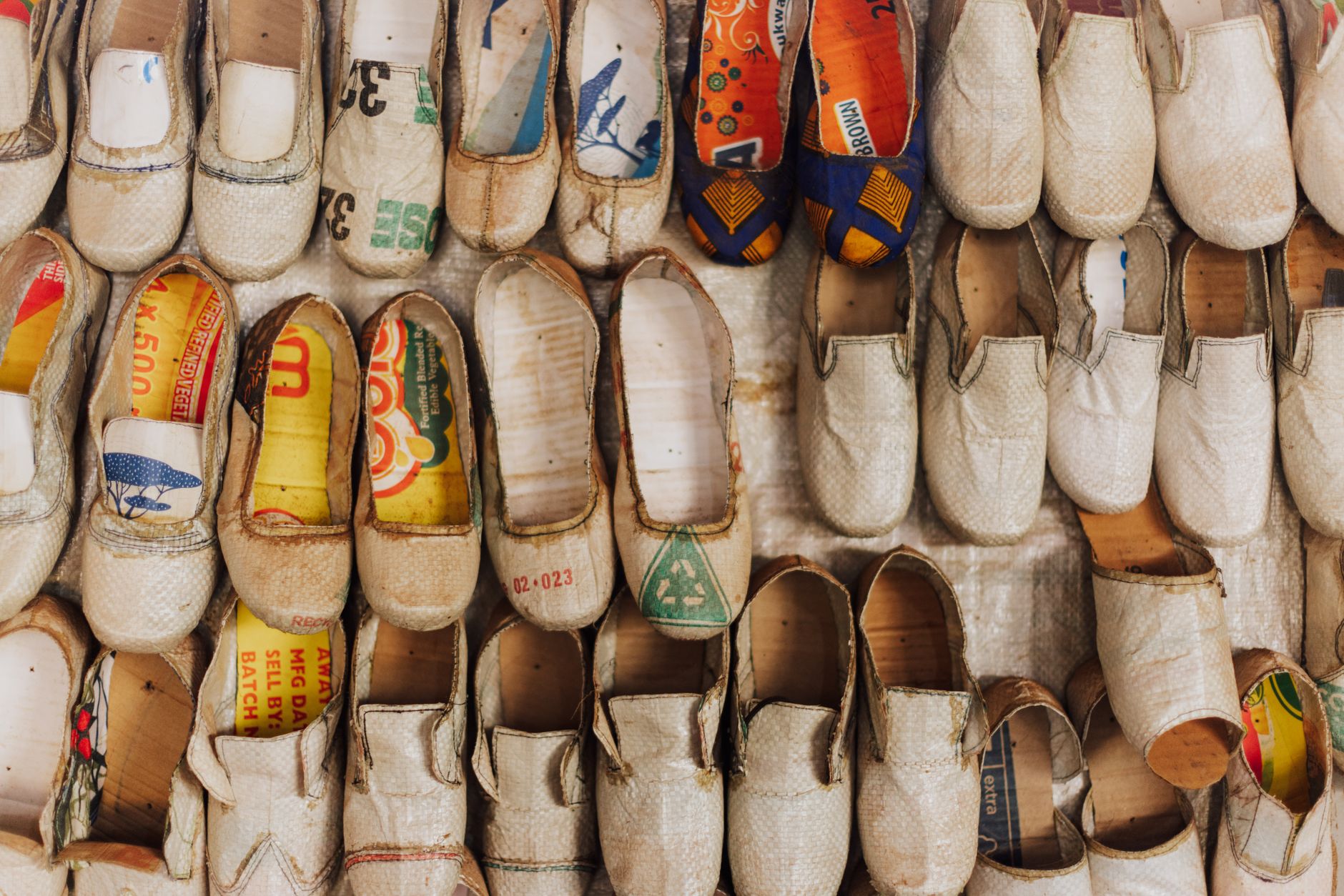
* Wear slip-on shoes: This makes the process much easier and quicker.
* Keep your socks clean: If you prefer not to go barefoot, ensure your socks are presentable.
* Observe: If you see a pile of shoes outside an entrance, take yours off too.
* Don't forget where you put them: Especially in busy temples!
6. Embracing the Cold: The Spirit of the Sámi Gákti
While many customs focus on modesty or warmth in tropical climates, some traditions are born from necessity and cultural identity in colder regions. The gákti of the Sámi people, the indigenous inhabitants of Sápmi (spanning parts of Norway, Sweden, Finland, and Russia), is a powerful example.
My Encounter in Arctic Norway:
While researching a story on sustainable tourism in Arctic Norway, I had the privilege of meeting a Sámi family. Though I didn't wear a gákti myself (it's a very personal and culturally significant garment, not generally for tourists), witnessing its beauty and learning about its intricate details was deeply moving. Each gákti is unique, with specific colors, embroidery, and silver accessories that can indicate a person's family, marital status, or even where they come from.
During a small, informal gathering, one of the elders, dressed in his magnificent gákti, spoke about the importance of their traditions, their connection to the land, and how their clothing tells their story. The respect and pride he exuded were palpable. While tourists aren't expected to wear a gákti, showing respect by learning about its significance, perhaps visiting a Sámi cultural center, or purchasing ethically made Sámi crafts, goes a long way. It's about understanding that clothing is often a living history, not just fabric.
Practical Tips:
* Educate yourself: Before visiting indigenous communities, learn about their cultural attire and its significance.
* Respect boundaries: Some traditional garments are sacred and not meant for tourist wear. Always err on the side of caution and respect.
* Support local artisans: If you wish to take home a piece of cultural attire or craft, ensure it's authentically made and supports the local community.
Conclusion: Dress to Connect, Live to Remember
Travel is about expanding your horizons, challenging your perspectives, and connecting with the world in meaningful ways. While we often focus on what we see, taste, and hear, the simple act of dressing respectfully and embracing local clothing customs offers a unique, tangible pathway to deeper immersion. It's a silent language of respect, an invitation to connection, and often, an unforgettable experience in itself.
From the quiet reverence of a sarong in a Thai temple to the vibrant joy of a yukata in Kyoto, these moments become cherished memories, transforming your trip from a mere vacation into a profound journey of understanding.
So, on your next adventure, don't just pack clothes; pack an open mind and a willingness to embrace the local threads. You might just find that the most beautiful souvenirs aren't things you buy, but the experiences you gain by dressing the part.
What are your most memorable experiences with cultural clothing? Share your stories and photos with us using #TripsoraThreads and inspire fellow travelers!
---