Beat Jet Lag in 24 Hours: Your Ultimate September 2025 Guide to Instant Adventure!
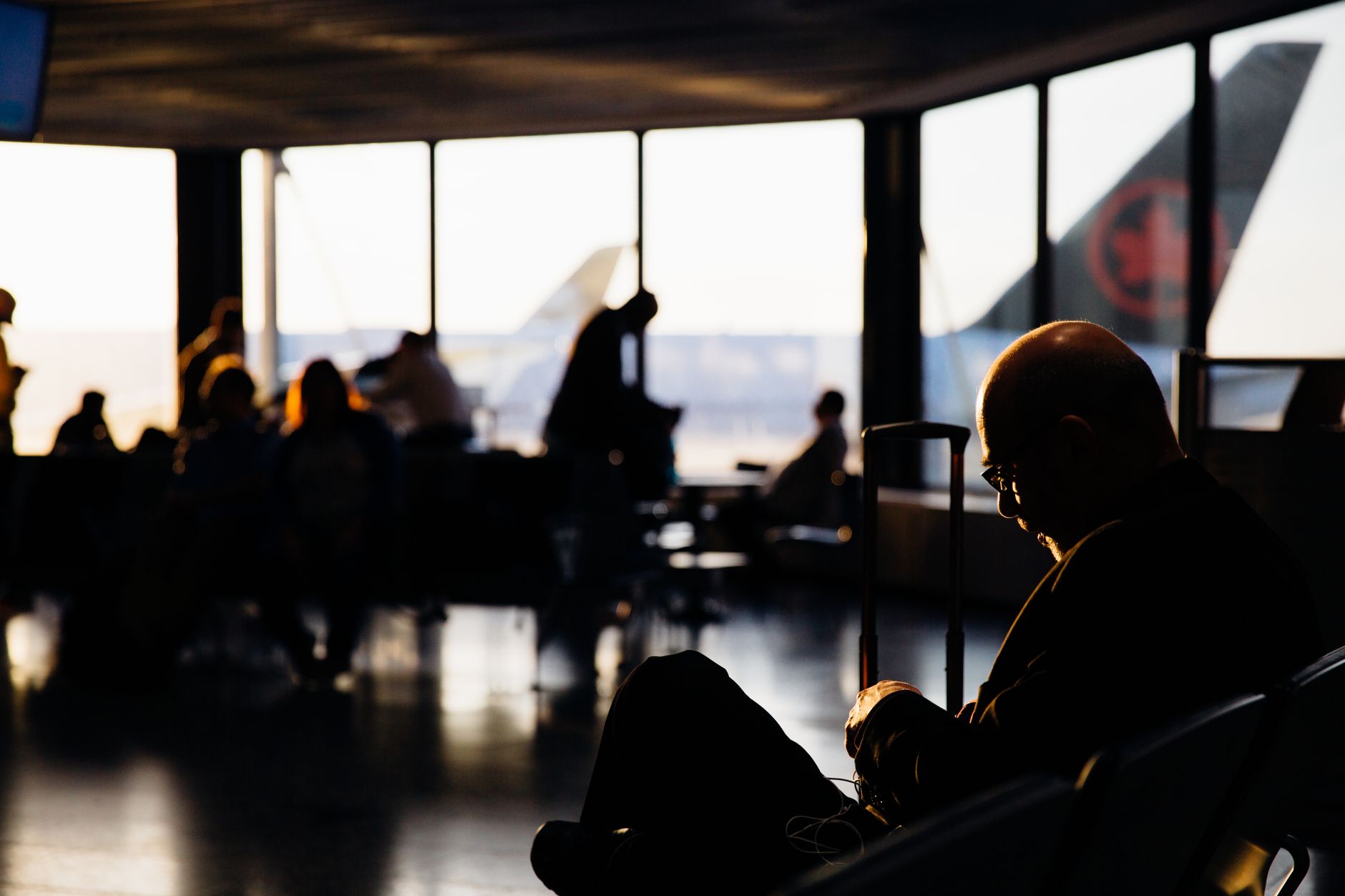
The year was 2018, and I had just landed in Kyoto, Japan, after a grueling 14-hour flight from New York. My plan? Hit the ground running, explore ancient temples, and immerse myself in the vibrant culture. My reality? I stumbled through the airport like a sleep-deprived sloth, accidentally tried to order coffee in French, and promptly fell asleep face-first into my ramen at 7 PM local time. The next day wasn't much better. Two precious days of my limited vacation, utterly consumed by the hazy, disorienting monster known as jet lag.
Sound familiar? We've all been there. That crushing fatigue, the brain fog, the inexplicable urge to eat breakfast at 11 PM or stare blankly at the ceiling at 3 AM. Jet lag isn't just an inconvenience; it's a thief, stealing invaluable moments from your eagerly awaited adventures. But what if I told you that after years of trial, error, and meticulous planning, I've cracked the code? What if you could land in a completely different time zone in September 2025 and be ready to explore, vibrant and alert, within 24 hours?
That's right, fellow wanderlusters. This isn't a pipe dream. This is your comprehensive, battle-tested guide to conquering jet lag and maximizing every single second of your next international trip. Let's reclaim our travel days, starting now!
1. Pre-Flight Prep: The Battle Begins Before Takeoff
The secret to beating jet lag isn't just about what you do after you land; it's about setting the stage before you even leave your driveway. Think of it as your pre-flight power-up.
Gradual Sleep Shift (The Sneaky Advantage):
This is my absolute favorite trick, especially for eastward travel (which tends to be harder). About 3-5 days before your flight, start shifting your bedtime and wake-up time by 30-60 minutes each day towards your destination's time zone. Flying from LA to Paris (9-hour difference)? Try going to bed an hour earlier each night and waking up an hour earlier. It sounds simple, but this gentle adjustment tricks your body into thinking the change isn't so drastic. For my upcoming September 2025 trip to Rome, I'll be doing this for a week, aiming to be about 3-4 hours closer to Italian time before I even board.
Hydration is Your Holy Water:
Air travel is incredibly dehydrating. Start upping your water intake a few days before your flight. Ditch the sugary drinks and excessive caffeine. Dehydration exacerbates jet lag symptoms, making you feel even more sluggish and foggy. Aim for at least 8-10 glasses of water daily in the days leading up to your trip.
Light Exercise & Healthy Eating:
Before your journey, engage in moderate exercise. A brisk walk, a yoga session, or a swim can help regulate your sleep and boost your mood. Similarly, focus on nutrient-rich foods. Heavy, processed meals can make you feel sluggish even without jet lag. Think fresh fruits, vegetables, lean proteins. You're preparing your body for a marathon, not a sprint!
Pack Your Jet Lag Survival Kit:
Don't underestimate the power of these simple items:
* High-Quality Eye Mask: Not just any mask, get one that truly blocks all light. I swear by my Manta Sleep Mask (around $30-40), it's a game-changer.
* Noise-Canceling Headphones: Essential for blocking out engine hum, crying babies, and chatty neighbors. My Bose QuietComfort 45s (approx. $250-300) are my travel holy grail.
* Travel Pillow: Invest in a good one. The Cabeau Evolution S3 (around $40) is fantastic because it attaches to the seat, preventing head-bobbing.
* Compression Socks: Crucial for circulation on long flights, reducing swelling and the risk of DVT.
* Small Water Bottle: Refill it after security!
* Melatonin (Optional & Consult Your Doctor!): More on this later, but have it ready if you plan to use it.
2. In-Flight Strategy: Your Airborne Arsenal for Time Zone Domination
The plane is not just a mode of transport; it's your first battleground against jet lag. Every decision you make on board contributes to your 24-hour victory.
Immediate Time Zone Shift:
The moment you board, set your watch to your destination's local time. Mentally commit to this new schedule. If it's 3 AM at your destination, try to sleep. If it's noon, stay awake. This mental trick is more powerful than you think. I learned this the hard way on a flight to London. I tried to stick to my home time, and by the time I landed, my brain was utterly confused. Now, I switch immediately, and it makes a world of difference.
Hydrate, Hydrate, Hydrate (Still!):
Continue to drink water religiously. For every alcoholic drink or coffee you consume, match it with two glasses of water. Better yet, avoid alcohol and excessive caffeine entirely. They dehydrate you and disrupt your sleep cycle. Think of it as a cleanse before your adventure truly begins.
Strategic Sleep & Wakefulness:
This is where your eye mask and noise-canceling headphones become your best friends. If it's nighttime at your destination, try to sleep. Create a dark, quiet, comfortable environment. If it's daytime, try to stay awake. Read a book, listen to a podcast, watch a movie (but dim the screen!). Avoid staring at your phone or laptop for extended periods, as blue light can disrupt melatonin production.
Move Your Body:
Every 2-3 hours, get up and walk around the cabin. Do some simple stretches in the galley. Ankle rotations, knee raises, and shoulder rolls can significantly improve circulation and reduce stiffness, preventing that "cement in your veins" feeling upon landing. I once skipped this on a flight to Dubai, and my legs felt like lead weights for hours after. Never again!
Mindful Eating:
Opt for lighter meals on the plane. Heavy, carbohydrate-rich foods can make you feel sluggish. If you have dietary restrictions or preferences, consider packing your own healthy snacks like nuts, fruit, or a protein bar. I usually decline the heavy pasta option and stick to salads or lean protein if available.
3. The First 12 Hours: Immediate Impact & Re-Synchronization
You've landed! The exhilaration of a new destination is intoxicating, but don't let it fool you. The next 12 hours are critical for cementing your jet lag victory.
Embrace the Sun! (Your Circadian Rhythm's Best Friend):
This is perhaps the single most important tip. Get outside immediately! Sunlight is the most potent natural cue for resetting your body clock. Even if you're exhausted, force yourself to take a walk. If you landed in September 2025 in a vibrant city like Paris, head straight for a stroll along the Seine or through the Tuileries Garden. The natural light tells your brain, "Hey, it's daytime! Time to be awake!" My first arrival in Rome, I was absolutely shattered, but I pushed myself to walk from Termini station to the Colosseum. The sheer awe of seeing it in person, combined with the bright Italian sun, gave me an instant energy boost that no coffee could replicate.
Hydrate & Nourish (Again!):
Keep drinking water. Your body is still adjusting. For your first meal, choose something fresh and light. Avoid heavy, greasy foods that will weigh you down. A fresh salad, some grilled fish, or a vibrant fruit platter will do wonders. If you're in Japan, a light bowl of soba or udon is perfect. In Italy, a simple Caprese salad.
Resist the Nap Trap (Mostly):
This is tough, I know. Your body will scream for a nap. If you absolutely must nap, set an alarm for a strict 20-30 minutes. This is a power nap, not a deep sleep. Anything longer will throw your body into a deeper sleep cycle, making it harder to wake up and potentially prolonging your jet lag. I've made the mistake of a 2-hour "quick nap" in Amsterdam and woke up feeling even more disoriented. Learn from my mistakes!
Stay Active (Lightly):
Plan some light activity for your first afternoon. This doesn't mean hitting the gym for a heavy workout. Instead, explore your neighborhood on foot, visit a local market, or simply walk through a park. The physical movement, combined with sunlight, will help keep you awake and engaged. In September 2025, imagine arriving in New York and taking a leisurely stroll through Central Park, enjoying the crisp autumn air and changing leaves.
4. The Next 12 Hours: Consolidating Your Win
You're halfway there! The evening and your first night's sleep are crucial for locking in your new rhythm.
Dinner at Local Time (But Keep it Light):
Aim to eat dinner at a normal local time, ideally 2-3 hours before your intended bedtime. Again, opt for a balanced, lighter meal. Protein and vegetables are excellent choices. Avoid heavy carbs, rich sauces, and anything that might cause indigestion or make you feel overly full. A light grilled chicken with roasted vegetables in Spain, or a simple pasta dish (not a massive portion!) in Italy will suffice.
Wind-Down Routine: Prepare for Glorious Sleep:
About an hour before you want to go to bed (at local bedtime, please!), start your wind-down routine.
* Warm Shower or Bath: This helps relax your muscles and signals to your body that it's time to prepare for sleep.
* Dim the Lights: Reduce exposure to bright lights, especially blue light from screens (phones, tablets, laptops).
* Read a Book or Listen to Calming Music: Engage in a relaxing activity.
* Avoid Caffeine and Alcohol: Even a small amount of alcohol can disrupt REM sleep, making your night less restorative.
Optimize Your Sleep Environment:
Make your hotel room a sleep sanctuary.
* Blackout Curtains: Use them! Even a sliver of light can disrupt your sleep.
* Cool Temperature: Most people sleep best in a cool room (around 65-68°F or 18-20°C).
* Quiet: Use your earplugs if there's any street noise.
* Comfortable PJs: Wear something loose and breathable.
Melatonin: A Strategic Ally (Use with Caution!):
If you choose to use melatonin, remember it's a hormone that signals darkness to your brain. It's not a sleeping pill.
* Dosage: Start with a low dose (0.5mg-1mg). More isn't necessarily better and can lead to grogginess.
* Timing: Take it about 30-60 minutes before your intended local bedtime, for the first 2-3 nights.
* Consult Your Doctor: Always speak to a healthcare professional before starting any new supplement, especially if you have underlying health conditions or are on other medications. I've found it incredibly helpful for those first few nights, but only after discussing it with my doctor.
5. Beyond 24 Hours: Sustaining Your New Rhythm
Congratulations! You've made it through the first 24 hours, and you should be feeling remarkably adjusted. Now, it's about solidifying that victory.
Maintain Your Routine:
Stick to your new local sleep and wake-up times as much as possible. Avoid excessively long lie-ins, even on weekends. Consistency is key.
Continue Sunlight Exposure:
Start your mornings with natural light. Open the curtains, step out onto your balcony, or take an early morning walk. This reinforces your circadian rhythm daily. Imagine sipping a fresh coffee on a Parisian balcony in September 2025, watching the city awaken, feeling completely in sync. That's the dream, and it's achievable!
Mindful Eating & Hydration:
Keep your diet clean and continue to hydrate well. Listen to your body's hunger cues, which should now be aligning with local meal times.
Listen to Your Body:
While the goal is to beat jet lag in 24 hours, everyone is different. If you feel a slight dip in energy on day two, allow for a brief, strategic power nap if needed, but always prioritize going to bed at local time.
6. September 2025 Specifics: Why Now is Prime Time
Why focus on September 2025? Because it's one of the absolute best times to travel, and these jet lag strategies will help you fully embrace it!
- Perfect Weather: September often brings ideal travel weather. In Europe, the scorching summer heat has usually subsided, offering pleasant temperatures for exploring cities like Barcelona, Florence, or Berlin. In North America, it's the beginning of stunning fall foliage, perfect for a trip to New England or the Rockies. Less extreme weather means less stress on your body, making jet lag recovery easier.
- Fewer Crowds: The peak summer travel season is over, meaning popular destinations are often less crowded. You'll find shorter lines, easier bookings, and a more relaxed atmosphere – all contributing to a less stressful and more enjoyable first day of adjustment. Imagine exploring the Louvre with a bit more breathing room, or enjoying a quiet gondola ride in Venice.
- Seasonal Delights: September brings wonderful seasonal produce and festivals. In Europe, it's grape harvest season; in North America, apple picking and pumpkin patches abound. Engaging with these local, seasonal activities can be a fun way to anchor yourself in the local time and culture. Embrace the autumnal flavors and experiences!
Don't Let Jet Lag Steal Your Adventure!
Jet lag used to be my travel nemesis, a persistent shadow that dulled the initial sparkle of every international trip. But not anymore. By implementing these strategies, I've transformed my travel experience, landing refreshed and ready to explore, often within a single day. My September 2025 trip to Vietnam? I'm already planning my pre-flight sleep shift and packing my jet lag survival kit.
You've invested time, money, and dreams into your travels. Don't let jet lag rob you of those precious first moments. Embrace these actionable tips, make them your own, and prepare to dive headfirst into your next adventure, vibrant and wide awake.
Now, I want to hear from you! What are your go-to jet lag remedies? Share your best tips and success stories in the comments below! And if you found this guide helpful, hit that share button and spread the word – let's help more travelers conquer jet lag in 24 hours!
---