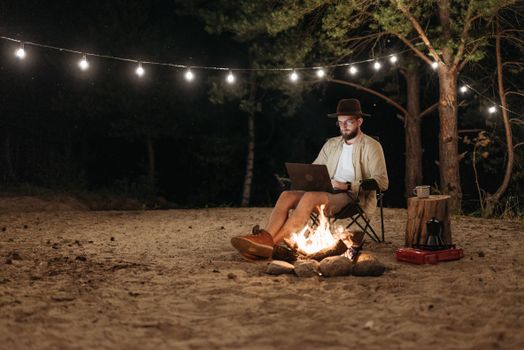
The Hook: That First Sip of Freedom
I stepped off the train in a small, sun-drenched piazza, the scent of freshly baked focaccia mingling with the salty tang of the nearby sea. It wasn't just the Italian air that was intoxicating; it was the sheer, unadulterated freedom. No hotel booking to stress over, no exorbitant rent to factor in. Just me, my laptop, and the promise of a new adventure, all thanks to a revolutionary new program I’d stumbled upon. This wasn't a fantasy; it was the reality for remote workers in select cities this year, and let me tell you, the world is about to get a lot more accessible.
The New Wave of Nomad Havens: Cities Embracing the Remote Revolution
Forget the established digital nomad hotspots that are now bursting at the seams and skyrocketing in price. This year, a fresh wave of cities is emerging, eager to attract global talent and inject new life into their communities. They're not just offering co-working spaces; they're offering a place to live, rent-free, as a way to entice skilled professionals. It’s a bold move, a testament to the evolving nature of work, and an incredible opportunity for us.
Why Cities Are Offering Free Accommodation
It boils down to a simple, symbiotic relationship. These cities often face challenges like:
- Brain Drain: Talented young people leaving for bigger opportunities.
- Underutilized Housing: Empty apartments or buildings that could be revitalized.
- Economic Stagnation: A need for new consumers and innovative ideas.
By offering free accommodation, they're essentially saying: "Come, bring your skills, your energy, and your spending power. We'll take care of your biggest expense, and in return, you'll contribute to our local economy and culture." It’s a win-win, and smart cities are recognizing this.
Emerging Destinations: Your Rent-Free Ticket to Adventure
While the exact details and application windows for these programs can be fluid, here are some of the most exciting emerging cities and regions making waves in 2024:
1. The Enchanting Villages of Abruzzo, Italy
The Vibe:
Imagine waking up to the gentle chime of church bells, with rolling vineyards and ancient castles dotting the landscape. Abruzzo, a region often overlooked in favor of Tuscany or Umbria, is making a concerted effort to revive its charming, often depopulated, hilltop villages.
The Deal:
Several initiatives, often spearheaded by local municipalities or regional governments, are offering incentives that effectively lead to free or significantly subsidized accommodation. This isn't always a direct "free apartment" but can manifest as:
- "Case a 1 Euro" (1 Euro Houses): While these require renovation, some programs bundle them with grants or stipends that can cover initial living costs, making your stay almost free for the first year.
- Renovation Grants & Housing Subsidies: Many villages are offering grants for those willing to renovate abandoned properties, often coupled with low-cost or free temporary housing while work is underway.
Pro-Tip:
Focus on villages like Santo Stefano di Sessanio or Scanno. They are actively promoting these schemes and offer breathtaking scenery. Look for programs advertised by the specific Comune (municipality).
Insider Lingo:
Don't just look for "free accommodation." Search for "incentivi per residenti," "riqualificazione borghi," and "contributi per nuove attività."
Quick Facts: Abruzzo Villages
| Feature | Details |
| :---------------- | :------------------------------------------------------------------------- |
| Estimated Costs | $300 - $700/month (for food, transport, and initial renovation if applicable) |
| Best Time to Visit | Spring (April-June) for wildflowers, Autumn (Sept-Oct) for harvest festivals |
| How to Get There | Fly into Rome Fiumicino (FCO) or Pescara (PSR), then train or car rental. |
2. The Artistic Enclaves of Portugal's Interior
The Vibe:
Think terracotta rooftops, cobbled streets, and a pace of life that encourages creativity. Portugal, while popular on the coast, is actively trying to repopulate its interior regions, rich in history and natural beauty.
The Deal:
Programs like "Remote Workers in Portugal" and similar regional initiatives are starting to include accommodation as part of their incentive packages. This can range from:
- Co-living Spaces: Dedicated co-living facilities where rent is covered for a set period (e.g., 6 months to a year).
- Housing Subsidies: Direct financial support to cover rent in designated areas.
- Partnerships with Local Landlords: Negotiated deals for remote workers that significantly reduce or eliminate rental costs.
Pro-Tip:
Look into towns like Marvão, Castelo de Vide, or Mértola. These are historic gems with active community programs. The key is often to apply through these official programs, not to independently seek out landlords.
Insider Lingo:
Search for "incentivos para trabalhadores remotos," "residência artística," and "desenvolvimento rural."
Quick Facts: Portugal's Interior
| Feature | Details |
| :---------------- | :------------------------------------------------------------------------- |
| Estimated Costs | $500 - $900/month (for food, transport, and personal expenses) |
| Best Time to Visit | Spring (April-May) for mild weather and festivals, Fall (Sept-Oct) for wine harvest |
| How to Get There | Fly into Lisbon (LIS) or Porto (OPO), then train or bus to interior cities. |
3. The Undiscovered Charm of Eastern European Towns
The Vibe:
Steeped in history, with stunning medieval architecture and a burgeoning creative scene, many smaller towns in countries like Poland, Romania, and Slovenia are looking for new energy.
The Deal:
While less publicized than Western European programs, these regions are increasingly offering attractive relocation packages. These can include:
- Free or Heavily Subsidized Housing: Often in newly developed co-working/co-living hubs designed to attract remote workers.
- Relocation Grants: Funds to help with the transition, which can offset initial accommodation costs.
- Community Integration Support: Helping you find your feet and feel at home quickly.
Pro-Tip:
Cities like Wrocław (Poland), Sibiu (Romania), or Maribor (Slovenia) are often mentioned in discussions about emerging hubs. Keep an eye on country-specific digital nomad visas and associated incentive programs.
Insider Lingo:
Look for terms like "program wsparcia dla migrantów zarobkowych" (Polish for worker support program), "stimulente pentru nomazi digitali" (Romanian for digital nomad incentives), or "programi za privabljanje strokovnjakov" (Slovenian for programs to attract professionals).
Quick Facts: Eastern European Towns
| Feature | Details |
| :---------------- | :------------------------------------------------------------------------- |
| Estimated Costs | $400 - $800/month (food, transport, and social activities) |
| Best Time to Visit | Summer (June-Aug) for warm weather, Winter (Dec-Feb) for festive markets |
| How to Get There | Major airports like Warsaw (WAW), Bucharest (OTP), or Ljubljana (LJU), then local transport. |
4. The Laid-Back Vibes of Latin America's Emerging Hubs
The Vibe:
Think vibrant colors, rhythmic music, and a warm, welcoming culture. While places like Medellín are well-established, other Latin American cities are starting to offer compelling incentives to attract remote workers, often with a focus on community and affordability.
The Deal:
Look for cities that are actively promoting themselves as digital nomad destinations. These programs might offer:
- Co-Living & Co-Working Packages: Sometimes bundled with complimentary or heavily discounted accommodation for a limited time.
- Local Government Partnerships: Initiatives designed to integrate remote workers into the community, which can include housing support.
- "Digital Nomad Villages": Emerging concepts where entire communities are being developed with remote workers in mind, often with attractive initial offers.
Pro-Tip:
Keep an eye on cities in Mexico (beyond Tulum), Colombia (beyond Medellín), and potentially emerging hubs in Ecuador or Peru. The key is often to find local tourism boards or digital nomad advocacy groups that highlight these opportunities.
Insider Lingo:
Search for "programas para trabajadores remotos," "incentivos para nómadas digitales," and "comunidades colaborativas."
Quick Facts: Latin American Hubs
| Feature | Details |
| :---------------- | :------------------------------------------------------------------------- |
| Estimated Costs | $500 - $1000/month (food, local transport, activities, and personal items) |
| Best Time to Visit | Varies by region, but generally the dry seasons (often May-Oct) are popular. |
| How to Get There | Major international airports in capital cities, then domestic flights or buses. |
Navigating the Application Process: Your Insider's Guide
Securing one of these coveted free accommodation spots isn't just about being in the right place at the right time; it requires strategy.
Step 1: Research is Your Superpower
- Identify Programs: Don't rely on general searches. Dig deep into the official tourism websites, regional development agencies, and even local government pages of the cities that pique your interest. Look for terms like "digital nomad incentives," "remote worker relocation programs," or "incentives for new residents."
- Understand the "Why": Why is this city offering this? Is it to revitalize a historic center? To boost a specific industry? Understanding their goals will help you tailor your application.
Step 2: Craft a Compelling Application
- Highlight Your Skills & Contribution: These programs aren't handouts. They're investments. Clearly articulate how your skills and presence will benefit the local community. Are you a web developer who could freelance for local businesses? A writer who can promote tourism?
- Showcase Your Nomad Lifestyle: Demonstrate that you're a responsible, independent remote worker. Provide links to your professional profile (LinkedIn), portfolio, or website.
- Express Genuine Interest: Generic applications get ignored. Show that you've researched the city's culture, history, and lifestyle, and that you're genuinely excited to contribute. Mention specific local festivals, landmarks, or community initiatives you're eager to participate in.
Step 3: Be Prepared for Logistics
- Visa Requirements: Always check visa regulations for your nationality well in advance. Some programs might assist with this, but ultimately, it's your responsibility.
- Proof of Income: Most programs will require proof that you have a stable remote income.
- Commitment: Understand the duration of the free accommodation and any commitments you're expected to make in return.
Pro-Tip:
Many of these programs have limited application windows. Subscribe to newsletters from tourism boards and remote work advocacy groups to be the first to know when applications open.
Beyond the Free Stay: Embracing the Local Life
While free accommodation is the siren song, the true value lies in immersing yourself in the local culture.
- Learn the Language (Even a Little): A few basic phrases can go a long way in building connections.
- Support Local Businesses: Frequent local cafes, shops, and restaurants. Your spending power is crucial for these communities.
- Participate in Community Events: Join local festivals, volunteer, or attend workshops. Become a part of the fabric of the town.
- Be a Responsible Nomad: Respect local customs, minimize your environmental impact, and be a positive ambassador for the remote worker community.
The Budget/Logistics (General Estimates for a 3-Month Stay):
| Category | Estimated Cost ($) | Notes |
| :---------------- | :----------------- | :------------------------------------------------------------------------------------------------- |
| Accommodation | $0 | Covered by the program |
| Food | $300 - $600 | Varies greatly by location and eating habits (local markets vs. restaurants). |
| Transportation| $100 - $300 | Local buses, trains, occasional ride-shares or car rentals. |
| Internet/SIM | $30 - $60 | Essential for remote work; often included in co-living but check. |
| Activities/Leisure | $200 - $500 | Museums, tours, social outings, hobbies. |
| Miscellaneous | $100 - $200 | Toiletries, unexpected expenses, local SIM card, etc. |
| TOTAL ESTIMATE| $730 - $1660/month | This is an additional cost on top of your income. Your primary housing expense is eliminated. |
The Future is Flexible, and It's Rent-Free
The rise of cities offering free accommodation to remote workers is more than just a travel trend; it's a paradigm shift. It democratizes the digital nomad lifestyle, making it accessible to a wider range of individuals. These programs are a testament to forward-thinking cities recognizing the immense value that a mobile, skilled workforce can bring.
So, if you've been dreaming of a life where your passport is your primary address and your office has a view of ancient ruins or rolling vineyards, this is your year. The world is opening its doors, and in some incredible places, it’s even providing the key to a rent-free sanctuary. Start researching, start dreaming, and get ready to pack your bags. Your next adventure might just be on the house.