The Ultimate Guide to National Parks More Stunning Than Yellowstone Right Now
I stepped off the dusty bus and into a symphony of silence. The air, crisp and carrying the faint scent of pine needles and something wild – something ancient – filled my lungs. Before me, a vast, emerald valley unfurled, cradled by jagged peaks that clawed at a sky so impossibly blue it felt painted. This wasn't Yellowstone. This was something else entirely. Something… more.
For years, Yellowstone has held the crown, the undisputed king of American natural wonders. And don't get me wrong, Old Faithful is a marvel, the Grand Prismatic Spring a psychedelic dream. But as a seasoned traveler and your go-to guru for all things wanderlust, I’ve been on a quest. A quest to find those hidden titans, those quiet giants that are, in this very moment, offering experiences that eclipse even the mighty Yellowstone. It's time to broaden our horizons, to chase the sunrise over landscapes less trodden, and discover the sheer, unadulterated magic that awaits.
1. Glacier National Park, Montana: The Crown of the Continent's Untamed Majesty
You want drama? Glacier delivers it in spades. Think sheer granite cliffs, turquoise alpine lakes so clear you can count the pebbles on the bottom, and a serpentine road that snakes through a landscape so epic it feels like a movie set. While Yellowstone buzzes with geothermal activity, Glacier offers a different kind of raw power: the sculpting force of ice.
The Going-to-the-Sun Road is an engineering marvel, a ribbon of asphalt clinging to mountainsides, offering views that will steal your breath and possibly your sanity (in the best way possible). Pro-Tip: Drive it eastbound from West Glacier for the most dramatic reveal of the St. Mary Lake vistas. The air here feels cleaner, the silence deeper, punctuated only by the roar of waterfalls and the distant call of a marmot.
Insider Scoop:
Beyond the iconic vistas, seek out Avalanche Lake. The hike is moderate, but the reward – a tranquil lake fed by cascading waterfalls that tumble down sheer rock faces – is immense. You’ll feel like you’ve stumbled into a secret alpine sanctuary.
Quick Facts: Glacier National Park
- Estimated Costs ($): $35 (entry fee), $150-300/night (lodging, depending on season and type)
- Best Time to Visit: Late June to early September (Going-to-the-Sun Road typically opens around late June/early July)
- How to Get There: Fly into Glacier Park International Airport (FCA) near Kalispell, MT. Rent a car for flexibility.
- Must-Do: Hike to Hidden Lake Overlook, drive the Going-to-the-Sun Road, boat tour on Lake McDonald.
2. Arches National Park, Utah: A Martian Landscape on Earth
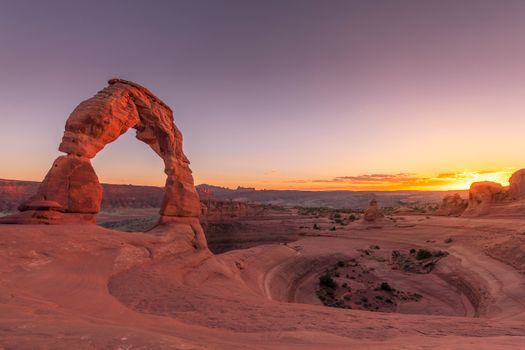
If Yellowstone is about geysers and bison, Arches is about gravity-defying sandstone sculptures. Imagine standing beneath a colossal arch, the sun a molten orb framing its impossible curve, the desert air dry and warm against your skin. This is a landscape born of wind, water, and eons of geological artistry.
Delicate Arch, the park’s iconic symbol, is a pilgrimage worth making, especially at sunrise or sunset. The hike is challenging but rewarding, and the sight of that solitary arch against a fiery sky is etched into my memory forever. Pro-Tip: Visit Delicate Arch for sunrise; you’ll beat the midday heat and the crowds, and the soft light is pure magic for photos.
But Arches is more than just its namesake. Explore The Windows section for a cluster of massive arches, or hike to Landscape Arch, one of the longest natural bridges in the world. The sheer scale and variety of these formations are staggering. It’s a place that makes you feel small in the most profound and awe-inspiring way.
Quick Facts: Arches National Park
- Estimated Costs ($): $30 (entry fee), $100-250/night (lodging in nearby Moab)
- Best Time to Visit: Spring (April-May) and Fall (September-October) for pleasant temperatures. Summers are scorching.
- How to Get There: Fly into Canyonlands Field Airport (CNY) in Moab, UT, or Grand Junction Regional Airport (GJT) in Colorado (about 2-hour drive). Rent a car.
- Must-Do: Hike to Delicate Arch, explore The Windows section, drive the scenic park road.
3. Olympic National Park, Washington: Three Parks in One, Each More Breathtaking Than the Last
Olympic is a masterclass in diversity. It’s a place where you can hike through ancient, moss-draped rainforests, stand on wild, windswept Pacific coastline, and ascend to snow-capped mountain peaks – all within a single park. Yellowstone’s grandeur is undeniable, but Olympic’s sheer variety and contrast are what set it apart.
The Hoh Rainforest is an otherworldly experience. Towering Sitka spruce and Western hemlock trees are draped in thick carpets of moss, creating a verdant, almost surreal atmosphere. The silence here is profound, broken only by the drip of water and the calls of unseen birds. Pro-Tip: Hike the Hall of Mosses trail early in the morning; the misty light filtering through the canopy is simply ethereal.
Then there’s the coast. Rialto Beach, Ruby Beach – these are not your typical sandy shores. These are rugged, dramatic coastlines dotted with sea stacks, driftwood logs the size of small cars, and the constant, powerful roar of the Pacific. It’s a raw, untamed beauty that speaks to the primal forces of nature.
Quick Facts: Olympic National Park
- Estimated Costs ($): $30 (entry fee), $120-250/night (lodging near park entrances)
- Best Time to Visit: Summer (July-August) for best weather across all ecosystems. Spring and Fall can be wet but beautiful.
- How to Get There: Fly into Seattle-Tacoma International Airport (SEA). Rent a car and drive approximately 2.5-3 hours to the park's entrances.
- Must-Do: Hike in the Hoh Rainforest, explore Rialto Beach and Ruby Beach, drive up to Hurricane Ridge for panoramic mountain views.
4. Zion National Park, Utah: Where Sandstone Cathedrals Touch the Sky
Yellowstone offers geothermal wonders; Zion offers towering sandstone cliffs that glow with an inner fire. Imagine walking through a canyon where walls rise thousands of feet, painted in hues of cream, pink, and fiery red. The Virgin River carves its way through this majestic landscape, creating a vibrant oasis amidst the desert.
Angels Landing is not for the faint of heart, but for those who brave the chain-assisted climb, the panoramic views are legendary. The sheer drop-offs and the 360-degree vista of the Zion Canyon are an adrenaline rush like no other. Pro-Tip: Obtain a permit for Angels Landing well in advance, as it’s now a lottery system. If you can’t snag a permit, the hike to Scout Lookout still offers incredible views.
For a less strenuous but equally stunning experience, hike The Narrows. Wading through the Virgin River, with canyon walls narrowing above you, is an unforgettable adventure. The light plays tricks, creating a cathedral-like atmosphere that is both humbling and exhilarating.
Quick Facts: Zion National Park
- Estimated Costs ($): $35 (entry fee), $150-300/night (lodging in Springdale, just outside the park)
- Best Time to Visit: Spring (April-May) and Fall (September-October) offer the most pleasant weather.
- How to Get There: Fly into McCarran International Airport (LAS) in Las Vegas, NV (approx. 3-hour drive). Rent a car.
- Must-Do: Hike The Narrows (check conditions first!), experience Angels Landing (permit required), take the scenic shuttle through Zion Canyon.
5. Denali National Park and Preserve, Alaska: The Wild Heart of the Last Frontier
If you’re seeking unadulterated wilderness and a chance to see North America’s tallest peak, Denali is your destination. While Yellowstone has its own iconic wildlife, Denali offers a raw, vast expanse where grizzly bears, moose, caribou, and wolves roam freely. The sheer scale of the landscape is humbling.
The park road is largely unpaved and accessible only by park shuttle buses or tour buses. This controlled access is crucial for preserving the park's pristine nature. Pro-Tip: Book your bus tour into the park early. The further into the park you go, the higher your chances of seeing wildlife and experiencing true solitude.
Standing at the base of Denali (formerly Mount McKinley) on a clear day is an experience that will dwarf any geyser. The mountain is immense, a snow-capped titan that dominates the horizon. The silence, broken only by the wind or the distant cry of an eagle, is a powerful reminder of nature’s grandeur.
Quick Facts: Denali National Park and Preserve
- Estimated Costs ($): $15 (entry fee), $200-400+/night (lodging in Denali Park Village or nearby)
- Best Time to Visit: June to early September for the best chance of clear skies and wildlife viewing.
- How to Get There: Fly into Ted Stevens Anchorage International Airport (ANC) and take a scenic train or rent a car (approx. 4-5 hour drive to Denali Park entrance).
- Must-Do: Take a narrated bus tour into the park, go for a hike (check ranger recommendations), try to spot Denali on a clear day.
The Takeaway: Your Next Epic Adventure Awaits
Yellowstone is undeniably magnificent. But the world is brimming with natural wonders, and sometimes, the most profound experiences lie just beyond the well-trodden path. These parks – Glacier, Arches, Olympic, Zion, and Denali – offer a tapestry of landscapes, a symphony of natural phenomena, and a sense of awe that, for me, has recently surpassed the familiar magic of Yellowstone.
So, pack your bags, lace up your boots, and prepare to be amazed. The wild is calling, and it's more stunning than you can imagine.
---