Silent Skies & Green Rails: Your Guide to Future Carbon-Neutral Travel
I’ll never forget the feeling of guilt that washed over me after my first long-haul flight. The thrill of exploring a new continent was quickly followed by the sobering realization of my carbon footprint. It was a beautiful trip, yes, but at what cost to the planet I loved to explore? That moment, staring out at the hazy horizon from 30,000 feet, sparked a mission: to find ways to travel that felt good not just for my soul, but for the Earth too.
For years, I’ve been chasing sustainable travel options – from slow train journeys across Europe to supporting eco-lodges in Costa Rica. But lately, I’ve been hearing whispers, seeing glimpses of something truly revolutionary: transportation so clean, so efficient, it feels like science fiction. We’re talking about carbon-neutral travel options that are just on the cusp of breaking through, waiting for curious, adventurous travelers like us to embrace them.
Forget the mainstream narratives for a moment. This isn't about slightly more efficient planes or hybrid cars. This is about a complete paradigm shift, a silent revolution in how we move from A to B. And the best part? You don't have to wait for decades. Some of these incredible innovations are already here, or just around the corner, offering a chance to be an early adopter, to experience the future of travel before everyone else catches on.
So, buckle up (or unbuckle, if you’re planning a silent flight!) because Tripsora is taking you on a journey to discover the most exciting, carbon-neutral transportation options that are set to redefine our adventures.
The Whisper of Wings: Electric Air Taxis & eVTOLs
Imagine skipping the congested airport commute, soaring silently from your city center directly to your destination, or even to a regional airport, all without a single puff of exhaust. This isn't a scene from a futuristic movie; it's the promise of Electric Vertical Take-Off and Landing (eVTOL) aircraft, often dubbed "air taxis."
I first encountered the concept of eVTOLs during a tech conference in Berlin, where a sleek, multi-rotor model was on display. It looked like something out of a dream – elegant, aerodynamic, and utterly silent. The idea of bypassing traffic, enjoying panoramic views, and knowing your journey was emission-free was intoxicating.
What are they?
eVTOLs are essentially electric aircraft designed for short-to-medium distance travel, capable of taking off and landing vertically, eliminating the need for long runways. They’re powered by batteries, meaning zero operational emissions. Companies like Joby Aviation, Lilium, and Archer Aviation are leading the charge, developing aircraft that can carry 2-6 passengers.
Where are they now?
While commercial services aren't widespread yet, pilot programs and testing are happening globally.
* Joby Aviation is targeting commercial operations in the US by 2025, partnering with Delta Air Lines for airport transfer services in cities like New York and Los Angeles. Imagine landing at JFK and hopping into an electric air taxi that whisks you silently over the traffic to Manhattan!
* Lilium is focusing on regional air mobility in Europe, planning routes connecting cities and regions like Bavaria, Germany, and Florida in the US. Their jet-powered eVTOL promises speeds up to 175 mph.
* Archer Aviation is also working towards launching services, with a focus on urban air mobility in the US.
My Personal Take:
The potential for these silent sky-gliders is immense. Think about a weekend trip from London to a quaint Cotswolds village, or a quick hop between Hawaiian islands, all without the noise and emissions of traditional helicopters or small planes. The feeling of weightlessness, the panoramic views, and the knowledge that you’re pioneering a new era of clean travel – it’s the ultimate Instagram moment waiting to happen. Just imagine the stories you’ll tell!
Practical Tips for the Early Adopter:
* Stay Informed: Follow the news from Joby, Lilium, and Archer. Sign up for their newsletters.
* Look for Partnerships: Keep an eye on major airlines and ride-sharing companies (like Uber, which has invested in the sector) for announcements on early booking or pilot programs.
* Destination Spotting: Start researching cities and regions that are actively investing in "vertiports" – the specialized landing pads for eVTOLs. Florida, California, and parts of Europe are good places to start.
The Green Glide: Hydrogen Power on Land & Sea
While electric air taxis capture the imagination, the silent revolution is also happening closer to the ground, and on the water, with hydrogen power. This technology, using hydrogen fuel cells to generate electricity, produces only water vapor as a byproduct – truly zero-emission.
Hydrogen Trains: Gliding Through Green Landscapes
My love affair with train travel runs deep. There’s something inherently romantic about watching the world unfurl outside your window, the rhythmic clickety-clack on the tracks. But even trains, especially older diesel models, have an environmental footprint. That’s why the advent of hydrogen trains has me practically buzzing with excitement.
I remember reading about the first hydrogen train in operation in Germany and feeling a surge of hope. It was the Coradia iLint, built by Alstom, and it was a game-changer. Imagine pulling into a station, seeing a sleek train, and realizing its only emission is a puff of steam.
Where are they now?
* Germany was the pioneer, launching the world's first hydrogen train fleet in Lower Saxony in 2022. They're already running on regional lines, replacing diesel engines.
* France has also ordered hydrogen trains from Alstom, with trials expected soon.
* Italy, Austria, and Sweden are all exploring or investing in hydrogen train technology.
My Personal Take:
I once took a regional train through the Black Forest, a journey of incredible natural beauty. While the views were stunning, the occasional diesel fumes and engine noise were a minor detraction. Envisioning that same journey on a silent, hydrogen-powered train, leaving nothing but clean air behind, is truly inspiring. It transforms the already eco-friendly act of train travel into an even purer experience. For travelers who cherish scenic routes and connecting with nature, this is a profound upgrade.
Practical Tips for the Early Adopter:
* Check German Regional Routes: If you're planning a trip to Germany, specifically Lower Saxony, research regional train schedules. You might just hop aboard a hydrogen train without even realizing it!
* Follow Rail News: Keep an eye on European railway operators (e.g., Deutsche Bahn, SNCF) for announcements on new hydrogen routes.
* Advocate Locally: Support initiatives that push for hydrogen infrastructure in your own country.
Hydrogen Ferries & Eco-Cruises: Serene Voyages on Clean Waters
The feeling of fresh sea air on your face, the vast expanse of water, the gentle rocking of a boat – it’s an unparalleled travel experience. Now, imagine that experience completely free of engine noise and exhaust fumes. That's the promise of hydrogen-powered ferries and eco-cruises.
During a trip to Norway's fjords, I was mesmerized by the pristine beauty of the landscape. The majestic cliffs, the waterfalls cascading into the deep blue water – it felt sacred. While the tour boat was efficient, I couldn't help but wish for a completely silent, clean passage. And now, that wish is becoming a reality.
Where are they now?
* Norway is a global leader in maritime decarbonization. The Hurtigruten Group, famous for its coastal voyages, is developing zero-emission ships, including hydrogen-powered vessels, with plans for launch in the coming years.
* Several smaller, regional hydrogen ferries are already in operation or testing in Scandinavia, designed for short-haul passenger and car transport across fjords and archipelagos.
* Companies are also developing hydrogen-powered pleasure craft and smaller eco-expedition vessels for unique, low-impact sailing experiences.
My Personal Take:
A silent ferry ride through a Norwegian fjord, or a quiet sailing trip along the coast of Greece, powered by the cleanest fuel imaginable – this is the epitome of mindful travel. It allows for a deeper connection with the environment, undisturbed by noise or pollution. Imagine watching a pod of whales from a deck, with only the sound of the waves and the wind. Pure magic, and incredibly Instagram-worthy for those serene travel shots!
Practical Tips for the Early Adopter:
* Research Scandinavian Operators: When planning a trip to Norway or other Nordic countries, specifically look for "zero-emission ferry" or "hydrogen ferry" options for regional transport.
* Eco-Cruise Search: Seek out smaller, independent operators offering sail-powered or hydrogen-hybrid eco-cruises for truly unique and sustainable maritime adventures.
* Book Ahead: These initial eco-voyages might have limited capacity, so early booking is key.
Reimagining Road Trips: Advanced Biofuels & Electric Campers
Ah, the open road! There’s nothing quite like the freedom of a road trip. But the environmental cost of traditional gasoline-powered vehicles is a significant concern for many of us. Thankfully, the future of road travel is also getting a green makeover, offering more sustainable ways to explore on four wheels.
I’ve spent countless hours behind the wheel, from navigating the winding roads of the Scottish Highlands to cruising down California’s Pacific Coast Highway. Each time, I’ve loved the journey, but wished for a cleaner way to experience it. And now, those wishes are becoming tangible realities.
Sustainable Rental Cars: Biofuels & Next-Gen EVs
While fully electric cars are becoming more common, there are also exciting developments in biofuels that offer a carbon-neutral option for traditional combustion engines.
What are they?
* Advanced Biofuels (e.g., HVO100): This is a 'drop-in' fuel made from renewable sources (like waste fats and vegetable oils) that can be used in many diesel engines without modification. It significantly reduces greenhouse gas emissions compared to fossil diesel.
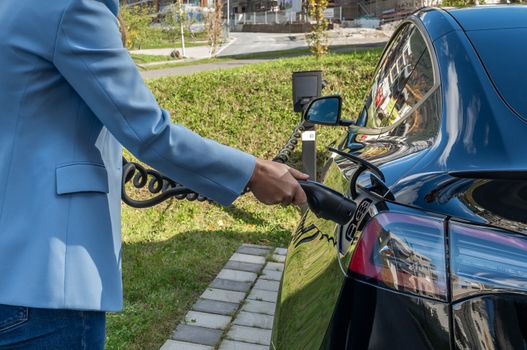
* Next-Generation Electric Vehicles (EVs): Beyond the standard EVs, we're seeing longer ranges, faster charging, and a growing network of renewable energy-powered charging stations.
Where are they now?
* HVO100 is gaining traction, particularly in Europe. Countries like Sweden and Finland have a growing number of stations, and some rental car companies are starting to offer vehicles compatible with or pre-filled with HVO100.
* EV charging infrastructure is rapidly expanding globally, making longer electric road trips more feasible. Companies like Tesla continue to lead, but other manufacturers are catching up fast.
My Personal Take:
Imagine renting a car in the Nordics, filling it with HVO100, and embarking on a road trip through pristine landscapes, knowing your journey is powered by waste. Or perhaps cruising the American Southwest in a long-range EV, charging at solar-powered stations. These options maintain the freedom of a road trip while dramatically cutting your footprint.
Electric Campers & Vans: Your Eco-Home on Wheels
For adventurers who love the nomadic lifestyle, the rise of electric campers and vans is a dream come true.
What are they?
These are electric versions of traditional campervans and RVs, offering zero-emission travel and often integrated solar panels for off-grid living. Think Volkswagen ID. Buzz California concept or custom-built electric vans.
Where are they now?
* While mass-produced electric RVs are still emerging, custom builders and smaller companies are already converting electric vans (like the Ford E-Transit or Mercedes-Benz eSprinter) into fully functional campers.
* Prototypes and concept vehicles from major manufacturers are frequently showcased, signaling a big push into this market.
My Personal Take:
I once spent a month exploring New Zealand in a campervan, and it was an unforgettable experience. The freedom to wake up to a different view every day was incredible. The thought of doing that same trip in a silent, emission-free electric camper, perhaps even charging from its own solar panels while parked by a lake, is incredibly appealing. It combines adventure with ultimate sustainability, and you’d definitely be turning heads (and inspiring others) at every eco-campsite.
Practical Tips for the Early Adopter:
* Rental Research: Before your next European road trip, inquire with rental companies about HVO100 compatible vehicles or their latest EV models with extended range.
* EV Road Trip Planning: Use apps like PlugShare or A Better Routeplanner to map out charging stations, especially if venturing into more remote areas.
* Connect with Builders: If you're serious about an electric camper, follow custom EV camper builders on social media for inspiration and potential build opportunities.
Slow Travel, High Impact: Enhanced Human-Powered & Hybrid Options
Sometimes, the fastest way isn't the best way. For many of us, the journey itself is the destination. And in the world of carbon-neutral travel, embracing slower, more immersive modes can offer some of the most profound and sustainable experiences.
I've always been drawn to slow travel. My most memorable journeys often involved long walks, multi-day bike rides, or leisurely boat trips. It's about truly experiencing a place, not just passing through it.
E-Biking Adventures: Powering Through Panoramic Trails
Biking is inherently eco-friendly, but for longer distances or challenging terrains, an e-bike can be a game-changer, making multi-day cycling adventures accessible to more people.
What are they?
E-bikes provide electric pedal assist, meaning you still pedal, but the motor gives you a boost, especially uphill or when carrying luggage. This allows for longer distances and more ambitious routes without exhausting yourself.
Where are they now?
E-bikes are widely available for rental in popular cycling destinations. Major routes like the EuroVelo network (a network of 17 long-distance cycling routes across Europe) are increasingly e-bike friendly, with charging points and rental stations.
My Personal Take:
I once attempted a challenging section of the Danube Cycle Path and, while beautiful, my legs were screaming by day three! An e-bike would have made that journey not just easier, but more enjoyable, allowing me to focus on the scenery rather than my burning quads. Imagine tackling the picturesque trails of the Dolomites or the wine regions of France on an e-bike, covering more ground, seeing more, and still feeling invigorated. It’s a fantastic way to engage with the landscape intimately, leaving zero emissions behind.
Practical Tips for the Early Adopter:
* Rent Locally: Many tourist destinations offer e-bike rentals for day trips or multi-day tours. Inquire about guided e-bike tours for local insights.
* Plan Your Route: Utilize apps and websites dedicated to cycling routes that highlight e-bike friendly paths and charging points.
* Pack Light: Even with electric assist, minimizing luggage makes for a more comfortable ride.
Authentic Sail-Cargo & Eco-Voyages: The Wind in Your Sails
Before the age of steam and fossil fuels, sailing was the ultimate carbon-neutral transport. Now, a niche but growing movement is reviving sail-cargo and offering unique eco-sailing voyages.
What are they?
These are typically smaller vessels that rely primarily on wind power for propulsion. Sail-cargo ships transport goods (often fair-trade products like coffee or chocolate) across oceans, and some offer limited passenger berths for an authentic, slow travel experience. Eco-voyages are dedicated passenger trips, often educational, focused on sustainable exploration of coastal areas or islands.
Where are they now?
* Companies like Fairtransport (with their brigantine Tres Hombres) and Sailcargo Inc. (building the Ceiba) are leading the charge in sail-cargo, with some offering passenger berths on specific routes between Europe, the Caribbean, and the Americas.
* Smaller operators in destinations like the Galapagos, Arctic, or Mediterranean offer dedicated eco-sailing trips focused on wildlife, conservation, and low-impact travel.
My Personal Take:
My most profound travel experience was a week-long sailing trip in the Greek Cyclades. The feeling of the wind filling the sails, the quiet glide across the Aegean, the stars so bright you felt you could touch them – it was magical. Imagine extending that experience to an ocean crossing, or an expedition to remote islands, knowing your journey is powered by the ancient, clean force of the wind. It’s not just a trip; it’s an adventure, a lesson in sustainable living, and a story you’ll tell for a lifetime.
Practical Tips for the Early Adopter:
* Research Sail-Cargo Operators: Look for companies offering passenger berths on their cargo voyages – these are often long, immersive, and truly unique.
* Seek Eco-Expedition Cruises: If you prefer shorter, more focused trips, research small-group eco-sailing tours in your desired destination.
* Be Flexible: Sail-powered travel is inherently subject to weather and wind, so flexibility and an adventurous spirit are key!
The Future is Now: How YOU Can Be an Early Adopter
The world of travel is on the cusp of a profound transformation, and you, the discerning, eco-conscious traveler, have a unique opportunity to be at the forefront of this change. These carbon-neutral transportation options aren't just concepts; they are emerging realities, ready for those willing to seek them out and embrace them.
My journey to discover these innovations has been exhilarating. It’s shown me that sustainable travel doesn’t mean sacrificing adventure or comfort; it means elevating the experience, making it more meaningful, more impactful, and ultimately, more rewarding.
Here’s how you can become an early adopter and champion of carbon-neutral travel:
- Stay Curious & Informed: Follow pioneering companies (like Joby, Lilium, Alstom, Hurtigruten) and sustainable travel organizations. Sign up for their newsletters and keep an eye on travel news.
- Ask Questions: When booking travel, inquire about the sustainability efforts of airlines, train operators, and tour companies. Your demand drives their innovation.
- Choose Wisely: Opt for destinations and operators that are actively investing in green infrastructure and carbon-neutral solutions. Support the places that are leading the way.
- Share Your Experiences: When you do try a hydrogen train, an electric camper, or an eco-sailing trip, share your story! Post photos, write reviews, and inspire your friends and followers. Use hashtags like #CarbonNeutralTravel #FutureOfTravel #EcoAdventure #TripsoraGreen.
- Support Policy Changes: Advocate for governmental policies that support the development and deployment of green transportation infrastructure.
The future of travel is not just about where you go, but how you get there. It's about making choices that align with your values, leaving a lighter footprint, and returning home with not just incredible memories, but also the satisfaction of having contributed to a greener planet.
So, what are you waiting for? Bookmark this guide, share it with your fellow adventurers, and start planning your next carbon-neutral journey. The silent skies, green rails, and clean seas are calling. Are you ready to answer?
---