Go Green, Go Grand: 7 Carbon-Neutral Journeys You Need to Experience Before You Die
I remember standing on a pristine beach in Thailand, the turquoise water lapping at my feet, and watching a plastic bottle bobbing in the tide. It was a stark, uncomfortable reminder of our impact, even in paradise. That moment, years ago, sparked a personal revolution in how I travel. I loved exploring, but the guilt of my carbon footprint started to weigh heavily. Could I truly experience the world's wonders without contributing to its woes?
The answer, I discovered, is a resounding YES! What began as a challenge to reduce my travel emissions transformed into a thrilling quest for the most incredible, immersive, and carbon-neutral ways to see our planet. Forget sacrifice; embracing sustainable transportation has unlocked some of the most authentic, breathtaking, and deeply satisfying adventures of my life. From silent electric road trips through fjords to the ancient rhythm of sail across an open sea, these aren't just modes of transport – they're experiences that will fundamentally change how you view travel, and perhaps even life itself.
Get ready, fellow wanderlusters. Here are my top carbon-neutral (or significantly low-carbon) transportation options you absolutely need to experience before you die.
1. The Electric Revolution: Silent Roads & Epic Views
There's a magic to driving an electric vehicle (EV) that's hard to describe until you've felt it. The hum of the tires, the whisper of the wind, and the complete absence of engine noise create an almost meditative connection to the landscape around you. My first truly transformative EV experience was a road trip along Norway's Atlantic Road. Imagine: winding coastal roads, dramatic bridges, and the vast, wild ocean, all framed by the silence of an electric car. It felt like gliding through a living postcard.
Why it's a must-do:
EV road trips offer unparalleled freedom without the guilt. With charging infrastructure rapidly expanding globally, exploring remote or scenic routes by electric car is more accessible than ever. E-bike tours take this a step further, letting you truly feel the terrain, whether it's cycling through the vineyards of Tuscany or exploring the quaint villages of the Cotswolds. The "e" assist makes hills a breeze, opening up stunning routes to all fitness levels.
My Personal Anecdote:
Cruising the Norwegian fjords in a rented Tesla, the only sound was the distant cry of a seagull. Pulling over at a scenic overlook, the air was crisp and clean, untouched by exhaust fumes. It wasn't just a drive; it was an intimate communion with nature. Later, an e-bike tour in Mallorca allowed me to effortlessly climb hills I'd once dreaded, revealing hidden coves and panoramic views I would have missed otherwise.
Practical Tips:
* Rentals: Major car rental companies (Hertz, Avis, Enterprise) now offer EVs in many countries. Specialized e-bike tour operators are abundant in popular cycling regions.
* Charging: Use apps like PlugShare or A Better Routeplanner to map out charging stations. Many hotels now offer EV charging as an amenity. For e-bikes, a full charge typically lasts 50-100km, and batteries are often swappable or easily charged overnight.
* Locations: Norway, California (USA), Iceland, and the Alps (Switzerland, Austria) are fantastic for EV road trips due to infrastructure and stunning scenery. Tuscany (Italy), Provence (France), and Vietnam's Mekong Delta are perfect for e-bike adventures.
* Cost: EV rentals can be comparable to premium ICE cars. E-bike rentals typically range from €30-€60 per day, with guided tours costing more.
2. Harnessing the Wind: The Timeless Art of Sail Travel
There’s something profoundly romantic and intrinsically sustainable about traveling by sail. It's a journey dictated by nature's rhythm – the wind in your sails, the gentle rocking of the waves, the vast expanse of the ocean. My most cherished sailing memory is a week-long trip island-hopping through the Cyclades in Greece. We lived by the sun and the wind, dropping anchor in secluded bays, swimming in water so clear you could see the seabed, and dining on freshly caught fish.
Why it's a must-do:
Sailing offers an unparalleled sense of freedom and adventure. You're not just a passenger; you're part of the journey, learning to read the wind, hoist sails, and navigate by the stars. It forces you to slow down, disconnect, and truly appreciate the power and beauty of the natural world. It's an inherently carbon-neutral mode of transport (barring the occasional engine assist for docking or calm days).
My Personal Anecdote:
One evening, anchored off a tiny, uninhabited Greek island, the moon rose, casting a silver path across the Aegean. The only sounds were the creak of the mast and the gentle lapping of waves against the hull. There were no lights, no noise pollution – just us, the sea, and the stars. It was a moment of pure, unadulterated peace and connection that no plane or car journey could ever provide. You learn teamwork, patience, and how to live simply but richly.
Practical Tips:
* Bareboat vs. Crewed: If you have sailing experience and qualifications, you can charter a "bareboat." Otherwise, hire a skipper (and often a cook) for a crewed charter.
* Join a Flotilla: For a social experience, join a flotilla where multiple boats sail together with a lead boat.
* Learn to Sail: Many schools offer courses, from beginner to advanced, often combinable with a holiday.
* Locations: The Greek Islands, Croatia's Dalmatian Coast, the Caribbean, and Thailand's Andaman Sea are world-renowned sailing destinations. For a more adventurous, traditional experience, consider a dhow cruise in Zanzibar or a junk boat tour in Vietnam.
* Cost: A week-long bareboat charter can start from €1500-€3000 (excluding skipper, fuel, provisions), while a cabin on a crewed yacht or a small cruise might be €1000-€2500 per person.
3. Rails of Resilience: Greener Journeys by Train
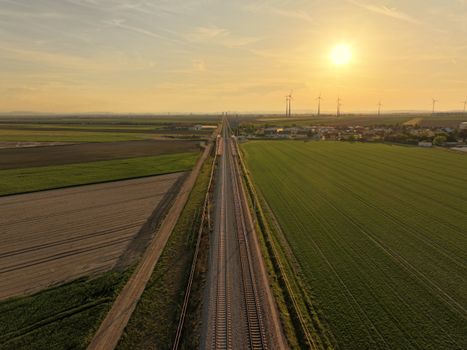
There’s a certain romance to train travel that modern air travel simply can't replicate. The rhythmic clickety-clack of the wheels, the ever-changing panorama outside your window, the ability to stretch your legs, dine, and even sleep – it’s a journey in itself, not just a means to an end. While not every train runs on 100% renewable energy, modern electric trains, especially in countries with green grids, offer a significantly lower carbon footprint than flying, often by 80-90%.
Why it's a must-do:
Train travel allows you to truly see a country unfold. From snow-capped mountains to rolling vineyards, bustling cities to tranquil villages, the landscape becomes part of your adventure. It's also incredibly efficient, often dropping you directly into city centers, saving time and money on airport transfers. Plus, no pesky liquid restrictions!
My Personal Anecdote:
My journey on the Bernina Express through the Swiss Alps was nothing short of magical. The panoramic windows framed glaciers, dramatic viaducts, and quaint villages. With a hot coffee in hand, I watched the world glide by, feeling utterly immersed in the landscape. It was a journey where the destination felt secondary to the sheer joy of the ride itself. I've also crisscrossed Europe with an Interrail pass, meeting fascinating people, sharing stories, and seeing countless sunrises and sunsets from a window seat – experiences that shaped my understanding of the continent.
Practical Tips:
* Rail Passes: For multi-country trips, consider Eurail or Interrail passes for cost-effective travel across Europe. Japan Rail Pass is excellent for exploring Japan.
* Scenic Routes: Research famous scenic routes like the Glacier Express (Switzerland), the West Highland Line (Scotland), or the California Zephyr (USA).
* Sleeper Trains: Overnight trains save on accommodation costs and add a unique element to your trip. Book well in advance for popular routes.
* Booking: Use national rail websites (e.g., SBB in Switzerland, Deutsche Bahn in Germany, SNCF in France) or aggregators like Trainline for cross-border journeys.
* Cost: Varies wildly by route and class. A single scenic journey might be €50-€150, while a multi-country rail pass can range from €200 to over €1000 depending on duration and coverage.
4. Pure Human Power: Trekking, Cycling & Paddling Adventures
Sometimes, the most profound journeys are the ones powered by your own two feet, or the strength of your arms. Walking, cycling, and paddling are the original carbon-neutral transportation methods, offering an intimacy with nature and a sense of accomplishment that’s hard to beat.
Why it's a must-do:
These experiences connect you directly to the environment. You feel the terrain under your feet, the wind on your face, the rhythm of your own breath. Whether it's the meditative focus of a long-distance hike, the exhilarating freedom of a multi-day bike tour, or the serene glide of a kayak through still waters, these adventures strip away distractions and bring you closer to yourself and the world.
My Personal Anecdote:
Hiking a section of the Scottish Highlands, with nothing but my backpack and the vast, wild landscape stretching before me, was an exercise in pure freedom. The challenge of the terrain, the ever-changing weather, and the breathtaking views made every step feel earned. Similarly, kayaking through the fjords of Milford Sound in New Zealand, the scale of the cliffs towering above me, the water so dark and reflective, felt like paddling through a dream. And cycling the Danube Cycle Path – the wind in my hair, the riverside towns flashing by, the scent of wildflowers – was an absolute joy.
Practical Tips:
* Hiking: Start with day hikes to build stamina. For multi-day treks, invest in good gear (boots, backpack, waterproofs). Popular routes include the Camino de Santiago (Spain), Appalachian Trail (USA), or the Everest Base Camp Trek (Nepal).
* Cycling: Choose a route suitable for your fitness level. Many countries have well-developed cycle paths (e.g., Europe's EuroVelo routes). Consider bike packing for self-supported tours.
* Paddling: Rent kayaks, canoes, or stand-up paddleboards (SUPs) from local operators. Always check weather conditions and wear a life vest. Guided tours are great for beginners.
* Locations:
* Hiking: Patagonia (Chile/Argentina), Dolomites (Italy), Pacific Crest Trail (USA), Tour du Mont Blanc (France/Italy/Switzerland).
* Cycling: Danube Cycle Path (Germany/Austria), Carretera Austral (Chile), Munda Biddi Trail (Australia).
* Paddling: Canadian Rockies, Norwegian Fjords, Everglades (USA), Halong Bay (Vietnam).
* Cost: Varies from free (hiking) to rental costs (€20-€50/day for bikes/kayaks) to guided multi-day tours (€500+).
5. The Future is Now: Innovative & Accessible Green Transport
The world of sustainable transportation is constantly evolving, with new innovations making eco-friendly travel more accessible and exciting than ever. This isn't just about what's coming, but what you can experience right now in forward-thinking cities and regions.
Why it's a must-do:
Experiencing these innovations firsthand not only reduces your carbon footprint but also gives you a glimpse into the future of travel. From electric ferries silently gliding through urban waterways to hydrogen buses powering city commutes, these options are proof that progress is being made. Choosing them supports the continued development of green infrastructure.
My Personal Anecdote:
During a trip to Stockholm, I was struck by how seamless and silent their public transport system was. Electric ferries crisscrossed the archipelago, offering stunning views without the drone of diesel engines. In Amsterdam, the sheer volume of cyclists and the extensive bike-sharing schemes made navigating the city a joy, proving that a car-free urban experience is not only possible but preferable. More recently, I took an electric bus in a small German town – it was so quiet and smooth, a stark contrast to the rattling diesel buses of my youth. These experiences weren't just about getting from A to B; they were about experiencing a city designed for a greener future.
Practical Tips:
* Research Local Options: Before visiting a city, check its public transport website. Many now highlight their electric bus fleets, tram networks, or electric ferry services.
* Embrace Bike Sharing: Cities like Paris (Vélib'), London (Santander Cycles), and New York (Citi Bike) offer extensive bike-sharing programs for easy, emission-free urban exploration.
* Electric Taxis/Ride-Shares: Look for electric taxi services or choose EV options on ride-sharing apps where available.
* Future Glimpses: Keep an eye out for destinations experimenting with hydrogen-powered trains (e.g., some routes in Germany) or solar-powered boats.
* Locations: Scandinavian cities (Oslo, Stockholm, Copenhagen) are leaders in electric public transport. Amsterdam, Ghent, and Freiburg are pioneers in bike-friendly, car-reduced urban planning. Japan's high-speed rail network, while not fully carbon-neutral, is incredibly efficient and a benchmark for sustainable mass transit.
* Cost: Public transport fares are generally affordable, ranging from a few euros/dollars per ride to €10-€20 for a day pass. Bike share schemes are often very cheap for short rides.
6. The Ultimate Slow Travel: Walking the World's Wonders
Sometimes, the best way to travel carbon-neutral is also the simplest and most profound: by foot. Walking allows for an unparalleled level of immersion, connecting you intimately with the culture, landscape, and people you encounter. It’s not just a mode of transport; it’s a philosophy of travel.
Why it's a must-do:
Walking forces you to slow down, notice details, and engage with your surroundings in a way that faster travel simply doesn't permit. You discover hidden alleyways, stumble upon local eateries, and engage in spontaneous conversations. Whether it's a multi-day pilgrimage or simply dedicating a significant portion of your city exploration to walking, it’s the most authentic, zero-emission way to travel.
My Personal Anecdote:
Walking a segment of the Camino de Santiago in Spain was a life-altering experience. Each day, with just a small backpack, I covered miles of diverse terrain, from bustling towns to serene forests. The rhythm of walking, the camaraderie with fellow pilgrims from all corners of the globe, and the profound sense of purpose made every blister and aching muscle worth it. It taught me patience, resilience, and the beauty of simplicity. Even in cities like Rome or Kyoto, I make it a point to walk for hours, letting serendipity guide me through ancient streets and vibrant neighborhoods, discovering unexpected gems around every corner.
Practical Tips:
* Comfortable Footwear: This is non-negotiable. Invest in quality walking shoes or hiking boots.
* Light Packing: The less you carry, the more enjoyable your walk will be.
* Navigation: Use offline maps (e.g., Maps.me, AllTrails) or traditional guidebooks.
* Hydration & Snacks: Always carry water and energy-boosting snacks.
* Locations:
* Pilgrimage/Long-Distance: Camino de Santiago (Spain), Kumano Kodo (Japan), Coast to Coast Walk (UK), Inka Trail (Peru).
* City Exploration: Virtually any historic city (Rome, Venice, Kyoto, Prague, Marrakech) is best explored on foot.
* Cost: Mostly free, apart from food, accommodation, and gear.
7. Combining Modes: The Art of the Multi-Modal Eco-Adventure
The real magic often happens when you creatively combine these carbon-neutral transportation options into one epic journey. This multi-modal approach maximizes your experiences while minimizing your footprint.
Why it's a must-do:
Imagine flying into a country (the most carbon-intensive part, but sometimes unavoidable for long distances), then spending weeks exploring entirely by train, e-bike, and foot. Or taking an electric ferry to an island, then hiking and kayaking around it. This approach offers incredible diversity in scenery and activity, keeping your adventure fresh and exciting.
My Personal Anecdote:
My trip through the Dolomites in Italy perfectly exemplified this. I took an electric train from a major city to the region's edge, then rented an e-bike to explore the valleys and mountain passes, staying in small, family-run guesthouses. For the truly challenging peaks, I parked the bike and laced up my hiking boots, spending days trekking through breathtaking alpine landscapes. Each mode of transport offered a different perspective and pace, weaving together a rich tapestry of experiences that was both thrilling and deeply responsible. I ended the trip feeling invigorated, connected, and proud of the minimal impact I'd made.
Practical Tips:
* Plan Ahead: Research connections between trains, buses, ferries, and rental points for bikes or EVs.
* Pack Smart: Choose versatile gear suitable for different activities and pack light to make transitions easier.
* Flexibility: While planning is key, be open to spontaneous changes. Sometimes the best adventures are unplanned.
* Apps & Resources: Utilize apps for public transport, bike rentals, and hiking trails. Look for integrated travel platforms that help plan multi-modal journeys.
* Locations: The Alps (France, Switzerland, Italy, Austria), New Zealand, Costa Rica, and Scandinavia are fantastic for multi-modal adventures due to their diverse landscapes and good infrastructure.
* Cost: Varies widely, but combining modes can often be more cost-effective than relying solely on private transport or expensive tours.
Your Journey Awaits: Embrace the Green Road
The beauty of carbon-neutral transportation isn't just about reducing your impact; it's about enriching your travel experience. It forces you to slow down, to engage more deeply with your surroundings, and to appreciate the journey as much as the destination. These adventures aren't just for the eco-conscious; they're for anyone seeking a more authentic, exhilarating, and truly unforgettable way to see the world.
So, what are you waiting for? It's time to swap the airplane seat for a train window, the gas pedal for an e-bike, or the car for a sailboat. The world is vast and beautiful, and it's waiting for you to explore it responsibly.
Which carbon-neutral adventure will you tick off your bucket list first? Share your dreams and plans in the comments below! Let's inspire each other to travel greener, grander, and more mindfully.
---