Remember that moment, years ago, when you first truly felt the impact of travel? For me, it was standing on a melting glacier in Iceland, the raw beauty breathtaking, yet the stark reality of climate change a chilling whisper on the wind. That trip shifted something fundamental within me. I loved exploring, but I couldn't ignore the footprint I was leaving behind. Fast forward to today, and that whisper has become a roar, but also a beacon of hope. The world of travel is buzzing with innovation, and I'm thrilled to tell you: carbon-neutral transportation isn't just a niche, it's a rapidly trending lifestyle, and it's making travel more immersive, authentic, and utterly unforgettable.
Here at Tripsora, we're all about chasing adventures, but increasingly, it's about chasing them responsibly. Gone are the days when "eco-travel" meant sacrificing comfort or excitement. Today, it means embracing cutting-edge tech, rediscovering the joy of slow travel, and connecting with destinations on a deeper level. I've personally embarked on countless journeys, seeking out these greener alternatives, and I'm here to share the best, most practical, and most exhilarating options that are taking the travel world by storm right now. Get ready to bookmark this, because your next guilt-free adventure starts here!
The Electric Revolution on Land: Zipping Towards a Greener Horizon
Let's kick things off with the most accessible and rapidly expanding sector: electric land transport. Forget range anxiety; today's e-mobility solutions are sophisticated, widespread, and incredibly fun.
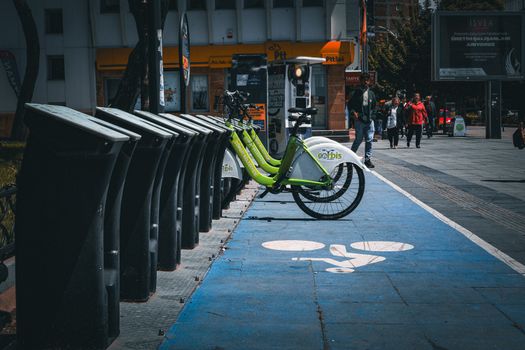
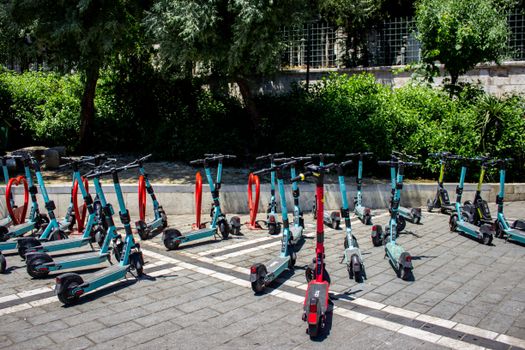
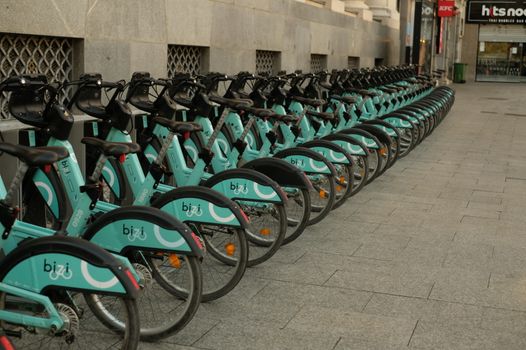
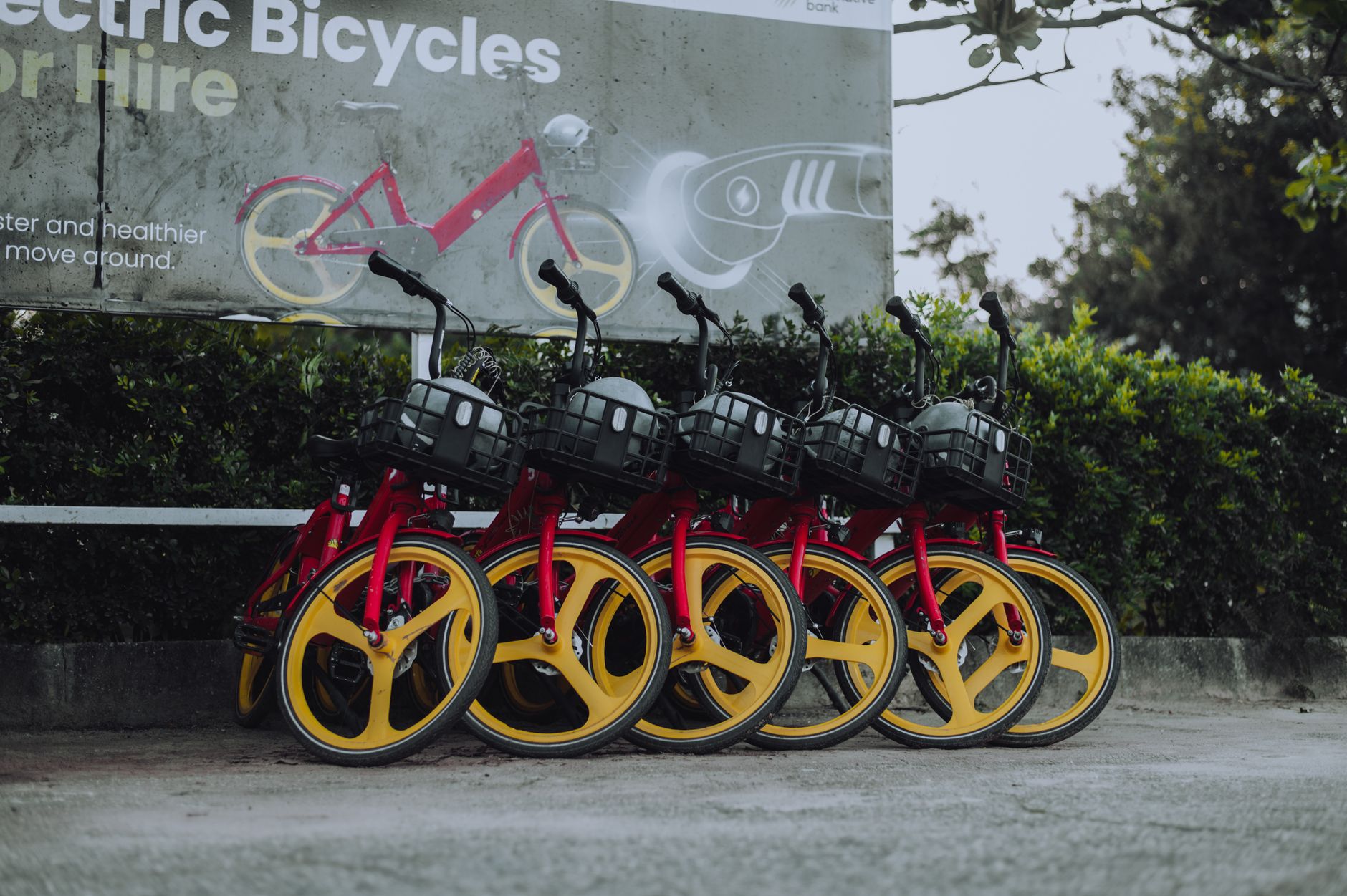
1. E-Bikes and E-Scooters: Your Urban Playground & Scenic Explorer
My love affair with e-bikes began in Amsterdam. I'd cycled there before, but the e-bike transformed the experience. Hills became non-existent, longer distances felt like a breeze, and I could explore charming suburbs like Jordaan and even venture out to the windmills of Zaanse Schans without breaking a sweat. It wasn't just transportation; it was freedom.
- Why it's trending: Accessibility, ease of use, health benefits (still pedaling!), and the ability to cover more ground than walking, yet still immerse yourself in the local environment. E-scooters offer similar benefits for shorter urban hops, perfect for darting between attractions.
- Personal Anecdote: I recently rented an e-bike in Mallorca, Spain, and spent a glorious day cycling along the coastal paths from Palma to Port de Sóller. The electric assist made the climb into the Serra de Tramuntana mountains feel exhilarating rather than exhausting, allowing me to focus on the stunning Mediterranean views and stop for fresh oranges from roadside stalls. It cost me about €35 for a full day's rental, including a helmet and lock.
- Practical Tips:
- Rentals: Look for local bike shops or popular apps like Lime, Tier, or Bolt for e-scooters and shared e-bikes in major cities. Prices typically range from €15-€40 for a full day's e-bike rental, or per-minute rates for scooters.
- Routes: Many cities now have dedicated e-bike touring routes. Check local tourism boards.
- Battery Life: Always check the battery level before heading out, especially for longer excursions.
2. Electric Trains: The Scenic Route, Supercharged
There's something inherently romantic about train travel – the rhythmic clickety-clack, the ever-changing scenery outside your window. Now, imagine that journey powered by clean electricity, often sourced from renewable energy. Electric trains are not new, but their reach is expanding, and they're becoming the go-to for inter-city and cross-country travel in Europe and beyond.
- Why it's trending: High speed, comfort, incredible views, significantly lower carbon footprint than flying, and often city-center to city-center convenience.
- Personal Anecdote: My trip through Switzerland on the Glacier Express, an iconic electric train, was pure magic. Gliding past snow-capped peaks, over dramatic viaducts, and through lush valleys, I felt like I was in a nature documentary. Knowing that the Swiss rail network is largely powered by hydropower made the experience even more special. While not "cheap" (a full journey can be €150-€250 depending on class and route), the experience is priceless and often part of a multi-day pass like the Swiss Travel Pass.
- Practical Tips:
- Booking: Platforms like Rail Europe, Omio, and national rail websites (e.g., Deutsche Bahn, SNCF) are your best friends. Book in advance for better prices, especially on popular routes.
- Night Trains: Consider sleeper trains for long distances; you save on accommodation and wake up in a new city.
- Interrail/Eurail Passes: Excellent value for multi-country European adventures, offering flexibility and extensive electric rail coverage.
Slow Travel, Big Impact: Embracing Water and Human Power
Sometimes, the journey is the destination. These options slow things down, connect you deeply with your surroundings, and leave virtually no carbon footprint.
3. Sailing & Electric Boats: Glide Across the Water
There’s a profound sense of peace that comes with being on the water, propelled by nothing but the wind or a silent electric motor. Sailing holidays are experiencing a massive resurgence as travelers seek unique, off-grid experiences. Electric boats, meanwhile, are revolutionizing quiet lake and canal explorations.
- Why it's trending: Ultimate freedom, access to secluded coves, connection with nature, self-sufficiency, and a truly unique perspective on coastal destinations. Electric boats offer silent, emission-free exploration of protected waterways.
- Personal Anecdote: Last summer, I joined a small crewed sailing trip around the Greek Cyclades. Waking up to the sun glinting off the Aegean, diving into crystal-clear waters directly from the boat, and exploring charming island villages felt like a dream. We only used the engine for docking or when the wind completely died, relying mostly on sail power. A week-long crewed charter can range from €1500-€3000+ per person, but bareboat charters (if you have a license) are cheaper, and day trips are often €50-€100.
- Practical Tips:
- Crewed vs. Bareboat: If you don't have sailing experience, opt for a crewed charter or join a flotilla.
- Destinations: The Mediterranean (Greece, Croatia, Italy), Caribbean, and Pacific Northwest are sailing hotspots. For electric boats, look for rentals in national parks, quiet lakes, or urban canals (e.g., Amsterdam's silent canal cruises).
- Pack Light: Space is limited on boats!
4. Human-Powered Adventures: Walk, Paddle, Pedal Your Way
This is where you truly earn your experience. Walking, cycling, kayaking, and paddleboarding aren't just transport; they're immersive adventures that foster a deep connection with the landscape and local culture.
- Why it's trending: Unbeatable immersion, physical activity, incredibly low impact, and the chance to discover hidden gems inaccessible by other means.
- Personal Anecdote: Trekking a section of the Camino de Santiago in Spain was transformative. Each step, each village, each interaction with fellow pilgrims was authentic. My backpack was my only carbon footprint (and even that was offset by all the local food I ate!). Similarly, kayaking through the fjords of Norway felt primal and spectacular, gliding silently past waterfalls and ancient rock formations. Equipment rental for kayaks or SUPs is usually €15-€30 per hour or €50-€80 for a full day.
- Practical Tips:
- Walking: Choose a long-distance trail (e.g., Camino de Santiago, Appalachian Trail sections, coastal paths) or simply explore a city on foot. Always wear comfortable shoes!
- Cycling: Many countries have extensive cycle path networks (e.g., EuroVelo routes in Europe). Consider multi-day tours with luggage transfer services.
- Paddling: Rent kayaks or paddleboards in coastal towns, lakes, or slow-moving rivers. Always prioritize safety and wear a life vest.
- Gear: Invest in good quality, lightweight, and durable gear.
The Future is Now: Emerging & Innovative Green Transport
While some of these are still in their infancy or limited in scope, they represent the exciting frontier of carbon-neutral travel.
5. Hydrogen Trains & Buses: The Next Generation of Clean Mobility
Imagine a train that emits only water vapor. That's the promise of hydrogen fuel cell technology. While still emerging, hydrogen trains and buses are already operating on specific routes, particularly in Europe.
- Why it's trending: Zero emissions, long range, and the potential to replace diesel engines on non-electrified routes, making clean rail travel even more widespread.
- Personal Anecdote: I haven't personally ridden a hydrogen train yet, but I've been following the news excitedly. Germany's Alstom Coradia iLint, the world's first hydrogen fuel cell passenger train, has been running commercially in Lower Saxony since 2018. My dream is to hop on one of these on a future trip through Europe!
- Practical Tips:
- Stay Informed: Keep an eye on news from European rail networks (e.g., Germany, France) for new routes and expansions.
- Beyond Trains: Hydrogen fuel cell technology is also being tested for buses and even ferries.
6. Electric Car Sharing & Rentals: Guilt-Free Road Trips
For those moments when you absolutely need a car, electric vehicle (EV) rentals are becoming increasingly available. This allows for the flexibility of a car without the guilt of tailpipe emissions (especially if you charge with renewable energy!).
- Why it's trending: Growing charging infrastructure, improved range, and the desire for private, flexible transport without the environmental cost of traditional petrol/diesel cars.
- Personal Anecdote: On a recent trip to Norway's stunning Lofoten Islands, where public transport can be sparse, we opted for an electric car rental. The dramatic landscapes felt even more pristine as we glided silently along, knowing we weren't polluting the crisp Arctic air. Charging stations were surprisingly plentiful, even in remote areas, thanks to Norway's aggressive EV adoption. A week's rental of a mid-range EV was comparable to a standard car, around €400-€600, but we saved on fuel.
- Practical Tips:
- Rental Companies: Major rental companies (Hertz, Avis, Enterprise) now offer EVs. Look for specialist EV rental services in popular tourist regions.
- Charging Apps: Download apps like PlugShare or A Better Routeplanner to locate charging stations and plan your routes.
- Destination Choice: EVs are best in countries with good charging infrastructure (e.g., Norway, Netherlands, California).
The "Why" Beyond the "How": The Joy of Conscious Exploration
Choosing carbon-neutral transportation isn't just about reducing your footprint; it's about enriching your entire travel experience.
- Deeper Immersion: When you walk, cycle, or sail, you're not just passing through; you're in the landscape. You notice the scent of pine, the sound of distant church bells, the texture of ancient cobblestones.
- Slower Pace, Bigger Discoveries: Rushing often means missing the magic. Slow travel forces you to pause, observe, and connect with locals and fellow travelers.
- Authentic Encounters: You're more likely to stumble upon a local market, a hidden cafe, or strike up a conversation with someone when you're not sealed inside a car or bus.
- Physical & Mental Well-being: Incorporating movement into your travel keeps you active and engaged, boosting both your physical and mental health.
- Inspiring Others: By choosing green options, you become an advocate, showing others that sustainable travel is not only possible but incredibly rewarding.
Mindful Planning: Practical Steps for Your Green Journey
Ready to plan your next carbon-neutral adventure? Here are my top tips:
- Research Your Destination: Some places are inherently better for green travel. Cities with excellent public transport (e.g., Tokyo, Berlin, Vienna) or countries with extensive cycling networks (e.g., Netherlands, Denmark) are ideal starting points.
- Prioritize Direct Routes: If flying is unavoidable for a long haul, choose direct flights to minimize emissions from take-offs and landings.
- Embrace Public Transport: From electric trams to extensive metro systems, public transport is often the most efficient and eco-friendly way to navigate urban areas.
- Pack Light: Lighter luggage means less fuel consumption, whether it's on a plane, train, or even your own back.
- Offset Thoughtfully (If Necessary): While direct carbon-neutral transport is best, if you do take a flight or drive a petrol car, consider offsetting your emissions through reputable organizations that invest in certified climate projects. Look for schemes that are Gold Standard or Verified Carbon Standard (VCS) certified.
- Support Local & Sustainable Businesses: Choose eco-friendly accommodations, eat at local restaurants, and buy from local artisans to ensure your tourism dollars benefit the community directly.
- Share Your Experience! Inspire others by posting about your green travel adventures on social media. Use hashtags like #TripsoraGreenTravel #SustainableAdventures #CarbonNeutralJourney.
The Road Ahead: Your Green Adventure Awaits!
The world is changing, and so is how we explore it. Carbon-neutral transportation isn't just a trend; it's a movement towards more mindful, enriching, and responsible travel. From the silent hum of an e-bike through a Tuscan vineyard to the majestic sweep of an electric train through the Alps, these options offer not just a way to get from A to B, but an entirely new way to experience the world.
So, what are you waiting for? Start planning that cycling tour, book that electric train ticket, or dream up a sailing adventure. The planet (and your wanderlust!) will thank you.
Which carbon-neutral option are you most excited to try? Share your green travel plans and experiences in the comments below! Let's inspire each other to explore more responsibly.
---