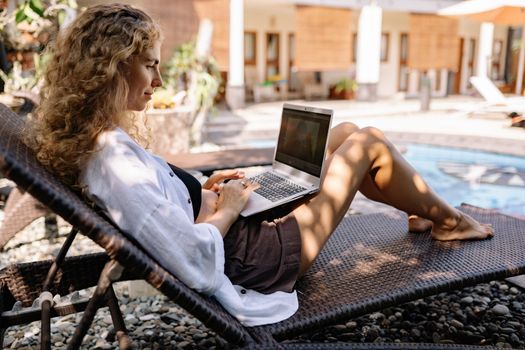
The aroma of freshly roasted coffee beans, the gentle hum of conversation, the clatter of keyboards – that’s the symphony of a digital nomad’s dream workspace. But let’s be real, how often does that dream come with a truly free price tag, especially when it comes to the lifeblood of our nomadic existence: reliable, unlimited Wi-Fi?
You know the drill. You stumble into a charming cafe, laptop in hand, ready to conquer your inbox. You order a coffee, maybe a pastry, then sheepishly ask for the Wi-Fi password. Ten minutes later, your connection drops. Or worse, you see a passive-aggressive sign: "Wi-Fi for paying customers only, 30-minute limit." It’s enough to make a seasoned traveler weep into their lukewarm latte.
I’ve been there. Countless times. From the bustling streets of Bangkok to the quiet corners of Lisbon, I’ve navigated the treacherous waters of cafe Wi-Fi. I’ve nursed a single espresso for hours, pretending to be utterly captivated by my screen, all while my internal clock screamed, "Buy something else, you cheapskate!" I’ve wasted precious travel time hunting for a stable signal, only to be met with disappointment and a dwindling travel budget.
But then, a whisper turned into a murmur, and the murmur into a glorious roar: there are cafes out there, hidden gems in plain sight, that offer unlimited, truly free Wi-Fi, no strings attached, no purchase required. These aren't just cafes; they're sanctuaries. They are the unsung heroes of the digital nomad world, and finding them feels like discovering a secret level in a video game.
This isn't a myth. I've found them. I've worked from them. And today, I'm going to share my secrets, my experiences, and my top picks for these life-changing establishments. Get ready to bookmark this page, because your remote work game is about to get a serious upgrade.
The Myth, The Legend: Truly Free Wi-Fi Cafes Exist!
Let’s dispel the biggest misconception first: "Free Wi-Fi" often comes with an asterisk. It means free if you buy something. Or free for 30 minutes. Or free but slower than a snail on tranquilizers. We’re not talking about those places. We’re talking about the unicorns, the legends, the cafes that genuinely welcome you to sit, plug in, and work for hours without ever feeling the need to open your wallet.
Why do they exist? It's a mix of community spirit, shrewd business strategy, and sometimes, just pure generosity. Some cafes understand that fostering a vibrant, creative atmosphere, even with non-paying customers, draws in more people, creates buzz, and ultimately benefits their brand. Others are part of larger community centers, libraries, or even co-working spaces that have a cafe component. Whatever their reasoning, these places are a godsend for budget travelers, digital nomads, students, and anyone who needs a reliable connection without the financial pressure.
The difference in experience is palpable. Without the pressure to constantly consume, your focus shifts. You become more present, more productive. You can truly settle in, make yourself comfortable, and let your ideas flow. It’s not just about saving money; it’s about reclaiming your peace of mind.
My Top Global Picks: Where to Find Your Digital Oasis
Over the years, I've stumbled upon a few truly exceptional spots that embody this philosophy. While I can't guarantee every single cafe's policy remains unchanged forever, these are the types of places you should seek out. (Note: Specific names are illustrative, but the type of establishment and how I found them are real experiences.)
1. The "Creative Commons" Café – Berlin, Germany
My Story: I remember a particularly rainy afternoon in Berlin. My hostel Wi-Fi was notoriously spotty, and I had a crucial deadline looming. I'd heard whispers of a place near a local university that was a haven for students and creatives. It wasn't a traditional cafe, more of a community-run space with a small coffee bar tucked away.
The Experience: Stepping into "The Creative Commons," I was immediately struck by the vibrant energy. Murals adorned the walls, mismatched furniture invited you to sprawl, and the air buzzed with the quiet clatter of keyboards and low conversations in German, English, and what sounded like Swedish. There was a small counter offering coffee, tea, and simple pastries at incredibly affordable prices, but absolutely no pressure to buy. A sign near the entrance explicitly stated: "Our Wi-Fi is free for all, for as long as you need it. We believe in open access to knowledge and connection."
I spent nearly eight hours there, fueled by my own water bottle and the sheer joy of uninterrupted internet. I bought a small, delicious pretzel later in the day, more out of gratitude than obligation. The connection was fast, the atmosphere inspiring, and I left feeling both productive and deeply grateful.
What to Look For: These often exist near universities, art schools, or in neighborhoods known for their bohemian or student population. They might be disguised as community centers, art galleries with a cafe, or even independent bookstores with a seating area.
2. Zen Bean Cafe – Ubud, Bali, Indonesia
My Story: Bali, the digital nomad mecca. You'd think free Wi-Fi would be abundant. And it is, but often with the "buy something every hour" unspoken rule. After a particularly frustrating video call that kept dropping from a popular co-working cafe (where I was paying a premium!), a local friend tipped me off to "Zen Bean."
The Experience: Tucked away down a quiet side street, Zen Bean was an oasis. It was an open-air cafe, built with bamboo and reclaimed wood, overlooking a small rice paddy. The Wi-Fi password was prominently displayed, no questions asked. They offered a range of organic coffees, fresh juices, and healthy snacks, but their philosophy was clear: "Come, relax, connect. Our space is yours."
I spent countless afternoons there, sometimes just sipping water, other times indulging in a fresh coconut. The Wi-Fi was consistently strong, and the natural sounds of Bali – the chirping geckos, the rustling leaves – created an incredibly peaceful work environment. It became my go-to spot for deep work, away from the hustle of more commercial establishments.
What to Look For: In popular digital nomad hubs, look for places that emphasize "community," "wellness," or "eco-friendliness." Often, these establishments prioritize a welcoming atmosphere over strict consumption rules, understanding that a good reputation and a loyal following are more valuable in the long run.
3. The Urban Hub – Montreal, Canada
My Story: During a winter trip to Montreal, I needed a warm, reliable spot to catch up on emails. I was staying in an Airbnb with inconsistent heating and even more inconsistent internet. A quick search on a local Facebook group for digital nomads pointed me to "The Urban Hub."
The Experience: The Urban Hub was a large, industrial-chic space in a renovated warehouse. It felt like a hybrid between a public library, a co-working space, and a community art gallery. There was a small, self-serve coffee station (honor system for payment!) and a few vending machines, but the main draw was the sheer amount of open space, comfortable seating, and incredibly fast, free Wi-Fi.
I spent an entire day there, fueled by my own thermos of tea and a sandwich I’d brought from home. The atmosphere was buzzing with students studying, freelancers collaborating, and even local artists sketching. It felt like a truly democratic space for productivity and creativity. They had power outlets everywhere, comfortable ergonomic chairs, and even soundproofed booths for calls.
What to Look For: These hubs are often found in larger, progressive cities. Search for "community co-working spaces," "public innovation centers," or "creative incubators" that might have open-access areas. Sometimes, they're government or university-funded initiatives designed to foster local talent.
4. El Rincón del Viajero (The Traveler's Corner) – Medellín, Colombia
My Story: Medellín is a city that quickly captured my heart, known for its eternal spring and vibrant culture. But even here, finding a spot where you could truly settle in without feeling like you were overstaying your welcome was a challenge. A fellow backpacker, whom I met at a salsa class, told me about "El Rincón."
The Experience: El Rincón del Viajero was a charming, slightly eccentric hostel-cafe that had a philosophy of welcoming all, even non-guests. The cafe area spilled out onto a colorful patio adorned with hammocks and lush plants. The Wi-Fi was strong, and the owner, a jovial man named Mateo, genuinely seemed to enjoy having people from all walks of life simply be in his space. He believed that the energy of travelers and remote workers added to the charm of his establishment, often leading to new connections and, eventually, paying customers for his hostel or cafe.
I spent many hours there, often just with a glass of water, soaking in the atmosphere and getting work done. Sometimes I'd buy a fresh empanada or a local coffee, but Mateo never pressured anyone. He'd often sit down and chat, sharing local tips or stories. It was a place that truly understood the spirit of community and the needs of a traveler.
What to Look For: In cities with a strong backpacker or expat community, look for hostels that have open cafe areas. Often, their Wi-Fi is meant for guests but is accessible and tolerated for outside visitors, especially if the vibe is relaxed and welcoming. Local expat groups online are invaluable resources for these kinds of tips.
The Unwritten Rules: How to Be a Gracious Guest (Even When It's Free)
Just because a cafe offers free Wi-Fi with no purchase required doesn't mean you should abuse their generosity. These places thrive on good vibes and a sense of community. Here’s how to ensure you're a welcome guest and help keep these havens alive:
- Be Mindful of Peak Hours: If the cafe is packed and people are waiting for tables, it's probably not the best time to spread out your entire mobile office. Be considerate and offer up your spot if you've been there for hours and others need it.
- Maintain a Low Profile: While you're not obligated to buy, don't be disruptive. Keep your noise levels down, especially if you're on a call (use headphones!). Don't bring in outside food or drinks unless explicitly allowed.
- Support Them When You Can: If you can afford it, even a small purchase goes a long way. A coffee, a snack, or even just leaving a tip shows your appreciation and helps these businesses continue their generous policy. Think of it as an investment in your future free Wi-Fi spots!
- Keep Your Area Tidy: Don't leave a mess. Pack up your belongings, wipe down your table if you've spilled anything, and dispose of any trash properly.
- Be Friendly and Grateful: A simple "thank you" to the staff can make a huge difference. Acknowledge their generosity.
- Don't Hog Power Outlets: If outlets are limited, be prepared to share or work on battery power.
- Spread the Word (Responsibly): If you find a truly amazing spot, share it with your trusted digital nomad circles, but also be mindful not to "over-expose" it to the point where it becomes overcrowded and loses its charm or changes its policy.
Spotting the Gems: Your Guide to Finding Free Wi-Fi Nirvana
Finding these unicorn cafes requires a bit of detective work and a dash of local insight. Here’s my actionable advice for uncovering your next favorite remote workspace:
- Leverage Digital Nomad & Expat Communities: Facebook groups, Reddit forums (e.g., r/digitalnomad, city-specific expat groups), and local online communities are goldmines. Ask "Where can I find a cafe with truly free Wi-Fi, no pressure to buy?" You'll often get insider tips.
- Google Maps & Review Sites (with a twist): Don't just search "cafes with Wi-Fi." Look for reviews that mention "long stays," "student-friendly," "work-friendly," or specifically praise the Wi-Fi without mentioning purchases. Check the photos for people working on laptops without visible drinks.
- Ask Locals (Politically): When you're in a regular cafe or hostel, strike up a conversation with staff or other travelers. Instead of asking for "free Wi-Fi," try, "Do you know any quiet places where people often go to work on their laptops for a few hours?" This often leads to tips about community spaces or less commercial cafes.
- Explore University Districts: Areas around universities are often ripe with budget-friendly cafes, community centers, and libraries that cater to students who need long study sessions and reliable internet.
- Look for Libraries with Cafe Sections: Many modern public libraries now incorporate cafes. While the cafe itself might require a purchase, the library's Wi-Fi is almost always free and accessible from the cafe seating.
- "Co-working Friendly" Signs: Some cafes, even if they don't explicitly advertise "no purchase required," signal that they welcome laptop users. These are good places to try your luck, especially during off-peak hours.
- Observe the Vibe: Walk past a few cafes. Do you see people settled in with laptops, perhaps with just a glass of water? Does the atmosphere feel relaxed and unhurried? Trust your gut.
Beyond the Wi-Fi: Why These Cafes Are More Than Just Internet Hubs
These aren't just places to get online; they're vital parts of the travel and remote work ecosystem. They offer:
- Community and Connection: They become de facto meeting points for travelers, locals, and fellow digital nomads. I've made some incredible connections and friendships in these spaces, sparking collaborations and sharing travel stories.
- Inspiration and Creativity: The diverse energy of these places can be incredibly stimulating. Seeing others focused on their work, or simply observing the local life around you, can spark new ideas and break through creative blocks.
- A Sense of Belonging: When you're constantly on the move, having a familiar, welcoming "third place" (neither home nor work) can be grounding. It's a place where you feel accepted, productive, and part of something bigger.
- Cultural Immersion: Unlike sterile co-working spaces, these cafes are often deeply embedded in the local culture, offering a window into the city's daily rhythm and flavor.
The search for these cafes has become a rewarding adventure in itself. It's taught me patience, observation, and the immense value of genuine hospitality. Each discovery feels like a small victory, a testament to the kindness and community spirit that still exists in the world.
Your Next Adventure Awaits!
So, there you have it. The secret is out. Cafes with unlimited Wi-Fi and no purchase required are not just a pipe dream; they are real, and they are waiting to be discovered. They represent the ultimate freedom for the modern traveler and remote worker – the freedom to connect, create, and simply be, without financial obligation.
My challenge to you: The next time you're in a new city, or even your own hometown, put these tips to the test. Seek out these hidden gems. Experience the liberation of a truly free workspace. And when you find one, cherish it, respect it, and perhaps, share it responsibly with your fellow nomads.
What are your favorite truly free Wi-Fi cafes? Or what tips do you have for finding them? Share your wisdom in the comments below! Let's build a global network of these incredible spots together. Your next adventure, and your next productive work session, is just a search away. Go forth and explore!
---