The Hook: A Symphony of Stone and Story
I stepped off the overnight train in Krakow, the air still carrying the faint, comforting scent of coal smoke and freshly baked obwarzanek (those twisted, chewy bagels). The pre-dawn chill was sharp, but as the first rays of sunlight began to kiss the cobblestones of the Rynek Główny, a gasp escaped me. Before me stood a panorama so rich, so layered, it felt like stepping into a meticulously crafted diorama of European history. The sheer audacity of the architecture, the sheer volume of it, was overwhelming. This wasn't just a square; it was a living, breathing testament to centuries of power, artistry, and resilience. And in that moment, I knew: Eastern European architecture wasn't just good; it was a revelation, a secret whispered across continents, waiting to be heard.
Beyond the Familiar Facades: A New Pantheon of Styles
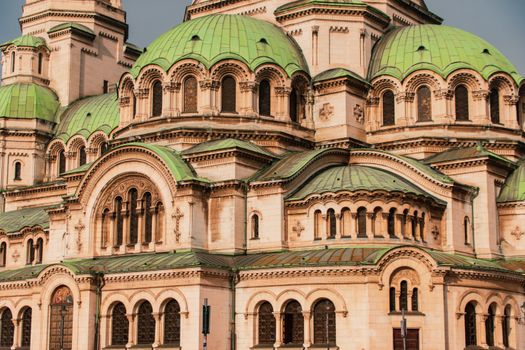
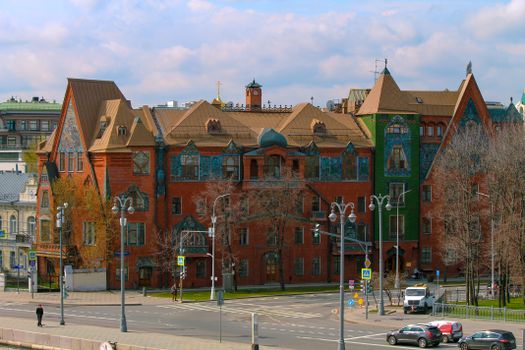
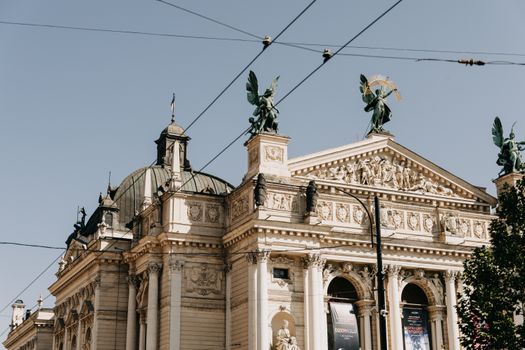
For too long, the narrative of European architecture has been dominated by Paris, Rome, and London. While undeniably magnificent, this focus overlooks a continent brimming with equally, if not more, compelling structures. Eastern Europe offers a unique blend of influences, from the Byzantine and Ottoman to the Austro-Hungarian and Soviet, creating a breathtakingly diverse architectural tapestry. It’s a place where Gothic grandeur meets Art Nouveau whimsy, where Baroque opulence dances with Brutalist boldness.
The Gothic Grandeur: Spires That Pierce the Heavens
When you think of Gothic architecture, your mind probably drifts to Notre Dame or Cologne Cathedral. But Eastern Europe holds its own towering titans.
St. Vitus Cathedral, Prague, Czech Republic
This isn't just a cathedral; it's a masterpiece of Gothic evolution. I spent hours tracing the intricate stonework, marveling at the flying buttresses that seem to defy gravity. The sheer scale is awe-inspiring, with its soaring vaulted ceilings and stained-glass windows that paint the interior with ethereal light.
Pro-Tip:
Visit early in the morning (around 8 AM) to experience the cathedral's serene beauty before the crowds descend. The light filtering through the St. Wenceslas Chapel is particularly magical.
St. Mary's Basilica, Krakow, Poland
The twin towers of St. Mary's Basilica are an iconic silhouette against Krakow's skyline. What truly sets it apart is the hourly Hejnał mariacki (trumpet call) played from the taller tower – a poignant, unfinished melody commemorating a legendary Tatar invasion. It’s a visceral connection to the past, a sound that echoes through centuries.
Pro-Tip:
Don't miss the stunning altarpiece by Veit Stoss inside. It's a breathtaking example of Gothic wood carving.
The Baroque and Rococo Flourish: Opulence Unleashed
The Baroque and Rococo periods left an indelible mark on Eastern Europe, often commissioned by wealthy empires and religious orders eager to display their power and piety.
Schönbrunn Palace, Vienna, Austria (Gateway to Eastern Charm)
While technically in Central Europe, Vienna acts as a crucial gateway and embodies the Austro-Hungarian Baroque that heavily influenced much of the East. Schönbrunn is a symphony of gilded halls and manicured gardens. Walking through the Hall of Mirrors, I could almost hear the echoes of imperial balls and political intrigue.
Pro-Tip:
Allocate at least half a day to explore the palace and its vast gardens. The Gloriette offers panoramic views that are worth the climb.
St. Peter and Paul Cathedral, St. Petersburg, Russia
This cathedral, with its striking blue domes and opulent interior, is a testament to Russian Baroque. It feels grand, almost theatrical, with intricate frescoes and gilded icons that tell stories of faith and empire.
Pro-Tip:
Look for the mosaic floor depicting scenes from the Bible – it's incredibly detailed and often overlooked.
Art Nouveau’s Eastern Embrace: Whimsical and Wonderful
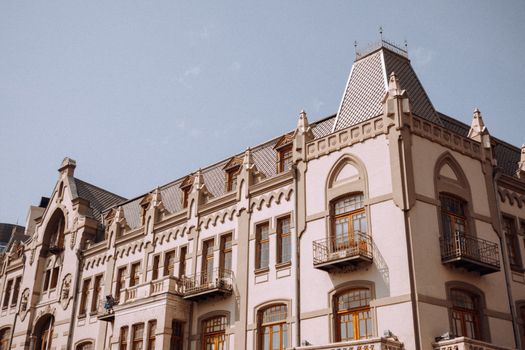
Art Nouveau, with its organic forms and flowing lines, found a particularly vibrant home in Eastern Europe, often infused with local folk motifs.
The Secession Building, Vienna, Austria (Again, a crucial influence!)
The Secession Building, with its famous golden dome of laurel leaves, is the epitome of Viennese Secessionist art and architecture. It’s a bold statement against historicism, embracing a new, modern aesthetic.
Pro-Tip:
The building houses Gustav Klimt's Beethoven Frieze, a must-see for art lovers.
The Buildings of Riga, Latvia
Riga's Old Town is a UNESCO World Heritage site for a reason. It boasts the highest concentration of Art Nouveau buildings in the world. Wandering its streets is like stepping into an architectural fairy tale, with facades adorned with mythical creatures, floral motifs, and graceful maidens.
Pro-Tip:
Take a guided walking tour specifically focused on Art Nouveau architecture. You'll discover hidden details and fascinating stories you'd otherwise miss.
The Gresham Palace, Budapest, Hungary
Overlooking the Chain Bridge, the Gresham Palace is a jaw-dropping example of Hungarian Art Nouveau. Its intricate ironwork, stained-glass windows, and stunning mosaics are a feast for the eyes. It now houses a luxury hotel, but you can still admire its exterior and public spaces.
Pro-Tip:
Even if you're not staying there, step into the lobby to appreciate the craftsmanship. The central staircase is particularly spectacular.
The Brutalist Boldness: A Legacy of the Soviet Era
While often controversial, Soviet-era Brutalist architecture has a unique and powerful aesthetic that is gaining appreciation. It speaks of a different era, of grand, often imposing, public projects.
The Palace of the Parliament, Bucharest, Romania
This is the second-largest administrative building in the world, a colossal monument to Nicolae Ceaușescu's megalomania. Its sheer scale is staggering, built with immense amounts of marble, wood, and crystal.
Pro-Tip:
Book your tour in advance, as they are mandatory for entry and fill up quickly. Wear comfortable shoes – you’ll be doing a lot of walking.
The National Library, Minsk, Belarus
The "Belarusian Diamond" is a striking, diamond-shaped structure that dominates Minsk's skyline. Its unique form and imposing presence are a bold statement of modern Soviet architecture.
Pro-Tip:
Visit at night when the building is illuminated, showcasing its futuristic silhouette.
Ottoman Echoes: A Touch of the Exotic
In the Balkans, the Ottoman Empire left a lasting architectural legacy, visible in mosques, hammams, and traditional houses.
Mostar, Bosnia and Herzegovina
The iconic Stari Most (Old Bridge), meticulously reconstructed after the war, is a symbol of resilience and a masterpiece of Ottoman engineering. The surrounding old town, with its cobblestone streets and Ottoman-style houses, transports you back in time.
Pro-Tip:
Watch the local divers jump from the bridge into the Neretva River – a tradition that dates back centuries.
Sofia, Bulgaria
Sofia offers a fascinating juxtaposition of architectural styles. You can find remnants of Ottoman influence in the Banya Bashi Mosque alongside grand Bulgarian Revival houses and grander Soviet-era buildings.
Pro-Tip:
Explore the area around the Central Market Hall to see a blend of architectural influences.
Quick Facts: Planning Your Architectural Pilgrimage
| City/Region | Country | Best Time to Visit | Estimated Daily Budget (USD) | How to Get There |
| :------------------- | :------------- | :----------------- | :--------------------------- | :------------------------------------------------------------------------------------------------------------------------------------------ |
| Prague | Czech Republic | Spring (Apr-May), Autumn (Sep-Oct) | $80 - $150 | Major international airport (PRG), extensive train network connecting to Western and Eastern Europe. |
| Budapest | Hungary | Spring (Apr-May), Autumn (Sep-Oct) | $70 - $130 | Major international airport (BUD), excellent train connections. |
| Krakow | Poland | Spring (Apr-May), Autumn (Sep-Oct) | $60 - $110 | International airport (KRK), well-connected by train. |
| St. Petersburg | Russia | Summer (Jun-Aug) | $90 - $160 | Major international airport (LED), ferry services, rail connections (though current geopolitical situations may affect travel). |
| Riga | Latvia | Summer (Jun-Aug) | $70 - $120 | International airport (RIX), bus and train connections to neighboring Baltic states and beyond. |
| Bucharest | Romania | Spring (Apr-May), Autumn (Sep-Oct) | $50 - $90 | International airport (OTP), good train network within Romania and to neighboring countries. |
| Mostar | Bosnia & Herz. | Spring (Apr-May), Autumn (Sep-Oct) | $40 - $70 | Nearest major airport is Sarajevo (SJJ), accessible by bus from Dubrovnik (Croatia) and Split (Croatia). |
| Sofia | Bulgaria | Spring (Apr-May), Autumn (Sep-Oct) | $40 - $80 | International airport (SOF), well-connected by train and bus within Bulgaria and to neighboring countries. |
Budget estimates are for accommodation, food, local transport, and basic sightseeing. They can vary significantly based on your travel style.
Insider Tips for the Discerning Traveler
- Embrace the Unexpected: Some of the most stunning architectural gems are found in unassuming neighborhoods. Don't be afraid to wander off the beaten path.
- Look Up! So many incredible details – gargoyles, ornate balconies, intricate rooflines – are best appreciated from above.
- Local Guides are Gold: For cities rich in history and diverse styles, a knowledgeable local guide can unlock layers of meaning you’d never discover alone. They'll point out the sgraffito on a hidden courtyard building or explain the symbolism behind a particular Art Nouveau motif.
- Photography is Key: Eastern Europe is a photographer's paradise. Pack extra batteries and memory cards. The golden hour light in cities like Prague and Budapest is simply magical for capturing architectural details.
- Consider Off-Season Travel: While summer offers pleasant weather, visiting in spring or autumn often means fewer crowds and more intimate experiences with these incredible sites. Plus, the autumn foliage can add another layer of beauty to the already stunning landscapes.
- Savor the Details: Beyond the grand structures, notice the smaller details: the unique door knockers, the intricate tile work on a humble home, the wrought-iron balconies. These are the elements that truly tell the story of a place.
The Verdict: An Architectural Renaissance Awaits
Eastern European architecture is not a lesser cousin to its Western counterparts; it is a vibrant, complex, and utterly captivating world unto itself. It offers a rich narrative of history, art, and human ingenuity that deserves to be explored. From the soaring spires of Gothic cathedrals to the whimsical curves of Art Nouveau facades and the stark statements of Brutalist structures, this region provides an unparalleled journey through architectural evolution. So, pack your bags, open your eyes, and prepare to be astonished. Your next architectural obsession awaits.