The Ghost in the Machine: A Border Crossing Story
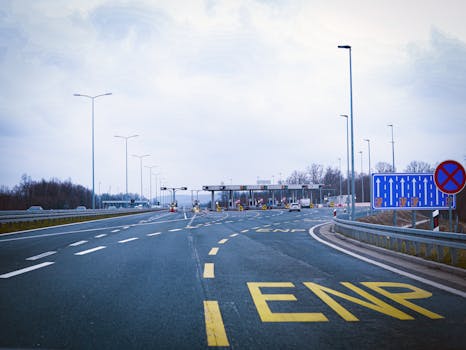
I stepped off the night train at the Chiasso border crossing, the air smelling of ozone, damp stone, and the sharp, roasted scent of espresso wafting from a nearby kiosk. It was 4:15 AM. Usually, this transition from Switzerland into Italy is a breeze—a sleepy nod from a bored official. But this is May 2026.
The old wooden booths are gone, replaced by sleek, brushed-aluminum kiosks emitting a soft, pulsing violet light. I watched a seasoned traveler—heavy leather boots, weathered rucksack—get pulled aside. Not because he was carrying contraband, but because his digital "handshake" had failed. His ETIAS hadn't updated to his new passport number. In the world of May 2026 travel, your physical presence matters far less than your digital shadow.
The borders haven't just moved; they've become invisible, algorithmic, and occasionally, unforgiving. Here is exactly what you need to know to stay on the right side of the glass.
1. The European "Digital Iron Curtain": ETIAS is Finally Live
After years of "will-they-won't-they" delays, the European Travel Information and Authorisation System (ETIAS) is no longer a pilot program. As of May 2026, it is the law of the land for all 60+ visa-exempt nations.
If you are a citizen of the US, Canada, Australia, or the UK, you can no longer just "show up" in the Schengen Zone. You need to apply at least 4 to 7 days before your flight.
The Insider Reality:
Most applications are approved in minutes, but the "Flagging Algorithm" is sensitive. If you’ve stayed in the Schengen zone for 89 days in the last 180, the system will likely hold your application for manual review.
* Pro-Tip: Don't use third-party "expeditor" sites. They charge $50 for a €7 government fee. Use the official `.europa.eu` portal only.
* The Hidden Entrance: If the kiosks at Frankfurt or Paris CDG have lines stretching to the horizon, look for the "EES Manual Assistance" lane usually tucked behind the far-right baggage claim pillar. It’s often empty because everyone assumes it's for diplomats.
2. The UK’s "Electronic Toll": The ETA Expansion
By May 2026, the UK has completed its rollout of the Electronic Travel Authorisation (ETA). This now includes every single non-visa visitor, including Europeans and North Americans.
It’s a £10 fee, valid for two years. But here’s where travelers are getting stuck: the UK’s system is now linked directly to the carrier’s manifest. If your ETA isn't linked to your passport, the airline’s system literally won't let the gate agent print your boarding pass.
* The Nuance: The UK is being incredibly strict about "Intention to Work." If your social media profile lists you as a "Freelance Consultant" and you tell the border officer you're just "hanging out," they may cross-reference your digital footprint. Be clear about your status.
3. Southeast Asia: The End of the "Visa Run"
For decades, the "Visa Run" to the border was a rite of passage in Thailand and Vietnam. In May 2026, that era is officially dead.
Thailand has fully integrated the Destination Thailand Visa (DTV), which allows for 180-day stays. However, they have simultaneously cracked down on land-border hops. If you try to cross the Poipet border from Cambodia back into Thailand more than twice in a calendar year without a long-stay visa, you will be denied entry.
* Pro-Tip: If you need to renew your stay, fly into Chiang Mai (CNX) rather than Bangkok (BKK). The immigration officers at CNX are historically more pragmatic and the "fast-track" line costs about 200 THB—a small price for avoiding a four-hour wait.
4. The Biometric Entry-Exit System (EES)
This is the big one. The Entry/Exit System (EES) has replaced passport stamps in most of Europe. Instead of a cool ink souvenir, the system records your facial image and fingerprints.
This means the "90/180 day rule" is now enforced by a computer that doesn't care about your excuses. In the past, you might find a friendly officer who would overlook a 91-day stay. Now, the gate at the airport simply won't open if the system flags an overstay.
* The "Authentic" Warning: The kiosks use infrared scanning. If you’ve had recent cosmetic surgery or even significant facial swelling from a long flight, the machine might reject you. Always carry a secondary ID (like a driver's license) to prove your identity to the human supervisor.
5. Digital Nomad Visas: The 2026 Pivot
The "Digital Nomad" gold rush of 2023-2024 has matured. By May 2026, countries like Japan and Spain have tightened their income requirements.
* Japan: Their 6-month nomad visa now requires proof of an annual income exceeding ¥10 million (approx. $66,000 USD).
* Spain: The "Beckham Law" tax benefits for nomads have been tweaked. You must now register with the local ayuntamiento (town hall) within 30 days, or your visa becomes void.
6. Logistics & Quick Facts: The May 2026 Cheat Sheet
| Destination | Requirement | Cost | Processing Time | Best Way to Enter |
| :--- | :--- | :--- | :--- | :--- |
| Schengen Area | ETIAS | €7 | 10 mins - 4 days | Rail (less scrutiny than LCC airports) |
| United Kingdom | ETA | £10 | 24 - 48 hours | Eurostar (St. Pancras) |
| Thailand | DTV / e-Visa | $300 (DTV) | 5 - 10 days | Suvarnabhumi (BKK) |
| Japan | Digital Nomad | Free (varies) | 1 month | Haneda (HND) |
| USA | ESTA Update | $21 | 72 hours | Global Entry Kiosks |
How to get there:
For Europe, the Nightjet sleeper trains are the elite way to move. You bypass the airport biometric chaos and often clear customs at smaller, quieter stations like Zurich or Utrecht.
7. The "Hidden" Requirements: Insurance and Proof of Funds
In May 2026, "Border changes" aren't just about the visa; they are about the conditions. We are seeing a massive uptick in "Random Compliance Checks."
Even with a valid ETIAS, an officer at the border of Greece or Poland may ask to see:
1. Proof of Health Insurance: It must specifically cover "Repatriation of remains" and have a minimum €30,000 coverage.
2. The "Blue Door" Secret: In many Mediterranean ports, there is a secondary "Document Validation" office (often marked with a blue door or sign). If you are arriving via private boat or ferry, you must self-report there before stepping into the city, or you'll be flagged as an illegal entry by the port's facial recognition cameras.
Final Thoughts from the Road
Travel in May 2026 is for the prepared. The spontaneity of the past has been replaced by a need for digital precision. But once you clear that violet-lit kiosk? The world is just as vibrant as it ever was. The smell of roasting chestnuts in Madrid, the chaotic symphony of scooters in Hanoi, and the silence of the Swiss Alps are all still there—waiting for those who bothered to click "submit" on their paperwork a week early.
---