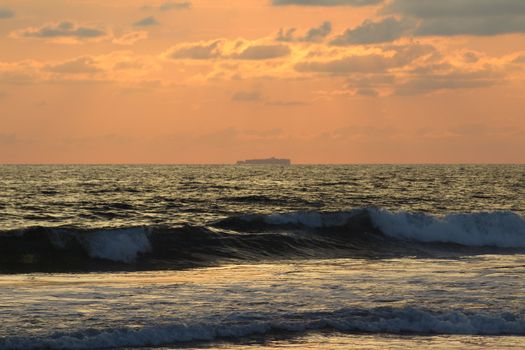
There is a particular pleasure in leaving the office at five and having your feet in the sand by seven. It does not need a holiday, a flight or even much planning. If you live in or near a coastal city, a weekday evening can become a small adventure, with warm light, a swim or a walk, and dinner by the water. The key is choosing the right beach and working backwards from the time you have.
This guide explains how to plan an after-work beach trip, what makes a beach suitable for an evening visit, and how to stay comfortable and safe as daylight fades. Train timetables, ferry schedules, parking rules and water quality change, so confirm current details with local official sources before you go.
What makes a beach good for an evening visit
Not every lovely beach suits a two- or three-hour stay. The best ones for after work tend to share these traits:
- Short journey time. Ideally under an hour door to door, so you are not spending the whole evening in transit.
- Easy return. A late train, a frequent bus or a ferry that runs after sunset makes the trip stress free.
- Facilities close by. A cafe, a kiosk or a restaurant within walking distance means you can eat without planning a picnic.
- Gentle conditions. Calm water, a lifeguard where possible, and good lighting near the access paths.
- Something to enjoy once the sun is down. A promenade, a beach bar or a boardwalk helps if the swim is short.
When you shortlist a beach, check sunset time and the time of the last public transport back. Those two figures decide how much time you really have.
Work backwards from sunset
A simple method turns a vague idea into a workable plan:
- Look up the sunset time for the date you want.
- Subtract the time you want on the beach, say ninety minutes, to find your arrival time.
- Subtract the travel time to find your departure time.
- Check whether that matches your finishing time at work, with a margin for delays.
- Note the last transport home and set a phone alarm for fifteen minutes before it.
In summer at higher latitudes, sunset can be very late, so you may have plenty of time. In spring and autumn, the window narrows, and in winter an after-work beach visit may mean walking in the dark. That can still be lovely, but it needs different expectations.
Examples of cities with easy beach escapes
These are illustrations of the idea, not a ranked list. Services and conditions vary, so check the details.
Sydney, Australia.
Ferries and trains link the centre to a range of harbour and ocean beaches. A ferry to Manly offers views and a beach on arrival. Bondi and others are reachable by public transport, though evening buses can be busy.
Barcelona, Spain.
Beaches such as Barceloneta lie within the city, reachable by metro and on foot. Longer evenings in summer make after-work swims a local habit.
Lisbon, Portugal.
Trains run along the coast toward Cascais, with a string of beaches and promenades. The line follows the Tagus estuary and then the Atlantic coast, so the journey itself is part of the pleasure.
Tel Aviv, Israel.
The city sits directly on a long coast, with beaches, a promenade and beach cafes within a short walk of much of the centre.
Cape Town, South Africa.
Beaches along the Atlantic seaboard and False Bay are within a short drive, though water temperatures vary a lot and the Atlantic side can be very cold.
Rio de Janeiro, Brazil.
Copacabana and Ipanema are reachable by metro and are used heavily in the evening, though take standard urban safety precautions.
Brighton, England.
A direct train from London brings you to a pebble beach with a pier and plenty of places to eat. The journey is about an hour, which makes it a classic summer evening trip.
Vancouver, Canada.
English Bay and other city beaches are within the urban area and are popular for sunset.
Los Angeles and San Diego, USA.
Beaches along the coast are close to urban areas, though traffic can make a short journey long. A train or bus may be more predictable than a car at rush hour.
Singapore.
East Coast Park and Sentosa offer sand and sea within easy reach, with food and cycling options.
The lesson is simple: look at your own city's map. You may find a sandy stretch within an hour that you have never used.
Getting there: train, bus, ferry or car
Train and metro.
Usually the most predictable option at rush hour. Check the last services and weekday timetables, since weekend schedules differ.
Bus.
Good for reaching areas without rail, but check frequency in the evening. Some routes thin out after the commuter rush.
Ferry.
A ferry can turn the journey into part of the escape. Check the last departure from the island or far shore, because missing it can be costly and inconvenient.
Car.
Gives flexibility but costs in fuel and parking, and rush hour traffic can eat your window. Check parking rules, since some beach car parks close at set times or charge evening rates.
Bicycle.
Where there is a safe coastal path, cycling can be quicker than a car and lovely at sunset. Take lights and follow local road rules.
Whatever you choose, have a plan B for getting home, such as a taxi or ride-share option, in case a service is delayed or cancelled.
Safety after work, as the light fades
Evening beaches are lovely but have different risks from midday ones.
- Swimming. Many lifeguard services finish before sunset. Swimming without supervision, especially after a day of work and perhaps a meal, carries real risk. If there is no lifeguard on duty, stay in shallow water, swim with a friend, and be cautious about currents and tides. Avoid swimming after drinking alcohol.
- Flags and signs. Read them. They tell you about currents, jellyfish, water quality and closed areas.
- Tides. A rising tide can cut off sections of beach or rocks. Check tide times for your visit.
- Light. Carry a small torch or use your phone light for walking back in the dark.
- Valuables. Take only what you need, keep it close, and avoid leaving bags unattended while you swim.
- Water quality. Some beaches post advisories after heavy rain. Check local authority information before swimming.
This is general information, not a substitute for local safety guidance. Follow lifeguards and official signage wherever they exist.
What to pack for a quick beach evening
You do not need much, which is part of the appeal. A small bag could hold:
- A quick-dry towel and a swimsuit under your work clothes, or a change of clothes if there is a place to change.
- A light layer, since temperatures drop after sunset, especially near the water.
- Sandals or flip-flops, plus a plastic bag for wet items.
- Water and a snack, or cash for a beach cafe.
- Sun protection if there is still strong sun when you arrive.
- A small torch and a charged phone.
- A bag for rubbish, because many beaches have limited evening collection.
Changing is the main logistics question. Some beaches have public changing rooms or showers, while others do not. A large towel or a sarong can make discreet changing easier, but follow local rules.
Ways to spend the evening
A beach evening does not have to be a swim. Consider:
- A walk along the water's edge at low tide, when the sand is firm.
- A picnic or fish and chips watched over by the setting sun.
- A casual sports session, such as volleyball, frisbee or a paddle.
- A sunset paddle, if you have a board or kayak and local conditions are safe.
- A beach bar or restaurant dinner, which turns the trip into an easy date night.
- A bonfire or barbecue, only in places where fires are permitted, since many beaches ban them.
Keep expectations flexible. If the weather turns, you can still enjoy a hot drink in a cafe and a walk along the front.
Making it a habit
Once you try one evening, it is easy to repeat. A few ideas make it sustainable:
- Keep a small beach bag ready by the door.
- Pick a regular day, such as a Thursday, and invite friends.
- Learn the local tide and sunset patterns.
- Note which beaches are best in which season.
- Explore a new beach each month.
Over time, the beach becomes a normal part of life rather than a holiday luxury.
Going with others
An after-work beach evening is easy to share. A few ideas help groups.
- Agree a meeting point and time at the station or the beach entrance, since phone signal and crowds can complicate things.
- Share the return plan. Everyone should know the last train or bus, so no one is left stranded.
- Bring a shared picnic. Each person brings one item, which keeps the load light.
- Keep an eye on children. Evening light makes it harder to spot small figures near the water, and bright clothing helps.
- Respect others. Keep music low, particularly on quiet beaches, and clear up before you go.
If you are going alone, tell a friend where you are and when you expect to be home. Solo visits can be peaceful, but it is sensible to stay in well-used areas and keep your phone charged.
Budgeting an evening escape
These trips are usually cheap, which is part of the appeal. The main costs are transport, a snack or dinner, and perhaps parking. Public transport fares are often lower than a single takeaway meal in a city centre. If you drive, check parking fees, which may vary by season and time of day. Bringing your own picnic keeps costs down, while a beach restaurant dinner turns it into a small treat. Prices vary by city and change over time, so check current fares and menus rather than relying on guesses.
Frequently asked questions
Is it safe to swim in the evening?
It depends on conditions. Without lifeguards, risks rise. Stay in shallow water, swim with someone, check flags and tides, and avoid swimming after alcohol. If in doubt, enjoy the beach on foot.
What if the last train leaves early?
Check the final departure before you go and set an alarm. Have a back-up such as a taxi, a ride-share or a friend with a car.
Can I bring a dog?
Many beaches restrict dogs in summer or at certain times. Look for local signage or the council's website.
Is it worth the trip in winter?
For a walk, yes. Wrap up, check sunset, and bring a hot drink. A cold, empty beach can be strikingly beautiful.
Summary
A beach after work is one of the simplest ways to make an ordinary week feel special. Choose a beach within an hour, work backwards from sunset, confirm the last transport home, and pack light. Stay safe by reading flags, avoiding unsupervised swimming and keeping an eye on tides and light. With a little planning, the coast can be part of your weeknight routine, not just a holiday memory.