Beyond the Postcard: Master an Ancient Craft in a Day & Blow Your Mind!
The bustling souks of Marrakech hummed with a thousand stories. The scent of leather, spices, and mint tea mingled in the air, a symphony for the senses. I was haggling for a hand-stitched leather bag, admiring the intricate details, when a thought struck me: How do they even make this? I’d spent countless trips gazing at masterpieces, snapping photos, and buying souvenirs, but I’d rarely paused to truly understand the craft behind them. I felt a yearning for something more, a desire to move beyond passive observation and become an active participant in the rich tapestry of local culture.
That day, I stumbled upon a small, unassuming workshop tucked away in a quiet alley. A grizzled artisan, his hands gnarled from years of work, was patiently teaching a small group how to stamp and stitch leather. Curiosity piqued, I signed up on the spot. What followed was a revelation: in just a few hours, under his watchful eye, I crafted a simple yet beautiful leather cardholder. It wasn't perfect, but it was mine. And more importantly, it was a tangible piece of the culture, a memory etched not just in my mind, but in my very hands.
That single afternoon transformed my approach to travel. I realized that some of the most profound and mind-blowing experiences aren't found on a crowded tour bus, but in the quiet dedication of learning an ancient skill. And the best part? Many of these incredible trades can be mastered, at least in their basic form, in a single day! Forget the typical tourist traps; it's time to get your hands dirty, unlock your inner artisan, and forge memories that last a lifetime.
Here are 6 ancient trades you can learn in a day that will undoubtedly blow your mind, along with my personal tips for making the most of these unforgettable experiences.
---
1. The Potter's Wheel: Spinning Clay into Gold (or a Mug!)
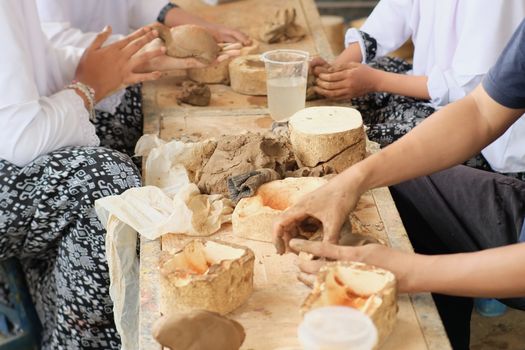
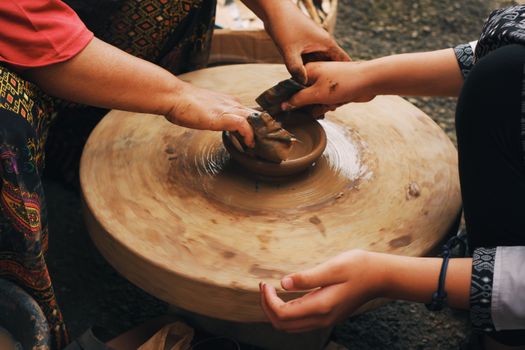
There's something inherently meditative about the potter's wheel. The rhythmic hum, the cool, pliable clay responding to your touch, the gradual emergence of a form from a formless lump – it's pure magic. Pottery is one of humanity's oldest crafts, connecting us directly to our ancestors who shaped clay for survival, storage, and art.
My first pottery lesson was in a charming studio nestled in the hills outside Kyoto, Japan. The sensei, a woman with serene eyes and surprisingly strong hands, demonstrated with effortless grace. When it was my turn, the clay seemed to have a mind of its own, wobbling, collapsing, and generally refusing to cooperate. My first attempt looked less like a bowl and more like a melted ice cream cone. But with patience, gentle guidance, and a lot of laughter, I eventually managed to center the clay and pull up a wobbly, yet recognizable, cup. The feeling of accomplishment was immense. It wasn't just about the cup; it was about the focus, the connection to the earth, and the sheer joy of creating.
What You'll Learn in a Day:
Most introductory workshops focus on wheel throwing basics: centering the clay, opening a hole, pulling up the walls, and shaping simple forms like cups or small bowls. You'll also get a glimpse into glazing techniques and the firing process. Hand-building techniques like pinch pots or coil building are also popular and very beginner-friendly.
Where to Find It:
* Kyoto, Japan: Many traditional studios offer English-friendly workshops. Look for places like "Utsuwa Kobo Gaku" or "Tekisui Pottery Studio." Prices typically range from ¥5,000-¥10,000 ($35-$70 USD) for a 2-3 hour session. Note: You usually can't take your piece home the same day as it needs to be fired, but they often ship it to you later!
* Puglia, Italy: Known for its vibrant ceramics, especially in towns like Grottaglie. Workshops can be found for €60-€120 ($65-$130 USD).
* Globally: Search for "pottery workshop" or "ceramics class" in almost any major city. Artisan communities worldwide offer similar experiences.
Tripsora Traveler Tips:
* Dress for mess: Clay gets everywhere! Wear old clothes and tie back long hair.
* Embrace imperfection: Your first piece won't be gallery-worthy, and that's perfectly okay. The joy is in the process.
* Ask about shipping: If you're traveling, confirm if they ship your finished (fired) piece home.
* Instagrammable Moment: Your hands covered in clay, intently focused on the wheel, or proudly holding your (even if lopsided) creation. #PotteryLife #ClayTherapy
---
2. Mastering the Art of Pasta: Italy on Your Fingertips
Is there anything more comforting, more universally beloved, than fresh pasta? Learning to make pasta from scratch isn't just a culinary skill; it's a deep dive into Italian culture, history, and the art of simple, wholesome ingredients. It’s a skill that will serve you well long after your trip ends, bringing a taste of Italy into your own kitchen.
My most memorable pasta-making experience was in a sun-drenched farmhouse kitchen in Tuscany. "Nonna Elena," a woman whose hands moved with the wisdom of generations, taught me and a small group how to transform a mound of flour and a few eggs into silken sheets of pasta. There was no fancy machine, just a rolling pin, a sharp knife, and the rhythmic sound of dough being worked. We learned to make tagliatelle, ravioli, and tortellini, filling them with fresh ricotta and spinach. The aroma of garlic and basil filled the air, and by the end, we were all gathered around a long table, sharing the fruits of our labor, paired with local wine and endless laughter. It was more than a cooking class; it was a family gathering.
What You'll Learn in a Day:
From scratch, you'll learn to make and knead pasta dough, roll it out by hand (or with a simple machine), and then cut and shape various pasta types like fettuccine, tagliatelle, or even filled pastas like ravioli or tortellini. Many workshops also include making a simple, fresh sauce.
Where to Find It:
* Bologna, Italy: Known as Italy's culinary capital, it's a prime spot for pasta workshops. Look for "Le Sfogline" or other local cooking schools. Prices are typically €80-€150 ($85-$160 USD) for a 3-4 hour class often culminating in a meal.
* Florence & Rome, Italy: Abundant options ranging from market tours + cooking classes to dedicated pasta workshops.
* Worldwide: Italian cultural centers, culinary schools, and even Airbnb Experiences in major cities globally offer similar classes.
Tripsora Traveler Tips:
* Embrace the mess (again!): Flour will fly! Wear comfortable clothes.
* Feel the dough: The key to good pasta is understanding the dough's texture. Don't be afraid to get your hands in there.
* Ask for family recipes: Many instructors are happy to share their Nonna's secrets!
* Instagrammable Moment: Flour-dusted hands, vibrant sheets of fresh pasta drying, or a beautiful plate of your handmade creation ready to be devoured. #PastaPerfection #ItalianCooking
---
3. Stitching History: Basic Leatherworking for Travelers
Leatherworking is a tactile, rewarding craft that connects you to an ancient tradition of creating durable, beautiful, and functional items. From saddles to shoes, bags to books, leather has been a staple material for millennia. Learning even the basics gives you a profound appreciation for the skill involved and a unique, personal souvenir.
My second foray into ancient trades was that spontaneous leatherworking workshop in Marrakech. The smell of tanned leather was intoxicating. Under the patient guidance of the artisan, I learned how to cut the leather precisely, use a stitching pony to hold the pieces, and master the saddle stitch – a robust, beautiful stitch that holds up for generations. I chose a simple design for a cardholder, carefully punching holes, then meticulously hand-stitching each seam. The focus required was immense, a welcome break from the digital noise of modern life. When I finished, holding the sturdy, slightly imperfect, but entirely functional cardholder, I felt a deep sense of connection to the generations of artisans who had worked with this same material.
What You'll Learn in a Day:
Basic leatherworking workshops often cover cutting, punching holes, hand-stitching (like the saddle stitch), edge finishing, and perhaps simple stamping or branding. You'll typically make a small item like a cardholder, keychain, passport cover, or small wallet.
Where to Find It:
* Marrakech, Morocco: The souks are full of leather artisans. Look for workshops in the medina or through local tour operators. Prices can be as low as MAD 300-600 ($30-$60 USD) for a half-day session.
* Lisbon, Portugal: Known for its beautiful leather goods, workshops are becoming more popular, often focusing on small accessories. Expect to pay €50-€100 ($55-$110 USD).
* Craft Fairs & Artisan Markets (Globally): Many leatherworkers offer short introductory classes or demonstrations. Check local listings in cities you visit.
Tripsora Traveler Tips:
* Start simple: Don't aim to make a complicated bag on your first try. A cardholder or keychain is perfect for learning the fundamentals.
* Quality over quantity: A few well-executed stitches are better than many sloppy ones.
* Personalize it: Many workshops offer stamping options to add your initials or a simple design, making your souvenir truly unique.
* Instagrammable Moment: Focused hands at work, the satisfying pull of a needle through leather, or your newly crafted, personalized leather item. #LeatherCraft #HandmadeTravel
---
4. The Indigo Magic: Dyeing Your Way to a Unique Souvenir
Natural dyeing, particularly with indigo, is an art form that has captivated civilizations for thousands of years. The process is almost alchemical: a vibrant blue emerges from a greenish liquid, transforming plain fabric into a mesmerizing canvas of patterns. It’s a craft that connects you to ancient textile traditions and the power of nature.
I experienced the magic of indigo dyeing in a small village outside Chiang Mai, Thailand. The air was thick with the earthy scent of the indigo vats, bubbling gently in the shade. Our instructor, a local woman with hands stained blue, showed us various Shibori techniques – folding, tying, and clamping fabric to create resist patterns. Dipping a plain white scarf into the deep green vat, holding my breath, then pulling it out and watching the fabric slowly oxidize from green to a brilliant, deep blue before my eyes was an utterly captivating moment. It felt like witnessing a secret of the universe. The patterns that unfolded as I untied my fabric were always a surprise, a perfect blend of intention and serendipity.
What You'll Learn in a Day:
You'll typically learn about the indigo plant, how the dye is prepared, and various resist-dyeing techniques like Shibori (folding, tying, clamping) or basic batik. You'll get to dye your own piece of fabric, like a scarf, t-shirt, or tote bag.
Where to Find It:
* Japan (especially Kurashiki & Kyoto): Famous for its rich indigo traditions. Workshops range from ¥6,000-¥12,000 ($40-$80 USD).
* Thailand (Chiang Mai, Sukhothai): Many rural communities and craft centers offer authentic indigo workshops. Expect prices around THB 1,000-2,000 ($30-$60 USD).
* Bali, Indonesia: Known for its batik and natural dyeing. Workshops often combine multiple techniques for IDR 500,000-1,000,000 ($35-$70 USD).
* India (Rajasthan, Gujarat): Explore traditional block printing and natural dyeing.
* Natural Dye Studios (Globally): Look for local studios focusing on sustainable and natural textiles.
Tripsora Traveler Tips:
* Wear old clothes & gloves: Indigo stains! Protect your hands and outfit.
* Experiment with patterns: Don't be afraid to try different folding and tying techniques to see what unique designs emerge.
* Pack extra plastic bags: Your freshly dyed item might still be a little damp or leave residue.
* Instagrammable Moment: Pulling the fabric from the indigo vat, watching the magical color change, or proudly displaying your unique, patterned textile. #IndigoMagic #ShiboriArt
---
5. The Calligraphy Canvas: Finding Zen in Every Stroke
Calligraphy, the art of beautiful handwriting, is more than just penmanship; it's a meditative practice, a connection to ancient wisdom, and a profound cultural expression. Whether it's the elegant sweeps of Japanese Shodo, the precise characters of Chinese calligraphy, or the intricate forms of Arabic script, each stroke tells a story and requires immense focus.
I found my calm in a small, traditional tatami room in Kyoto, learning Japanese Shodo. The air was still, broken only by the gentle rustle of the brush on paper. Our sensei, a woman with a calm demeanor and an unwavering gaze, taught us the proper way to hold the brush, grind the ink, and breathe with each stroke. It wasn't about writing words, but about expressing energy, balance, and harmony. My first attempts were clumsy, ink blotches rather than graceful characters. But as I focused, emptying my mind of distractions, I began to feel the rhythm, the flow. The simple act of creating a single, perfectly balanced character became a powerful exercise in mindfulness, a profound digital detox.
What You'll Learn in a Day:
Introductory calligraphy workshops focus on the fundamental strokes, proper posture and brush/pen holding, understanding the rhythm and balance of characters, and perhaps writing a few basic words or characters.
Where to Find It:
* Kyoto & Tokyo, Japan: Numerous cultural centers and temples offer Shodo (Japanese calligraphy) workshops, often paired with tea ceremonies. Prices typically range from ¥4,000-¥8,000 ($25-$55 USD) for 1-2 hours.
* Beijing & Shanghai, China: Explore traditional Chinese calligraphy classes.
* Middle East (e.g., Istanbul, Dubai, Fes): Seek out Arabic calligraphy workshops, renowned for their intricate beauty.
* European Capitals: Many art schools and cultural centers offer Western calligraphy classes (e.g., italic, copperplate).
Tripsora Traveler Tips:
* Clear your mind: Calligraphy is a meditative practice. Approach it with patience and focus.
* Don't aim for perfection: Especially at first, focus on the process, the breath, and the feel of the brush.
* Ask about the meaning: The characters often hold deep philosophical or historical significance.
* Instagrammable Moment: The poised brush over paper, a focused expression, or a beautifully crafted character on rice paper. #CalligraphyArt #ZenMoment
---
6. Carving Your Story: The Simple Joys of Spoon Making
In an age of mass production, there's something incredibly grounding about taking a piece of raw wood and shaping it into a functional, beautiful object with your own hands. Spoon carving, a craft practiced by our ancestors for millennia, connects you to nature, teaches patience, and results in a truly unique, useful souvenir.
My adventure into spoon carving began in a cozy, rustic workshop nestled in the Swedish countryside. The air smelled of fresh wood shavings and pine. Our instructor, a gentle giant with a beard and hands that looked like they could fell a tree, taught us how to safely use a carving axe and a hook knife. Starting with a rough block of birch, I learned to visualize the spoon within, to respect the grain of the wood, and to let the tools do the work. The rhythmic thwack of the axe and the satisfying curl of wood as the knife pared away layers were incredibly therapeutic. By the end of the day, I held a simple, yet perfectly functional wooden spoon, its imperfections telling the story of my learning. It wasn't just a spoon; it was a connection to the forest, to ancient traditions, and to the quiet satisfaction of creating something useful from scratch.
What You'll Learn in a Day:
You'll typically learn about wood selection, safe carving techniques using a carving axe and hook knife, basic spoon design (bowl, handle, neck), and simple finishing with oil.
Where to Find It:
* Scandinavia (Sweden, Norway, Finland): These countries have a strong tradition of "slöjd" (crafts) and bushcraft. Look for workshops in rural areas or craft schools. Prices often range from SEK 700-1,500 ($65-$140 USD) for a half-day or full-day session.
* Rural Craft Centers (Globally): Many heritage parks or outdoor education centers offer woodworking or spoon carving classes.
* Bushcraft & Survival Schools: Often include basic carving skills as part of their curriculum.
Tripsora Traveler Tips:
* Safety first: Always pay close attention to your instructor's safety advice, especially when using sharp tools.
* Let the wood guide you: Respect the natural grain and shape of the wood; it often has its own story to tell.
* Embrace the process: It's not about speed, but about mindful, deliberate carving.
* Instagrammable Moment: Hands holding a freshly carved spoon, wood shavings scattered around, or a focused shot of you at work with your tools. #SpoonCarving #Woodcraft
---
Why These Ancient Skills Matter Today
In a world increasingly dominated by screens and instant gratification, taking a day to learn an ancient craft offers a powerful antidote. It’s a chance to:
- Connect with History & Culture: You're not just learning a skill; you're stepping into the shoes of countless generations who have practiced this same art.
- Practice Mindfulness & Digital Detox: These crafts demand focus and patience, offering a much-needed break from the constant demands of the digital world.
- Create Unique, Sustainable Souvenirs: Forget mass-produced trinkets. You'll take home a handmade item, imbued with your own effort and memories, often supporting local artisans in the process.
- Experience a Sense of Accomplishment: There's an unparalleled satisfaction in transforming raw materials into something beautiful and functional with your own hands.
- Unlock Hidden Talents: You might discover a passion or a skill you never knew you had!
How to Find Your Perfect Workshop
Ready to get your hands dirty? Finding these workshops is easier than you think:
- Local Tourism Boards & Cultural Centers: Often have lists of local artisans offering classes.
- Airbnb Experiences: A fantastic resource for unique, local-led workshops in many cities.
- GetYourGuide & Viator: Good for booking in advance, especially for popular destinations.
- Dedicated Craft Schools: Search for "pottery studio," "cooking school," or "craft workshop" in your destination.
- Word-of-Mouth: Ask locals, hotel staff, or other travelers for recommendations.
- Social Media: Instagram and Facebook groups for travelers or local craft communities can reveal hidden gems.
Pro Tip:
Look for small group classes or private lessons for a more personalized and authentic experience. Always read reviews!
---
The Journey Continues, One Craft at a Time
My journey from passive observer to active participant has been one of the most enriching aspects of my travels. That first leather cardholder still sits proudly on my desk, a constant reminder of the magic of getting my hands dirty. It’s a tangible story, a memory I made, not just collected.
So, on your next adventure, dare to go beyond the guidebook. Seek out a local artisan, sign up for a workshop, and dedicate a day to learning a skill that has resonated through centuries. You won't just learn a trade; you'll learn something profound about yourself, about the culture you're visiting, and about the incredible satisfaction of creating. Trust me, it will blow your mind.
What ancient trade will you master next? Share your experiences and workshop recommendations in the comments below! Let's inspire each other to travel deeper and craft memories that truly last!
---