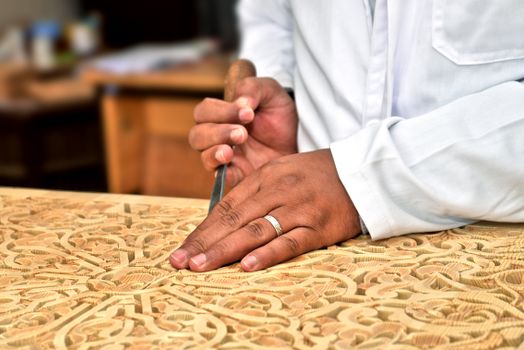
The scent of cedarwood and beeswax hung heavy in the air, a comforting, earthy embrace. Around me, the soft clinking of tools against metal punctuated the quiet concentration of a dozen students. I was in a small, tucked-away workshop in Ubud, Bali, attempting to coax molten silver into a delicate, intricate ring. My hands, usually glued to a keyboard, felt clumsy yet alive, utterly absorbed in the ancient dance of fire and metal. It was a far cry from my usual travel routine of hurried sightseeing and photo ops, and it was, without a doubt, one of the most profoundly enriching experiences I’ve ever had.
That day, something shifted. I realized that while seeing the world is incredible, experiencing it – truly engaging with its history, its people, and its timeless skills – is transformative. In an increasingly digital, fast-paced world, there's a growing hunger for authenticity, for the tangible, for the connection that comes from creating something with your own hands. This isn't just a travel trend; it's a movement towards "slow travel," "mindful making," and a deep appreciation for the artisan. And guess what? Ancient crafts are having a serious moment.
From the meditative art of Japanese Kintsugi to the vibrant textile traditions of Mexico, travelers are seeking out workshops where they can learn skills passed down through generations. These aren't just classes; they're portals to cultural understanding, a digital detox, and a chance to bring home a truly unique, soul-crafted souvenir. Ready to trade your screen time for skill time? Join me as we explore some of the most captivating artisan workshops around the globe where ancient crafts are trending right now.
The Magic of Mending & Mindfulness: Kintsugi & Japanese Pottery
There’s a profound beauty in imperfection, a philosophy beautifully embodied by Kintsugi, the Japanese art of repairing broken pottery with lacquer dusted or mixed with powdered gold, silver, or platinum. Instead of hiding the breakage, Kintsugi highlights it, making the mended object even more beautiful and unique. It’s not just a repair technique; it’s a metaphor for life, embracing flaws and celebrating resilience.
My first encounter with Kintsugi was in a small, sun-drenched studio in Kyoto. I’d always been drawn to the minimalist elegance of Japanese pottery, but the idea of intentionally breaking a piece and then meticulously mending it felt almost rebellious. Yet, as I carefully applied the urushi lacquer to a ceramic bowl I’d accidentally dropped (or perhaps, intentionally, for the sake of the lesson!), a sense of calm washed over me. Each brushstroke was deliberate, each sprinkle of gold dust a quiet meditation. The final piece wasn't just a bowl; it was a story of transformation, a testament to enduring beauty.
Beyond Kintsugi, traditional Japanese pottery, or yakimono, offers an equally meditative experience. From hand-building techniques like coiling and pinching to throwing clay on a potter’s wheel, these workshops allow you to connect with the earth and your own creativity. The tactile sensation of the clay, the rhythmic spin of the wheel – it’s a truly grounding experience.
Where to Learn:
* Kyoto, Japan: Home to numerous traditional craft studios.
* Workshop Idea: Kyo-yakimono Kyo-Kiyomizu-yaki Dento Sangyo Kaikan (Kyoto Traditional Arts & Crafts Center) often hosts pottery classes. For Kintsugi, look for specialized studios like Urushi Kobo or Kintsugi Kyoto which offer English-friendly sessions.
* Estimated Price: Pottery classes start from ¥3,000 - ¥6,000 (approx. $20-$40 USD) for a 1-2 hour session. Kintsugi workshops can range from ¥8,000 - ¥15,000 (approx. $55-$100 USD) for a half-day session, depending on the piece and materials.
* Details: Many workshops require advance booking, especially for Kintsugi as it involves specific materials and curing times. You'll often be able to pick up your finished pottery after firing (which can take a few weeks) or have it shipped.
Practical Tips:
* Book Ahead: Especially for Kintsugi, as it's a specialized skill.
* Patience is Key: Both pottery and Kintsugi require patience and a willingness to embrace imperfections.
* Shipping: If you’re traveling, ask about international shipping options for your finished pieces.
Weaving Stories in Color: Natural Dyeing & Textiles of Oaxaca
Stepping into the weaving villages of Oaxaca, Mexico, is like entering a kaleidoscope of color and history. The Zapotec people of Oaxaca, particularly in Teotitlán del Valle, have been master weavers for centuries, passing down intricate techniques and the ancient art of natural dyeing from generation to generation. This isn't just about making rugs; it's about telling stories, preserving heritage, and creating art from the earth itself.
I remember visiting a family workshop in Teotitlán, the air thick with the earthy scent of wool and the faint aroma of cochineal. A kind-faced woman, her hands calloused from years of work, demonstrated how they extract vibrant reds from tiny cochineal insects, deep blues from indigo plants, and sunny yellows from marigolds. It was mesmerizing to watch her dip skeins of raw wool into bubbling vats, transforming them into a rainbow of natural hues. Then, it was my turn.
Sitting at a loom, my fingers fumbling with the intricate patterns, I felt a deep connection to the generations of artisans who had sat in this very spot. The rhythmic click-clack of the shuttle, the feel of the hand-spun wool – it was a sensory symphony. While I didn't leave with a masterpiece rug, I left with a newfound appreciation for the immense skill, patience, and cultural significance woven into every thread.
Where to Learn:
* Teotitlán del Valle, Oaxaca, Mexico: The heartland of Zapotec weaving.
* Workshop Idea: Many family-run workshops offer demonstrations and hands-on experiences. Look for renowned families like the Maestros del Taller de Tapetes Zapotecas (Casa Santiago) or Bii Dauu. They often offer short workshops where you can try your hand at dyeing and basic weaving.
* Estimated Price: Demonstrations are often free or very low cost, with the expectation you might purchase a piece. Hands-on natural dyeing or weaving workshops can range from MXN 500 - MXN 1,500 (approx. $30-$90 USD) for a half-day session.
* Details: It's best to visit the village and speak directly with artisans. Many workshops are informal and incredibly welcoming.
Practical Tips:
* Go Local: Seek out family-run workshops to ensure your money directly supports the artisans and their community.
* Ask Questions: The weavers are often happy to share their knowledge and stories.
* Ethical Souvenirs: If you buy a rug, know that you’re investing in a piece of art and a family's livelihood.
Elegance in Every Stitch: Florentine Leather Crafting
Florence, Italy, isn't just a city of Renaissance art and exquisite cuisine; it's also the undisputed capital of fine leather craftsmanship. The tradition of working with leather dates back centuries, with guilds of artisans perfecting techniques that blend durability with unparalleled elegance. From sumptuous handbags to bespoke wallets, Florentine leather goods are renowned worldwide, and learning the craft here is like stepping into a living museum.
The moment I walked into a small bottega (workshop) near the Ponte Vecchio, the rich, intoxicating scent of tanned leather enveloped me. Tools of every shape and size hung neatly on pegboards, and rolls of leather in every shade imaginable were stacked floor to ceiling. My instructor, a jovial man with calloused hands and a twinkle in his eye, spoke passionately about the history of Florentine leather.
Our task was to create a simple leather wallet. Simple, in theory. The precision required for cutting, beveling edges, and especially the saddle-stitching, was astounding. Each stitch had to be perfectly even, perfectly tight. My fingers ached, but the satisfaction of seeing a flat piece of hide transform into a functional, beautiful object was immense. It wasn't just about the finished product; it was about the discipline, the attention to detail, and the respect for the material that has defined Florentine craftsmanship for generations.
Where to Learn:
* Florence, Italy: The historic center is dotted with workshops.
* Workshop Idea: Scuola del Cuoio (The Leather School) at Santa Croce Basilica is perhaps the most famous, offering various courses from short introductions to multi-week intensives. Smaller, independent artisan workshops like Pelletteria Artigiana Vivoli or those found around the Oltrarno district also offer private lessons.
* Estimated Price: A half-day introductory workshop can cost €100 - €250 (approx. $110-$270 USD), depending on the complexity of the item you create.
* Details: Many workshops include all materials, and you get to take your creation home. Booking well in advance is highly recommended, especially for the more popular schools.
Practical Tips:
* Look for Authenticity: Ensure the workshop uses genuine Italian leather and traditional techniques.
* Small Groups: Smaller class sizes often mean more personalized instruction.
* Shipping: If you create a larger item, inquire about shipping services.
Forging Beauty: Balinese Silver Smithing
Bali, the "Island of the Gods," is not only famous for its spiritual beauty and lush landscapes but also for its incredibly intricate and unique silversmithing traditions. The village of Celuk, near Ubud, has been the epicenter of Balinese silver and gold crafting for centuries. Balinese jewelry is characterized by its delicate filigree work, granular ornamentation, and often features spiritual symbols and motifs inspired by nature.
My experience with Balinese silversmithing in Ubud was a delightful surprise. I'd always admired the jewelry but never imagined I could create it myself. The workshop was open-air, surrounded by verdant rice paddies, and the air buzzed with the gentle hum of grinders and the occasional tap of a hammer. My instructor, a soft-spoken Balinese man named Wayan, patiently guided me through the process.
We started with a simple silver sheet, learning to cut, file, solder, and polish. The heat from the blowtorch was intimidating at first, but with Wayan’s calm guidance, I soon found myself confidently melting tiny silver granules onto a base, creating intricate patterns. The moment my finished ring, still warm from polishing, gleamed in the sunlight, I felt an immense sense of accomplishment. It was a tangible piece of Bali, infused with my own effort and a bit of Wayan’s ancient wisdom.
Where to Learn:
* Ubud & Celuk Village, Bali, Indonesia: The best places for silver workshops.
* Workshop Idea: Many studios in Ubud offer daily workshops. Look for places like Chez Monique Jewelry Workshop, Pondok Pekak Library & Learning Centre (which offers a variety of crafts), or WS Art Studio. In Celuk, many family workshops welcome visitors.
* Estimated Price: Workshops typically range from IDR 400,000 - IDR 800,000 (approx. $25-$50 USD) for a 3-4 hour session, often including a certain weight of silver.
* Details: Workshops usually include all materials and tools. You'll often design your own piece or choose from a selection of templates.
Practical Tips:
* Dress Comfortably: You’ll be working with tools and heat.
* Design Ahead: Think about a simple design you’d like to create to maximize your time.
* Safety First: Listen carefully to your instructor regarding tool usage and safety precautions.
The Art of the Page: Traditional Papermaking & Bookbinding
In a world dominated by digital screens, there's something incredibly grounding and beautiful about the ancient art of papermaking and bookbinding. The tactile pleasure of a handcrafted sheet of paper, the unique patterns of marbling, or the sturdy elegance of a hand-bound book – these crafts offer a serene escape and a connection to centuries of knowledge.
I’ve had the privilege of experiencing two distinct forms of this art. First, in a quiet corner of Kyoto, I delved into Washi papermaking. Washi, meaning "Japanese paper," is renowned for its strength, durability, and delicate beauty, made from the inner bark of gampi, mitsumata, or kozo bushes. The process was surprisingly physical, involving the rhythmic dipping of a screen into a vat of pulp, shaking it just so, and then carefully pressing and drying the delicate sheets. Holding a freshly made sheet of washi, so thin yet so resilient, was like holding a whisper of history.
Later, in the enchanting labyrinth of Venice, I discovered the vibrant world of marbled paper. This art form, often associated with bookbinding, involves floating pigments on a viscous solution and then transferring the resulting patterns onto paper. The studio, filled with the aroma of paints and old paper, felt magical. Watching the master artisan deftly swirl colors into intricate designs on the water’s surface, then gently lay a sheet of paper to capture the ephemeral pattern, was pure artistry. When it was my turn, my patterns were a little chaotic, but the joy of creating something so uniquely beautiful was immense.
Where to Learn:
* Kyoto, Japan (Washi):
* Workshop Idea: Kamisuki-ya (Paper-making Studio) or Ueda Paper offer workshops.
* Estimated Price: From ¥2,500 - ¥5,000 (approx. $17-$35 USD) for a 1-2 hour session.
* Venice, Italy (Marbled Paper/Bookbinding):
* Workshop Idea: Il Papiro (multiple locations in Venice) is famous for its marbled paper and offers short workshops. Smaller bookbinding studios in the Dorsoduro district also offer classes.
* Estimated Price: Marbling workshops can range from €60 - €120 (approx. $65-$130 USD) for a 1-2 hour session.
* Details: Both experiences are highly visual and incredibly satisfying. You'll take home your unique paper creations.
Practical Tips:
* Wear an Apron: Especially for marbling, colors can splash!
* Creative Uses: Think about how you’ll use your handmade paper – for letters, art, or even framed as a unique souvenir.
Capturing Scents of History: Ancient Perfume Blending
Imagine crafting your own signature scent, not with modern chemicals, but with the time-honored techniques and natural essences that perfumers have used for centuries. Grasse, France, nestled in the hills of Provence, is the historic capital of the world’s perfume industry. Here, the art of extracting and blending fragrances dates back to the 16th century, and you can still learn the secrets of the "noses" who create these olfactory masterpieces.
My journey into perfume blending in Grasse was a sensory overload in the best possible way. The air was thick with the heady aromas of jasmine, rose, lavender, and countless other botanical extracts. At the workshop, rows of small glass bottles, each containing a concentrated essence, lined the tables. Our instructor, a seasoned perfumer, spoke of top, middle, and base notes, of harmonies and contrasts, guiding us through the complex world of scent creation.
It was an intensely personal experience. I started with a vision – a light, airy scent reminiscent of a Mediterranean garden. Slowly, drop by precious drop, I combined essences, sniffing, adjusting, and refining. The process was incredibly intimate, reflecting my own preferences and memories. Leaving with a small bottle of "my" perfume, a scent that existed nowhere else in the world, felt like carrying a secret, a bottled memory of Grasse, and a testament to an ancient art form that continues to captivate.
Where to Learn:
* Grasse, France: The perfume capital of the world.
* Workshop Idea: Historic perfume houses like Molinard, Fragonard, and Galimard all offer "apprentice perfumer" workshops where you can create your own eau de parfum.
* Estimated Price: Workshops typically range from €50 - €90 (approx. $55-$100 USD) for a 1-2 hour session, including your custom 50ml bottle of perfume.
* Details: These workshops are incredibly popular, so booking well in advance is essential. They are usually offered in multiple languages.
Practical Tips:
* Clear Your Senses: Avoid wearing strong perfumes or heavily scented lotions on the day of your workshop.
* Trust Your Nose: Don't be afraid to experiment, but also trust your initial instincts.
* Take Notes: Jot down the essences you used and their proportions, so you can recreate or refine your scent in the future!
Why These Ancient Crafts Are Trending (and Why You Should Try Them!)
It's no accident that these ancient crafts are seeing a resurgence in popularity. They tap into several deep-seated desires that modern life often leaves unfulfilled:
- Digital Detox & Mindfulness: Stepping away from screens and engaging your hands and mind in a focused, creative task is incredibly therapeutic. It's a true form of mindfulness.
- Authentic Connection: These workshops offer a genuine connection to local culture, history, and the artisans who keep these traditions alive.
- Skill Acquisition: There's immense satisfaction in learning a new skill, however basic, and understanding the mastery behind everyday objects.
- Unique Souvenirs: Forget mass-produced trinkets. A piece you've crafted yourself is the ultimate, most personal souvenir – a story in an object.
- Sustainability & Slow Travel: Engaging in artisan crafts aligns with sustainable travel principles, supporting local economies and promoting a slower, more intentional way of experiencing a destination.
- Instagram-Worthy Moments: Let's be honest, the process of creation, the beautiful materials, and your finished masterpiece make for incredible, shareable content!
Practical Tips for Finding and Booking Your Own Artisan Workshop Adventure
Ready to roll up your sleeves? Here's how to make your artisan workshop dreams a reality:
- Research, Research, Research: Start with travel blogs (like Tripsora!), local tourism websites, and specialized craft tourism platforms. Instagram and Pinterest are also great for visual inspiration and finding local studios.
- Read Reviews: Look for workshops with good reviews, especially those that mention patient instructors and a welcoming atmosphere for beginners.
- Book in Advance: Popular workshops, especially in peak season, fill up quickly. Don't leave it to the last minute.
- Ask Questions: Before booking, clarify what's included (materials, tools, finished product), the class size, language spoken, and cancellation policy.
- Be Open-Minded: You might not become a master artisan in a few hours, but the experience itself is the true reward. Embrace the learning process and enjoy the journey.
- Support Local Artisans: Choose workshops run by local families or independent artisans to ensure your money directly contributes to the preservation of their craft and community.
- Consider Language Barriers: Many workshops in popular tourist destinations offer classes in English, but it's always good to confirm. A language barrier can sometimes enhance the experience, forcing you to communicate through gestures and shared passion!
Conclusion: Your Hands, Your Story, Your Next Adventure
My journey into the world of artisan workshops has redefined travel for me. It's no longer just about seeing new places; it's about doing new things, creating new memories, and connecting with the world in a profoundly authentic way. Each workshop, each craft, has left me with not just a tangible object, but a deeper understanding of a culture, a newfound respect for human ingenuity, and a quiet sense of accomplishment.
These ancient crafts, far from being relics of the past, are thriving, offering a powerful antidote to the digital age. They invite us to slow down, engage our senses, and rediscover the joy of making. So, what craft will you learn next? Will you mend a broken pot with gold in Kyoto, weave a story in Oaxaca, or blend your own unique scent in Grasse? The world of artisan workshops awaits your touch, your creativity, and your story.
Share your experiences! What ancient craft have you learned on your travels, or what's on your bucket list? Let us know in the comments below!
---