Beyond the Postcard: Why Ancient Rituals Are Your Next Must-Do Travel Trend
I remember standing on a crowded beach in Bali, the sun setting in a blaze of orange and purple. It was beautiful, undeniably. But as I scrolled through my phone, looking at countless identical sunset photos, a familiar feeling crept in – that itch for something more. I’d seen the temples, tasted the local food, and haggled for souvenirs. Yet, I felt a disconnect, a nagging sense that I was merely skimming the surface of a vibrant culture.
That feeling, I’ve learned, is shared by many modern travelers. We’re moving beyond just ticking off landmarks. We crave authenticity, connection, and experiences that resonate deep within our souls. And that’s precisely why ancient rituals are not just surviving, but thriving as the latest travel trend. These aren't just historical reenactments; they are living traditions, profound practices passed down through generations, offering a rare glimpse into the spiritual heart of a destination.
From the cleansing waters of Bali to the smoky depths of a Mexican temazcal, these ceremonies offer a chance to pause, reflect, and even participate in moments of profound spiritual significance. They force you to be present, to engage your senses, and to open your heart to a perspective far removed from your everyday life. Ready to swap your selfie stick for a soul-stirring experience? Let’s dive into some incredible ancient rituals you can witness firsthand, and perhaps even join, right now.
---
1. Bali's Cleansing Waters: The Melukat Purification Ceremony
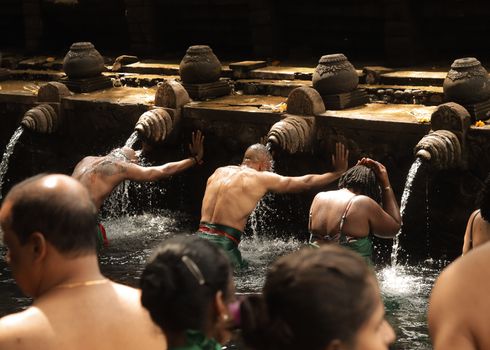
My first Melukat ceremony in Bali was nothing short of a rebirth. I arrived at Tirta Empul, the sacred water temple, feeling a mix of nerves and excitement. Locals, dressed in traditional sarongs, moved with quiet reverence, their faces reflecting a deep sense of purpose. My guide, Wayan, a gentle man with a warm smile, helped me understand each step.
The Melukat is a Balinese Hindu purification ritual designed to cleanse the body, mind, and spirit of negative influences, bringing balance and clarity. It’s believed that the holy waters wash away sins and heal ailments. You approach a series of spouts, each representing a different blessing or purification, dunking your head under the flowing water, offering prayers, and letting go.
As the cool, clear water streamed over me, washing away the heat and the mental clutter, I felt an incredible sense of peace. The air was thick with the scent of incense and frangipani, the sounds of chanting and trickling water creating a meditative rhythm. It wasn't just a bath; it was an emotional release, a profound moment of surrender and renewal.
Where to Experience:
* Tirta Empul Temple, Tampaksiring: The most famous and accessible, with multiple purification spouts. Expect crowds, but the energy is palpable.
* Sebatu Holy Water Temple (Pura Dalem Pingit & Pura Beji): A quieter, more intimate alternative, often favored by locals.
* Local Village Temples: Many villages have their own sacred springs. A local guide can often arrange a private, more authentic experience.
How to Participate:
You’ll need to wear a traditional sarong and sash (available for rent or purchase at the temples). It’s respectful to go with a local guide who can explain the process, help you with offerings (canang sari), and ensure you follow proper etiquette. Approach each spout with intention and a prayer.
Cost & Practical Tips:
* Cost: Temple entrance fee (around IDR 15,000-50,000 / $1-$3 USD), sarong rental (IDR 10,000-20,000), and a donation for your guide (IDR 100,000-300,000 / $6-$20 USD is fair, depending on duration).
* Best Time: Early morning (before 9 AM) or late afternoon to avoid the biggest crowds.
* What to Bring: A change of clothes, towel, and an open heart.
* Respect: Be mindful of your attire, behavior, and photography. This is a sacred place.
Instagram-Worthy Moment:
The serene temple architecture, the intricate offerings floating in the water, and the calm, meditative expressions of participants under the spouts create truly breathtaking and meaningful visuals.
---
2. Varanasi's Fiery Devotion: The Ganga Aarti
Varanasi. Just the name conjures images of ancient spirituality, vibrant chaos, and profound devotion. And at the heart of it all is the Ganga Aarti, a mesmerizing Hindu fire worship ceremony performed nightly on the banks of the sacred Ganges River. My first time witnessing it, I was utterly overwhelmed – in the best possible way.
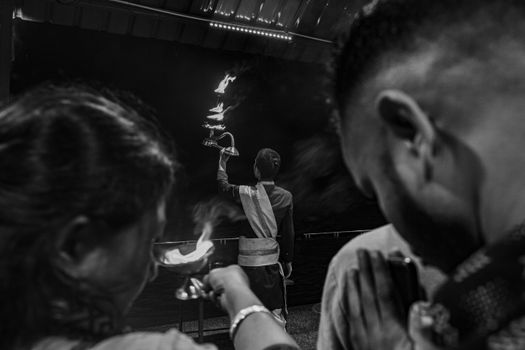
As dusk settled, the Dashashwamedh Ghat transformed. Priests, adorned in saffron robes, took their positions on elevated platforms, facing the river. The air filled with the scent of incense, the rhythmic clang of cymbals, the booming sound of conch shells, and the collective hum of devotion from thousands of pilgrims. Then, the fires began. Massive brass lamps, many-tiered and adorned with flowers, were lit and swung in intricate, synchronized patterns, their flames dancing against the twilight sky.
It’s a sensory explosion: the heat of the fire, the hypnotic chanting, the sight of the river reflecting the flickering lights, the feeling of being swept up in a tide of collective faith. I watched from a small boat, mesmerized, feeling a primal connection to something ancient and immense. It’s not just a ceremony; it’s a living prayer, a spectacle of unwavering faith that will leave an indelible mark on your soul.
Where to Experience:
* Dashashwamedh Ghat, Varanasi, India: This is the main and most famous location for the Ganga Aarti.
How to Witness:
* From a Boat: Many touts offer boat rides on the Ganges during the Aarti. This provides an excellent vantage point and allows you to absorb the atmosphere from a slightly removed perspective. Negotiate the price beforehand.
* From the Ghat: You can also find a spot directly on the ghat, but arrive at least an hour early to secure a good view, as it gets incredibly crowded.
Cost & Practical Tips:
* Cost: Watching from the ghat is free. Boat rides typically range from INR 100-300 ($1.50-$4 USD) per person, but can be higher during peak season or for private boats.
* Best Time: Daily, just after sunset (check local timings, usually between 6 PM and 7 PM). Arrive early!
* What to Bring: Be mindful of your belongings in the crowds. A camera is a must, but remember to be respectful.
* Respect: Dress modestly, be aware of your surroundings, and embrace the vibrant, sometimes overwhelming, energy.
Instagram-Worthy Moment:
The fiery lamps against the darkening sky, the silhouettes of devotees, the reflections on the Ganges, and the sheer scale of the crowd create incredibly dramatic and powerful photographs.
---
3. The Art of Serenity: Japanese Tea Ceremony (Chanoyu)
Stepping into a traditional Japanese tea house in Kyoto felt like entering a different dimension. The minimalist aesthetic, the hushed tones, the delicate scent of tatami mats and matcha – it was an immediate antidote to the bustling city outside. The Japanese Tea Ceremony, or Chanoyu, is far more than just drinking tea; it’s a meditative art form, a ritual of mindfulness, respect, and aesthetic appreciation.
My host, a graceful woman in a kimono, moved with incredible precision, each gesture deliberate and beautiful. She purified the utensils, whisked the vibrant green matcha, and presented it with a bow. The entire process, from the first purification of the tea bowl to the final sip, emphasized harmony, respect, purity, and tranquility – the four principles of Chanoyu.
Sipping the slightly bitter, earthy matcha, I felt a profound sense of calm. It was a moment of complete presence, where every detail, from the warmth of the bowl in my hands to the subtle flavor of the tea, was heightened. This ritual isn't about speed or efficiency; it's about slowing down, connecting with the present moment, and appreciating the beauty in simplicity.
Where to Experience:
* Kyoto: Known for its numerous traditional tea houses and temples offering tea ceremony experiences (e.g., Shoren-in Temple, En Tea House).
* Tokyo: Several high-end hotels and cultural centers also offer experiences.
* Ryokans (Traditional Inns): Many traditional Japanese inns include a simplified tea ceremony as part of their hospitality.
How to Participate:
Book a formal tea ceremony experience. Many are specifically designed for tourists, offering explanations in English. Look for reputable tea houses or cultural centers. Some experiences allow you to simply observe, while others invite you to participate in whisking your own tea.
Cost & Practical Tips:
* Cost: Varies widely, from ¥3,000 to ¥15,000+ ($20-$100+ USD) depending on the formality, duration, and inclusions (e.g., wagashi sweets, English explanation).
* Best Time: Anytime, but booking in advance is essential, especially for popular venues.
* What to Bring: Wear comfortable clothing, as you might be sitting on tatami mats. Remove your shoes before entering.
* Respect: Follow the host’s instructions, appreciate the silence, and avoid loud conversations. Turn off your phone.
Instagram-Worthy Moment:
The exquisite presentation of the tea and sweets, the elegant movements of the host, the serene garden views from the tea house, and the beautiful traditional utensils make for stunning, tranquil photos.
---
4. Earth's Embrace: Peruvian Pachamama Despacho Offering
High in the Peruvian Andes, surrounded by the majestic peaks of the Sacred Valley, I participated in a Pachamama Despacho ceremony that felt like a direct conversation with the earth itself. Our guide, a local Quechua shaman named Juan, led us to a quiet spot overlooking a breathtaking vista. The air was thin and crisp, carrying the scent of mountain herbs.
The Despacho is an ancient Andean ritual of gratitude and reciprocity to Pachamama (Mother Earth). It’s a beautifully intricate offering, a symbolic 'prayer bundle' made from various natural elements – coca leaves, seeds, flowers, sweets, even silver foil – each representing a specific intention or prayer. Juan meticulously arranged each item, explaining its significance, while chanting softly in Quechua.
As we each added our personal offerings and intentions, I felt a deep connection to the land beneath my feet and the vast sky above. It was a humble yet powerful act of giving thanks for the bounty of the earth and asking for balance and harmony. The ceremony culminated with the carefully wrapped bundle being ritually burned or buried, returning our prayers to Pachamama. It was a deeply grounding and emotionally moving experience, reminding me of our interconnectedness with nature.
Where to Experience:
* Sacred Valley, Cusco, Peru: Many spiritual retreats, trekking companies, and local shamans in this region offer Despacho ceremonies.
* Machu Picchu Area: Sometimes included as part of multi-day treks or spiritual tours.
How to Participate:
Seek out reputable tour operators or spiritual guides who work directly with local shamans. It’s crucial to find someone authentic and respectful of the tradition. Often, these ceremonies are offered as part of a larger spiritual retreat or a special add-on to a trek.
Cost & Practical Tips:
* Cost: Often included in the price of a spiritual retreat or a multi-day trek (e.g., $50-$150 USD extra). If arranged directly with a shaman, expect a donation or fee (negotiable).
* Best Time: Anytime, but the dry season (May-September) offers clearer skies and better trekking conditions.
* What to Bring: Warm layers (even in summer, the mountains get cold), water, and an open mind.
* Respect: Approach the ceremony with reverence. Listen attentively to the shaman and follow their guidance. Learn a few basic Quechua phrases like "Pachamama" (Mother Earth) and "Sulpayki" (Thank you).
Instagram-Worthy Moment:
The stunning Andean backdrop, the vibrant colors of the offerings, the intricate details of the bundle, and the solemnity of the shaman make for incredibly evocative and powerful images.
---
5. Ethiopian Coffee Ceremony: A Daily Ritual of Connection
In Ethiopia, coffee isn't just a beverage; it's a profound daily ritual, a cornerstone of social life and hospitality. My first Ethiopian coffee ceremony was in a small, bustling restaurant in Addis Ababa, and it quickly became one of my favorite memories. It was a slow, deliberate dance of preparation, inviting connection and conversation.
A woman, often the hostess, in traditional dress, began by scattering fresh grass and flowers on the floor, then burning frankincense to cleanse the air. She then carefully washed and roasted green coffee beans over a charcoal brazier, the rich aroma slowly filling the room. The crackling beans and the rising smoke were mesmerizing. After roasting, she ground the beans with a mortar and pestle, then brewed the coffee in a beautiful black clay pot called a jebena.
The coffee is served in small, handleless cups, usually three rounds, each round offering a different strength and flavor. With each cup, conversation flowed, stories were shared, and friendships were forged. It's an unhurried, communal experience that celebrates hospitality and the simple pleasure of shared moments. It taught me the true meaning of slowing down and savoring the present.
Where to Experience:
* Throughout Ethiopia: In homes (if you're invited!), local restaurants, hotels, and even some markets. It's a ubiquitous part of Ethiopian life.
* Addis Ababa: Many traditional restaurants specifically offer it for guests.
How to Participate:
Simply ask! Many restaurants will be delighted to perform a ceremony for you. If you're staying at a guesthouse or hotel, inquire if they offer it. The best experiences are often those shared with locals in a casual setting.
Cost & Practical Tips:
* Cost: Often complimentary if you're dining at a restaurant, or a small fee (e.g., ETB 50-150 / $1-$3 USD) for the ceremony itself.
* Best Time: Anytime of day, it's a daily ritual.
* What to Bring: An appetite for strong coffee and an open mind for conversation.
* Respect: It’s polite to accept at least three cups of coffee (known as abol, tona, and baraka). Be patient, as the process is unhurried. Engage in conversation; it's a social event.
Instagram-Worthy Moment:
The beautiful jebena pot, the incense smoke curling upwards, the vibrant green grass and flowers, the roasting beans, and the intimate setting of shared cups create a very authentic and evocative visual story.
---
6. Rebirth in the Steam: Mexico's Temazcal Sweat Lodge
My journey into the temazcal in Mexico’s Riviera Maya was one of the most intense and transformative experiences of my life. A temazcal is an ancient Mesoamerican sweat lodge, used for physical, mental, and spiritual purification. It’s a sacred ceremony, a return to the womb of Mother Earth, guided by a temazcalero (ceremony leader).
We entered a small, domed structure, built from volcanic rock, and sat in a circle in the complete darkness. Hot volcanic rocks, known as abuelitas (grandmothers), were brought in and placed in a central pit, then doused with herb-infused water, creating dense, aromatic steam. The temazcalero chanted, sang, and guided us through meditations, encouraging us to release fears, anxieties, and anything that no longer served us.
The heat was profound, the darkness absolute, and the experience deeply personal. It was challenging, yet incredibly liberating. As I emerged from the temazcal, drenched in sweat but feeling incredibly light and clear-headed, it felt like a true rebirth. My senses were heightened, my mind still, and my spirit renewed. It's a powerful detox for body and soul, connecting you to ancient healing wisdom.
Where to Experience:
* Riviera Maya (Playa del Carmen, Tulum): Many eco-resorts and dedicated spiritual centers offer temazcal ceremonies.
* Oaxaca & San Miguel de Allende: Also known for authentic temazcal experiences.
How to Participate:
Book through a reputable eco-resort, wellness center, or a certified temazcalero. Do your research to ensure the experience is authentic and safely conducted. Some experiences are more tourist-oriented, while others are deeply spiritual.
Cost & Practical Tips:
* Cost: Typically ranges from $50-$150 USD, depending on the location, duration, and inclusions (e.g., post-ceremony meal, cold plunge).
* Best Time: Can be done anytime. Evening ceremonies are popular.
* What to Bring: Swimwear, a towel, and comfortable clothes for after.
* Respect: Hydrate well before and after. Listen carefully to the temazcalero's instructions. If you feel overwhelmed by the heat, you can ask to step out, but try to push through if you feel comfortable. It’s an intense but rewarding experience.
Instagram-Worthy Moment:
The unique dome structure, the steam rising, the natural setting (often in a jungle or by the sea), and the sense of transformation post-ceremony create compelling and raw visual content.
---
Embrace the Journey: Your Call to Connection
These ancient rituals are more than just tourist attractions; they are gateways to understanding, healing, and profound personal growth. In a world that often feels fast-paced and superficial, seeking out these authentic experiences offers a chance to slow down, connect with something larger than yourself, and discover a deeper meaning in your travels.
Responsible travel is key here. Always approach these ceremonies with respect, humility, and an open heart. Support local communities by choosing ethical guides and operators. And remember, the goal isn't just a great photo, but a genuine connection.
Which ancient ritual will you seek out first? The cleansing waters of Bali, the fiery devotion of Varanasi, the serene art of the Japanese tea ceremony, the earthy gratitude of a Pachamama offering, the communal warmth of an Ethiopian coffee ceremony, or the transformative steam of a Mexican temazcal?
Share your thoughts and experiences in the comments below! And don't forget to tag #TripsoraRituals on your social media posts when you embark on your own spiritual journey. Let's inspire each other to travel deeper.
---