Hidden Ancient Grain Farms: Heritage Varieties Emerging This Year
I stepped off the train, the crisp morning air carrying the faint, intoxicating scent of sun-baked earth and something subtly sweet, almost nutty. It wasn't the perfume of lavender fields or the brine of the sea; this was the fragrance of time itself, of seeds that had whispered their stories through generations. This year, the culinary world is buzzing about a quiet revolution, a rediscovery of grains that predate modern agriculture, and I was on a mission to find the farms where this edible heritage is not just surviving, but thriving.
The Allure of the Ancient: More Than Just Food, It's a Legacy
For millennia, humans have cultivated grains. But somewhere along the line, efficiency and yield took precedence over diversity and resilience. We've narrowed our agricultural palate, relying on a handful of genetically uniform crops. Ancient grains, however, represent a vast, untapped reservoir of flavor, nutrition, and genetic diversity. They are the ancestors of our modern wheat, corn, and rice, boasting unique characteristics that are now being rediscovered by forward-thinking farmers and chefs. This year, these heritage varieties are emerging from obscurity, offering a taste of the past that's surprisingly relevant for our future.
Why This Year is Special: A Renaissance of Resilience
What makes this year different? It's a confluence of factors: a growing consumer demand for authentic, sustainable food; increased awareness of the fragility of our current food systems; and a dedicated community of farmers committed to preserving these precious heirloom varieties. These aren't just nostalgic crops; they are often more nutritious, drought-resistant, and adapted to local climates, making them crucial for building a more resilient food future. The "emerging" aspect signifies their transition from niche curiosities to celebrated ingredients, gaining recognition and a place on our plates.
Journey to the Source: Unearthing the Farms
My quest led me to remote corners of the countryside, to places where the rhythm of life is dictated by the sun and the seasons, not the stock market. These aren't your typical manicured tourist attractions. They are working farms, often family-run, where the land itself is the most valuable artifact.
Farm Spotlight 1: The Whispering Wheat Fields of Tuscany
Imagine rolling hills painted in hues of gold and amber, stretching as far as the eye can see. Here, in the heart of Tuscany, I found Signora Elena, a woman whose hands, gnarled like ancient olive branches, have been tending to fields of farro monococcum (einkorn) for over fifty years. She speaks of it not as a crop, but as a "gift from the earth," a grain so ancient it was likely cultivated by the Etruscans.
Pro-Tip:
Signora Elena's farm offers small-group tasting sessions (book well in advance!). Arrive around 9 AM to witness the morning dew on the stalks and enjoy a breakfast of her freshly baked einkorn bread with local olive oil. The scent is divine!
Authenticity Check:
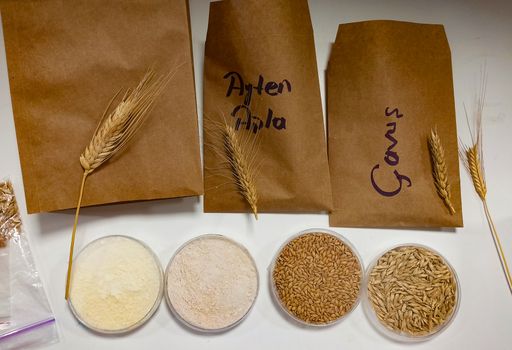
Elena doesn't just grow einkorn; she stone-grinds her own flour using a mill passed down through generations. You can feel the texture of the flour, coarser and richer than anything mass-produced. The bread has a delightful chew and a subtle, nutty sweetness that’s utterly captivating.
Farm Spotlight 2: The Crimson Corn of the Andes
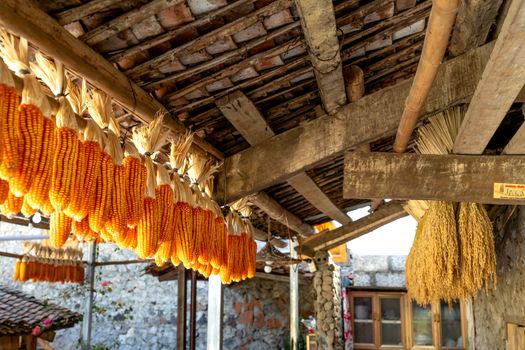
High in the Peruvian Andes, where the air is thin and the sun is fierce, I encountered a vibrant spectacle: fields of maíz morado (purple corn). This striking grain, with kernels the color of amethysts, has been a staple for indigenous communities for centuries. Farmer Mateo explained how this corn, rich in anthocyanins (the same antioxidants found in blueberries), is not only a nutritional powerhouse but also deeply woven into local culture, used in traditional drinks and dishes.
Pro-Tip:
Visit during the harvest season (typically April-May) for the most vibrant displays. Be prepared for high altitudes; acclimatize slowly and drink plenty of water. Mateo’s family offers homestays, providing an unparalleled immersion.
Insider Language:
Mateo referred to the corn as "semillas sagradas" (sacred seeds), emphasizing its spiritual and cultural significance. He showed me how to husk the cobs, the deep purple staining his fingers, a badge of honor for this ancient crop.
Farm Spotlight 3: The Resilient Rye of the Scottish Highlands
In the rugged, windswept landscapes of the Scottish Highlands, I discovered a farm dedicated to heritage rye. These hardy grains have a remarkable ability to thrive in challenging climates, a testament to their robust genetic makeup. Farmer Iain spoke passionately about rye's unique flavor profile – earthy, robust, and slightly spicy – and its resurgence in artisanal baking, particularly for sourdough.
Pro-Tip:
Iain hosts "Sourdough & Seed" workshops in the late summer (August-September). You’ll learn to bake with heritage rye and understand the nuances of its cultivation. Pack layers; the Highlands weather is famously unpredictable!
Authenticity Check:
Iain doesn't just grow rye; he's meticulously documented the different landraces he cultivates, each with its own subtle characteristics. The smell of his drying rye in the barn is a complex, earthy perfume that speaks of resilience.
The Farmer's Craft: Preservation Through Passion
These farmers are more than just cultivators; they are guardians of biodiversity. Their work involves meticulous seed saving, ensuring that these ancient varieties are not lost to genetic erosion. They understand the intricate relationship between soil health, climate, and crop resilience.
Seed Saving: The Art of Future Harvests
Seed saving is a painstaking process. Farmers meticulously select the best plants, ensuring purity and genetic integrity. They store seeds under precise conditions to maintain viability, a crucial step in preserving these forgotten foods for future generations. Many of these farms are part of larger networks dedicated to grain preservation, sharing knowledge and resources to safeguard our agricultural heritage.
Sustainable Practices: Nourishing the Land
Beyond seed saving, these farms champion sustainable agriculture. This often includes:
- Crop Rotation: To maintain soil fertility and break pest cycles.
- Minimal Tillage: Protecting soil structure and preventing erosion.
- Organic Methods: Avoiding synthetic pesticides and fertilizers.
- Water Conservation: Employing techniques suited to arid or drought-prone regions.
These practices not only benefit the environment but also contribute to the unique flavor profiles of the grains, as they are grown in harmony with their surroundings.
Experiencing the Harvest: Beyond the Plate
Visiting these ancient grain farms offers an experience that transcends a simple meal. It's a deep dive into agricultural history, a connection to the land, and a tangible way to support sustainable food systems.
Farm-to-Table Immersion
Many farms offer direct experiences:
- Farm Tours: Walk the fields, learn about the cultivation process, and understand the challenges and joys of growing heritage grains.
- Workshops: Participate in bread-making, milling, or cooking classes using the very grains you're learning about.
- Tasting Sessions: Savor the distinct flavors of different ancient grains, often paired with local artisanal products.
- Homestays: For the ultimate immersion, spend a few nights with the farming family, sharing meals and participating in daily life.
Pro-Tip:
Always inquire about farm-stay options when booking. It's the most authentic way to connect with the land and the people.
The Culinary Renaissance: Chefs Embrace the Ancient
The resurgence of ancient grains isn't just happening on farms; it's making waves in kitchens worldwide. Chefs are rediscovering the unique textures and flavors of emmer, khorasan (kamut), spelt, amaranth, and quinoa, incorporating them into innovative dishes. This growing demand incentivizes farmers to continue preserving these varieties and makes these farms vital destinations for culinary travelers.
Insider Language:
Chefs are talking about the "terroir" of grains – how the soil, climate, and farming practices impart distinct characteristics, much like wine. They appreciate the nutritional density and the absence of modern hybridization that can sometimes dilute flavor.
Planning Your Heritage Grain Adventure: Quick Facts
Embarking on a journey to these farms requires a bit of planning, but the rewards are immense.
| Feature | Estimated Cost ($) | Best Time to Visit | How to Get There |
| :------------------- | :----------------- | :------------------------- | :-------------------------------------------------------------------------------------------------------------------------------------------------------------------------------------------------------- |
| Tuscany, Italy | $$$ | Spring (April-June), Autumn (Sept-Oct) | Fly into Florence (FLR) or Pisa (PSA). Rent a car for flexibility to explore rural areas. Consider guided tours focusing on agriturismo. |
| Andes, Peru | $$ | Dry Season (May-October) | Fly into Cusco (CUZ). Arrange transport with local guides or tour operators; many farms are remote and require 4x4 access. Altitude acclimatization is crucial. |
| Scottish Highlands | $$$ | Summer (June-August) | Fly into Inverness (INV) or Edinburgh (EDI). Rent a car for self-drive exploration. Public transport is limited in remote areas. |
| Other European Regions (e.g., France, Spain) | $$ - $$$ | Varies by region, generally Spring/Autumn | Varies; research specific farm locations and nearest airports/train stations. Often accessible by car rental or with local transport arranged in advance. |
Note:
Costs are estimates and can vary widely based on accommodation, activities, and travel style. Booking directly with farms or through specialized eco-tourism operators can often provide better value and more authentic experiences.
The Future is Ancient: Why You Should Explore Now
These ancient grain farms represent more than just a travel trend; they are a vital part of our global agricultural heritage. By visiting them, you're not just enjoying a unique culinary experience; you're actively supporting farmers who are safeguarding biodiversity, promoting sustainable practices, and keeping alive the stories of our ancestors.
This year, step off the beaten path. Seek out the whispers of the past in the rustling stalks of heritage grains. Taste the resilience, the flavor, and the future of food. Your journey into the world of ancient grains is an adventure that nourishes the soul and the planet.