The Hook: A Secret Poured in Starý Poddvorov
I stepped off the two-car regional train in Starý Poddvorov, and the first thing that hit me wasn't the smell of fermenting grapes, but the crisp, yeasty aroma of fresh sourdough baking in a communal stone oven, mingled with the damp, mineral tang of rain-soaked loess soil.
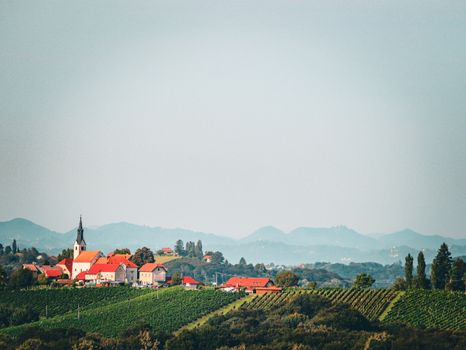
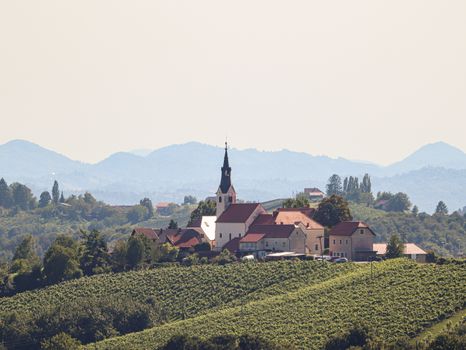
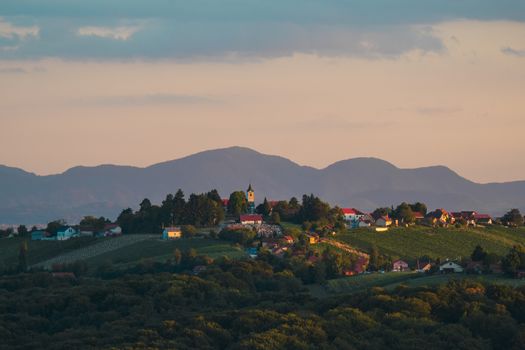
It was 6:00 AM in South Moravia, a pocket of the Czech Republic just a stone's throw from the Austrian border. There were no tour buses. No sleek, glass-fronted tasting rooms with corporate logos. Instead, there was a row of low-slung, whitewashed wine cellars—locally called sklepy—their doors painted in brilliant Prussian blue with hand-stroked floral motifs.
An elderly man in faded blue overalls, his hands stained purple from years of handling skin-contact Pinot Gris, waved me over. Without a word, he plunged a glass thief deep into an oak barrel and poured a cloudy, amber-hued liquid that tasted of dried apricots, crushed flint, and wild thyme.
This is the new frontier of wine travel. It is raw, incredibly affordable, and entirely free of pretense.
If you are tired of the commercialized Disney-fication of traditional wine routes, it is time to pack your bags for the regions that are quietly redefining what it means to travel for a bottle of wine. Here are the five wine regions no one talks about yet that are trending this summer.
---
1. Vipava Valley, Slovenia: The Wind-Swept Eden of Orange Wines
```
▲ Mount Nanos (Karst Plateau)
/ \
/ \ ◄--- The fierce Burja Wind (dries the vines, concentrates sugars)
/ \
--------------------------------------------------
☼ ☼ ☼ [Vipava Valley Floor] ☼ ☼ ☼
vipin pinela zelen (Indigenous low-intervention grapes)
--------------------------------------------------
```
While tourists crowd the shores of Lake Bled, wine geeks in the know slip south to the Vipava Valley. Flanked by the sheer limestone cliffs of the high Karst plateau, this narrow valley is shaped like a funnel, catching the fierce Burja (Bora) wind. This dry, violent wind is the winemaker's best friend: it sweeps away moisture, eliminating the need for chemical pesticides and allowing biodynamic farming to flourish naturally.
Vipava is the spiritual home of skin-contact white wines, commonly known as orange or amber wines. Winemakers here treat white grapes like reds, leaving the skins in contact with the fermenting juice for weeks, or even months, in giant oak casks or clay amphorae buried in the earth.
The Terroir & The Sip
The soil here is a mix of marl and sandstone, locally called opoka. This gives the wines a striking, chalky minerality.
- The Grape to Try: Zelen or Pinela. These are ancient, indigenous white varieties that almost went extinct. When vinified with brief skin contact, they yield a wine that smells of wild wildflower honey, rosemary, and white pepper, with a bone-dry, textured finish.
- The Vibe: Rustic stone villages clinging to steep hillsides, where every second house has a dried ivy branch (fritula) hanging over the door—a traditional sign that the family cellar is open for tastings.
> Pro-Tip: Drive to the tiny, medieval hilltop village of Goče at 6:30 PM. The village is a labyrinth of 60-plus stone-vaulted cellars. Look for the heavy oak door with a small brass keyhole behind the St. Andrew's chapel. This is the entrance to Cejkotova Domačija. Knock twice, and the owner, Aljoša, will lead you down to a candlelit cellar built in 1385 to taste his unfiltered, wild-fermented Malvazija paired with home-cured pršut.
---
2. South Moravia, Czech Republic: The Punk-Rock Pet-Nat Playground
For decades, the wine region of South Moravia was locked behind the Iron Curtain, forced to produce uninspired, high-yield sweet wines for state cooperatives. Today, a young generation of rebellious, well-traveled winemakers has reclaimed their ancestral soils, turning this sun-drenched pocket of the Czech Republic into one of the most exciting natural wine destinations in Europe.
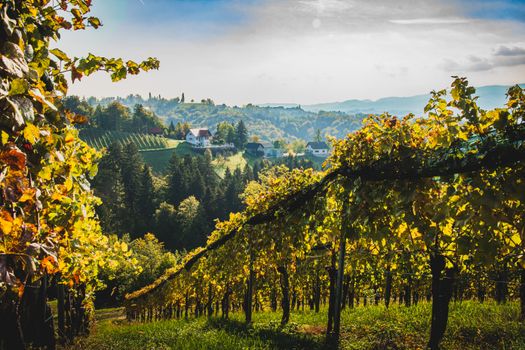
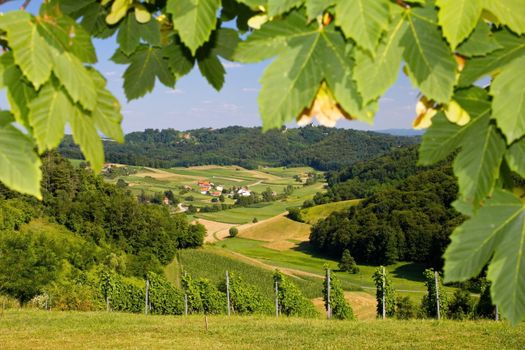
Centered around the villages of Velké Bílovice, Starý Poddvorov, and Mutěnice, the region is characterized by gently rolling hills that resemble Tuscany, but with a distinctly bohemian, DIY energy.
The Terroir & The Sip
The soils are dominated by deep layers of loess and clay, which retain moisture beautifully during hot, dry Moravian summers.
- The Grape to Try: Grüner Veltliner (locally called Veltlínské zelené) or Frankovka (Blaufränkisch). However, the real stars here are the experimental field blends and sparkling Pétillant Naturels (Pet-Nats)—unfiltered, bubbly wines bottled before their first fermentation is complete. They are yeasty, juicy, and incredibly refreshing on a hot July afternoon.
- The Vibe: Think craft beer festival meets rural wine harvest. Winemakers here blast punk rock in the cellars, print trippy, hand-drawn labels, and welcome visitors with open arms and zero snobbery.
> Pro-Tip: Skip the car rental. Rent an electric retro-style yellow bicycle at the Břeclav train station and use the dedicated Moravské vinařské stezky (Moravian Wine Trails) to bike through the vineyards. Stop at the "Svobodná spolková republika Kraví hora" (The Free Federal Republic of Kraví Hora)—a self-proclaimed micro-nation of wine cellars in Bořetice where you can get your "wine passport" stamped.
---
3. Pico Island, Azores, Portugal: Volcanic, Salt-Licked Labyrinths
```
[ Atlantic Ocean Gales ]
│ │
▼ ▼
┌──────────────────────────────┐
│ Black Basalt Stone Walls │ ◄--- "Currais" (Protects vines from salt spray)
│ ┌──────────────────────┐ │
│ │ [ Verdelho Vines ] │ │
└───┴──────────────────────┴───┘
```
Rising dramatically out of the mid-Atlantic, the volcanic peak of Pico Island looks more like a sci-fi landscape than a traditional wine region. Here, vines do not grow in neat, green rows. Instead, they crawl along the ground, protected from the relentless, salty Atlantic gales by a mind-boggling labyrinth of thousands of tiny, hand-built black basalt stone enclosures called currais.
This UNESCO World Heritage landscape is a monument to human determination. The vines grow directly out of cracks in the solid volcanic rock, sending their roots deep into the earth to find moisture.
The Terroir & The Sip
This is extreme volcanic viticulture. The black basalt stones absorb the sun's heat during the day and radiate it back to the grapes at night, ensuring perfect ripeness despite the cool maritime climate.
- The Grape to Try: Arinto dos Açores or Verdelho. These white wines are unlike anything else on earth: blazing with high acidity, intensely smoky, and boasting a distinct, mouth-watering salinity that feels like you’ve swallowed a wave of clean ocean spray.
- The Vibe: Moody, dramatic, and wild. The contrast of the deep blue Atlantic, the black volcanic stone, and the bright green vine leaves is visually arresting.
> Pro-Tip: Head to the coastal village of Madalena and seek out the Cella Bar. It is an architectural marvel—half-restored stone warehouse, half-organic wooden structure shaped like a giant wine barrel. Arrive at 7:30 PM to catch the golden hour. Order a glass of Czar, a legendary, naturally high-alcohol late-harvest wine that was once favored by the Russian Tsars, and pair it with local limpets cooked in garlic and butter.
---
4. Itata Valley, Chile: The Forgotten, Dry-Farmed Heritage Outpost
While Chile’s Central Valley is famous for mass-produced Cabernet Sauvignon, the southern province of Itata is a time capsule of ancient viticulture. Located 250 miles south of Santiago, Itata is home to some of the oldest vines in the Americas, first planted by Spanish conquistadors and Jesuit missionaries in the mid-16th century.
For centuries, these vines were neglected, their grapes sold for pennies to corporate blenders. But over the last five years, a movement of independent winemakers has stepped in to save these ancient, dry-farmed, ungrafted bush vines, some of which are over 200 years old.
The Terroir & The Sip
The soils here are highly weathered granitic clays mixed with volcanic quartz, allowing the vines to survive without any artificial irrigation.
- The Grape to Try: País (the original Mission grape) or Cinsault. País produces light-bodied, translucent red wines with rustic tannins, bursting with notes of wild strawberries, hibiscus, and damp forest floor. It is the ultimate summer red—best served slightly chilled.
- The Vibe: Slow-paced, pastoral, and deeply authentic. You will share the dirt roads with horse-drawn carts and farmers wearing traditional straw chupallas (hats).
> Pro-Tip: Drive the winding dirt road of the Guarilihue sub-region. Look for a rustic, unmarked wooden gate with a small hand-carved sign reading "Hay Vino" (There is Wine). This is the home of Bernardo Diaz. He vinifies his 150-year-old País vines in old raulí (native Chilean beechwood) casks. There is no formal tasting fee; simply bring a loaf of fresh bread, buy three or four bottles directly from his trunk, and listen to him talk about the history of the valley.
---
5. Naoussa, Greece: The Rugged Home of the Next "Barolo"
```
[ Mount Vermio ] ◄--- Blocks cold Balkan winds
│
▼
┌─────────────────┐
│ Naoussa Slopes │ ◄--- Volcanic, clay-rich limestone soil
└────────┬────────┘
▼
[ Xinomavro Grape ] (High acid, firm tannins, notes of olive & tomato)
```
Tucked away in the mountainous region of Macedonia in Northern Greece, Naoussa is a region of dramatic beauty. Vineyards cling to the eastern slopes of Mount Vermio, shielded from the cold Balkan winds but exposed to the warm Aegean breezes.
Naoussa is the kingdom of Xinomavro (pronounced Ksee-no-mah-vro), a grape variety that wine collectors are calling the "Nebbiolo of Greece." If you love high-end Barolo or Red Burgundy but hate the skyrocketing prices, Naoussa is your holy grail.
The Terroir & The Sip
The soils are a complex mosaic of limestone, clay, and volcanic sand. This gives the wines an incredible structural backbone and aging potential.
- The Grape to Try: Xinomavro (which translates literally to "acid-black"). It is a grape of intense character. Young wines are packed with grippy tannins and high acidity, showing savory notes of sundried tomato, black olive tapenade, leather, and dark cherry. With age, they soften into silky, truffle-scented masterpieces.
- The Vibe: Alpine-adjacent wine country. Think stone-built mountain guesthouses, roaring fireplaces (even in cool summer evenings), and hearty, slow-cooked wild boar stews.
> Pro-Tip: To experience the best microclimates, drive up to the village of Trilofos at 11:00 AM when the mountain breeze shifts. Look for the unmarked stone path behind the Byzantine chapel of Agios Nikolaos. It leads down to a small vineyard plot owned by the Dalamara family. Their single-vineyard "Paliokalias" Xinomavro is farmed biodynamically and is widely considered one of the finest expressions of the grape in existence.
---
The Budget & Logistics Blueprint
To help you plan your ultimate off-the-beaten-path wine adventure this summer, here is a quick-reference guide to costs, travel logistics, and the best times to visit.
| Region | Est. Daily Cost (USD) | Best Time to Visit | Closest Airport | Must-Try Varietal |
| :--- | :--- | :--- | :--- | :--- |
| Vipava Valley, Slovenia | $110 - $150 | June to September | Ljubljana (LJU) or Venice (VCE) | Zelen / Skin-Contact Pinela |
| South Moravia, Czech Republic | $70 - $110 | June to late September | Vienna (VIE) or Brno (BRQ) | Pet-Nat / Blaufränkisch |
| Pico Island, Azores, Portugal | $140 - $190 | July to September | Pico (PIX) or Ponta Delgada (PDL) | Arinto dos Açores / Verdelho |
| Itata Valley, Chile | $65 - $95 | November to March (Southern Summer) | Concepción (CCP) | Old-Vine País / Cinsault |
| Naoussa, Greece | $90 - $130 | June to October | Thessaloniki (SKG) | Xinomavro |
---
Why These Regions Matter Now
The world of wine is shifting. The modern traveler is no longer looking for standardized, oak-heavy wines designed to score points in glossy magazines. We are looking for wines that taste of a specific place—wines that carry the salinity of the Atlantic ocean, the wild herbs of the Slovenian Karst, or the volcanic energy of Northern Greece.
By visiting these under-the-radar regions this summer, you are not just avoiding the crowds. You are supporting historic, family-run agricultural communities, preserving ancient grape varieties from extinction, and experiencing the wine world at its most authentic, raw, and delicious.
Pack your bags, leave the tasting notebooks behind, and go drink something real.
---