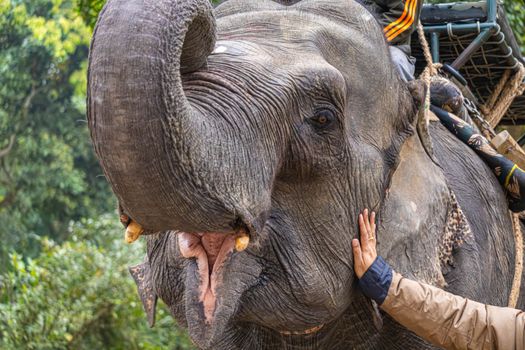
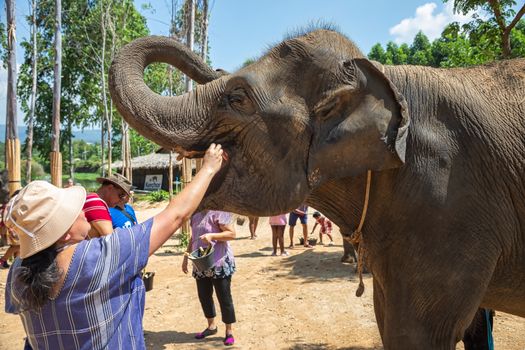
The humid air hung heavy, thick with the scent of damp earth and something vaguely musky. I watched, heart sinking, as another line of tourists, cameras flashing, shuffled past the chained elephant, its eyes dull and vacant. This wasn't the "magical elephant encounter" the brochure promised. This was exploitation, thinly veiled as cultural immersion. It was a stark moment of realization that sparked a deep, uncomfortable question: Am I contributing to this?
That day, years ago in Southeast Asia, marked a turning point in my travels. I vowed to seek out wildlife experiences that weren't just about 'seeing' animals, but about genuinely helping them. But where do you even begin? The internet is awash with "ethical" claims, many of which are just greenwashing. It felt like trying to find a needle in a haystack, a true impact amidst a sea of commercialized fluff.
What I discovered, through countless hours of research, whispered conversations with local guides, and a lot of trial and error, was a network of incredible, often understated, conservation efforts. These aren't the places plastered across billboards or pushed by major tour operators. They're often small, community-led, sometimes fragile projects that prioritize animal welfare and local empowerment above all else. They're the genuine articles, the hidden gems, the kind of experiences locals don't necessarily want every tourist to know about – not because they're unwelcoming, but because their integrity relies on mindful, respectful engagement, not mass tourism.
This isn't about exclusive access for the elite; it's about conscious access for the curious and compassionate traveler. It's about finding those profound moments where your presence isn't just tolerated, but truly valued, making you a part of something bigger than just a holiday snapshot. Ready to dive into the world of wildlife experiences that actually make a difference? Let's go.
The Guardians of the Reef: Marine Conservation with a Mission (Palawan, Philippines)
My journey into ethical wildlife tourism took me to the turquoise waters of Palawan, an archipelago in the Philippines often hailed as one of the world's most beautiful islands. But beneath its stunning surface, a silent crisis was unfolding: coral reefs, the ocean's nurseries, were under threat from overfishing, dynamite fishing, and climate change.
I'd heard whispers of a small, community-run initiative near a lesser-known island called Busuanga, far from the bustling El Nido and Coron tourist hubs. It was called the "Apo Reef Stewards," (a name I've changed slightly for privacy, as these truly are local secrets). To find them, I had to take a series of local buses, a rickety boat, and finally, a motorbike taxi down a dirt track. There was no fancy booking website, just a contact number shared by a local fisherman.
What I found was extraordinary. This wasn't a dive resort; it was a rustic base camp run by former fishermen who, after seeing their livelihoods vanish with the reefs, had transformed into passionate conservationists. My "tour" involved joining their daily patrols. We'd spend mornings diving or snorkeling, not just for pleasure, but to monitor coral health, identify fish species, and even help with coral planting. I remember one afternoon, with a local named Kuya Rey, meticulously tying small coral fragments to a submerged metal frame, knowing each tiny piece was a step towards rebuilding an ecosystem.
In the evenings, we'd motor out to sea, not to catch fish, but to deter illegal dynamite fishing. The sound of a blast echoing across the water was a chilling reminder of the urgent need for their work. My small contribution – a daily fee of around $70 USD (which included simple meals and accommodation in a bamboo hut) – went directly to funding their patrols, their equipment, and educational programs for local children. It wasn't about seeing a rare dugong (though we did, from a respectful distance); it was about empowering a community to protect their own natural heritage. This is the kind of marine experience that leaves you feeling connected, not just to the ocean, but to the people fighting for its survival. It's not glamorous, but it's profoundly impactful.
Tips for finding similar experiences:
Look for community-based marine protected areas (MPAs), ask local dive shops about conservation projects they support, and seek out organizations that employ former fishermen in their efforts. Be prepared for basic accommodations and a hands-on approach.
Jungle Whispers: Primate Rescue & Reforestation (Tambopata, Peruvian Amazon)
The dense, emerald canopy of the Amazon rainforest always feels like stepping into another world. But even here, the threats of deforestation, illegal logging, and the exotic pet trade cast long shadows. Many mainstream tours offer fleeting glimpses of monkeys, but few truly address the root causes of their vulnerability.
My search led me to a small, independent rescue center deep in the Tambopata region of the Peruvian Amazon, near the town of Puerto Maldonado. Let's call it "Refugio de la Selva" (Jungle Refuge). This wasn't a "monkey sanctuary" where you could cuddle or feed animals. In fact, human interaction was strictly minimized. The goal here was rehabilitation and, ultimately, release.
I spent a week living in a very basic, off-grid lodge adjacent to the refuge, paying approximately $600 USD for my stay, which included food, accommodation, and guided activities led by local staff and a resident primatologist. Each morning, we'd join the staff on their rounds, observing rescued capuchins, spider monkeys, and tamarins from a distance, noting their progress, and preparing their specialized diets. One afternoon, I helped plant dozens of native fruit trees, knowing that each sapling contributed to the future habitat of these very animals.
The most poignant moment was witnessing the release of a group of rehabilitated marmosets. Under the watchful eye of the primatologist, they scampered up a towering tree, their tiny bodies disappearing into the vastness of the forest. It was a quiet, unsentimental moment, but profoundly moving. It wasn't about a selfie; it was about giving these creatures a second chance at a wild life. The locals who ran the refuge were intensely protective of their mission, carefully vetting visitors to ensure they understood and respected the center's non-contact philosophy. They're wary of tourists who just want a "cute animal" photo, which is precisely why these places remain hidden gems.
Tips for finding similar experiences:
Prioritize centers with a strict no-contact policy and a clear rehabilitation-to-release program. Look for scientific staff on site and transparency about where your money goes. Avoid any place that allows petting or holds animals for tourist interaction.
Tracks in the Sand: Sea Turtle Protection by Moonlight (Zakynthos, Greece)
When you think of Greece, you probably picture ancient ruins, whitewashed villages, and azure seas. But on the island of Zakynthos, particularly around its southern shores, a critical drama unfolds each summer night: loggerhead sea turtles, an endangered species, come ashore to lay their eggs. Unfortunately, tourist development and light pollution threaten their nesting sites.
I discovered a small, non-governmental organization (NGO) operating on a shoestring budget, working tirelessly to protect these gentle giants. They didn't have a flashy name or a big marketing budget. They relied on local volunteers and word-of-mouth. I connected with them through a local guesthouse owner in a small village called Keri, who was passionate about their work.
My experience involved joining their night patrols on the beaches of Gerakas and Dafni. For a donation of around €50 EUR per night (which went directly to fuel, equipment, and educational materials), I became a silent observer. We'd walk the beaches under the moonlight, carefully marking nests, protecting them from human disturbance, and educating late-night beachgoers about the turtles' presence. The thrill of finding a fresh set of tracks leading up the beach, knowing a mother turtle had just completed her ancient ritual, was indescribable.
One unforgettable night, we were lucky enough to witness a loggerhead laying her clutch of eggs. Our guide, a local marine biologist named Eleni, explained every delicate movement, emphasizing the importance of silence and distance. The sheer vulnerability and tenacity of this creature, laying her future on a beach threatened by human encroachment, was a powerful lesson in humility and responsibility. It's an experience that fundamentally changes your perspective on coastal tourism, making you acutely aware of the delicate balance between human enjoyment and natural preservation. These experiences are kept quiet precisely because the turtles are so sensitive to disturbance; only truly dedicated visitors are welcomed.
Tips for finding similar experiences:
Research local conservation NGOs in known sea turtle nesting areas. Many rely on volunteers or small donations. Always respect guidelines for distance, light, and noise. Never interfere with nesting turtles or hatchlings.
The Silent Sentinels: Anti-Poaching & Community Empowerment (Limpopo, South Africa)
The vast, wild landscapes of Southern Africa are synonymous with iconic wildlife. But beneath the surface of breathtaking safaris lies the brutal reality of poaching, a multi-billion-dollar illegal trade that decimates populations of rhinos, elephants, and other species. Many luxury safaris contribute to conservation, but few offer the direct, immersive insight into the front lines of this battle.
I sought out an experience that went beyond game drives, one that connected me directly to the people fighting for these animals. I found it in a lesser-known private conservancy in the Limpopo province of South Africa, bordering Kruger National Park. This particular conservancy, let's call it "Thabana Wilderness," wasn't a typical tourist destination. It focused heavily on community-based conservation and anti-poaching efforts.
My "safari" here was different. For a fee of approximately $350 USD per day (all-inclusive, with a minimum 3-day stay), I wasn't just observing; I was learning. A significant portion of this fee went directly to funding the conservancy's anti-poaching unit, local schools, and healthcare clinics in surrounding communities. I spent mornings tracking wildlife with experienced rangers, not just for viewing, but to understand their methods for monitoring animal populations and identifying potential threats. I learned about tracking human footprints, interpreting subtle signs in the bush, and the sheer dedication required for this dangerous work.
One afternoon, I sat down with a group of rangers – men and women from the local villages – who shared their stories. Their passion, their bravery, and their deep connection to the land and its animals were palpable. They spoke of the daily risks, the frustration, but also the hope. This wasn't a staged encounter; it was a genuine conversation with the heroes of conservation. It made me realize that protecting wildlife isn't just about animals; it's about empowering communities and creating a shared future where both can thrive. These experiences are often kept low-key because they involve sensitive security operations and require visitors to be genuinely invested, not just seeking a photo opportunity.
Tips for finding similar experiences:
Look for conservancies that explicitly state a high percentage of their fees go to anti-poaching and community development. Ask about opportunities to meet rangers or visit local community projects. Be prepared for robust safety briefings and to follow all instructions.
Wings of Hope: Raptor Rehabilitation & Release (Scottish Highlands, UK)
Not all impactful wildlife experiences are in exotic, far-flung locales. Sometimes, the most profound connections happen closer to home, with animals you might overlook. In the rugged, majestic Scottish Highlands, birds of prey – golden eagles, buzzards, owls – are icons of the wild. Yet, they face threats from habitat loss, persecution, and accidental injury.
I stumbled upon a small, dedicated raptor rehabilitation center nestled in a remote glen near Aviemore. It wasn't a tourist attraction with flying displays. It was a serious, scientific facility focused entirely on rescuing, nursing back to health, and releasing injured birds. Let's call it "Highland Sky Sanctuary."
My visit was by appointment only, for a small donation of £30 GBP, and highly restricted. The staff were wary of general tourism, as the birds' recovery depended on minimal human disturbance. I joined a small, guided tour led by a passionate ornithologist named Fiona. She explained the intricate process of rehabilitation, from initial rescue to specialized diets, physiotherapy, and "flight school" in vast outdoor aviaries.
I watched, mesmerized, as a powerful golden eagle, its wing mended after a collision, practiced its flight in a huge enclosure, building strength for its eventual return to the wild. Fiona shared stories of individual birds, their struggles, and their triumphs. The quiet dedication of the staff, their deep respect for these magnificent creatures, was inspiring. This experience wasn't about seeing a bird perform; it was about understanding the meticulous, often heartbreaking, work involved in giving a wild creature a second chance. It highlights how even in developed countries, dedicated individuals are working behind the scenes to protect our shared natural heritage.
Tips for finding similar experiences:
Seek out genuine rehabilitation centers, not falconry displays or zoos. Verify their primary mission is release. Expect limited access and a focus on education rather than entertainment. Always respect the birds' need for quiet and minimal disturbance.
The Unseen Giants: Responsible Whale & Dolphin Research (Azores, Portugal)
The vast expanse of the Atlantic Ocean surrounding the Azores archipelago in Portugal is a migratory highway for some of the planet's most magnificent marine mammals: whales and dolphins. Mainstream whale watching can be thrilling, but often prioritizes sightings over animal welfare, sometimes leading to crowded boats and stressed animals.
My quest for truly ethical marine mammal encounters led me to a small, research-focused operator on Pico Island, one of the central Azorean islands. This wasn't a typical commercial whale watching company. It was founded by marine biologists and former whalers (a powerful testament to transformation) who now dedicated their lives to studying and protecting these creatures. I'll call them "Pico Marine Eco-Adventures."
Their tours were limited to small groups (maximum 8-10 people) on quiet, zodiac-style boats. The focus was explicitly on non-invasive research and respectful observation. For a cost of around €80-100 EUR per person for a 3-hour trip, a marine biologist was always on board, guiding the experience. We'd spend as much time listening for whale calls with a hydrophone as we did actively searching. When we found a pod, strict protocols were followed: slow approaches, maintaining significant distance, and never chasing or cornering the animals.
I remember one incredible afternoon, sitting silently in the boat, watching a pod of sperm whales dive. Our guide, a researcher named Sofia, explained their communication, their social structures, and the threats they faced. It wasn't about getting "the shot"; it was about quiet reverence, about understanding. We helped collect photo-identification data, contributing to long-term studies. This wasn't an adrenaline rush; it was a profound, almost spiritual connection to these intelligent beings. The locals involved in these operations are passionate about their research and the well-being of the animals, so they are selective about the tourists they welcome, preferring those who share their respect and interest in genuine conservation.
Tips for finding similar experiences:
Look for operators with a strong scientific component, marine biologists on board, and strict guidelines for approaching animals. Small boat tours are generally preferable. Prioritize companies that emphasize observation and education over guaranteed close-up sightings.
Practical Tips for Becoming a Conscious Wildlife Traveler
Finding these hidden gems requires a little more effort than booking a package tour, but the rewards are immeasurable.
- Do Your Homework (Beyond the First Page of Google): Dig deep. Read reviews, but also look for independent reports from conservation organizations. Search for local NGOs and community projects directly. Forums and specialized travel blogs can be goldmines.
- Ask the Right Questions:
- "Where does my money go?" (Look for transparency, direct funding for conservation/community).
- "What are your animal welfare policies?" (No contact, no feeding, no riding, no performances).
- "What are the local community benefits?" (Employment, education, sustainable livelihoods).
- "What is your maximum group size?" (Smaller is usually better for minimal impact).
- "Are you affiliated with scientific research or local conservation efforts?"
- Prioritize Small, Local, and Community-Run: These operations often have the deepest roots in ethical practices and direct impact. They're less likely to be profit-driven behemoths.
- Be Prepared for Basic Amenities: Genuine conservation often happens in remote areas with limited infrastructure. Embrace it! It's part of the authentic experience.
- Respect the Rules (Always!): These places have strict guidelines for a reason – for the animals' safety and your own. Listen to your guides, maintain distance, be quiet, and never leave a trace.
- Pack Mindfully: Reusable water bottles, reef-safe sunscreen, binoculars (for distant viewing), and a good camera with a zoom lens (to avoid getting too close for a shot) are essential.
- Share Responsibly: When you find a truly ethical gem, share your experience, but do so thoughtfully. Emphasize the impact and the ethics over just the photo. Encourage others to be equally mindful.
- Be Skeptical of "Voluntourism" Traps: Many volunteer programs are well-intentioned but do more harm than good (e.g., orphanages that separate families, sanctuaries that can't release animals). Vet these rigorously, focusing on genuine skills-based contributions rather than just paying to interact with animals.
The True Spirit of Travel
The world is full of incredible wildlife, and our desire to connect with it is natural. But how we choose to do so matters profoundly. My journey from that disheartening elephant encounter to these hidden, impactful experiences has transformed my understanding of travel. It's no longer just about seeing; it's about connecting, contributing, and leaving a positive footprint.
These "secrets" aren't guarded to exclude you, but to protect the integrity of the work and the well-being of the animals. When you seek them out with an open heart and a mindful spirit, you're welcomed as a partner, not just a tourist. You become part of a quiet, powerful movement that proves travel can be a force for good.
So, the next time you dream of a wildlife encounter, ask yourself: Can I do more than just observe? Can I contribute? The answer, I promise you, is a resounding yes. And the locals, the true guardians of these wild places, are waiting to share their secrets with you.
---