The Wild Truth: Wildlife Experiences That Actually Help Animals You Need to Experience Before You Die
I still remember the first time I saw a wild elephant. Not in a circus, not performing tricks, and certainly not with a saddle on its back. This was in the sprawling grasslands of the Maasai Mara, Kenya, and she was a matriarch, leading her herd with quiet dignity, her ancient eyes surveying the horizon. There was a profound silence in our jeep as we watched her, a reverence that felt almost spiritual. In that moment, I understood something deep about our connection to the wild, and the immense responsibility we carry.
For years, like many of you, I unknowingly participated in wildlife tourism that, while seemingly innocent, often did more harm than good. The fleeting thrill of a selfie with a sedated tiger, the novelty of an elephant ride, the adorable but often exploited "orphanage" where animals were bred for profit – these experiences, I’ve learned, are built on a foundation of suffering and exploitation.
But here’s the good news: you can have those breathtaking, soul-stirring wildlife encounters without compromising your ethics. In fact, you can have experiences that actively contribute to conservation, protect habitats, and ensure a future for these magnificent creatures. This isn't just about avoiding harm; it's about being a force for good. It's about travel that leaves a legacy, not a footprint of regret.
So, if you’re ready to trade fleeting photo ops for profound connections, and questionable practices for genuine impact, then buckle up. As your Tripsora guide, I'm taking you on a journey to discover the wildlife experiences that actually help animals – the ones that will change you, and hopefully, change the world for them.
---
Section 1: Beyond the Show – True Sanctuaries and Second Chances
Let's be clear: not all "sanctuaries" are created equal. The word "sanctuary" is often misused to greenwash operations that are, at their core, exploitative. A true sanctuary prioritizes the animal’s welfare above all else. This means no breeding, no riding, no forced interactions, and absolutely no performances. Their mission is rehabilitation, rescue, and providing a safe, natural-as-possible home for animals that cannot be released back into the wild.
My Personal Pick: Elephant Nature Park, Chiang Mai, Thailand
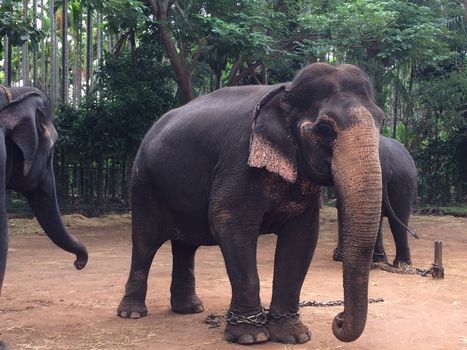
When I first visited Elephant Nature Park (ENP) in Thailand, I was skeptical. I’d heard the horror stories of elephant tourism and wanted to ensure I wasn't falling for another façade. What I found was a haven, founded by the incredible Lek Chailert, where rescued elephants roam freely, socialize, and heal from years of abuse in logging or tourism industries.
- What makes it ethical: ENP is a true sanctuary. Elephants are never ridden. Visitors observe from respectful distances, help prepare food, and witness the elephants' natural behaviors – mud bathing, swimming, and foraging. The focus is on allowing elephants to be elephants. Your visit directly funds their rescue operations, veterinary care, and the ongoing maintenance of this vast, humane park.
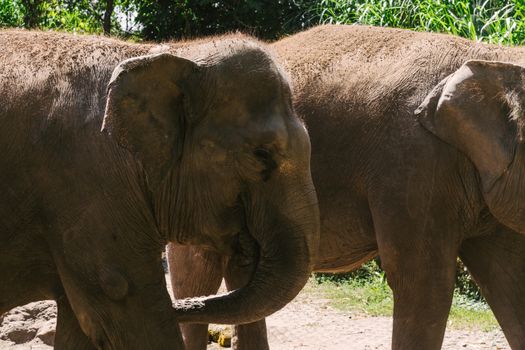
- The Experience: Imagine watching a herd of elephants gently interacting, their rumbling calls echoing through the valley. You might help a mahout (their dedicated caretaker) feed them watermelons or watch them joyfully splash in the river. It’s humbling, beautiful, and deeply moving. You'll hear the stories of individual elephants, understanding the resilience of these gentle giants.
- Practical Details: Day visits typically cost around 2,500-3,000 Thai Baht (approx. $70-90 USD), including transportation from Chiang Mai, lunch, and guided tours. They also offer multi-day volunteer programs if you want to dive deeper. Book well in advance as spots fill up quickly!
- Instagram-worthy moment: A wide shot of elephants playing in the river with lush green hills in the background, or a close-up of an elephant's wise eye as you observe from a distance. Use the hashtag #ElephantNaturePark.
Another incredible option: Sheldrick Wildlife Trust, Nairobi, Kenya
For those dreaming of Africa, the Sheldrick Wildlife Trust is legendary for its orphaned elephant and rhino rehabilitation program. While not a full-day experience like ENP, a visit here offers a poignant glimpse into the challenges and triumphs of conservation.
- What makes it ethical: They rescue, hand-raise, and ultimately reintroduce orphaned elephants and rhinos back into the wild. Public visits are limited to an hour daily (11 AM - 12 PM) to minimize stress on the young animals. You witness their feeding and mud bath, and learn about their individual stories and the incredible work of their dedicated keepers.
- Practical Details: Entry is 1,500 KES (approx. $12 USD). Consider fostering an orphan elephant for a year (around $50) – it’s a direct, ongoing way to support their critical work, and you get regular updates on your elephant!
---
Section 2: The Call of the Wild – Ethical Safaris and Immersive Expeditions
Seeing animals in their natural habitat, truly wild and free, is an unparalleled experience. But even here, ethical considerations are paramount. A responsible safari or expedition prioritizes the well-being of the animals, their habitat, and the local communities living alongside them.
My Personal Pick: Gorilla Trekking in Rwanda or Uganda
This is not just a wildlife experience; it’s a profound encounter that will stay with you forever. Trekking through dense rainforests to spend an hour with a family of endangered mountain gorillas is a privilege that comes with a hefty price tag, but every dollar directly fuels their survival.
- What makes it ethical: The high permit fees (approx. $1,500 USD in Rwanda, $700 USD in Uganda) are the cornerstone of mountain gorilla conservation. A significant portion goes directly into anti-poaching efforts, habitat protection, and supporting local communities, reducing their reliance on exploiting the forest. Strict rules are enforced: limited visitor numbers, a maximum of one hour with the gorillas, maintaining a safe distance (usually 7 meters), and wearing masks to prevent disease transmission.
- The Experience: After a challenging hike through misty, muddy terrain, your trackers lead you to a clearing. And there they are. A massive silverback, infants playing, mothers grooming. The silence is broken only by the rustling leaves and the gorillas’ gentle sounds. Looking into their intelligent, expressive eyes is like looking into a mirror, a powerful reminder of our shared ancestry. It’s raw, humbling, and utterly transformative.
- Practical Details: Permits sell out months in advance, so book early. You’ll need a good level of fitness for the trek. Choose reputable tour operators who work closely with local communities and conservation organizations.
- Instagram-worthy moment: A respectful, zoomed-in shot of a gorilla family, emphasizing their natural habitat. Or a selfie (from a distance) with your muddy hiking gear and a huge grin after the trek. Use #GorillaTrekking #ConservationTravel.
Another Epic Ethical Safari: The Galápagos Islands, Ecuador
Known as Darwin’s living laboratory, the Galápagos offers unparalleled close encounters with unique wildlife.
- What makes it ethical: The Ecuadorian government and Galápagos National Park have incredibly strict regulations to protect the fragile ecosystem. Visitors must be accompanied by licensed naturalist guides, stick to marked paths, and maintain respectful distances from all animals. Cruising on small, authorized vessels minimizes impact. Your tour fees contribute to park management and conservation efforts.
- The Experience: Imagine giant tortoises lumbering past you, sea lions napping on park benches, blue-footed boobies performing their comical mating dance, and marine iguanas sunbathing on volcanic rocks – all completely unfazed by human presence. It’s like stepping into a nature documentary.
- Practical Details: Choose a reputable, small-ship cruise operator. Expect prices to be higher due to strict regulations and limited capacity (e.g., $3,000-$8,000+ for a 5-8 day cruise).
---
Section 3: Diving Deep for Conservation – Marine Life Guardians
Our oceans are teeming with life, but they face immense threats from pollution, overfishing, and climate change. Ethical marine encounters allow us to witness the ocean’s magic while actively supporting its protection. This means no touching, no feeding, no chasing, and choosing operators committed to marine research and habitat preservation.
My Personal Pick: Sea Turtle Nesting & Hatching in Costa Rica
I’ve always been drawn to the ocean, and witnessing sea turtles in their natural cycle is one of the most moving experiences I’ve had. Costa Rica, a pioneer in ecotourism, offers incredible opportunities to support these ancient mariners.
- What makes it ethical: Many coastal communities in Costa Rica, particularly around Tortuguero, Ostional, and Gandoca-Manzanillo, have established community-based conservation projects. Visitors are guided by local naturalists who ensure minimal disturbance to nesting mothers or emerging hatchlings. Your tour fees directly fund patrols against poachers, research, and community education.
- The Experience: Imagine a moonlit night on a secluded beach. Suddenly, a massive green sea turtle emerges from the waves, slowly dragging herself up the sand to dig her nest and lay hundreds of eggs. Or, during hatching season, watching hundreds of tiny hatchlings burst from the sand, instinctively scrambling towards the shimmering sea, a perilous journey against predators. It's raw, vulnerable, and a powerful reminder of nature’s struggle.
- Practical Details: Nesting and hatching seasons vary by species and location. For example, Tortuguero is famous for Green Sea Turtles (July-October for nesting, September-November for hatching), while Ostional is known for Olive Ridley Arribadas (mass nesting events, typically July-December). Tours are often small group, guided, and require special permits. Expect to pay around $30-60 USD for a guided night tour.
- Instagram-worthy moment: A wide shot of a pristine beach, perhaps with tiny turtle tracks leading to the ocean (from a distance, never disturb them!), or a silhouette of a nesting turtle under the moonlight. Use #SeaTurtleConservation #CostaRicaEcotourism.
Another Ethical Marine Marvel: Responsible Whale Watching (Iceland, Canada, or USA)
Experiencing these magnificent giants of the deep in their natural habitat is awe-inspiring.
- What makes it ethical: Choose operators who adhere to strict guidelines: maintaining safe distances, approaching whales slowly and never directly, limiting viewing time, and never chasing or cornering them. Many ethical operators also partner with marine research institutions, contributing data to conservation efforts.
- The Experience: Picture yourself on a small boat, the vast ocean stretching around you. Suddenly, a massive humpback breaches, launching its colossal body into the air before crashing back down, sending spray sky-high. Or perhaps you see a pod of orcas gracefully gliding through the water. It’s a moment of profound connection to the ocean’s power and beauty.
- Practical Details: Locations like Husavik, Iceland (often called Europe's whale-watching capital), Vancouver Island, Canada, or Stellwagen Bank, Massachusetts, USA, are renowned for responsible whale watching. Prices range from $70-150 USD per person. Ask about their whale-safe practices before booking.
---
Section 4: Community & Conservation in Action – Local Empowerment
True conservation often hinges on the involvement and empowerment of local communities. When communities benefit directly from wildlife preservation, they become its fiercest guardians. These experiences offer a deeper cultural immersion alongside incredible animal encounters.
My Personal Pick: Birdwatching with Indigenous Guides in the Amazon (Ecuador/Peru)
My trip deep into the Ecuadorian Amazon, staying in an eco-lodge run by the local Kichwa community, was an eye-opener. It wasn't just about spotting incredible birds; it was about understanding the intricate relationship between people and their environment.
- What makes it ethical: These lodges are often owned and operated by indigenous communities, providing sustainable livelihoods that reduce the pressure on natural resources (like logging or unsustainable hunting). Your money directly supports their families, schools, and cultural preservation, making them powerful advocates for protecting the rainforest and its inhabitants. Guides are often local, possessing unparalleled knowledge of the flora and fauna.
- The Experience: Waking up to the symphony of the rainforest, then heading out with a Kichwa guide who can spot a tiny hummingbird camouflaged perfectly in the canopy or identify a distant monkey call with ease. You learn about medicinal plants, traditional hunting techniques (now replaced with cameras!), and the critical importance of preserving this biodiversity hotspot. The birdwatching is phenomenal – macaws, toucans, hoatzins – but the cultural exchange is just as rich.
- Practical Details: Look for lodges certified by ecotourism organizations or directly linked to indigenous communities (e.g., Sani Lodge in Ecuador, Posada Amazonas in Peru). Prices vary widely but expect $200-400+ per person per night, often including all meals, guides, and activities.
- Instagram-worthy moment: A vibrant macaw soaring overhead against a backdrop of dense jungle, or a candid shot of your local guide sharing traditional knowledge. Use #AmazonConservation #IndigenousTourism.
---
Section 5: Your Role as an Ethical Explorer – Practical Tips for Every Trip
Now that you're inspired, how do you ensure your next wildlife adventure genuinely helps animals? Here are my tried-and-true tips:
- Do Your Homework (Seriously!):
- Research the Organization: Look for transparency. Where does their money go? Do they have a clear mission statement focused on conservation and animal welfare? Check their reviews on independent sites, not just their own.
- Red Flags: Any facility that allows direct contact with wild animals (especially big cats, primates, or elephants), offers rides, encourages feeding wild animals (unless part of a supervised, ethical feeding program for rescued animals), or has animals performing tricks is a no-go.
- Accreditations: Look for certifications from reputable animal welfare organizations (e.g., Global Federation of Animal Sanctuaries, World Animal Protection recommendations).
- Ask the Right Questions:
- "What is your primary mission?" (Should be conservation/rehabilitation, not entertainment.)
- "How do you ensure the animals' well-being?"
- "Where do your animals come from?" (Should be rescue, not breeding or capture.)
- "How do you interact with local communities?" (Look for benefits, not displacement.)
- Observe, Don't Interact:
- The golden rule of ethical wildlife tourism: maintain a respectful distance. Use binoculars, a good zoom lens, and your eyes.
- Never touch, feed, or chase wild animals. Your presence alone is enough of an impact.
- Listen to your guides. They are trained to ensure both your safety and the animals' well-being.
- Support Local, Go Small:
- Choose local, small-scale operators who are invested in their community and environment. They often have a deeper understanding and commitment to sustainable practices.
- Your money goes further and directly benefits the people who live alongside and protect these animals.
- Minimize Your Footprint:
- Reduce plastic waste. Bring a reusable water bottle.
- Stay on marked trails.
- Use eco-friendly sunscreens (especially in marine environments).
- Choose accommodations with strong environmental policies.
- Be an Advocate:
- Share your ethical experiences on social media. Use relevant hashtags (#EthicalTravel #WildlifeConservation #ResponsibleTourism) to spread awareness.
- Educate friends and family about the difference between ethical and exploitative tourism.
- Consider donating to reputable conservation organizations.
---
Conclusion: Your Journey, Their Future
The world is a magnificent place, teeming with incredible creatures that deserve our respect, our protection, and our love. As travelers, we hold immense power in our choices. Every dollar we spend, every tour we book, every experience we seek out sends a message.
By choosing ethical wildlife encounters, you're not just creating unforgettable memories for yourself; you're actively contributing to the survival of species, the protection of fragile ecosystems, and the empowerment of communities who are on the front lines of conservation. You're becoming part of the solution.
So, go forth, my fellow adventurers! Seek out these profound, impactful experiences. Be curious, be mindful, and be a champion for the wild. Your next journey could be the one that saves a life, protects a habitat, and truly changes the world.
Which ethical wildlife experience will you embark on first? Share your plans with us in the comments below, and let's inspire a wave of responsible travel!
---