Beyond the Selfie: Wildlife Experiences That Actually Help Animals (Before Everyone Else Finds Out)
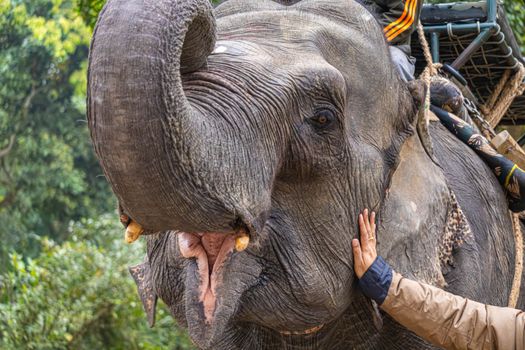
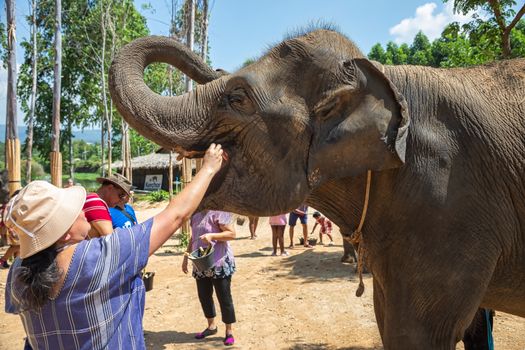
I’ll never forget the sting of disappointment. It was years ago, on a trip to Southeast Asia, lured by the promise of an “ethical” elephant sanctuary. What I found was a queue of tourists, elephants performing tricks, and the distinct feeling that my money was doing more for the Instagram feeds of fellow travelers than for the majestic creatures I’d come to admire. My heart sank. I’d wanted to connect, to contribute, but instead, I felt like part of the problem.
That experience was a turning point. It ignited a passion in me to seek out wildlife encounters that genuinely make a difference – places where my presence, and my dollars, actively contribute to conservation, research, and the well-being of animals, rather than exploiting them. And let me tell you, these places exist. They’re not always the easiest to find, often off the well-trodden tourist path, but they offer something profoundly more rewarding than any selfie could capture: a true connection and the knowledge that you’re part of the solution.
Welcome to the world of impact travel, where your adventure becomes a lifeline for wildlife. Join me as we explore these incredible, often overlooked, opportunities before they become mainstream.
The "Why" - Beyond the Photo Op: Understanding True Impact Travel
Let's be honest: the allure of seeing exotic animals up close is powerful. But in our interconnected world, that desire can inadvertently fuel unethical practices. The problem isn't just elephant rides or tiger petting; it's also the subtle commodification of wildlife, where animals become props for tourist dollars without a true benefit to their species or habitat. Over-tourism can disrupt natural behaviors, pollute environments, and even displace local communities.
True impact travel, on the other hand, flips this script. It’s about being a participant, not just an observer. It’s about supporting organizations and communities that are deeply committed to conservation, often working against incredible odds. These experiences are typically smaller scale, more intimate, and demand a deeper level of engagement. They're not designed for mass tourism; they're designed for impact. By seeking out these "pre-mainstream" opportunities, you're not just getting an authentic, unforgettable adventure; you're directly investing in a sustainable future for our planet's most vulnerable inhabitants.
1. Citizen Science & Research Expeditions: Be Part of the Solution
Imagine spending your days tracking sea turtles, monitoring primate populations, or identifying rare bird species – not as a passive observer, but as an active contributor to scientific research. Citizen science projects are perhaps one of the most direct ways for travelers to help animals. You don't need a biology degree; just a willingness to learn, follow instructions, and dedicate yourself to the task.
I vividly remember a two-week expedition with a local marine conservation group on the coast of Costa Rica. Our days began before dawn, patrolling nesting beaches for olive ridley and green sea turtles. Under the guidance of experienced biologists, we’d carefully measure, tag, and record data on nesting females, sometimes even assisting with the release of hatchlings. The humid air, the sound of the waves, the sheer wonder of these ancient creatures – it was a profound experience. We slept in basic dorms, ate simple meals prepared by local staff, and bonded over shared purpose. It wasn't glamorous, but it was real. The cost for such programs often covers your accommodation, food, training, and a vital contribution to the project’s funding. For our trip, it was around $1,500 for two weeks, excluding international flights, a small price for the invaluable data we helped collect.
How to find them:
* Earthwatch Institute: A global non-profit that connects volunteers with scientists. They offer dozens of expeditions, from tracking jaguars in the Amazon to studying wild dolphins in Greece. Prices vary widely, but expect to pay $2,000-$5,000+ for 1-3 weeks, which typically includes field costs, food, and lodging.
* Frontier Gap Year & Volunteer Programs: While some are mainstream, many offer specialized conservation expeditions focused on marine biology, wildlife monitoring, or habitat restoration in places like Madagascar, Belize, or Tanzania. Vet them carefully to ensure ethical practices.
* Local University & NGO Partnerships: Often the best way to find truly grassroots projects. Research universities in areas known for specific wildlife (e.g., primate research in Uganda, bird conservation in Ecuador) and see if they have volunteer or citizen science components. Email them directly!
Practical Tips:
Be prepared for rustic conditions, long days, and the possibility of not seeing the "charismatic megafauna" every day. Your role is about the science, not the spectacle. Pack light, durable clothing, insect repellent, a good headlamp, and an open mind.
2. Community-Led Conservation & Eco-Lodges: Local Heroes, Global Impact
The most sustainable conservation efforts are often those led by the communities who live alongside the wildlife. When tourism directly benefits these communities – providing jobs, funding education, and offering alternatives to poaching or habitat destruction – it creates a powerful incentive for conservation. These experiences offer a deep cultural immersion alongside wildlife viewing.
One of my most cherished memories is from the Maasai Wilderness Conservation Trust (MWCT) in Kenya. I wasn't just on a safari; I was visiting a project where the Maasai people themselves are at the forefront of protecting their ancestral lands and the wildlife within them. We stayed at a community-owned eco-lodge, Campi ya Kanzi, which, while premium (expect to pay $700-$1000+ per person per night for a truly all-inclusive, high-impact experience), channels a significant portion of its revenue directly into MWCT’s programs. Our guides were Maasai warriors who knew every plant, every animal, and every rustle in the bush. We learned about their culture, their challenges, and their incredible successes in coexisting with lions, elephants, and giraffes. Seeing a pride of lions through the eyes of a Maasai elder, who had personally transitioned from hunting to protecting them, was transformative.
How to find them:
* Indigenous-Owned Reserves: Look for initiatives like the Great Bear Rainforest in British Columbia, Canada, where First Nations communities manage vast tracts of wilderness and offer ethical bear viewing (grizzly, black, and the rare spirit bear) that directly supports their traditional territories. Tours can range from $300-$800+ for day trips to multi-day lodge stays costing $3,000-$10,000+.
* Fair Trade Tourism Certified Lodges: This certification (primarily in Africa) helps identify lodges that meet stringent criteria for fair wages, community empowerment, and environmental responsibility.
* Research "Community-Based Ecotourism" + [Destination]: This will often lead you to smaller, locally run initiatives. Always verify their claims and impact.
Practical Tips:
Be respectful of local customs and traditions. Learn a few phrases of the local language. Engage with your hosts, ask questions, and be open to different perspectives. Your curiosity and respect are as valuable as your financial contribution.
3. Rehabilitation & Rescue Centers (The Right Way): Healing Hands, Hopeful Futures
Not all "sanctuaries" are created equal. Many are glorified zoos or even exploitative operations. The truly ethical ones focus on rescue, rehabilitation, and, crucially, release back into the wild whenever possible. They are not tourist attractions; they are hospitals and halfway houses for animals in need. Visiting or volunteering at these centers can be incredibly impactful.
My heart was captured at The Sloth Institute Costa Rica near Manuel Antonio. This organization is dedicated to the rescue, rehabilitation, and research of sloths, with a primary goal of releasing them back into their natural habitat. They don't offer public "petting" or direct interaction programs, which is a key indicator of ethical practice. Instead, they offer highly educational, limited-access tours where you observe their work from a respectful distance, learning about the complex process of sloth rehabilitation. You might see a baby sloth being cared for, or watch a rehabilitated sloth in its "soft release" enclosure, slowly re-acclimating to the wild. A donation-based educational tour might cost $30-$50, with all proceeds directly funding their crucial work.
Similarly, organizations like the Borneo Orangutan Survival Foundation (BOSF) in Indonesia and International Animal Rescue (IAR) in Borneo and Sumatra are doing incredible work rescuing orangutans orphaned by deforestation and the illegal pet trade. While direct volunteer opportunities are often long-term and highly skilled, they offer visitation programs to their rehabilitation centers (like Samboja Lestari or Nyaru Menteng in Kalimantan) where you can learn about their efforts and see orangutans in various stages of rehabilitation, always with strict no-contact rules. These visits are typically part of a guided tour, costing around $100-$200 per person for a day visit, and are invaluable for raising awareness and funds.
How to identify ethical centers:
* Focus on Release: Their primary goal should be to return animals to the wild.
* No Direct Contact: Ethical centers do not allow visitors to touch, hold, or take selfies with wild animals.
* Educational Emphasis: They prioritize educating visitors about conservation threats and animal welfare.
* Transparency: They are open about their finances, animal care protocols, and success rates.
* Accreditation: Look for accreditation from reputable animal welfare organizations (e.g., Global Federation of Animal Sanctuaries).
Practical Tips:
If you want to volunteer, be prepared for physically demanding work and potentially long commitments. Donations are always welcome and often the best way to support their mission if you can't visit or volunteer.
4. Beyond the Usual Suspects: Unique, Niche Encounters
While elephants, big cats, and whales often grab the headlines, countless other species need our help, and engaging with their conservation efforts can lead to truly unique and impactful experiences. Think about the unsung heroes of the ecosystem: bats, amphibians, insects, and specific endangered bird species.
In the cloud forests of Ecuador, I joined a small group led by a local naturalist specializing in amphibian conservation. During guided night walks, we’d meticulously search for tiny, often critically endangered frogs and salamanders, documenting their presence and health. The air was cool and misty, the sounds of the jungle alive around us, and the thrill of spotting a vibrant poison dart frog or a glass frog with its translucent skin was pure magic. This wasn't a commercial tour; it was a passion project by a dedicated local biologist who offered these experiences to fund his research. The "fee" was a direct donation of $50-$100 per person per night, which included his guiding services and contributed directly to his conservation work.
Another fascinating example is bat conservation. Organizations like Bat Conservation International support projects worldwide, and while direct tourist interaction is rare, some reserves offer guided "bat walks" or opportunities to observe bat research (e.g., mist-netting for identification) that educate visitors and support local conservationists. Imagine watching thousands of bats emerge from a cave at dusk – an awe-inspiring, often overlooked natural phenomenon.
How to find them:
* Specialized NGOs: Research organizations dedicated to specific, less charismatic species in your desired region.
* Local Naturalist Guides: In biodiverse areas, seek out independent guides with deep knowledge and a clear commitment to conservation. Ask about their involvement in local research or community projects.
* Small, Lesser-Known National Parks/Reserves: Often, these places have unique species and less tourist infrastructure, making them ripe for authentic, impact-driven visits.
Practical Tips:
These experiences often require patience and a keen eye. A good pair of binoculars, a field guide, and a willingness to embrace the unexpected are essential. Be flexible with your itinerary; nature operates on its own schedule.
5. Making It Happen: Practical Advice for the Conscious Traveler
You're ready to make a difference, but how do you navigate this world of ethical wildlife travel? Here are some actionable tips:
- Do Your Homework (Thoroughly!): This is the most crucial step. Don't just rely on glossy brochures.
- Ask Tough Questions: How does my money directly help animals? What percentage goes to conservation vs. overhead? What are your animal welfare policies? What is your release rate for rehabilitated animals?
- Look for Transparency: Reputable organizations will be open about their operations, finances, and impact.
- Read Reviews, But Be Discerning: Look for reviews that mention ethical practices, conservation impact, and genuine experiences, not just comfort or photo opportunities.
- Check Certifications: While not foolproof, certifications from organizations like Global Federation of Animal Sanctuaries, Fair Trade Tourism, or Responsible Travel can be a good starting point.
- Budgeting for Impact Travel: Ethical experiences often cost more than mass tourism. This isn't a bad thing! Your money is directly funding expert guides, animal care, research, and community development. Think of it as an investment. Many programs offer various price points, from basic volunteer stays to more comfortable eco-lodge experiences. Be prepared for costs ranging from $50-$100+ per day for basic volunteer programs (often including food/lodging) to $500-$1000+ per day for premium eco-lodges with integrated conservation.
- Pack Smart & Responsibly:
- Sustainable Gear: Choose reusable water bottles, reef-safe sunscreen, and biodegradable toiletries.
- Appropriate Clothing: Durable, quick-drying layers in neutral colors are key for jungle or savanna environments.
- Field Essentials: Binoculars, a good camera with a zoom lens (for respectful distance), a headlamp, insect repellent, and a notebook for journaling your observations.
- First Aid Kit: Always be prepared for minor ailments.
- Leave No Trace Principles:
- Pack It In, Pack It Out: Minimize waste and dispose of it properly.
- Stay on Trails: Protect delicate ecosystems.
- Respect Wildlife: Maintain a safe and respectful distance. Never feed, touch, or harass animals.
- Support Local: Buy local handicrafts and produce to support the community directly.
- Share Your Story (Responsibly): When you return, share your experiences! Tell your friends, family, and social media followers about the incredible work being done. But remember:
- Educate, Don't Exploit: Use your photos and stories to highlight the conservation efforts, not just the "cute" animal.
- Avoid Glamorizing Interaction: Never post photos that show direct, unnatural interaction with wild animals, as this encourages unethical practices.
- Tag the Organizations: Give credit where credit is due and help spread awareness for the groups doing the hard work.
Your Next Adventure: A Lifeline for Wildlife
The world is full of incredible creatures and dedicated people working tirelessly to protect them. As travelers, we have an immense power to either contribute to their exploitation or become their allies. By choosing experiences that truly help animals, by seeking out the places before they become overrun, you're not just taking a trip; you're joining a movement.
So, ditch the crowded tourist traps. Step off the beaten path. Embrace the mud, the sweat, the early mornings, and the sheer wonder of connecting with nature on its own terms. Your next trip could be the most meaningful adventure of your life, leaving behind not just memories, but a legacy of genuine impact.
Are you ready to transform your travel into a force for good? What ethical wildlife experience are you dreaming of next? Share your thoughts in the comments below, and let's inspire each other to travel with purpose!
---