The Ultimate Guide: Wildlife Corridors You Can Help Maintain (According to Recent Data!)
I stepped off the dusty jeep, the air thick with the earthy scent of damp soil and something wild, something ancient. A chorus of unseen insects buzzed a hypnotic rhythm, punctuated by the distant, haunting cry of a primate. This wasn't just a scenic overlook; it was a vital artery of life, a silent highway for creatures big and small. This, my friends, is a wildlife corridor, and increasingly, your travels can be the lifeline they desperately need.
For too long, we've viewed conservation as something distant, something for scientists in khaki vests. But the truth is far more dynamic, and far more empowering. Recent data paints a clear picture: habitat fragmentation is the single biggest threat to biodiversity, and wildlife corridors are our most powerful defense. They are the ecological highways, the vital connections that allow animals to move freely, find mates, access food and water, and escape threats. And you, the discerning traveler, can play a pivotal role in their survival.
What Exactly Are Wildlife Corridors, and Why Do They Matter So Much?
Imagine a vast forest, teeming with life. Now, picture a sprawling highway cutting right through it, or a sprawling city replacing a vital patch of woodland. Suddenly, animals are isolated, their genetic diversity dwindles, and populations become vulnerable. This is fragmentation.
Wildlife corridors are essentially strips of land that connect fragmented habitats. Think of them as ecological bridges or tunnels, allowing animals to safely traverse landscapes that would otherwise be impassable. These aren't just patches of undeveloped land; they are carefully planned and managed ecosystems designed to facilitate safe passage for a diverse range of species.
Recent data from organizations like the IUCN (International Union for Conservation of Nature) and numerous academic studies consistently highlight the critical role of these corridors in:
- Maintaining Genetic Diversity: When populations are isolated, inbreeding becomes a serious problem, weakening species. Corridors allow for the exchange of genes, keeping populations healthy and resilient.
- Facilitating Migration and Seasonal Movements: Many species undertake long migrations for breeding, feeding, or to escape harsh weather. Corridors ensure these ancient journeys can continue.
- Providing Access to Resources: Corridors can connect essential water sources, food patches, and safe denning or nesting sites, especially in environments impacted by climate change.
- Increasing Resilience to Climate Change: As habitats shift due to rising temperatures, corridors allow species to move to more suitable areas, offering a crucial adaptation strategy.
- Reducing Human-Wildlife Conflict: By providing safe passage, corridors can divert animals away from human settlements and agricultural lands, reducing dangerous encounters.
Your Travel Footprint: From Consumer to Conservationist
The power of your travel choices is immense. Instead of simply observing wildlife, you can actively contribute to its long-term survival. This is where impact travel and responsible tourism truly shine. By choosing destinations and operators committed to conservation, you're not just a visitor; you're a vital partner.
Here's how your travels can directly support wildlife corridors:
1. Supporting Eco-Lodges and Conservation-Focused Resorts
Many lodges are strategically located near or within established wildlife corridors. Their operational model often directly contributes to land acquisition, habitat restoration, and community engagement programs that bolster corridor health.
- Pro-Tip: Look for certifications like those from the Global Sustainable Tourism Council (GSTC) or those that explicitly mention their involvement in local conservation initiatives. Ask the lodge directly about their partnerships with conservation NGOs and how guest fees contribute.
- Insider Lingo: Seek out places that practice "low-impact tourism" and prioritize "regenerative travel," meaning they aim to leave the environment and local communities better off than they found them.
2. Engaging in Citizen Science and Volunteer Programs
This is where you get your hands dirty – literally! Many organizations offer opportunities for travelers to participate in data collection, habitat monitoring, and even direct restoration efforts.
- Recent Data Highlight: Studies on migratory bird patterns, for example, heavily rely on citizen science data gathered along established flyways, which often overlap with critical wildlife corridors. Your observations could be invaluable.
- Pro-Tip: Research programs like "Wildlife Corridors Watch" or local initiatives that track species movement through camera traps or scat analysis. Even a few hours of your time can provide crucial data.
- Quick Facts:
- Estimated Cost: Varies greatly, from free (self-guided observation) to $50-$500+ for structured volunteer programs including accommodation and activities.
- Best Time to Visit: Depends on the specific program and location. Migration seasons are often peak times for data collection.
- How to Get There: Varies by program. Many are accessible via public transport to nearby towns, followed by local arrangements.
3. Choosing Destinations with Strong Conservation Policies
Some countries and regions are leading the charge in establishing and protecting wildlife corridors. Your tourism dollars can empower these forward-thinking governments and communities.
- Recent Data Point: Costa Rica's commitment to its "Biological Corridors" program has been instrumental in reconnecting fragmented rainforests, benefiting jaguars, sloths, and countless bird species.
- Pro-Tip: Prioritize destinations that have national strategies for habitat connectivity and actively invest in their protected areas. Look for information on government initiatives and protected land percentages.
- Authenticity: Beyond national parks, seek out "private reserves" or "community conservancies" that are actively working to maintain ecological links.
4. Opting for Wildlife-Friendly Transportation and Infrastructure
This might seem counterintuitive, but even how you travel to a destination can have an impact. Supporting projects that build wildlife crossings (overpasses and underpasses) over roads and railways is crucial.
- Pro-Tip: When planning road trips, research the presence of designated wildlife crossings in your route. Look for signage indicating these areas and drive with extra caution.
- The Hidden Gem: Some innovative projects involve "green bridges" – vegetated overpasses that mimic natural landscapes, allowing animals to cross highways safely and discreetly.
5. Supporting Local Communities Involved in Corridor Management
The success of any wildlife corridor hinges on the active participation and buy-in of local communities. When these communities benefit economically from conservation, they become its staunchest protectors.
- Recent Data Insight: Community-led conservation projects have shown significantly higher success rates in long-term wildlife protection, as they foster a sense of ownership and stewardship.
- Pro-Tip: Purchase locally made crafts, dine at locally owned restaurants, and participate in cultural tours that directly support community conservation efforts. Ask about how your spending directly benefits local conservation initiatives.
Spotlight: Inspiring Wildlife Corridors You Can Help Maintain
While the concept is global, let's dive into some specific examples where your conscious travel can make a tangible difference.
The Great Elephant Corridor, India
The Challenge:
India's burgeoning human population has led to significant habitat fragmentation for its majestic elephants, leading to increased human-elephant conflict.
The Solution:
The Wildlife Trust of India (WTI) has been instrumental in establishing a network of corridors, often through land acquisition and community engagement, to allow elephants to move between fragmented forest patches.
- How You Can Help: Stay at eco-lodges in regions like the Nilgiris or Bandhavgarh that support WTI's efforts. Participate in guided nature walks with local naturalists who understand the corridor dynamics.
- Pro-Tip: Visit during the cooler months (October to March) for more comfortable trekking and better chances of spotting wildlife. Look for lodges that employ local guides with generations of knowledge.
- Quick Facts:
- Estimated Cost: Eco-lodge stays can range from $100-$400 per night. Day trips with local guides $50-$150.
- Best Time to Visit: October to March (cooler, dry season).
- How to Get There: Major airports like Delhi, Mumbai, or Bangalore, followed by domestic flights or train travel to gateway towns.
The Mesoamerican Biological Corridor, Central America
The Challenge:
Spanning from Mexico to Panama, this vast network aims to connect diverse ecosystems, from rainforests to cloud forests, supporting iconic species like jaguars, tapirs, and macaws. Deforestation and agricultural expansion are major threats.
The Solution:
Numerous NGOs and governments are working together to secure land, promote sustainable agriculture, and establish protected areas that act as critical nodes within the larger corridor.
- How You Can Help: Explore destinations like Belize (e.g., the Maya Mountains Biological Corridor), Guatemala (e.g., the Maya Biosphere Reserve), or Costa Rica (e.g., the Osa Peninsula corridor). Choose tour operators committed to responsible practices and supporting local conservation projects.
- Pro-Tip: Consider a "jungle lodge" experience that actively participates in reforestation or wildlife monitoring. Ask about their specific contributions to the corridor's health.
- Authenticity: Seek out opportunities to learn about traditional Mayan agriculture and its role in sustainable land management. The aroma of freshly ground cacao beans is a true sensory delight.
- Quick Facts:
- Estimated Cost: Varies widely. Budget-friendly guesthouses ($40-$80/night) to luxury eco-lodges ($200-$600+/night).
- Best Time to Visit: The dry season (December to May) is generally preferred for most activities.
- How to Get There: International airports in major cities (e.g., San Jose, Panama City, Mexico City), followed by domestic flights or shuttle services.
The Serengeti-Mara Ecosystem, East Africa
The Challenge:
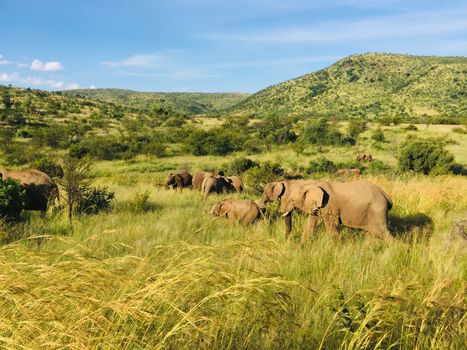
This iconic landscape, home to the Great Migration, faces threats from human encroachment and the fragmentation of its vast migratory routes, which are essentially natural wildlife corridors.
The Solution:
Conservation efforts focus on maintaining the integrity of the ecosystem, working with local communities to mitigate human-wildlife conflict, and ensuring that the migration routes remain open and safe.
- How You Can Help: Choose safari operators who adhere to strict ethical wildlife viewing guidelines and contribute to local conservation initiatives and anti-poaching efforts. Support community conservancies bordering the national parks.
- Pro-Tip: Visit during the Great Migration (timing varies, but typically June-October for the Mara River crossing). Book with operators who have a proven track record of supporting local conservation.
- Insider Lingo: Experience a Maasai Boma (village) visit that is respectful and contributes directly to the community's well-being and their role in protecting the ecosystem.
- Quick Facts:
- Estimated Cost: Safari packages can range from $300-$1000+ per person per day, depending on luxury level and duration.
- Best Time to Visit: June to October for the Great Migration, or January to February for calving season in the southern Serengeti.
- How to Get There: International flights to Kilimanjaro International Airport (Tanzania) or Jomo Kenyatta International Airport (Kenya), followed by light aircraft transfers to bush airstrips.
Making a Lasting Impact: Beyond the Trip
The influence of your travels doesn't have to end when you return home.
- Share Your Knowledge: Become an advocate. Share what you've learned about wildlife corridors and responsible travel on social media, with friends, and family. Use your own stunning photos and videos to inspire others!
- Donate to Trusted Organizations: Identify reputable conservation groups working on the ground to protect and expand wildlife corridors.
- Support Policy Changes: Stay informed about conservation policies in your own country and globally. Advocate for stronger protections for natural habitats.
The world is a complex, interconnected web of life. By understanding and supporting wildlife corridors, you're not just planning a vacation; you're investing in the future of our planet. So, the next time you dream of adventure, remember that your journey can be a powerful force for good, a whisper of hope echoing through the wild, untamed spaces that connect us all.