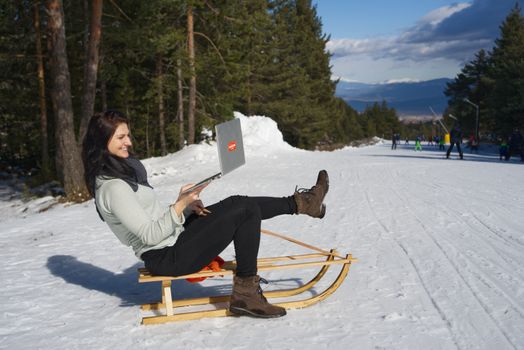
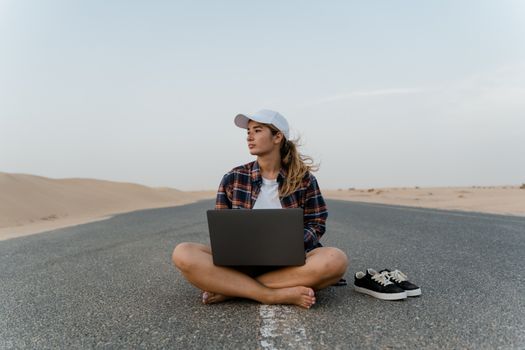
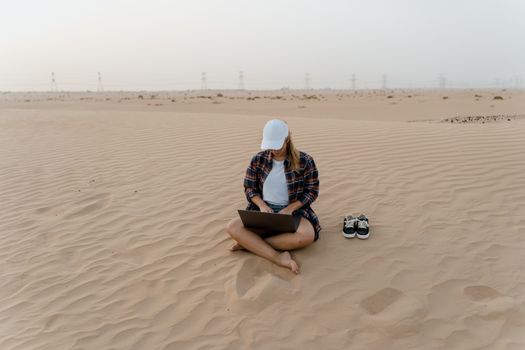
The year was 2017. I was sitting on a rickety wooden chair in a tiny hostel in Chiang Mai, Thailand, my laptop precariously balanced on a wobbly table. My bank account, let's just say, was looking more like a barren desert than a lush oasis. Yet, there I was, months into my digital nomad journey, still exploring, still experiencing, and still somehow… not broke. My secret? I’d stumbled upon a few unconventional ways to stretch my travel budget, often getting my accommodation and sometimes even meals completely free.
It wasn't about sleeping on couches or relying on distant relatives. It was about leveraging my skills, my time, and a healthy dose of resourcefulness to unlock experiences most travelers only dream of paying for. Fast forward to today, and while some of those methods are gaining traction, there are still incredible, under-the-radar opportunities to travel for free as a digital nomad – if you know where to look.
We're talking about going beyond the well-known work-for-stay platforms and delving into truly pre-mainstream strategies. These aren't just about saving money; they're about deeper immersion, authentic connections, and a travel style that's richer and more rewarding. Ready to ditch the hefty accommodation bills and embrace a new way of exploring? Let’s dive in.
1. The Art of Skill-Based Bartering: Beyond the Farm Gate
When most people think of "work exchange," their minds often jump to WWOOFing (Worldwide Opportunities on Organic Farms) or hostel reception gigs. While these are valid, the true pre-mainstream magic lies in leveraging your digital or specialized skills in exchange for accommodation and sometimes even food. This goes far beyond the typical.
What it is:
Instead of manual labor, you're offering your professional expertise. Think social media management for a boutique hotel in Tuscany, photography for an eco-lodge in Costa Rica, web design for a local artisan in Portugal, or even teaching English online to a family in exchange for a spare room. The key is to think creatively about what skills you possess that a small, independent business or individual might need but can't afford to hire for.
Why it's pre-mainstream:
Most businesses, especially smaller ones in less tourist-saturated areas, haven't even considered this as an option. They're not listing on popular work exchange sites. This means less competition and more unique opportunities for you to pitch directly.
My Experience/Anecdote:
I once spent two weeks in a stunning guesthouse nestled in the hills of Ubud, Bali. My "payment"? A few hours a day revamping their booking website and setting up their Instagram profile. The owner, a lovely local woman named Wayan, was thrilled. I got a private room, delicious homemade meals, and spent my afternoons exploring rice paddies and temples. It felt less like work and more like a collaboration. The trick was finding a place that clearly needed help but hadn't yet thought to seek it out on traditional channels.
Actionable Advice:
* Create a "Skill Résumé": List all your digital and creative skills (writing, photography, video editing, web design, social media marketing, graphic design, translation, teaching, even specialized craft skills).
* Direct Outreach is Key: Don't wait for listings. Research small, independent businesses (boutique hotels, guesthouses, local cafes, artisan workshops, community projects) in your target location. Look for their websites or social media – if they look a bit dated or neglected, that's your opening!
* Craft a Compelling Pitch: Briefly introduce yourself, highlight your relevant skills, and explain how you can add value to their business. Be specific with examples. Offer a set number of hours per week (e.g., 15-20 hours) in exchange for accommodation.
* Network Locally: Once you arrive in a new place, talk to people! Ask around if anyone needs help with their online presence or a specific project. Word-of-mouth is golden in many communities.
2. Strategic House Sitting: Beyond the Obvious Platforms
House sitting has gained popularity, with platforms like TrustedHousesitters leading the charge. While these are great, the "pre-mainstream" approach means looking beyond the most competitive listings and finding opportunities through less obvious channels, often for longer durations and in more unique settings.
What it is:
You live in someone's home (often caring for pets or plants) while they're away, in exchange for free accommodation. The pre-mainstream angle involves tapping into niche communities, direct referrals, or seeking out specialized caretaker roles.
Why it's pre-mainstream:
Many homeowners, especially those with unique properties or long-term needs, prefer a more personal vetting process than a public platform. They might seek referrals within expat groups, private communities, or through property management agencies specializing in luxury or rural estates.
My Experience/Anecdote:
My friend, Sarah, landed a dream house-sitting gig for six months in a stunning villa in Provence, France. It wasn't on any major platform. The owners, a retired couple, were looking for someone mature and reliable to manage their extensive garden and two cats while they traveled. Sarah found the opportunity through a private Facebook group for "Expats in Southern France." She spent her mornings tending the roses and enjoying the local markets, and her afternoons working on her copywriting business from a sun-drenched terrace overlooking lavender fields. The key was being part of a specific, smaller community.
Actionable Advice:
* Niche Facebook Groups: Join expat groups, digital nomad groups specific to a region (e.g., "Digital Nomads in Portugal," "Expats in Oaxaca"), or even groups for specific interests (e.g., "Organic Gardeners Worldwide"). People often post house-sitting needs here first.
* Direct Approach with Property Managers: Contact property management companies in desirable areas, especially those specializing in vacation rentals or second homes. Offer your services as a reliable caretaker for off-season periods or longer stints.
* Local Bulletin Boards & Community Centers: In smaller towns, physical bulletin boards at community centers, libraries, or even local cafes can sometimes list opportunities. It's old school, but effective for finding local, less-advertised gigs.
* Build a Strong Profile (Even Off-Platform): Have a professional bio, glowing references (from previous landlords, employers, or even character references), and clear photos ready. Emphasize your reliability, responsibility, and any specific skills (gardening, pet care, minor maintenance).
* Offer Specialized Skills: If you have skills like advanced gardening, minor repairs, or even home-based business management, highlight them. This makes you stand out for more complex, longer-term sits.
3. Grant-Funded & Research-Based Travel: The Academic Nomad
This is perhaps the most "underground" method for the typical digital nomad, but incredibly rewarding. It involves leveraging small grants, research opportunities, or even artist residencies that often include travel and accommodation.
What it is:
You travel to a location to conduct research, participate in a cultural exchange, document a specific phenomenon, or create art, funded by a grant or institution. Your digital nomad work continues alongside this project.
Why it's pre-mainstream:
Most digital nomads don't consider themselves "researchers" or "artists" in this formal sense, but many possess skills that could qualify. The grants are often small, highly specific, and require a bit of digging to find, meaning less competition.
My Experience/Anecdote:
I met a fellow nomad in Colombia who was on a micro-grant from a cultural foundation. Her project? To document the fading art of indigenous weaving in the Sierra Nevada de Santa Marta mountains using photography and written narratives. She was provided with a small stipend for living expenses and travel within the region, and her accommodation was often arranged through local community leaders. While she dedicated a significant portion of her time to the project, she still managed her remote content writing business in the evenings. It was an incredible way to gain deep cultural access and fund her travels.
Actionable Advice:
* Identify Your Niche Passion: What are you genuinely curious about? Local crafts, environmental issues, history, language, specific cultural practices?
* Research Grant Databases: Look for grants from cultural foundations, NGOs, universities (even if you're not a student, some have community-based grants), or environmental organizations. Keywords: "micro-grants," "cultural exchange grants," "artist residencies," "research travel grants."
* Think Small and Local: Don't aim for huge, competitive grants. Look for smaller, regional grants that might offer just enough to cover your living costs for a few weeks or months.
* Develop a Project Proposal: Even for small grants, a clear, concise proposal outlining your project, its objectives, methodology, and expected outcomes is crucial. Highlight your digital nomad skills (photography, writing, web development) as assets for documenting and sharing your findings.
* Network with Academics & NGOs: Attend online webinars, join relevant forums, and connect with people working in fields related to your interests. They often know about lesser-known funding opportunities.
4. The "Local Expert" Exchange: Your Knowledge as Currency
If you've spent time in a particular region or have a unique skill that tourists or fellow travelers might value, you can leverage this as currency. This is about offering a service or experience in exchange for your stay.
What it is:
You provide a specialized service or local knowledge (e.g., guided tours, language lessons, cooking classes, photography workshops, local insights) to a hostel, guesthouse, or even a group of travelers, in exchange for free accommodation or other perks.
Why it's pre-mainstream:
This is highly localized and often arises from direct relationships. Businesses aren't typically advertising for "local expert guides" to exchange for room and board; you're creating the opportunity.
My Experience/Anecdote:
In Lisbon, I met a guy who was funding his stay by leading "secret" street art tours. He had spent months exploring the city's hidden alleys and knew all the local artists. He approached a few hostels, offering to lead tours for their guests a few times a week, and in return, he got a private room and breakfast. He was passionate, knowledgeable, and provided immense value to the hostels, who could offer a unique experience to their guests without extra cost. He wasn't a licensed guide; he was just a passionate local expert.
Actionable Advice:
* Identify Your Expertise: What unique knowledge or skill do you have that others would pay for, or that a local business could offer to their clients? (e.g., "I know all the best vegan eateries in Berlin," "I can teach basic Spanish," "I'm a great storyteller and know the local legends").
* Target Hostels & Guesthouses: These are often the most open to creative exchanges. They're always looking for ways to enhance guest experience.
* Create a "Menu" of Services: Clearly outline what you can offer, how often, and what you expect in return.
* Be a Social Butterfly: Talk to other travelers, hostel staff, and locals. Find out what people are looking for and where the gaps are. Your next opportunity might come from a casual conversation.
5. Location-Specific Digital Nomad Incentives & Caretaker Roles
This is a burgeoning area, with some governments and private entities actively trying to attract digital nomads to specific regions, often with perks that include reduced living costs or even free accommodation for certain roles.
What it is:
* Digital Nomad Visas with Perks: While many countries now offer digital nomad visas, some go a step further, offering incentives like tax breaks, access to co-working spaces, or even partnerships that help with finding affordable or subsidized housing.
* Rural Revitalization Programs: Smaller towns, particularly in Europe (Italy, Spain, France), are struggling with depopulation. Some offer incredibly cheap housing (sometimes for symbolic prices like €1) or even caretaker roles for abandoned properties, in exchange for you moving there and contributing to the local economy.
* Remote Caretaker/Steward Roles: Think lighthouse keepers, national park stewards, eco-lodge caretakers, or even managing a remote property for a wealthy owner. These roles often come with free accommodation in unique, off-grid settings.
Why it's pre-mainstream:
These programs are new, often experimental, and not widely publicized outside of specific government or community channels. The caretaker roles are highly niche and require a specific mindset.
My Experience/Anecdote:
While I haven't personally done a rural revitalization program, I've followed stories of digital nomads moving to places like Santo Stefano di Sessanio in Italy, where they were offered incentives to live and work. A friend of a friend, Mark, secured a six-month gig as a caretaker for a private nature reserve in Patagonia. His role involved monitoring wildlife cameras, basic trail maintenance, and keeping an eye on the property. In exchange, he lived in a rustic but comfortable cabin, completely immersed in nature, with all his basic needs covered. He worked remotely on his graphic design projects in his downtime, surrounded by stunning landscapes.
Actionable Advice:
* Monitor Government & Tourism Websites: Keep an eye on the economic development or tourism sections of countries and regions that appeal to you. Search terms like "digital nomad incentives," "rural revitalization program," "remote worker grants."
* Niche Job Boards for Caretakers: Look for specialized job boards for conservation, eco-tourism, or property management in remote areas. Websites like Workaway sometimes have these, but also search for specific conservation organizations or national park services.
* Be Prepared for Remote Living: Many of these opportunities are in less populated areas. You need to be self-sufficient, enjoy solitude, and be comfortable with potentially limited amenities.
* Highlight Reliability & Practical Skills: For caretaker roles, emphasize your trustworthiness, practical skills (basic maintenance, gardening, first aid), and ability to live independently.
6. The "Under-the-Radar" Retreat & Residency Model
Beyond formal grants, many smaller, independent retreat centers, artist communes, or even spiritual centers offer free stays in exchange for contributions that align with their ethos.
What it is:
You volunteer your skills (cooking, gardening, yoga instruction, administrative help, maintenance, social media) at a retreat center, ashram, co-living space, or intentional community in exchange for accommodation and often meals.
Why it's pre-mainstream:
These opportunities are rarely advertised on major platforms. They are often found through direct inquiries, word-of-mouth within specific communities (yoga, permaculture, art, spiritual), or on their own niche websites.
My Experience/Anecdote:
I once spent a month at a small yoga and meditation retreat center in the mountains of northern Spain. I helped with their social media and wrote blog posts about the center's philosophy. In return, I received a private room, three delicious vegetarian meals a day, and free access to all their yoga and meditation classes. It was an incredibly peaceful and productive period, allowing me to deepen my practice while continuing my remote work. I found them by searching for "yoga retreat volunteer Spain" and contacting several small centers directly.
Actionable Advice:
* Identify Your Niche Community: Are you into yoga, permaculture, sustainable living, art, or spiritual practices?
* Direct Search & Inquiry: Google "volunteer [your interest] retreat [country/region]" or "artist residency [country/region] work exchange." Look for smaller, independent centers that might not have a huge online presence.
* Craft a Personal Email: Explain your passion for their mission, highlight relevant skills, and clearly state what you can offer and what you hope to gain.
* Be Flexible & Open-Minded: These opportunities often require a willingness to adapt to community living, different routines, and sometimes more rustic conditions.
Conclusion: Your World Awaits, Free of Charge
The dream of free travel as a digital nomad isn't just a pipe dream; it's an attainable reality for those willing to think outside the box, leverage their unique skills, and embrace a spirit of adventure. These pre-mainstream methods offer more than just a free bed; they provide deeper cultural immersion, genuine connections, and experiences that are far richer than any package tour could offer.
It requires a mindset of resourcefulness, flexibility, and a willingness to give as much as you receive. It's about being proactive, seeking out opportunities where others aren't, and building relationships based on mutual benefit. So, ditch the fear of the unknown, polish up that skill résumé, and start exploring the world on your own terms. The most incredible adventures are often found off the beaten path, and sometimes, they come completely free.
Which of these 'secret' methods will you try first? Have you discovered any other unique ways to travel for free? Share your thoughts and experiences in the comments below! Let's inspire each other to unlock even more incredible, free adventures.
Pin this post for later and share it with your fellow wanderlusters! The world is waiting.
---