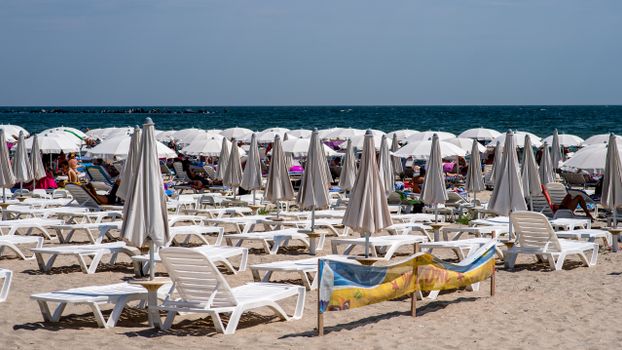
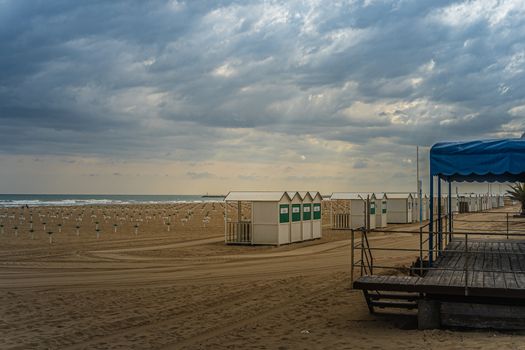
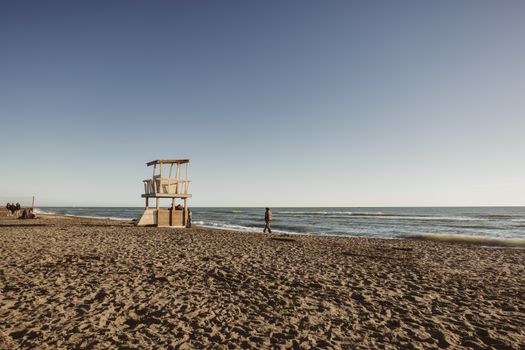
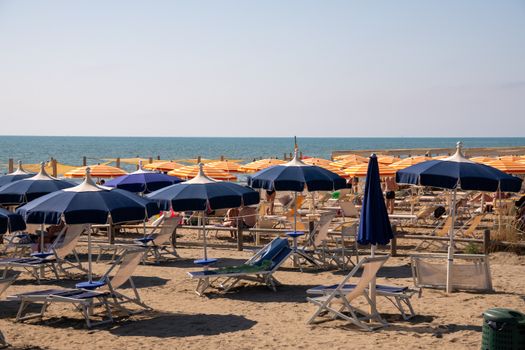
The gentle lull of waves, the whisper of the wind, the sun warming your skin without the oppressive heat. Picture this: a pristine beach stretching endlessly before you, dotted with just a handful of fellow wanderers, instead of a bustling human mosaic. Sounds like a dream, right? For years, I chased that dream, often finding myself elbow-to-elbow with thousands of others, all vying for the same slice of paradise. Then, I discovered the secret: off-season travel.
My "aha!" moment happened a few years ago in a small coastal town in Italy. It was late September. The summer throngs had departed, leaving behind a sleepy, charming village. I remember walking into a trattoria, the owner greeting me like a long-lost friend, offering me a glass of local wine before I even sat down. The seafood pasta was the freshest I’d ever tasted, the conversation flowed easily, and for the first time, I felt like I wasn't just visiting a place, but truly living it, if only for a few precious days. That trip changed everything.
Since then, I’ve become an evangelist for off-season beach escapes. And here’s the exciting part: a new wave of travelers is catching on, making certain beach towns trend specifically for their off-season appeal. These aren't just places that are "okay" when it's not summer; these are places that genuinely offer a better, more authentic, and often more affordable experience when the peak season frenzy subsides.
So, ditch the summer crowds, forget the inflated prices, and prepare to fall in love with these trending beach towns that are absolutely better in the off-season.
The Algarve, Portugal: Golden Cliffs & Quiet Coves
The Algarve, with its dramatic golden cliffs, hidden grottoes, and stunning azure waters, is a perennial favorite. But come July and August, it can feel like the entire continent has descended upon its shores. That's why the shoulder seasons – April-May and September-October – are when the Algarve truly sparkles.
Why it's better off-season:
Imagine hiking along the famous Seven Hanging Valleys Trail, the Atlantic breeze cooling your face, with only a handful of other adventurers. In peak season, this trail is a human conveyor belt. Off-season, you get to savor every panoramic view, every secret cove, every splash of ocean spray. The weather is still wonderfully mild, often sunny and warm enough for beach days (especially in September/October), but without the scorching heat. Surfing conditions are often excellent, and towns like Lagos, Tavira, and Faro revert to their charming, local pace.
My Personal Slice of Serenity:
Last May, I spent a week exploring the Algarve. One morning, I booked a kayaking tour to the Benagil Cave from Praia da Marinha. Instead of a crowded flotilla of boats, there were just three kayaks, gliding silently into the magnificent cave as the morning sun streamed through the famous hole in the ceiling. It was ethereal, almost spiritual. Afterward, I lingered over a frango piri-piri (piri-piri chicken) lunch at a local tasca in a nearly empty square in Silves, soaking in the history without the tourist rush. My accommodation, a charming guesthouse in Lagos, was nearly 40% cheaper than its summer rate, costing around €60/night.
Practical Tips:
* Explore the West Coast: While the central Algarve is stunning, head west towards Sagres for wilder, more dramatic landscapes and incredible surfing.
* Rent a Car: This is non-negotiable for exploring the hidden gems and charming inland villages. Expect car rentals to be around €20-€30/day off-season.
* Go Hiking: The Rota Vicentina and the Seven Hanging Valleys Trail are breathtaking and best enjoyed when temperatures are mild.
Instagram-Worthy Moment:
The sunrise from Ponta da Piedade in Lagos, painting the golden cliffs in fiery hues, with barely a soul around. #AlgarveOffSeason #PortugalTravel
Tulum, Mexico: Ancient Echoes & Eco-Chic Serenity
Tulum has exploded in popularity, and for good reason: ancient Mayan ruins perched above turquoise seas, mystical cenotes, and a laid-back, eco-chic vibe. But peak winter (December-February) sees prices skyrocket and crowds swell. The sweet spot? Late April-May and late October-November. You'll dodge the peak season prices and the most intense heat and humidity of summer.
Why it's better off-season:
Imagine exploring the iconic Tulum Ruins with ample space to appreciate their historical grandeur, rather than jostling for a photo op. Picture swimming in a crystal-clear cenote, the only sounds being the drip of water and the chirping of birds. During these shoulder months, the weather is still warm and sunny, with less rain than the true summer, and significantly fewer people. This means more intimate experiences and better deals on everything from boutique hotels to tours.
My Personal Slice of Serenity:
I visited Tulum in early May, right as the high season was winding down. One morning, I rented a bike (around $5/day) and cycled to the Tulum Ruins just as they opened. For the first hour, I felt like I had the entire ancient city to myself, listening to the waves crash against the cliffs below. Later, I ventured to Gran Cenote, expecting crowds. To my delight, it was relatively quiet, allowing me to truly immerse myself in the cool, refreshing water, marveling at the stalactites and the tiny fish. My eco-lodge on the beach road, usually $300+/night in peak season, was a steal at $180/night. Even a delicious meal at a popular spot like Hartwood (make reservations!) felt less rushed.
Practical Tips:
* Rent a Bike: It’s the best way to get around the hotel zone, town, and even to some cenotes.
* Book Cenote Tours Early: Even in shoulder season, popular cenotes can get busy. Go early or explore lesser-known ones like Cenote Calavera. Entry fees range from $10-$20 USD.
* Explore Sian Ka'an Biosphere: This UNESCO World Heritage site is incredible for wildlife spotting and boat tours, and it's much more enjoyable without the summer heat.
* Accommodation Deals: Look for "early bird" discounts or last-minute deals on boutique hotels, especially mid-week.
Instagram-Worthy Moment:
A perfectly framed shot of the Tulum Ruins against the turquoise Caribbean Sea, with no one else in your shot. #TulumOffSeason #EcoChicTravel
Outer Banks, North Carolina, USA: Wild Beauty, Unspoiled Shores
The Outer Banks (OBX) in North Carolina is a summer haven for families, but its true, wild beauty shines brightest in the fall (September-October) and spring (April-May). The crowds thin out, the ocean is still warm enough for a dip in early fall, and the air is crisp and invigorating.
Why it's better off-season:
Imagine driving along the scenic Highway 12, the Atlantic on one side, the Pamlico Sound on the other, without a traffic jam in sight. Fall brings spectacular sunrises and sunsets, often accompanied by dramatic skies. The wild horses of Corolla roam more freely, and climbing the iconic lighthouses (like Cape Hatteras or Bodie Island) is a pleasure without the long queues. Many restaurants and shops remain open through October, offering a more relaxed, local experience.
My Personal Slice of Serenity:
My last OBX trip was in mid-October. The air had a delightful chill, perfect for layering, and the beaches were practically deserted. One morning, I drove up to Corolla and joined a wild horse tour. Our guide told us that in summer, the horses often hide from the crowds, but in fall, they're more visible, grazing peacefully. We spotted a herd of mares and foals, completely undisturbed, a truly magical experience. Later, I spent hours beachcombing near Hatteras, finding an impressive collection of shells and sea glass, something nearly impossible during peak season. A week-long vacation rental, typically $3000+ in July, cost us about $1200.
Practical Tips:
* Pack Layers: Weather can be unpredictable, so bring everything from shorts to a light jacket.
* Check Lighthouse Schedules: Some lighthouses scale back hours or close for the winter, so check before you go. Entry is typically $10-$15.
* Go Fishing: Fall is prime fishing season, whether from the pier or surf fishing.
* Visit Jockey's Ridge State Park: Climb the massive sand dunes at sunset for an unforgettable view. It’s far less strenuous in cooler weather.
Instagram-Worthy Moment:
A shot of the Cape Hatteras Lighthouse against a dramatic fall sky, perhaps with a wild horse silhouetted in the foreground. #OBXOffSeason #WildNC
Mallorca, Spain: Island Charm Beyond the Summer Rush
Mallorca, the largest of Spain's Balearic Islands, is renowned for its stunning beaches and vibrant nightlife. But for those seeking more than just sunbathing – think hiking, cycling, and exploring charming villages – the shoulder seasons (March-May and September-October) are incomparable.
Why it's better off-season:
The extreme summer heat subsides, making the island perfect for active pursuits. The Serra de Tramuntana mountains, a UNESCO World Heritage site, become a hiker's and cyclist's paradise. The almond blossoms in spring are a sight to behold, and the grape harvest in fall offers unique culinary experiences. Palma, the capital, buzzes with local life, and the picturesque villages like Deià and Valldemossa are tranquil havens rather than crowded tourist traps. Prices for flights and accommodation drop significantly.
My Personal Slice of Serenity:
I spent a glorious week in Mallorca in early April. My days were a perfect blend of activity and relaxation. One day, I rented a road bike (around €30/day) and cycled a challenging route through the Tramuntana mountains, passing olive groves and ancient stone villages, stopping for a coffee at a tiny cafe in Fornalutx. The air was fresh, the views breathtaking, and the roads blessedly quiet. Another afternoon, I explored the winding streets of Palma, popping into local art galleries and enjoying tapas at a bustling market without having to wait for a table. My Airbnb in a charming old town apartment, usually €150/night in summer, was €80/night.
Practical Tips:
* Rent a Car (or Bike!): Essential for exploring the diverse landscapes, from mountain roads to coastal drives.
* Hiking & Cycling: Bring appropriate gear. There are trails for all levels, from gentle coastal walks to challenging mountain ascents.
* Explore Local Markets: Off-season, markets like Mercat de l'Olivar in Palma are less crowded and offer a true taste of local life.
* Visit Wineries: Many wineries offer tours and tastings, especially in the fall during harvest season.
Instagram-Worthy Moment:
A panoramic view of the Tramuntana mountains and the Mediterranean from a high vantage point, perhaps with a charming village nestled below. #MallorcaOffSeason #SpainAdventures
Sanibel Island, Florida, USA: Shelling Sanctuaries & Gentle Tides
Sanibel Island, off Florida’s Gulf Coast, is famous for its incredible shelling and pristine nature preserves. However, come winter, it becomes a snowbird hotspot, with packed restaurants and congested roads. The magic truly unfolds in late spring (May) and early fall (September-October).
Why it's better off-season:
This is when the shelling is often at its absolute best, especially after a storm or a strong tide. The island’s famous "Sanibel Stoop" (the bent-over posture of shell collectors) is far more comfortable in milder temperatures. The J.N. "Ding" Darling National Wildlife Refuge, a haven for birdwatchers, is less crowded, allowing for more peaceful encounters with the diverse wildlife. Plus, accommodation and dining prices drop, and traffic becomes a distant memory.
My Personal Slice of Serenity:
My last trip to Sanibel was in late September, just as the island was transitioning from summer. The humidity had started to lift, and the Gulf waters were still bathtub warm. Early one morning, I headed to Bowman's Beach, armed with my shelling bag. The beach was almost empty, and within an hour, I'd found a perfect conch, several sand dollars, and countless unique specimens. It was a truly meditative experience. Later, kayaking through the mangroves of the "Ding" Darling Refuge, I spotted roseate spoonbills and manatees, feeling completely at one with nature. My beachfront condo, a luxury in peak season, was surprisingly affordable at around $250/night.
Practical Tips:
* Go Shelling Early: The best shells are found at low tide, especially at sunrise.
* Visit "Ding" Darling: Rent a bike or kayak to explore the wildlife drive and trails. Check their website for seasonal hours.
* Dine Out: Take advantage of restaurant specials and enjoy meals without long waits.
* Explore Captiva Island: Just north of Sanibel, Captiva offers a slightly different, equally charming vibe.
Instagram-Worthy Moment:
A close-up of a perfectly intact junonia or conch shell found on the beach, with the gentle waves in the background. #SanibelShells #FloridaOffSeason
Crete, Greece: Mythical Landscapes, Authentic Encounters
Greece's largest island, Crete, is a tapestry of ancient history, rugged mountains, and stunning coastline. While its beaches beckon in summer, the shoulder seasons (April-May and September-October) transform it into an adventurer's and culture-lover's paradise, free from the scorching heat and tourist hordes.
Why it's better off-season:
Imagine hiking the breathtaking Samaria Gorge, one of Europe's longest, without a constant stream of people behind or in front of you. Picture exploring the Palace of Knossos, the heart of Minoan civilization, in comfortable temperatures. The weather is ideal for exploring Crete's diverse landscapes, from its charming Venetian harbors (like Chania and Rethymno) to its traditional mountain villages. Local tavernas are filled with Cretans, and you'll get a true taste of authentic island life.
My Personal Slice of Serenity:
I visited Crete in early October, and it was a revelation. The sea was still warm enough for swimming at Elafonisi Beach (the famous pink sand beach), but the crowds were a fraction of what they'd be in August. I spent a day exploring the White Mountains, driving through small villages where locals offered me homemade raki. One evening in Chania, I found a tiny, family-run taverna overlooking the harbor. The owner, a gregarious man named Giorgos, brought out dish after dish of fresh seafood and local specialties, refusing to let me leave until I'd tried everything. The bill for this incredible feast? A mere €30. My charming guesthouse in the old town was €70/night.
Practical Tips:
* Rent a Car: Crete is a large island; a car is essential for exploring its diverse regions. Expect around €25-€40/day.
* Go Hiking: Samaria Gorge is a must-do, but also explore lesser-known gorges and mountain trails.
* Visit Ancient Sites: Knossos, Phaistos, and other archaeological sites are far more enjoyable in cooler weather. Entry fees are typically €15-€20.
* Savor Local Cuisine: Embrace the slower pace and indulge in fresh, local ingredients at traditional tavernas.
Instagram-Worthy Moment:
A stunning shot of the Venetian Harbor in Chania at sunset, with its historic lighthouse and colorful buildings reflecting in the calm water, sans crowds. #CreteOffSeason #GreekIslands
Why Off-Season Rocks: The Big Picture Benefits
Beyond the specific charms of each destination, choosing the off-season offers universal advantages that elevate any trip:
- Fewer Crowds, More Authenticity: This is the big one. Imagine walking through a bustling market and actually being able to chat with vendors, or having a quiet moment to reflect at an iconic landmark. Off-season means more genuine interactions and a deeper connection to the local culture.
- Better Prices, Bigger Value: Flights, accommodation, car rentals, and even some activities can see significant price drops. This means your travel budget stretches further, allowing for longer stays or more luxurious experiences.
- Unique Experiences: From fall festivals to spring blooms, off-season often brings its own set of unique events and natural phenomena that you'd miss during peak times.
- Supporting Local Businesses: Your off-season visit helps sustain local economies during quieter periods, often making your patronage even more appreciated.
- Comfortable Exploration: Say goodbye to sweltering heat or freezing cold. Shoulder seasons often offer the most pleasant weather for exploring, hiking, or simply relaxing.
Pro Tips for Your Off-Season Escape:
- Be Flexible: Off-season means some businesses might have reduced hours or be closed for a short break. Embrace the flexibility and discover hidden gems!
- Check Weather Patterns: While generally milder, weather can be more unpredictable. Pack layers and be prepared for anything from glorious sunshine to a sudden shower.
- Book Key Activities: Even with fewer crowds, popular tours or specific experiences (like that Benagil Cave kayak) can still book up, especially on weekends.
- Embrace the Quiet: Part of the charm is the slower pace. Don't expect constant high-energy entertainment; instead, revel in the tranquility.
So, are you ready to ditch the peak season madness and discover the true magic of these trending beach towns? The off-season isn't just a compromise; it's an opportunity for deeper, richer, and more authentic travel. It’s where memories are made, not just photos.
Which off-season beach escape are you dreaming of first? Share your thoughts and plans in the comments below! And don't forget to tag us in your off-season adventures on social media – we can't wait to see where your wanderlust takes you!
---