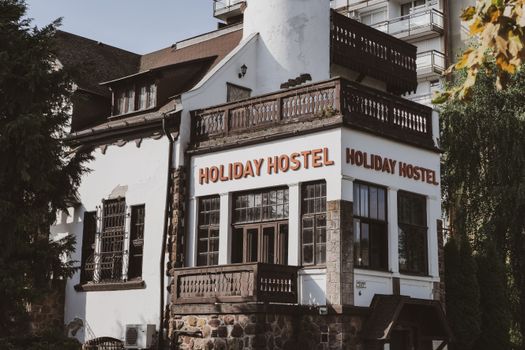
The gentle hum of the cicadas was my lullaby, the scent of lavender drifted through the open window, and the morning sun painted the ancient stone walls of the villa in warm hues. I stretched, yawned, and looked out at the rolling hills of Tuscany, a steaming cup of coffee in hand. My only "payment" for this slice of paradise? Feeding two adorable golden retrievers and watering a few potted plants. This wasn't a dream; it was my reality, thanks to the magic of free accommodation hacks.
For years, travel felt like a constant battle between wanderlust and my wallet. Every stunning view came with a mental calculation of hotel costs, every extra day felt like a luxury I couldn't afford. Then, a chance encounter with a seasoned backpacker in a bustling Bangkok hostel introduced me to a world I never knew existed – a world where a bed, a roof, and sometimes even food, could be absolutely free. It wasn't about roughing it; it was about smart, sustainable, and deeply immersive travel.
Since then, I’ve stayed in a sprawling farmhouse in rural New Zealand, a stylish apartment in central London, a cozy cabin in the Canadian Rockies, and countless other unique spots, all without paying a dime for accommodation. These aren't just money-saving tricks; they're gateways to authentic experiences, local connections, and a freedom that traditional tourism rarely offers. Ready to unlock the world without breaking the bank? Let's dive into the free accommodation hacks you need to experience before you die.
---
1. The Art of House Sitting: Your Home Away From Home (and Their Pets!)
This is, hands down, one of my favorite ways to score incredible free accommodation. House sitting involves caring for someone's home and often their pets while they're away. Think of it as a win-win: homeowners get peace of mind knowing their beloved pets and property are safe, and you get a free, comfortable place to stay, often in prime locations.
How it Works:
Platforms like TrustedHousesitters.com and HouseCarers.com connect homeowners with prospective sitters. You create a profile, browse listings, and apply for sits that match your availability and preferences.
Why it's Amazing:
* Luxury for Less (as in, FREE!): I once landed a sit in a stunning, multi-story villa overlooking the Mediterranean coast in Spain. My duties? Feeding a cat and watering plants. The view alone was worth millions, and I paid nothing. You can find everything from city apartments to rural estates.
* Live Like a Local: Forget tourist traps. You're living in someone's actual home, shopping at their local grocery store, discovering their favorite cafes, and truly integrating into the neighborhood.
* Pet Therapy on Tap: If you're an animal lover, this is a dream. Cuddles with furry friends are a huge bonus and make the stay feel even more like home. I've bonded with dogs, cats, chickens, and even a charming parrot!
Practical Tips for Success:
* Craft an Irresistible Profile: Treat your profile like a job application. Include clear photos of yourself (smiling, responsible-looking!), highlight your reliability, cleanliness, and, most importantly, your love for animals.
* Get References: Character references, especially from previous pet owners or landlords, are gold.
* Start Small: Your first few sits might not be that dreamy Tuscan villa. Start with shorter, less exotic sits to build up positive reviews. A friend of mine started with weekend sits in her own city to get her first five-star reviews.
* Communicate Clearly: Before committing, have a detailed chat (video call is best) with the homeowner. Discuss responsibilities, pet routines, emergency contacts, and house rules. Leave no stone unturned.
* Be a Five-Star Sitter: Go above and beyond. Leave the house cleaner than you found it, send regular updates to the owners (with cute pet photos!), and handle any unexpected issues calmly.
My Anecdote:
My very first house sit was a charming Victorian terrace in London, complete with a grumpy but lovable Persian cat named Chairman Meow. It was during the Christmas season, and instead of blowing my budget on an overpriced hotel, I had a cozy home base, complete with a decorated tree. I explored local markets, walked Chairman Meow (yes, he was leash-trained!) through festive parks, and truly felt like a Londoner. It built my confidence and got me my first glowing review, which opened doors to many more incredible opportunities.
---
2. WWOOFing & Work Exchange: Trade Skills for a Bed and Board
If you're looking for a deeper cultural immersion, to learn new skills, and don't mind getting your hands dirty, work exchange programs are your golden ticket. The premise is simple: you offer a few hours of work a day (typically 4-5 hours) in exchange for free accommodation and often free meals.
How it Works:
* WWOOF (World Wide Opportunities on Organic Farms): Focuses specifically on organic farming. You'll be helping with planting, harvesting, animal care, and other farm tasks.
* Workaway.info, HelpX.net, Worldpackers.com: These platforms offer a wider variety of opportunities beyond farming, including hostel work, childcare, teaching English, eco-projects, construction, social media management, and more.
Why it's Amazing:
* Skill Development & Cultural Exchange: I spent a month WWOOFing on an olive farm in Italy. I learned about olive oil production, perfected my pasta-making skills with the host family, and practiced my (terrible) Italian daily. It's a hands-on way to connect with local life.
* Longer Stays, Deeper Immersion: Work exchanges often last weeks or even months, allowing you to truly settle into a place, make local friends, and experience the rhythm of daily life beyond the tourist trail.
* Built-in Community: You're often working alongside other travelers or locals, creating an instant community and shared experiences.
Practical Tips for Success:
* Read Host Reviews Thoroughly: This is crucial. Look for hosts with consistently positive feedback, especially regarding fair work expectations, good living conditions, and a welcoming atmosphere.
* Be Clear About Expectations: Before you arrive, confirm the exact hours, type of work, days off, and what's included (accommodation, meals, laundry, Wi-Fi). Misunderstandings can spoil the experience.
* Be Flexible and Open-Minded: Farm work can be physically demanding, and hostel life can be chaotic. Embrace the unexpected and be willing to adapt.
* Consider Your Visa: For longer stays, ensure your visa allows for volunteer work or work exchange. Some countries have specific rules.
* Bring Appropriate Gear: If you're WWOOFing, sturdy work clothes, gloves, and boots are essential. For hostel work, a good attitude and willingness to socialize are key.
My Anecdote:
My most memorable work exchange was at a bustling surf hostel on the coast of Portugal. My job was to help with breakfast prep, check-ins, and social media for about 4 hours a day. In return, I got a free dorm bed, breakfast, and access to all the hostel's amenities, including discounted surf lessons. I spent my afternoons catching waves, exploring nearby beaches, and making friends from all over the world. It was a perfect blend of work, play, and authentic Portuguese living.
---
3. Couchsurfing & Hospitality Networks: The Ultimate Local Connection
Couchsurfing isn't just about a free couch; it's about cultural exchange, meeting incredible people, and getting an unfiltered glimpse into local life. It's built on a foundation of trust and hospitality, where hosts open their homes (and often their hearts) to travelers from around the world.
How it Works:
You create a detailed profile on Couchsurfing.com (or similar platforms like BeWelcome.org or Warmshowers.org for cyclists). You then search for hosts in your desired destination, send personalized requests, and hopefully, find someone willing to share their space.
Why it's Amazing:
* Genuine Local Immersion: Forget guidebooks. Your host is your personal, local expert. They'll show you hidden gems, introduce you to local cuisine, and share insights you'd never find otherwise. I've had hosts take me to secret street art alleys in Berlin and family dinners in Kyoto.
* Instant Friendships: Many of my closest travel friendships started on a Couchsurfing experience. You're living with someone, sharing stories, and often exploring together.
* It's Truly FREE: No money changes hands. The currency here is goodwill, respect, and shared experiences.
Practical Tips for Success:
* Complete Your Profile Fully: A blank profile is a red flag. Include photos, details about your travels, interests, and why you want to Couchsurf. The more information, the more trustworthy you appear.
* Read Host Reviews Meticulously: This is your safety net. Look for hosts with many positive reviews, especially from female travelers if you're a woman. Pay attention to what past surfers say about their hospitality and safety.
* Send Personalized Requests: Never send a generic copy-paste message. Read the host's profile and mention specific things you liked or have in common. Show genuine interest in them, not just their couch.
* Be a Gracious Guest: Follow house rules, keep your space tidy, and offer to help with chores or cook a meal from your home country. A small gift (like local sweets or a postcard from your hometown) is always appreciated.
* Prioritize Safety: Meet in a public place first if you're unsure. Trust your gut. If a situation feels off, politely decline or leave. Couchsurfing has a strong community, but vigilance is always wise.
My Anecdote:
In Tokyo, I Couchsurfed with a young architect named Kaito. He not only let me stay in his tiny but impeccably clean apartment but also took me to a local izakaya I would never have found, explained the nuances of Japanese etiquette, and even helped me navigate the complex subway system. We spent an evening discussing design and cultural differences, and it was a far richer experience than any hotel could have offered.
---
4. The Open Road & Outdoor Living: Camping, Van Life, and Beyond
For the adventurous soul, the world itself can be your free accommodation. This hack is about embracing the outdoors, whether it's wild camping, dispersed camping, or stealth camping in a vehicle.
How it Works:
* Wild Camping (where legal): In many countries (e.g., Scotland, Norway, parts of Sweden), wild camping is permitted, meaning you can pitch your tent almost anywhere, provided you respect the land.
* Dispersed Camping: Common in the US on Bureau of Land Management (BLM) land and in National Forests. These are designated areas where you can camp for free, usually without amenities.
* Stealth Camping/Van Life: If you have a van or a car, you can find free overnight parking spots. This requires discretion and knowing local regulations.
Why it's Amazing:
* Ultimate Freedom: No check-in times, no reservations, just you and the open road. Wake up to breathtaking views that cost millions to build.
* Nature Connection: Fall asleep under a canopy of stars, wake up to birdsong, and breathe the freshest air. It's a deeply grounding experience.
* Unbeatable Scenery: I've wild camped overlooking the dramatic fjords of Norway and woken up to kangaroos outside my tent in the Australian Outback – moments that are truly priceless.
Practical Tips for Success:
* Know the Rules: Always research local regulations for wild or dispersed camping. Ignorance is not an excuse, and fines can be hefty. Apps like iOverlander and websites like freecampsites.net are invaluable resources.
* Leave No Trace: This is non-negotiable. Pack out everything you pack in (including human waste properly disposed of), respect wildlife, and leave the area pristine.
* Safety First: Inform someone of your plans, carry essential safety gear (first-aid kit, navigation tools, headlamp), and be aware of your surroundings, especially when stealth camping in urban areas.
* Invest in Good Gear: A reliable tent, sleeping bag, and sleeping pad are crucial for comfort and safety in varying weather conditions.
* Water & Food: Plan your water and food supply carefully, as amenities will be non-existent.
My Anecdote:
My most unforgettable free night was camping by a remote glacial lake in Patagonia, Argentina. The air was crisp, the silence profound, and the stars were so bright they felt like glitter scattered across black velvet. Waking up to the sunrise painting the towering peaks of Fitz Roy was an experience that solidified my belief that the best things in life truly are free.
---
5. Volunteer Stays & Eco-Projects: Giving Back, Getting a Bed
If you're passionate about making a difference and want your travels to have a purpose, volunteer stays can be incredibly rewarding. Many organizations, from eco-lodges to community projects, offer free accommodation (and sometimes food) in exchange for your time and effort.
How it Works:
Platforms like Worldpackers.com (which does have a membership fee, but the stays themselves are free), local NGOs, and conservation organizations often list opportunities. You apply for projects that align with your skills and interests.
Why it's Amazing:
* Travel with Purpose: Contribute to a cause you care about, whether it's wildlife conservation, teaching, or sustainable farming.
* Unique Experiences: You'll gain access to places and experiences that regular tourists never see. I spent two weeks helping at a turtle conservation project in Costa Rica, patrolling beaches at night, and releasing hatchlings into the ocean. It was transformative.
* Meet Like-Minded People: You'll be working alongside other volunteers and locals who share your values, creating a strong sense of community.
Practical Tips for Success:
* Research Organizations Thoroughly: Ensure the organization is reputable, ethical, and aligns with your values. Read reviews and look for transparency.
* Understand the Commitment: Be clear about the required hours, duration of the stay, and the nature of the work. Some projects are quite demanding.
* Be Realistic About Accommodation: While it's free, it might be basic – shared dorms, tents, or simple cabins. Embrace the simplicity!
* Check Visa Requirements: Some countries have specific volunteer visas or restrictions on what types of activities you can do on a tourist visa.
* Bring Skills (or a Willingness to Learn): Even if you don't have specialized skills, enthusiasm and a good work ethic are highly valued.
My Anecdote:
A few years ago, I volunteered at a small animal sanctuary in rural Thailand. My days involved feeding rescued elephants, cleaning enclosures, and helping with general maintenance. The accommodation was a simple bamboo hut, but the experience of connecting with these magnificent creatures and the dedicated team was profound. It wasn't just a free stay; it was a soul-enriching journey.
---
6. Leveraging Your Skills: The Digital Nomad's Free Stay Playbook
Got a skill? You might have free accommodation in your pocket! Many businesses, especially in the hospitality sector, are open to exchanging accommodation for services. This is particularly popular among digital nomads or those with marketable skills.
How it Works:
You directly approach hostels, guesthouses, boutique hotels, or even small businesses and offer your services in exchange for a free room. Think social media management, website design, photography, video editing, content writing, marketing, or even teaching a skill like yoga or English.
Why it's Amazing:
* Professional Development: You get to hone your skills in a real-world setting, build your portfolio, and gain unique work experience.
* Tailored to Your Expertise: You're doing something you're good at and enjoy, rather than just any general labor.
* Networking Opportunities: Connect with business owners and other professionals in a new environment.
Practical Tips for Success:
* Build a Portfolio: Have examples of your work ready to show. For photographers, a strong online portfolio is essential. For writers, links to published articles.
* Identify Your Target: Research businesses that might need your specific skills. A small, independent boutique hotel is more likely to be open to a trade than a large chain.
* Craft a Compelling Pitch: Clearly outline what you can offer, how it will benefit their business, and what you're looking for in return (e.g., "3 hours of social media management a day for a private room"). Be professional and confident.
* Be Flexible and Adaptable: While you're leveraging your skills, be prepared that the needs of the business might evolve.
* Get it in Writing: Even for a short-term exchange, have a clear agreement outlining duties, hours, and what's included.
My Anecdote:
While traveling through Greece, I approached a charming family-run guesthouse in Santorini. I offered to take high-quality photos of their property and staff for their website and social media in exchange for a week's stay. They were thrilled! I spent my mornings shooting and my afternoons exploring the iconic white-washed villages, enjoying a truly luxurious experience without the hefty price tag. It was a perfect blend of work and paradise.
---
7. The Last Resort (But Still Free!): Overnight Travel & Airport Hacks
Sometimes, free accommodation isn't about finding a bed, but about strategically avoiding paying for one. This hack involves using overnight travel or designated resting spots to save on a night's stay.
How it Works:
* Overnight Buses/Trains: Book an overnight journey between destinations. You're covering travel costs, but effectively getting a free night's sleep (or at least rest).
* Airport/Train Station Stays: Many airports, especially major international hubs, are designed for overnight stays. Some even have designated quiet zones or sleeping pods (though some pods might have a small fee).
Why it's Amazing:
* Maximize Travel Time: You travel while you "sleep," saving precious daylight hours for exploration.
* Pure Cost Savings: You completely cut out a night's accommodation expense.
* Unexpected Comforts: Some modern airports (like Singapore Changi or Seoul Incheon) offer incredible amenities from free showers to cinema rooms, making an overnight stay surprisingly pleasant.
Practical Tips for Success:
* Research First: Check if the airport/station allows overnight stays and if there are any specific rules or safe areas. Websites like SleepingInAirports.net are fantastic resources.
* Prioritize Safety: Stay in well-lit, public areas. Keep your valuables secure and close to you.
* Come Prepared: An eye mask, earplugs, a travel pillow, and a light blanket are game-changers for comfort. Snacks and a water bottle are also essential.
* Dress in Layers: Temperatures in airports and on night buses can fluctuate wildly.
* Be Realistic: It's not a five-star hotel. Expect some noise, interruptions, and less-than-perfect sleep. But for a night or two, it's a solid, free solution.
My Anecdote:
After a late flight into Kuala Lumpur, instead of splurging on a hotel for just a few hours, I decided to "sleep" at KLIA2. I found a surprisingly comfortable reclining chair in a quiet corner, put on my eye mask and earplugs, and managed a few hours of decent rest. I woke up refreshed enough to catch my morning bus, having saved a significant amount and feeling quite proud of my budget-savvy decision.
---
Ready to Travel the World for Free?
These free accommodation hacks aren't just about saving money; they're about transforming the way you travel. They push you out of your comfort zone, connect you with locals, teach you new skills, and open your eyes to experiences you'd never find behind the walls of a conventional hotel.
Imagine the stories you'll tell, the friendships you'll forge, and the profound sense of freedom you'll gain. Don't let budget constraints be the reason you put off that dream trip. The world is waiting, and it's ready to offer you a free bed.
So, what are you waiting for? Pick a hack, do your research, and start planning your next incredible, free adventure. Your bucket list just got a whole lot longer – and a whole lot more affordable!
Which free accommodation hack are you most excited to try? Share your thoughts and any personal experiences in the comments below! And if you found this guide helpful, don't forget to share it with your fellow wanderlusters!