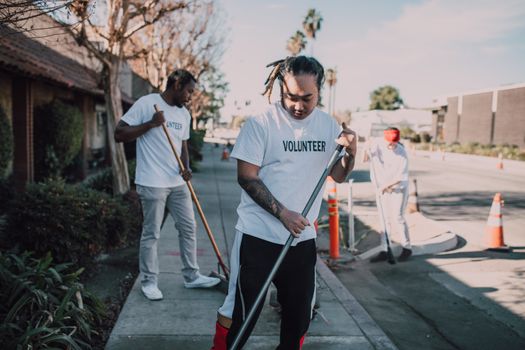
Volunteer travel, often called voluntourism, appeals to people who want to contribute while they see the world. Used well, it can support projects in education, healthcare, environmental work and community infrastructure. Used poorly, it can displace local workers, encourage dependency or deliver short-term activities that do not match real needs. The difference usually lies in how a programme is designed, who decides what work is done and how it is evaluated. This guide offers a practical checklist for judging voluntourism options, so that travelers can choose projects that benefit communities rather than their own sense of purpose.
Start with community need
A helpful programme begins with needs identified by the community itself, rather than with the volunteers' wish to help. Ask who asked for the project, how the need was assessed and whether local leaders or organizations were involved in planning. Projects that are aligned with local strategies are more likely to be sustainable.
Be cautious of programmes built around attractive activities, such as building schools or caring for animals, if the community has not requested them or already has adequate capacity. Ask how the project will continue after volunteers leave.
Check the skills and role
Consider whether your skills match the work. Short-term volunteers without relevant training may do more harm than good in areas such as healthcare, child protection or construction. Good programmes explain the role clearly, provide training and supervision, and avoid placing unqualified people in roles that require expertise.
Ask whether local people are paid for the work that volunteers might otherwise do. Volunteering should complement, not replace, local employment. If a programme relies on volunteers for ongoing service delivery, ask how it plans to build local capacity.
Protect children and vulnerable people
Any programme involving children or vulnerable adults requires strict safeguarding. Look for written policies on background checks, supervision, reporting procedures and codes of conduct. Be cautious of programmes that offer unsupervised contact with children, or that encourage tourists to form close personal relationships with minors.
Consider the wider impact of your presence. Visits by large groups of short-term visitors can disrupt routines in schools and clinics, so ask how the programme manages this and whether the schedule fits local needs.
Understand the costs
Many programmes charge fees. These may cover accommodation, food, transport and project costs, and in some cases a portion may go directly to the community. Ask for a clear breakdown of how fees are spent and what percentage supports local projects. Be wary of programmes that charge large sums with little transparency.
Compare the cost with alternatives. Donating to an established organization, or paying for a local professional to deliver a service, may achieve more than a short placement. Consider whether your money and time would have greater impact in another form.
Evaluate the organization
Look for organizations with clear mission statements, published reports and independent references. Ask how they measure outcomes, and whether they have lessons learned from previous projects. Speak to former volunteers and local partners where possible, and read reviews critically.
Transparency matters. Good organizations are open about their limitations, how they select volunteers and what happens when projects do not succeed. Be cautious of marketing that relies on emotional images of children or communities without context.
Making a responsible choice
Responsible volunteering often means choosing longer commitments, relevant skills and projects with local leadership. It may also mean recognizing that the best contribution is sometimes financial or professional rather than physical. Discuss your options with people from the community where possible, and be willing to change your plans if local partners advise against them.
Think about your own preparation as well. Learn about the local culture, language and history, and understand the expectations for visitors. Arrive with humility, and expect to learn as much as you give.
Practical tips
- Ask who identified the need and whether local leaders were involved.
- Check that your skills match the role and that training is provided.
- Confirm safeguarding policies, especially for any work involving children.
- Request a clear breakdown of fees and how they are spent locally.
- Compare the programme with donating or hiring local professionals.
- Read independent reviews and speak to former volunteers and local partners.
Common mistakes to avoid
Choosing a programme mainly because of its photographs is a frequent error, since images rarely show how work is planned or whether it is needed. Another is assuming that any form of volunteering helps by default. Short visits can disrupt routines in schools and clinics, and a project that looks worthwhile may duplicate services that already exist locally. Some travelers also arrive without basic preparation, such as learning local greetings, understanding dress expectations or reading about the community's history. Others accept a vague itinerary and then feel unsure what their days will involve. Asking for a sample schedule and a written role description before booking can reveal whether the programme has been designed with care, and reviews from local partners can add a fuller picture than participant comments alone.
Who this suits and who it doesn't
Voluntourism may suit people with relevant professional skills, time for a longer placement and a genuine interest in learning from the community. It can also suit those comfortable with simple living conditions who are willing to follow local leadership rather than their own plans. It is generally less suitable for people seeking a short, purely adventure-focused trip, or for those who expect quick, visible results. Travelers without relevant training may find that their most useful contribution is financial support for an established local organisation, rather than hands-on work on site. Overseas placements also tend to work best when they match the timeframe the community expects, rather than the timeframe that suits the visitor.
Frequently asked questions
Is a short placement ever worthwhile?
It can be, especially when the work is planned in advance, supervised and based on a clear local request. Short stays are less likely to deliver lasting value on their own. Ask the organisation how it measures progress and what it hands over at the end.
Should I expect to pay a fee?
Fees are common, but they should be transparent. Ask what they cover and how much is directed to community projects.
Can I volunteer without experience?
Some supportive roles need little specialist training when they are properly supervised. Roles involving health, children or construction usually require qualifications or a formal induction.
Volunteer travel can be a valuable part of a trip when it is designed around community priorities and run with transparency. Use the checklist to test each option, and favor organizations that put local leadership and long-term benefit first. A careful choice helps ensure that your time and resources make a real difference.