The Hook: A Symphony of Whispers on the Wind
I stepped off the rickety bus, the air thick with the scent of woodsmoke and something floral I couldn't quite place. It was dusk, and the fading light painted the thatched roofs of the village in hues of ochre and rose. But what truly captivated me wasn’t the visual spectacle; it was the sound. A murmur, a gentle cadence of voices weaving a story I couldn't understand, yet felt deeply. It was the sound of a language, ancient and beautiful, spoken by elders gathered around a fire, their faces illuminated by the flickering flames. This wasn't a tourist show; this was life. And in that moment, I understood the profound privilege of being able to not just witness, but potentially participate in the survival of such a precious human heritage.
Beyond the Classroom: Why Language Preservation Projects Are the New Frontier for Travelers
For too long, the idea of learning a language abroad conjured images of sterile classrooms and repetitive drills. But the world is waking up to a more profound, more impactful way to engage with linguistic diversity. Language preservation projects are emerging as vital hubs where travelers can become active contributors, not just passive observers. These aren't just trips; they're opportunities to immerse yourself in living cultures, to connect with communities on a deeply personal level, and to play a tangible role in safeguarding the world's linguistic heritage.
Think about it: every two weeks, a language dies. That’s not just a statistic; it’s the silencing of unique worldviews, of ancestral knowledge, of stories passed down through millennia. By choosing to learn and support these projects, you’re not just acquiring a new skill; you’re becoming a part of the solution. You're helping to ensure that these vibrant threads in the human tapestry continue to be woven for generations to come.
5 Incredible Language Preservation Projects Welcoming Learners
The beauty of these initiatives lies in their diversity. From the misty mountains of South America to the sun-drenched islands of the Pacific, there’s a project out there that will ignite your wanderlust and your desire to connect. Here are a few that have truly captured my imagination:
1. The Andean Weavers of Quechua: Voices from the Sacred Valley
The Experience:
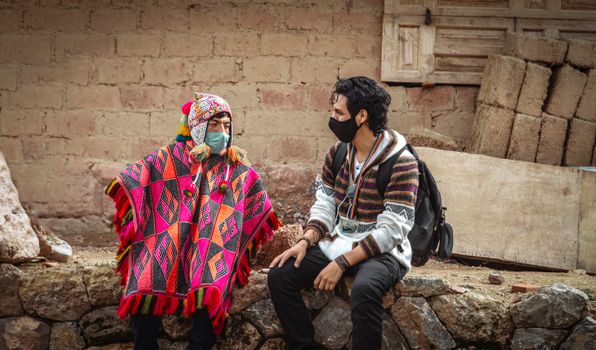
Imagine waking up to the crisp, thin air of the Andes, the jagged peaks of Machu Picchu's foothills a distant, majestic backdrop. Here, in small, tight-knit communities, the ancient Quechua language, once the tongue of the Inca Empire, is being kept alive through dedicated elders and passionate younger generations. Many projects focus on immersion through daily life, inviting learners to participate in agricultural practices, traditional weaving, and communal meals. You’ll learn Quechua not just from textbooks, but from the very people who use it to share stories, sing songs, and navigate their world.
Pro-Tip:
Arrive during the planting or harvesting season to witness and participate in the most culturally significant agricultural rituals. The local markets are a riot of color and sound – a perfect place to practice your greetings!
Insider Lingo:
You'll hear the term "Ayllu" frequently. It refers to the traditional Andean community structure, and understanding this is key to appreciating the social fabric.
Quick Facts:
- Estimated Costs: $500 - $1500/week (includes accommodation, meals, and program fees)
- Best Time to Visit: April to October (dry season)
- How to Get There: Fly into Cusco (CUZ), then take a local bus or pre-arranged transport to the Sacred Valley region.
2. The Guardians of the Forest: Learning a Bantu Language in Cameroon
The Experience:
Deep within the lush rainforests of Cameroon, indigenous communities are working tirelessly to preserve their ancestral Bantu languages. These projects often involve community-led education, where learners are welcomed into villages to assist in language classes for children and adults. Your days will be filled with learning vocabulary related to the forest – medicinal plants, animal tracks, traditional hunting techniques – all through the lens of the local dialect. Evenings might involve storytelling sessions or learning traditional music and dance.
Pro-Tip:
Pack a good quality, lightweight rain jacket. The rainforest climate can be unpredictable, and being prepared means more comfort for your immersive experience.
Authenticity Check:
Don't be surprised if your "classroom" is under the shade of a giant baobab tree, with the symphony of the jungle as your soundtrack. The local elders are the true repositories of knowledge.
Quick Facts:
- Estimated Costs: $400 - $1000/week (includes accommodation, meals, and contribution to community projects)
- Best Time to Visit: November to March (drier season)
- How to Get There: Fly into Douala (DLA) or Yaoundé (NSI), then arrange for a local guide or community representative to meet you for onward travel by road.
3. Island Echoes: Revitalizing Polynesian Languages in Vanuatu
The Experience:
The South Pacific is a treasure trove of linguistic diversity, and Vanuatu is no exception. Here, on islands where the pace of life is dictated by the tides and the sun, various communities are actively working to revitalize their unique Polynesian languages. Projects often center around cultural exchange and intergenerational learning. You might spend your mornings learning basic phrases and grammar, and your afternoons helping with local crafts, fishing, or participating in village ceremonies. The feeling of the warm ocean breeze as you practice your newfound phrases is unparalleled.
Pro-Tip:
Learn a few basic phrases before you arrive – a simple "hello" and "thank you" in the local dialect will be met with immense warmth and appreciation.
Sensory Detail:
Imagine the scent of frangipani blossoms mingling with the salty air, the rhythmic crash of waves on the shore, and the joyous laughter of children as they try to teach you their words.
Quick Facts:
- Estimated Costs: $600 - $1200/week (includes homestay, meals, and program contribution)
- Best Time to Visit: May to October (dry season)
- How to Get There: Fly into Port Vila (VLI) on Efate Island, then take inter-island flights or ferries to your specific island destination.
4. The Desert Song: Learning a Khoisan Language in the Kalahari
The Experience:
Venturing into the vast, arid landscapes of the Kalahari Desert offers a radically different yet equally profound immersion. Here, communities are striving to keep alive the ancient clicking languages of the Khoisan peoples, some of the oldest linguistic lineages on Earth. These projects often focus on traditional ecological knowledge and oral histories. You’ll learn to identify animal tracks, understand the subtle signs of the desert, and hear stories passed down through generations, all while practicing a language that sounds like the very earth itself.
Pro-Tip:
Bring a high-quality water bottle and embrace the concept of conservation. Water is precious in the desert, and respecting this resource is paramount.
The Feel of It:
The dry heat on your skin, the vast expanse of the star-studded night sky, the unique sensation of the clicks and pops of the Khoisan language forming on your tongue – it’s an experience that grounds you in the primal.
Quick Facts:
- Estimated Costs: $700 - $1300/week (includes guided excursions, accommodation, and community support)
- Best Time to Visit: May to September (cooler, drier winter months)
- How to Get There: Fly into Maun (MUB) in Botswana or Windhoek (WDH) in Namibia, then arrange for specialized 4x4 transport into the Kalahari region.
5. Arctic Roots: Reviving Indigenous Languages in Greenland
The Experience:
For those seeking a truly unique and challenging immersion, consider a project focused on revitalizing Greenlandic (Kalaallisut) in the Arctic. These initiatives often involve cultural heritage education and language immersion within family settings. You’ll learn about Inuit traditions, the challenges of Arctic living, and the rich mythology embedded in the language, often from Inuit families themselves. Imagine learning about ice fishing techniques or the aurora borealis in the very language used to describe them for centuries.
Pro-Tip:
Pack for extreme cold! Layers are your best friend. Thermal base layers, a warm mid-layer, and a windproof, waterproof outer shell are essential.
The Sound of the Arctic:
The crisp, biting wind, the distant creak of ice, and the guttural, melodic sounds of Kalaallisut – a language shaped by the stark beauty and resilience of its environment.
Quick Facts:
- Estimated Costs: $800 - $1600/week (includes homestay, meals, and program activities)
- Best Time to Visit: December to March (for winter activities and the best chance to see the Northern Lights), or June to August (for milder weather and longer daylight hours).
- How to Get There: Fly into Kangerlussuaq (SFJ) or Nuuk (GOH) from Copenhagen (CPH), then take domestic flights or ferries to smaller settlements.
The Impact: More Than Just a Holiday
Choosing to participate in a language preservation project is a powerful act of solidarity. It’s a recognition that linguistic diversity is as vital to our planet as biodiversity. Your presence, your willingness to learn, and your financial contribution directly support:
- Language Teachers and Community Leaders: Providing resources and recognition for those who are the backbone of these revitalization efforts.
- Educational Materials: Funding the creation of dictionaries, grammars, children's books, and digital resources.
- Cultural Transmission: Helping to ensure that traditional stories, songs, and knowledge are passed on to younger generations.
- Community Empowerment: Demonstrating to communities that their language and culture are valued by the wider world.
Navigating Your Journey: Practical Considerations
Embarking on such a meaningful adventure requires thoughtful planning.
Research is Key:
Don't just pick the first project you see. Read testimonials, understand the project's goals, and ensure their mission aligns with your values. Look for organizations that are transparent about their impact and how your contributions are used.
Commitment:
Be prepared for a genuine commitment. These projects are not casual tourism. You’ll be asked to participate, to learn, and to be respectful of the community's way of life.
Flexibility:
Things don't always run on a strict schedule in these settings. Embrace the ebb and flow of local life.
Humility:
You are a guest. Approach your learning and participation with humility and a genuine desire to understand.
Ethical Considerations:
Ensure the project is genuinely community-led and benefits the local people. Avoid projects that exploit cultural heritage for profit without proper community involvement.
Your Contribution Matters: Become a Linguistic Ambassador
The world is a vast, interconnected web of cultures and languages. By choosing to support language preservation projects, you're not just taking a trip; you're becoming a guardian of human heritage. You're stepping off the well-trodden path and into an experience that will enrich your life immeasurably, broaden your understanding of the world, and leave a lasting, positive impact.
So, are you ready to trade your passport for a phrasebook and your souvenir shopping for a chance to contribute to something truly extraordinary? The world’s most precious languages are waiting for you.
---