Volcano Tours That Won't Kill You: Blow Your Mind Safely!
I remember staring at the textbook photo of Mount St. Helens in elementary school, a churning, smoking beast, and thinking two things: "Wow!" and "No way I'm ever going near one of those!" For years, volcanoes remained in my mind as these terrifying, destructive forces, best admired from a very, very safe distance – preferably on a screen.
But then, something shifted. A friend returned from Guatemala with tales of roasting marshmallows over glowing lava, and another from Indonesia with photos of a sunrise over a landscape so alien it looked Photoshopped. My fear slowly morphed into an insatiable curiosity. Could you really get that close to such raw power and live to tell the tale?
The answer, my fellow adventurers, is a resounding YES!
Volcanoes are not just mountains; they are the living, breathing arteries of our planet, constantly shaping and reshaping the world beneath our feet. And while their power is undeniable, there are incredible, mind-blowing, and – most importantly – safe ways to experience their majesty. Forget the Hollywood disaster movies; we're talking about responsible, guided adventures that will leave you breathless, inspired, and with a whole new appreciation for Earth's incredible dynamism.
So, ditch the fear, pack your bags, and let Tripsora guide you to the volcanic wonders that will blow your mind, not your budget, and certainly won't kill you.
The Irresistible Call of the Crater: Why We Chase Lava
Why are we so drawn to something so inherently powerful and potentially dangerous? It's a primal fascination, isn't it? Volcanoes represent both creation and destruction, a stark reminder of the planet's ceaseless geological ballet. Standing on the rim of an active crater, feeling the rumble beneath your feet, smelling the sulfur, and witnessing the Earth literally being born or reborn – it's an experience that transcends mere sightseeing. It connects you to something ancient, powerful, and utterly humbling.
For me, it’s about feeling truly alive. In a world increasingly sanitized and predictable, a volcano adventure is a glorious, controlled dive into the wild heart of nature. It's a chance to see landscapes unlike anything else on Earth, to witness phenomena that defy imagination, and to collect stories that will outlast any souvenir.
Safety First, Thrills Second: Your Essential Volcano Survival Guide
Let's be crystal clear: "won't kill you" doesn't mean "reckless abandon." Safety is paramount on any volcanic excursion. These aren't amusement park rides; they are powerful natural phenomena that demand respect and careful preparation. Here's your essential checklist to ensure your adventure is mind-blowing and safe:
- Go with a Guide (Always!): This is non-negotiable for active volcanoes. Local guides know the terrain, the current conditions, and the early warning signs. They are your lifeline.
- Heed All Warnings: If an area is restricted, stay out. If gas levels are high, don't proceed. Park rangers and guides are there to protect you.
- Dress for Success (and Survival):
- Sturdy Hiking Boots: The terrain is often rocky, uneven, and slippery. Ankle support is key.
- Layers, Layers, Layers: Even in tropical climates, volcanic summits can be cold, especially before sunrise. Conversely, lava fields can radiate intense heat.
- Rain Gear: Weather changes rapidly in mountainous regions.
- Headlamp/Flashlight: Essential for pre-dawn hikes.
- Face Mask/Buff: For dust (Bromo) or sulfurous gases (many active craters).
- Stay Hydrated & Fueled: Bring plenty of water and high-energy snacks.
- Check Your Health: Volcano hikes can be strenuous, often at altitude. Consult your doctor if you have any pre-existing conditions.
- Respect Nature: Don't litter, stay on marked paths, and leave no trace. This isn't just about safety; it's about preserving these incredible places.
- Travel Insurance: Make sure your policy covers adventure activities.
Remember: Never compromise safety for a selfie. That epic photo isn't worth putting yourself or others at risk.
Asia's Fiery Heartbeat: Sunrise Spectacles & Sacred Peaks
Asia boasts some of the most iconic and accessible volcano experiences, blending natural wonder with rich cultural tapestry.
Mount Bromo, Indonesia: A Sunrise Spectacle from Another Planet
My first truly mind-blowing volcano experience was at Mount Bromo in East Java, Indonesia. I was skeptical – "another sunrise hike," I thought. Boy, was I wrong.
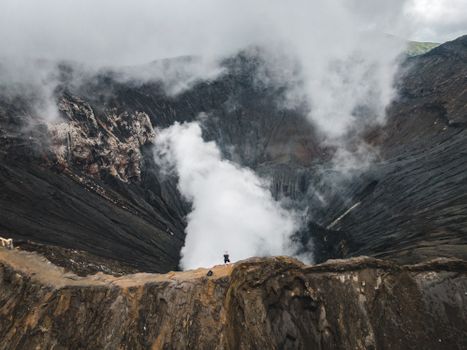
The adventure starts in the pre-dawn darkness, a bone-chilling cold cutting through my layers as our jeep bounced across the vast, misty "Sea of Sand" – a colossal caldera floor. The air was thick with anticipation and the smell of sulfur. As we ascended to a viewpoint overlooking the caldera, a faint glow began to paint the horizon.
Then, it happened. The sun slowly peeked over the horizon, casting an ethereal light on a landscape that felt utterly alien. Before me lay a vast expanse of volcanic ash, three perfectly conical volcanoes rising dramatically from the plain: Mount Batok, Mount Semeru (smoking ominously in the distance), and the star of the show, Mount Bromo, perpetually puffing white smoke. The sky erupted in a symphony of oranges, pinks, and purples. It was so surreal, so utterly breathtaking, I genuinely questioned if I was still on Earth.
After the sunrise, we descended into the Sea of Sand, where local Tenggerese people offered horseback rides across the dusty plains towards Bromo's base. The final ascent involves a steep climb up concrete steps, bringing you right to the rim of the steaming crater. The roar of the gases, the pungent sulfur, and the sheer scale of the crater are an assault on the senses. It’s a truly unforgettable experience, blending raw natural power with a profound sense of spiritual awe.
- Location: East Java, Indonesia (near Probolinggo or Malang).
- Getting There: Most tours depart from Cemoro Lawang. You can hire a jeep or join a group tour.
- Cost: National park entrance fee is around IDR 220,000-320,000 for foreigners. Jeep tours range from IDR 500,000-1,500,000 depending on inclusions (guide, transport, etc.). Horse rides are optional extras (~IDR 100,000-150,000).
- Tripsora Tip: Bring a good quality face mask or buff for the dust in the Sea of Sand and the sulfur fumes at the crater rim. Wear sturdy shoes and warm layers!
Mount Aso, Japan: Europe's Volcanic Powerhouses: Roasting Marshmallows & Night Explosions
While Aso is a magnificent caldera, its active Nakadake crater is often restricted due to high gas levels, making consistent safe viewing unpredictable. For a reliably mind-blowing (and safe!) volcano experience in Asia, Bromo truly shines.
Europe's Volcanic Powerhouses: Roasting Marshmallows & Night Explosions
Europe might not be the first continent that springs to mind for volcano adventures, but it offers some of the most dramatic and accessible experiences on the planet.
Stromboli, Italy: Nightly Firework Show from the Earth's Core
Imagine this: cruising on a boat under a blanket of stars, the inky blackness broken only by the shimmering reflections on the water. Suddenly, a deep rumble vibrates through the air, and then, a fiery explosion erupts from a dark silhouette on the horizon, sending molten lava arcing into the night sky. This isn't a movie; this is a typical evening at Stromboli, one of the Aeolian Islands off the coast of Sicily.
Stromboli is famously known as the "Lighthouse of the Mediterranean" due to its near-constant, spectacular effusive eruptions. While hiking to the summit (a challenging, guided trek) offers an incredible close-up, the most popular and safest way to witness its magic is via a boat tour. These tours typically depart in the late afternoon, allowing you to enjoy the sunset before positioning themselves a safe distance from the "Sciara del Fuoco" (Stream of Fire), where lava flows into the sea.
My first time witnessing Stromboli’s fiery ballet, I literally gasped. The sheer, raw power of the explosions, the vibrant orange and red against the dark sky – it felt like watching the Earth breathe fire. It's a truly mesmerizing, unforgettable spectacle.
- Location: Aeolian Islands, north of Sicily, Italy.
- Getting There: Ferries and hydrofoils connect Stromboli to Sicily (Milazzo, Messina, Palermo) and Naples.
- Cost: Night boat tours range from €50-€70. Guided hiking tours (for those fit enough) cost around €30-€40 plus ferry.
- Tripsora Tip: Book your boat tour in advance, especially during peak season. Bring a good camera with a tripod for those stunning night shots!
Mount Etna, Italy: Europe's Most Active & Majestic Giant
Just across the water on Sicily, Mount Etna stands as Europe's most active and highest volcano. Etna is a geological marvel, constantly rumbling, smoking, and occasionally erupting, creating a lunar-like landscape that changes with each seismic event.
Unlike Stromboli's predictable explosions, Etna offers a more expansive, exploratory experience. Tours typically involve a combination of cable car rides, specialized jeep transfers, and guided hikes, taking you across ancient lava flows and ash fields to various craters, depending on the current activity and safety conditions.
Walking on Etna felt like stepping onto another planet. The ground crunched with scoria underfoot, the air was crisp, and the views stretched across Sicily to the glittering Mediterranean. Our guide pointed out different types of lava, explained the volcano's history, and shared personal stories of living in its shadow. The sheer scale and constant evolution of Etna are truly humbling.
- Location: Sicily, Italy (near Catania).
- Getting There: Many tours depart from Catania or Taormina. You can also drive to Rifugio Sapienza on Etna's south side.
- Cost: Cable car (Funivia dell'Etna) is around €30-€50 return. Cable car + jeep + guide tours can range from €70-€200+, depending on the route and inclusions.
- Tripsora Tip: Wear sturdy, closed-toe shoes and bring layers, as it gets very cold and windy at higher altitudes. Sunglasses are a must for the bright, reflective ash.
Fagradalsfjall/Geldingadalir, Iceland: Witnessing New Earth Being Born
Iceland, the land of fire and ice, delivered one of the most incredible volcanic experiences of my life: witnessing a live eruption at Fagradalsfjall (and later, Geldingadalir) on the Reykjanes Peninsula. While eruptions here are episodic and require careful monitoring, when they're active and deemed safe, it's an unparalleled opportunity to see new land being formed before your very eyes.
The hike to the eruption site was long and challenging, traversing uneven, rocky terrain. But with every step, the anticipation built, and the air began to carry a distinct sulfuric tang. Then, cresting a ridge, I saw it: a river of molten, glowing orange lava snaking its way across the valley, fed by a vibrant red fissure. The heat was palpable, the sound a mesmerizing crackle and hiss, like a thousand campfires roaring at once.
It was primal, awe-inspiring, and profoundly moving. To stand there, watching the Earth literally create itself, feeling the power in the air, smelling the fresh rock – it's an experience that resets your understanding of the planet.
- Location: Reykjanes Peninsula, Iceland (check official sources like RÚV and SafeTravel.is for current eruption status and access).
- Getting There: Drive or take a guided tour from Reykjavik. Parking is usually available at designated spots, followed by a hike.
- Cost: Hiking to the eruption site is generally free, though parking fees might apply. Guided tours range from €100-€200.
- Tripsora Tip: This is a serious hike – bring robust hiking boots, warm, windproof, and waterproof layers, plenty of water, and snacks. Conditions can change rapidly, so be prepared for anything. Always follow official guidance.
The Americas: Lava Flows & Living Landscapes
From the lush highlands of Guatemala to the dramatic landscapes of Hawaii, the Americas offer unique volcanic encounters.
Pacaya, Guatemala: Marshmallows on Molten Rock
This was the friend's story that first sparked my volcanic curiosity, and it did not disappoint! Volcán Pacaya, a moderately active volcano near Antigua, Guatemala, offers an incredibly hands-on and delicious experience.
The hike up Pacaya is a manageable, though sometimes steep, climb through lush forests, transitioning to stark, rocky terrain. Local children often offer walking sticks or even horseback rides for a small fee, which can be a fun way to support the community. The real magic begins when you reach areas where the ground is noticeably warm, steam vents hiss, and you can see glowing cracks in the dark volcanic rock.
Our guide, with a mischievous grin, pulled out a bag of marshmallows and a few long sticks. We found a particularly hot spot, poked our marshmallows into a glowing crack, and within seconds, had perfectly toasted, gooey treats, cooked by the very heart of the Earth. It was an utterly surreal and joyful moment, a perfect blend of adventure and novelty. Standing so close to the Earth's fiery breath, while feeling entirely safe under the watchful eye of our knowledgeable guide, was truly unforgettable.
- Location: Near Antigua, Guatemala.
- Getting There: Easily accessible via guided tours from Antigua (about an hour's drive).
- Cost: Park entrance fee is Q100 (approx. $13 USD). A mandatory local guide typically costs Q200-300 per group (approx. $25-40 USD). Tours from Antigua including transport are usually around $30-50 USD.
- Tripsora Tip: Wear sturdy shoes. Bring water, snacks, and don't forget marshmallows (though some guides provide them!). The weather can change, so layers are a good idea.
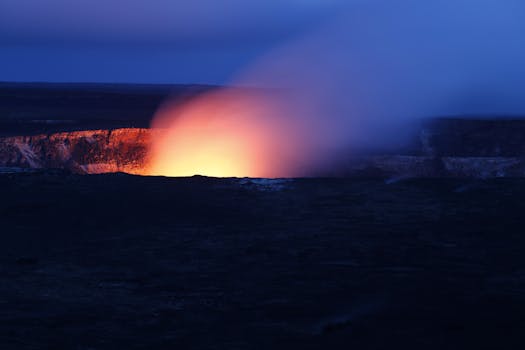
Kilauea, Hawaii, USA: Witnessing Creation in a National Park
Hawaii Volcanoes National Park
on the Big Island is a living laboratory, home to Kilauea, one of the world's most active volcanoes. While direct lava viewing isn't always possible (or safe), the park offers an incredible opportunity to explore landscapes shaped by recent eruptions.
During my visit, Kilauea wasn't erupting spectacularly, but the experience was no less profound. Walking across vast, stark black lava fields that cooled just decades ago, seeing steam vents hiss from cracks in the earth, and exploring a massive lava tube – it was like stepping into a geological textbook. The sheer scale of the solidified lava flows, stretching for miles, was a powerful testament to the volcano's immense power. The air was thick with a unique, earthy smell, and the silence, broken only by the wind, was deeply meditative.
The park is incredibly well-maintained and provides numerous safe viewing points, hiking trails (like the Kilauea Iki Trail, which descends into a solidified lava lake), and educational centers. Always check the National Park Service website for the latest updates on volcanic activity and trail closures.
- Location: Big Island, Hawaii, USA.
- Getting There: Fly into Hilo (ITO) or Kona (KOA) and drive.
- Cost: National Park entrance fee is $30 per vehicle for 7 days. Guided tours within the park are extra.
- Tripsora Tip: Wear good walking shoes, bring plenty of water, sunscreen, and a hat. The weather can be unpredictable, so pack light rain gear. Check the NPS website daily for current conditions and potential lava viewing opportunities.
Beyond the Crater's Edge: Full Immersion in Volcanic Worlds
Volcanoes aren't just about the summit; their influence creates entire ecosystems and unique experiences.
- Geothermal Hot Springs: From the Blue Lagoon in Iceland to the bubbling mud pools of Rotorua, New Zealand, and the therapeutic onsens of Japan, volcanic activity gifts us incredible natural spas. Submerging yourself in mineral-rich, naturally heated waters after a long hike is pure bliss.
- Black Sand Beaches: The dramatic, stark beauty of black sand beaches, formed from eroded volcanic rock, is unforgettable. Think Vik in Iceland, Perissa Beach in Santorini, or Punalu'u Black Sand Beach in Hawaii.
- Volcanic Vineyards: The unique mineral composition of volcanic soil creates distinct terroir. Explore vineyards on the slopes of Etna or in Santorini, where grapes thrive in seemingly impossible conditions, producing wines with unique character.
- Geothermal Parks: Places like Yellowstone National Park in the USA or Te Puia in New Zealand showcase the diverse manifestations of geothermal activity – geysers, fumaroles, and vibrant hot springs.
These experiences offer a different kind of volcanic thrill, demonstrating the life-giving and shaping power of these geological giants.
Planning Your Fiery Escape: Practical Tips & Budgeting
Ready to book your mind-blowing volcano adventure? Here's how to make it happen:
- Best Time to Visit: Generally, the dry season is best for hiking, but active eruptions can happen anytime. For specific volcanoes, research peak seasons and weather patterns. For Iceland's eruptions, it's often about being flexible and ready to go when conditions are right.
- Booking Tours: For convenience and safety, especially for active volcanoes, consider booking with reputable local tour operators. For places like Bromo or Pacaya, local guides are essential and easily arranged. For Hawaii Volcanoes National Park, self-guided exploration is very feasible with the park's excellent infrastructure.
- Accommodation: Look for guesthouses or hotels near your chosen volcano's base camp or access point to minimize travel time on the day of your adventure.
- Budgeting:
- Flights: Often the biggest cost. Look for deals to major hubs.
- Tours/Guides: Varies widely. Group tours are generally cheaper than private ones. Factor in park entrance fees.
- Accommodation/Food: Can be adapted to your budget, from budget guesthouses to luxury resorts.
- Gear: If you don't already own hiking essentials, factor in costs for good boots, layers, and a headlamp.
- Flexibility is Key: Volcanoes are natural phenomena. Eruptions can start or stop, gas levels can change, and weather can turn. Be prepared for plans to shift.
The Earth is Calling: Are You Ready?
My journey from fearing volcanoes to chasing their fiery hearts has been one of the most rewarding transformations of my travel life. It taught me that fear is often just a lack of understanding, and with proper preparation and respect, even the most powerful natural forces can be safely experienced.
Standing on the edge of a crater, feeling the pulse of our planet beneath your feet, is a reminder of how small we are, yet how incredible our world is. These are the moments that truly blow your mind, etch themselves into your memory, and ignite a deeper connection to the Earth.
So, are you ready to face the fire? To stand on the edge of creation and feel the raw power of our planet beneath your feet? The world's volcanoes are calling, promising adventures that are as safe as they are spectacular.
Share your own volcano dreams and experiences in the comments below! Which fiery peak will you conquer next?
---