The Hook: Chasing Sunlight and Serenity
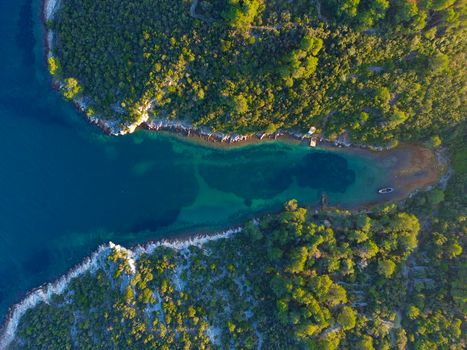
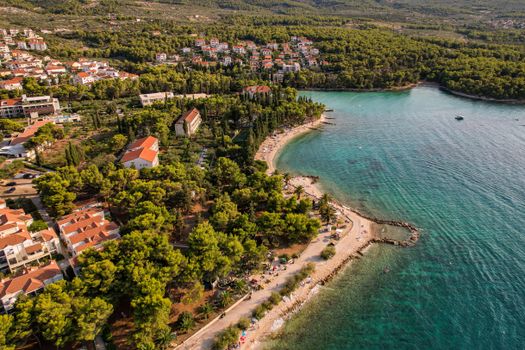
I stepped off the tiny ferry onto the island of Vis, Croatia, the salty air instantly kissing my skin, carrying the faint scent of wild rosemary and sun-baked pine. The late afternoon sun, a warm honey glow, was just beginning to dip, casting long shadows across the impossibly turquoise Adriatic. I’d seen the postcard-perfect shots of the Blue Cave, sure, but I was craving something more. Something real. And as I rounded a bend in the dusty path, the panorama that unfolded before me – a secluded cove dotted with ancient stone houses, fishing boats bobbing gently, and not a single selfie stick in sight – was pure, unadulterated magic. This, I thought, is what spring travel is truly about.
Beyond the Blue: Croatia's Untamed Coastal Charm
While everyone flocks to Hvar's buzzing nightlife or Dubrovnik's iconic walls, the lesser-known islands of the Dalmatian coast offer a spring escape that feels like stepping back in time. Vis, in particular, is a revelation. Its rugged interior, dotted with vineyards and olive groves, whispers tales of Roman settlements and Venetian rule.
Stiniva Cove: A Natural Amphitheater
Stiniva Cove
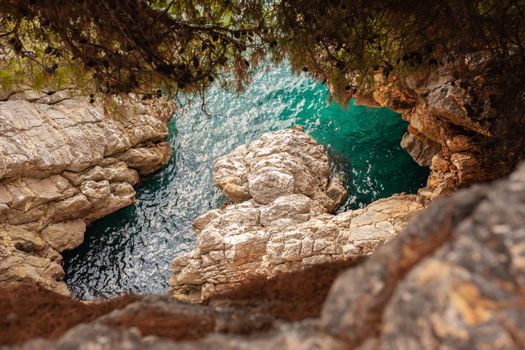
is often touted as one of Croatia’s most beautiful beaches, and for good reason. But the real magic isn't just the pebble beach itself, it's the journey and the perspective you gain from above.
Pro-Tip:
Instead of arriving by boat and swimming ashore, hike down from the village of Žužec. The trail is steep but rewarding, offering progressively stunning views of the cove as you descend. The feeling of emerging onto the beach after the trek, with the towering cliffs framing the sea, is immense.
Quick Facts: Stiniva Cove
* Estimated Cost: Free to access the beach. Ferry to Vis is variable ($20-50 USD round trip from Split). Hike is free.
* Best Time to Visit: Late April to early June. The water is still bracingly cool but swimmable, and the crowds are minimal. Mid-morning offers good light for photos.
* How to Get There: Ferry from Split to Vis Island. From Vis Town, hire a taxi or rent a scooter to Žužec village, then follow the marked hiking trail.
The Algarve's Secret Coves: Portugal's Wild West
The Algarve is synonymous with golden cliffs and crowded beaches. But venture west, beyond the well-trodden paths of Lagos and Albufeira, and you'll discover a coastline that’s raw, dramatic, and utterly captivating.
Ponta da Piedade's Quieter Siblings
Everyone knows Ponta da Piedade. But for a truly awe-inspiring experience with fewer people, head to the dramatic sea stacks and hidden grottos near Sagres.
Pro-Tip:
Explore the coastline around Praia do Beliche and Praia da Mareta. The views from the cliff tops are spectacular, especially at sunset. Look for the smaller, unmarked paths that lead to secluded viewpoints overlooking the Atlantic. The wind here is fierce, a constant companion, carrying the scent of salt and the cries of seagulls.
Insider Insight:
The local fishermen, weathered and wise, often know the best, most secluded spots. Strike up a conversation (a little Portuguese goes a long way!) and you might get an unexpected tip. The stark beauty of the Sagres fortress, perched on the southwesternmost point of mainland Europe, adds a historical layer to the dramatic natural scenery.
Quick Facts: Sagres Coastline
* Estimated Cost: Free to explore the coastline. Car rental recommended ($30-60 USD/day).
* Best Time to Visit: April to May for wildflowers and fewer crowds. Sunrise and sunset offer the most dramatic light.
* How to Get There: Fly into Faro Airport (FAO) and rent a car. Drive west towards Sagres (approx. 1.5 hours).
The Dolomites' Unsung Peaks: Italy's Alpine Majesty
While Tre Cime di Lavaredo and Seceda dominate the Instagram feeds of the Dolomites, there are countless other peaks and valleys that offer equally breathtaking, if not more serene, vistas. Spring here is a symphony of melting snow, vibrant green meadows, and the crisp, clean scent of pine.
Lago di Braies' Less-Photographed Twin
Everyone has seen the iconic boathouse at Lago di Braies. But for a similar alpine grandeur with a fraction of the crowds, consider Lago di Carezza (Karersee).
Pro-Tip:
The true magic of Lago di Carezza lies not just at the lake's edge, but in the walking trails that circumnavigate it and climb into the surrounding forests. Look for the paths that lead you above the lake. From these elevated vantage points, the emerald green waters, framed by the jagged peaks of the Latemar and Rosengarten mountain groups, feel even more surreal. The distinct aroma of damp earth and pine needles fills the air.
Authentic Detail:
The local legends say the lake is the creation of a water nymph and a sorcerer, explaining its vibrant, almost unnatural colors. The wooden walkways around the lake are charming, but the real photographic gems are often found on the less-trodden paths.
Quick Facts: Lago di Carezza
* Estimated Cost: Free to visit. Parking fee ($3-5 USD). Bus access available.
* Best Time to Visit: Late April to early June. The snow is melting, wildflowers are starting to bloom, and the reflections on the lake are stunning. Weekdays are always best.
* How to Get There: Fly into Bolzano Airport (BZO). Take a bus or rent a car to Nova Levante (Welschnofen) and follow signs to the lake.
Scotland's Hidden Highlands: Beyond Glencoe's Grandeur
Glencoe is undeniably majestic, but Scotland's Highlands are vast and full of hidden wonders that often get overlooked. Spring in the Highlands is a time of renewal, with heather beginning to bud and the landscape bursting back to life.
The Fairy Pools' Quieter Cousin
The Fairy Pools on the Isle of Skye are legendary. But for a similarly magical, yet far less crowded, experience, head to the Plodda Falls in the Glen Affric National Nature Reserve.
Pro-Tip:
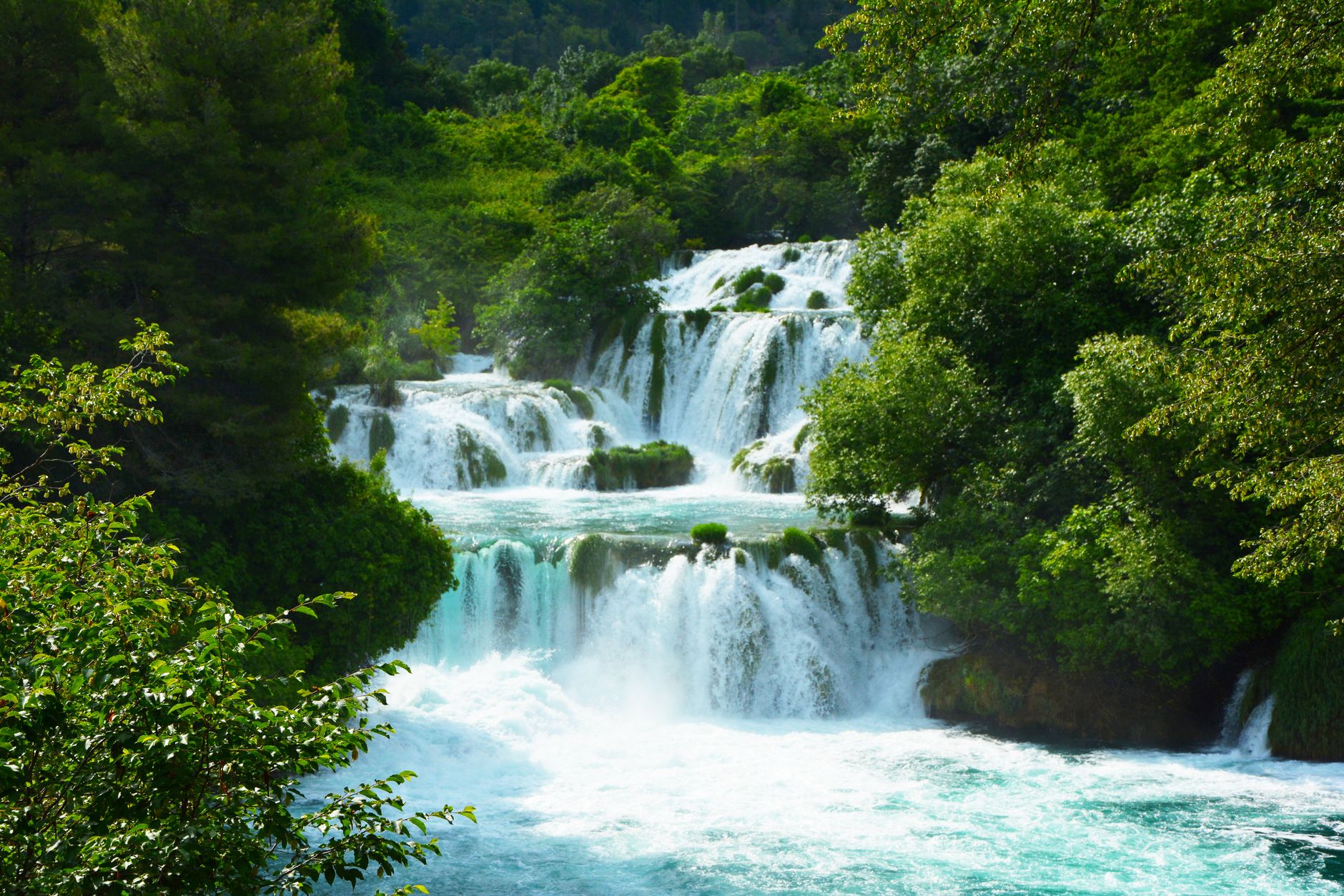
The main viewpoint for Plodda Falls is impressive, but take the longer forest walk that descends into the gorge. This allows you to experience the sheer power and scale of Scotland's highest waterfall from its base. The roar of the water is deafening, and the spray creates a constant mist, nurturing vibrant mosses and ferns clinging to the ancient rocks. The air is cool and damp, carrying the earthy scent of the Caledonian pine forest.
Insider Tip:
Glen Affric is often called "the most beautiful glen in Scotland." Its ancient Caledonian pine forests are a sanctuary for rare wildlife. Keep an eye out for red squirrels and various bird species. The drive to Glen Affric itself is an experience, winding through remote glens and past serene lochs.
Quick Facts: Plodda Falls, Glen Affric
* Estimated Cost: Free to access. Fuel for car is the main cost.
* Best Time to Visit: April to May for lush greenery and fewer midges (though they can still appear!). Weekends can be busier with local visitors.
* How to Get There: Fly into Inverness Airport (INV). Rent a car and drive south towards Drumnadrochit, then follow signs for Glen Affric and Plodda Falls. It's a remote drive, so ensure your car is in good condition.
Morocco's Atlas Mountains: A Springtime Oasis
While Marrakech and Fes draw the crowds, the High Atlas Mountains offer a spring escape that is both visually stunning and culturally rich, far from the usual tourist trails. The scent of blooming almond trees and wild thyme fills the air.
Ourika Valley's Overlooked Neighbor
The Ourika Valley is popular, but for a more authentic and breathtaking mountain experience, explore the Imlil Valley and surrounding trails.
Pro-Tip:
Hike from Imlil towards the Toubkal National Park. Even if you're not summiting Mount Toubkal, the trails offer incredible panoramas of snow-capped peaks, Berber villages clinging to the hillsides, and terraced fields bursting with spring life. Look for the Sidi Chamharouch shrine, a pilgrimage site with a unique white-domed mosque, and the stunning views from the Aroumd village. The call to prayer echoing through the valleys adds a profound layer to the experience.
Authentic Experience:
Stay in a traditional Berber guesthouse. The hospitality is warm, and the food – think tagines slow-cooked with local spices and fresh vegetables – is incredible. The intricate geometric patterns of the architecture and the vibrant colors of the textiles are a feast for the eyes.
Quick Facts: Imlil Valley
* Estimated Cost: Guesthouses ($30-100 USD/night). Guided hikes can be arranged ($50-150 USD/day).
* Best Time to Visit: March to May for pleasant temperatures, blooming almond trees, and still-visible snow on the peaks.
* How to Get There: Fly into Marrakech Menara Airport (RAK). Take a grand taxi or hire a driver to Imlil (approx. 1.5-2 hours).
The Takeaway: Your Authentic Spring Adventure Awaits
Spring is a magical time to travel, a season of awakening and vibrant new life. While the trending Instagram spots have their allure, there’s an unparalleled joy in discovering those hidden corners, those viewpoints that whisper rather than shout. These are the places where you can truly connect with your surroundings, breathe in the local air, and create memories that are uniquely your own. So this spring, dare to wander a little further, seek out the less-trodden paths, and uncover your own authentic travel masterpieces. Your feed – and your soul – will thank you for it.