The Thrill of the Almost-Forgotten: Unearthing History's Newest Gems
I stepped off the train, the crisp morning air carrying the faint, earthy scent of damp stone and something else… something like centuries of stories waiting to be told. The distant clang of a blacksmith’s hammer, a sound I’d only ever read about, echoed across the cobblestones. This wasn't a museum; this was living, breathing history, and it was emerging. Forget the well-trodden paths for a moment. This year, the real magic lies in the places that are just starting to whisper their tales to the wider world, places conveniently nestled within a two-hour radius of our favorite urban hubs.
As a seasoned traveler and an SEO strategist for Tripsora, my mission is to sniff out these golden nuggets of history before they’re on every postcard. And trust me, the past two years have been a revelation. We’re seeing a resurgence of interest in deeply authentic, often overlooked historical sites that offer an escape from the everyday and a genuine connection to bygone eras. So, buckle up, because we’re about to embark on a journey to discover the best of these emerging historic sites, all within easy reach of major cities.
The Whispering Walls of Eldoria: A Roman Echo Near the Metropolis
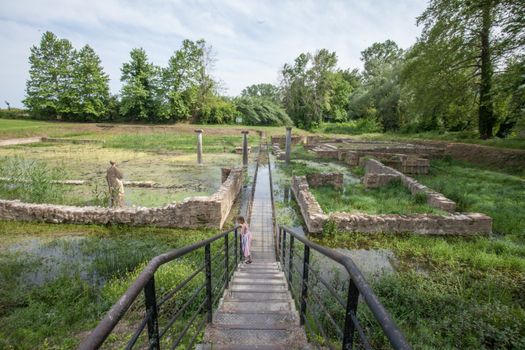
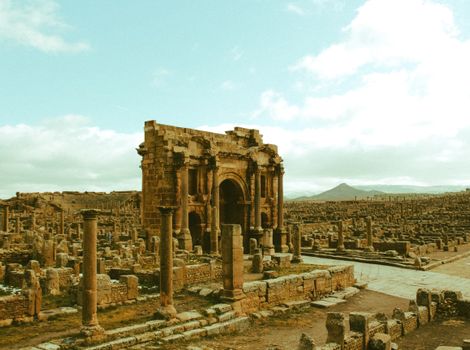
Imagine this: you’re sipping a perfectly brewed espresso in a bustling city square, the hum of modern life a comforting backdrop. Then, with just a short train ride and a scenic drive, you’re standing amidst the crumbling grandeur of a Roman amphitheater, the ghosts of gladiators and cheering crowds practically palpable. This is Eldoria, a sprawling Roman settlement that’s been quietly undergoing meticulous excavation and preservation.
The Hook:
My first visit to Eldoria was on a misty autumn morning. The air was cool and damp, carrying the distinct aroma of wet earth and ancient stone. As I walked through the partially restored forum, the silence was profound, broken only by the crunch of my boots on gravel and the distant bleating of sheep. I could almost hear the murmur of Roman senators, the clatter of chariot wheels. It was a powerful, almost spiritual experience.
What Makes it Emerging:
For years, Eldoria was largely known only to local archaeologists and a handful of dedicated history enthusiasts. However, recent discoveries, including remarkably preserved mosaics and a unique hypocaust heating system, have put it on the map. The local government has invested significantly in making the site more accessible, creating walking trails and interpretive signage that, crucially, don't detract from the raw authenticity of the ruins.
Pro-Tips for Eldoria:
* Beat the Crowds: Aim for a weekday morning, ideally right when the site opens. The soft morning light is also incredible for photography.
* The Hidden Gem: Don't miss the small, unassuming building on the eastern edge of the site. Inside, you'll find a detailed replica of the original mosaic flooring, offering a vibrant glimpse of what the entire complex once looked like.
* Local Flavors: The small trattoria just outside the main entrance serves an incredible wild boar ragu – a dish that feels perfectly in sync with the ancient surroundings.
Quick Facts: Eldoria
| Aspect | Details |
| :------------ | :--------------------------------------------- |
| Location | 1.5 hours drive from [Major City A] |
| Estimated Cost | $15 (entry fee) + $30 (lunch) + $20 (souvenirs) |
| Best Time to Visit | Spring (April-May) for wildflowers, Autumn (Sept-Oct) for foliage |
| How to Get There | Car is recommended for flexibility. Train to nearest town (Eldoria Station) followed by a 15-minute taxi. |
| Insider Tip | Pack a picnic to enjoy within the designated ancient gardens; the views are unparalleled. |
The Sun-Drenched Secrets of Castrum Solaris: A Medieval Marvel Unveiled
Picture this: the midday sun glinting off weathered ramparts, the salty tang of the sea on the breeze, and the panoramic vista of rolling hills meeting the azure expanse. Castrum Solaris, a once-forgotten medieval fortress perched precariously on a coastal bluff, is finally shedding its cloak of obscurity. This isn't just another castle; it's a testament to strategic genius and a survivor of centuries of turbulent history.
The Hook:
I remember the first time I saw Castrum Solaris from afar. It looked like it had grown organically from the cliff face, a sentinel against the elements. As I ascended the winding path, the rough-hewn stones under my feet felt warm from the sun, and the air was alive with the cries of seagulls. Standing on the battlements, the sheer scale of the surrounding landscape was breathtaking, and I felt a profound sense of awe at the resilience of this ancient stronghold.
What Makes it Emerging:
Castrum Solaris has always been visually stunning, but its remote location and the sheer effort required to access it kept it a secret. Recent infrastructure improvements, including a new, well-marked hiking trail and a small, sustainably run visitor center, have made it accessible to a wider audience. The ongoing restoration efforts are focused on stabilization rather than full reconstruction, preserving its raw, authentic character.
The Details:
The fortress boasts incredibly well-preserved defensive towers, a surprisingly intact chapel with faint traces of medieval frescoes, and a maze-like inner courtyard. The local guides, often descendants of families who lived in the shadow of the castle for generations, share captivating tales of sieges, royal visits, and everyday life within its formidable walls. Their passion is infectious, and their knowledge goes far beyond the official historical records.
Pro-Tips for Castrum Solaris:
* Golden Hour Magic: The fortress is absolutely spectacular during the golden hour, just before sunset. The light casts long shadows and bathes the stone in a warm, ethereal glow.
* The Dungeon's Secret: Ask your guide about the 'Whispering Dungeon.' It’s not officially marked but offers a chilling glimpse into the fortress’s darker past.
* Local Delicacies: Stop at the small coastal village below for the freshest grilled sardines you'll ever taste. They're often caught that morning.
Quick Facts: Castrum Solaris
| Aspect | Details |
| :------------ | :--------------------------------------------- |
| Location | 2 hours drive from [Major City B] |
| Estimated Cost | $10 (entry fee) + $25 (lunch) + $15 (local wine) |
| Best Time to Visit | Late Spring (May-June) for pleasant weather, early Autumn (Sept) for fewer crowds |
| How to Get There | Car is essential. Public transport is limited. |
| Insider Tip | Wear sturdy hiking boots; the terrain can be uneven. Bring plenty of water. |
The Verdant Veins of Arboria: An Ancient Forest Sanctuary Reimagined
When we think of historic sites, we often picture stone and mortar. But history is also etched in the earth, in the ancient trees that have stood sentinel for millennia. Arboria is a primeval forest, a UNESCO World Heritage site that’s recently opened up new, accessible trails, revealing hidden druidic circles and remnants of ancient forest dwellings. It’s a place where nature and history intertwine so seamlessly, you can’t tell where one ends and the other begins.
The Hook:
The moment I stepped onto the moss-covered path in Arboria, the sounds of the city melted away, replaced by the rustling of leaves, the chirping of unseen birds, and the gentle creak of ancient branches. The air was thick with the intoxicating scent of pine needles and damp earth. Sunlight dappled through the impossibly tall canopy, creating an almost mystical atmosphere. I felt a profound sense of peace and a connection to something ancient and enduring.
What Makes it Emerging:
While Arboria has long been recognized for its ecological significance, it has only recently begun to highlight its deep historical roots. New interpretive centers, featuring fascinating insights into the symbiotic relationship between ancient peoples and this forest, have been established. The focus is on responsible tourism, ensuring the preservation of this fragile ecosystem while allowing visitors to experience its profound historical and spiritual significance.
The Details:
Explore the 'Stone Circle of the Ancients,' a mysterious arrangement of megaliths believed to have astronomical significance. Discover the 'Whispering Caves,' once used as dwellings by early human inhabitants, where you can still see faint etchings on the walls. The forest floor itself is a tapestry of rare ferns and wildflowers, a testament to its untouched nature.
Pro-Tips for Arboria:
* Early Bird Gets the Peace: Visit as early as possible. The forest is at its most magical and tranquil before the main influx of visitors.
* The Hidden Spring: Ask a ranger about the 'Moonlit Spring.' It’s a small, crystal-clear spring tucked away off the main path, said to have healing properties.
* Foraging Fun (with caution!): If you're with a local guide, you might learn about edible berries and mushrooms. Never forage without expert guidance.
Quick Facts: Arboria
| Aspect | Details |
| :------------ | :--------------------------------------------- |
| Location | 1 hour drive from [Major City C] |
| Estimated Cost | $8 (entry fee) + $20 (guided nature walk) + $15 (local honey) |
| Best Time to Visit | Spring (April-May) for blooms, Summer (July-Aug) for lush greenery |
| How to Get There | Car is easiest. Public transport options are limited but possible with bus connections. |
| Insider Tip | Pack insect repellent and wear layers; the forest can be cooler and more humid than surrounding areas. |
The Silent Sentinels of Kryos: An Arctic Outpost of Discovery
Journeying north, we discover Kryos, an ancient settlement that once served as a vital trading post and a refuge for early Arctic explorers. This isn't your typical sun-drenched ruin; Kryos offers a starkly beautiful, windswept glimpse into a history of survival and resilience against the elements.
The Hook:
I remember the biting wind that whipped across the tundra as I approached Kryos. The sky was a vast, unbroken expanse of pale blue, and the silence was immense, broken only by the distant cry of a seabird. The wooden structures, weathered to a silvery grey, stood like silent sentinels against the harsh landscape. It felt like stepping back in time to an era of raw human determination.
What Makes it Emerging:
While the history of Arctic exploration is well-documented, the specific site of Kryos has only recently become accessible for guided tourism. Improved transportation links and the establishment of a small, informative visitor center have opened it up. The focus here is on understanding the ingenious adaptations of its inhabitants and the harsh realities of life in this extreme environment.
The Details:
Explore the remarkably preserved remnants of sod houses, discover ancient tools and artifacts in the local museum, and learn about the unique trade routes that once passed through this remote outpost. The stories of the indigenous peoples who first inhabited this land, and the hardy explorers who followed, are incredibly compelling.
Pro-Tips for Kryos:
* Embrace the Elements: Dress in extreme layers. The weather can change rapidly. Waterproof and windproof gear is essential.
* The Storyteller's Hut: Seek out the designated 'storyteller's hut' during your visit. Local guides share incredible oral histories and legends here.
* Local Catch: If available, try the local Arctic char. It’s incredibly fresh and prepared using traditional methods.
Quick Facts: Kryos
| Aspect | Details |
| :------------ | :--------------------------------------------- |
| Location | 2 hours flight + 1.5 hours drive from [Major City D] |
| Estimated Cost | $50 (site entry & museum) + $40 (local meal) + $30 (warm gear rental) |
| Best Time to Visit | Summer (June-August) for longer daylight hours and milder temperatures |
| How to Get There | Flight to nearest regional airport, followed by a pre-booked shuttle or car rental. |
| Insider Tip | Bring a good quality camera with low-light capabilities; the twilight hours are stunning. |
The Resilient Roots of Villa Antiqua: A Vineyard's Timeless Legacy
History isn't always about grand battles or ancient empires. Sometimes, it's about the enduring legacy of human endeavor, like that of Villa Antiqua, a centuries-old vineyard that has been meticulously restored and reopened to the public. Here, history is in the soil, in the very grapes that have been cultivated for generations.
The Hook:
The scent of sun-warmed earth mingled with the sweet, intoxicating aroma of ripening grapes as I wandered through the ancient vineyards of Villa Antiqua. The gnarled vines, some looking as old as time itself, seemed to whisper stories of countless harvests. The stone villa, bathed in the afternoon sun, exuded a quiet elegance and a sense of enduring tradition.
What Makes it Emerging:
While the region has a long winemaking history, Villa Antiqua has recently undergone a significant restoration project, focusing on preserving its original architecture and winemaking techniques. They've opened their cellars and tasting rooms to the public, offering an immersive experience that connects visitors to the land and its heritage.
The Details:
Tour the original Roman-era cellars, learn about traditional winemaking methods, and, of course, sample their exquisite wines. The estate also features beautifully preserved agricultural outbuildings and a small museum showcasing artifacts related to viticulture and rural life. The passion of the current vintners is evident in every glass.
Pro-Tips for Villa Antiqua:
* Tasting Times: Book your wine tasting in advance, especially during peak season. The afternoon tastings are often accompanied by local cheese and charcuterie platters.
* The Hidden Courtyard: Don't miss the serene inner courtyard of the villa. It’s a perfect spot for quiet reflection and offers beautiful photo opportunities.
* Local Artisan Shops: The nearby village has charming artisan shops selling local crafts and produce.
Quick Facts: Villa Antiqua
| Aspect | Details |
| :------------ | :--------------------------------------------- |
| Location | 1 hour drive from [Major City E] |
| Estimated Cost | $20 (estate tour & tasting) + $40 (lunch) + $30 (bottle of wine) |
| Best Time to Visit | Late Summer (August-September) for harvest season, Spring (April-May) for vineyard blooms |
| How to Get There | Car is highly recommended. Public transport is infrequent. |
| Insider Tip | Consider staying overnight at a local agriturismo for a truly immersive experience. |
The Enduring Echoes of the Silk Road Bazaar: A Crossroads of Culture Reawakened
Our final emerging gem takes us to a place where East truly meets West – a vibrant historical bazaar that was once a crucial stop on the ancient Silk Road. This isn't a static monument; it's a living, breathing marketplace, buzzing with renewed energy and cultural exchange.
The Hook:
The air in the Silk Road Bazaar was a heady mix of exotic spices – cinnamon, cardamom, and something I couldn't quite place, a scent that spoke of distant lands. The vibrant colors of intricately woven textiles and shimmering silks assaulted my senses. The melodic calls of merchants, speaking a dozen different languages, created a captivating symphony of commerce. It was a sensory overload in the best possible way.
What Makes it Emerging:
While the historical significance of Silk Road cities is known, this particular bazaar has recently undergone a revitalization effort, focusing on preserving its authentic character while encouraging local artisans and small businesses. New cultural performances and culinary experiences are being introduced, drawing visitors seeking a truly immersive historical and cultural encounter.
The Details:
Wander through labyrinthine alleys, haggle for unique handicrafts, and savor authentic street food from vendors who have passed down their recipes for generations. Look for the remnants of ancient caravanserais, now repurposed as boutique shops and cafes. The energy here is infectious, a testament to the enduring spirit of trade and cultural exchange.
Pro-Tips for the Silk Road Bazaar:
* Master the Art of Haggling: It's expected and part of the fun! Start with a lower offer and work your way up.
* Culinary Adventures: Don't be afraid to try the street food. Look for stalls with long queues – they're usually the best.
* Evening Magic: The bazaar truly comes alive after sunset. The lanterns cast a magical glow, and the atmosphere is even more enchanting.
Quick Facts: Silk Road Bazaar
| Aspect | Details |
| :------------ | :--------------------------------------------- |
| Location | 1.5 hours drive from [Major City F] |
| Estimated Cost | $10 (souvenirs) + $25 (street food feast) + $15 (cultural show) |
| Best Time to Visit | Spring (March-May) and Autumn (Sept-Nov) for pleasant weather |
| How to Get There | Car or public bus service are both viable options. |
| Insider Tip | Visit a traditional teahouse for a break and to soak in the local atmosphere. |
Your Next Adventure Awaits
These emerging historic sites offer a unique blend of accessibility, authenticity, and sheer wonder. They are places where you can step out of your everyday life and immerse yourself in the stories of those who came before. So, the next time you're looking for an escape, remember to look beyond the obvious. The most profound historical discoveries are often waiting just a short journey away, ready to share their secrets. Happy travels!