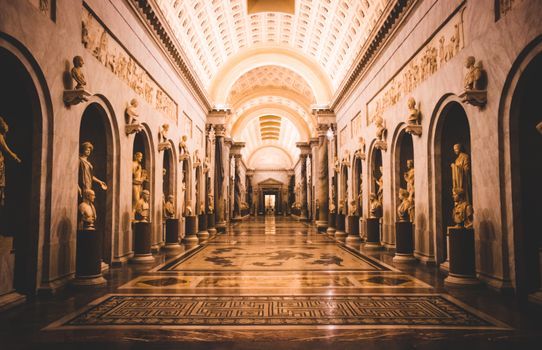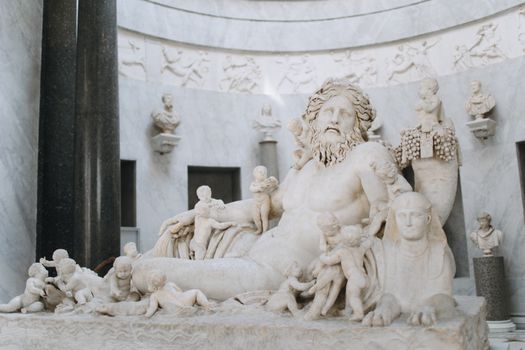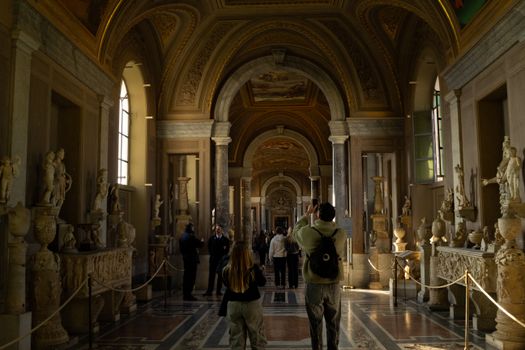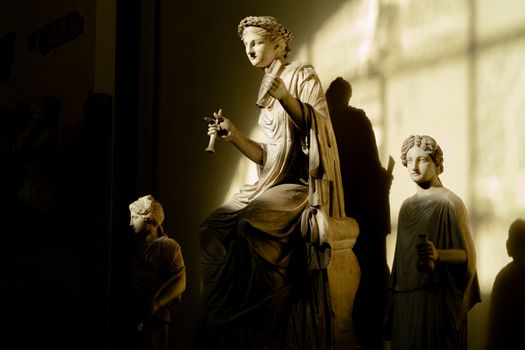
The scent of stale coffee and a thousand hushed whispers – that’s the real Mona Lisa experience at the Louvre, isn’t it? I remember stepping off the Métro at Palais Royal – Musée du Louvre, the sheer weight of expectation pressing down. The sheer volume of people, a human tide ebbing and flowing towards a single, small canvas. It's a rite of passage for many, I get it. But what if I told you there's a world of art out there, equally, if not more, profound, where the loudest sound you’ll hear is the gentle creak of your own footsteps on polished parquet?
For too long, the narrative of "must-see" art has been dominated by a select few, leaving countless other treasures languishing in relative obscurity. But as an elite travel journalist with a penchant for the undiscovered, and as your go-to SEO strategist for Tripsora, I'm here to rewrite that script. Forget the queues, the elbow jostling, and the sheer existential dread of being just another face in the crowd. We’re diving deep into a curated collection of museums that rival the Louvre in artistic merit, historical significance, and sheer awe-factor, all with the magical allure of no lines, right now.
---
The Unseen Masterpieces: Why "Better" Isn't Always "Bigger"
Let’s be clear: the Louvre is a titan. Its collection is vast, its history immeasurable. But "better" in the context of your travel experience often means more meaningful, more intimate, and more rewarding. It’s about connecting with art and history on a personal level, not just ticking a box. The museums I’m about to share offer exactly that – a chance to breathe, to absorb, and to truly see.
1. The Uffizi Gallery, Florence: Renaissance Reimagined (Without the Renaissance-Level Queues)
Florence. The very name conjures images of terracotta rooftops, the Arno river shimmering under a Tuscan sun, and the birth of the Renaissance. While the Uffizi Gallery is undeniably a global heavyweight, it often gets overshadowed by its Parisian counterpart in terms of sheer visitor numbers on any given day. But make no mistake, the Uffizi is where the Renaissance truly lives and breathes.
I recall standing in the Tribuna, a magnificent octagonal room, bathed in the soft, diffused light filtering through the high windows. The air was thick with the scent of aged marble and something subtly floral – perhaps from the potted plants strategically placed to soften the grandeur. Before me, Botticelli's "Primavera" and "The Birth of Venus" weren't just paintings; they were portals. The ethereal grace of Venus, the playful symbolism of "Primavera" – you can actually lean in and appreciate the delicate brushstrokes, the subtle shading, the sheer genius.
Pro-Tip:
While the Uffizi can get busy, booking your tickets well in advance online (often weeks ahead) is still your golden ticket. However, the experience of walking through its halls, especially during off-peak hours (early morning or late afternoon on weekdays), is infinitely more serene than you might imagine. The sheer scale of the collection means that even when it's busy, you can find pockets of quiet contemplation.
Insider’s Insight:
Don’t just rush to the big names. Wander into the smaller rooms dedicated to Tuscan painters like Giotto and Cimabue. Their raw, spiritual intensity is a powerful counterpoint to the more polished works of the High Renaissance. You’ll feel like you’ve stumbled upon a secret.
---
2. The Rijksmuseum, Amsterdam: Dutch Masters in a Dutch Delight
Amsterdam is a city that dances to its own rhythm – bicycles whizzing past, the gentle lapping of canal water, the aroma of stroopwafels wafting from street carts. The Rijksmuseum, with its iconic lion-guarded entrance, is a majestic institution, but often, the crowds disperse more readily than at the Louvre, especially if you time it right.
My most vivid memory here isn’t just of Rembrandt’s "The Night Watch" (though that’s an experience in itself, the sheer dynamism of the scene is palpable), but of the quiet reverence in the Gallery of Honour. The golden glow of Vermeer’s "The Milkmaid," the almost photographic detail of her focused gaze, the humble dignity of her task – it’s a moment of profound connection. You can almost hear the gentle plink of milk hitting the earthenware bowl.
Pro-Tip:
Visit on a weekday morning, ideally right at opening. The Dutch are masters of efficiency, and the museum is designed for excellent flow. The sheer number of masterpieces means you can easily spend hours here and still feel like you’ve barely scratched the surface, without feeling overwhelmed by a constant throng.
Quick Facts: Rijksmuseum, Amsterdam
| Category | Details |
| :--------------- | :------------------------------------------ |
| Estimated Cost | €22.50 (Adult General Admission) |
| Best Time to Visit | Weekdays, 9 AM - 11 AM or 3 PM - 5 PM |
| How to Get There | Tram (Lines 2, 5, 12, 247) or Metro (Noord/Zuidlijn, Rokin Station) |
Authentic Amsterdam Vibe:
Beyond the Dutch Masters, explore the museum's extensive collection of Delftware pottery. The intricate blue and white patterns tell stories of trade, tradition, and Dutch maritime history. It's a tangible link to the country's rich past.
---
3. The Prado Museum, Madrid: Spanish Grandeur, Unhurried
Madrid pulsates with a vibrant energy – the clatter of tapas plates, the passionate strumming of a flamenco guitar, the scent of roasting peppers. The Prado Museum, while a world-class institution, often offers a more manageable and deeply rewarding experience than its Parisian counterpart. The sheer volume of Spanish masters – Goya, Velázquez, El Greco – is breathtaking, and the museum's layout encourages exploration rather than a single-minded pursuit of one artwork.
I remember standing before Velázquez's "Las Meninas." It’s not just a painting; it’s a philosophical puzzle, a mirror reflecting the viewer into the scene. The complexity, the interplay of light and shadow, the enigmatic expressions on the faces – you can spend ages deciphering its layers. The silence in that room, broken only by the occasional awed murmur, was a gift.
Pro-Tip:
Purchase your tickets online in advance. If you can swing it, consider visiting during the last two hours of opening on weekdays, when admission is often free and the crowds tend to thin out significantly. The "free hours" can be popular, but the overall flow is still much more relaxed than the Louvre.
Insider’s Insight:
Make a point to seek out the works of Hieronymus Bosch. His fantastical, often unsettling, visions are a surreal departure from the classical, offering a glimpse into a different kind of artistic genius that will linger long after you leave.
---
4. The National Museum of Korea, Seoul: A Journey Through Korean History
Seoul is a city of dazzling contrasts – ancient palaces juxtaposed with soaring skyscrapers, the quiet serenity of a tea ceremony met with the frenetic energy of K-Pop. The National Museum of Korea is not just a museum; it's a sprawling testament to a millennia-old civilization, and crucially, it's designed to accommodate vast numbers of visitors without feeling claustrophobic.
The sheer scale of the artifacts is astounding. From the intricate gold crowns of the Silla Dynasty, glinting with an otherworldly luminescence, to the delicate celadon pottery, each piece whispers tales of a rich and complex heritage. I was particularly moved by the Silla Gallery, where the craftsmanship of the ancient artisans was on full display. The delicate balance and artistry in even the smallest burial objects speak volumes about their culture and beliefs. The air here feels different – charged with history, yet calm and inviting.
Pro-Tip:
The museum is immense. Prioritize sections based on your interests. The Silla Gold Crown and the Goryeo Celadon are absolute must-sees. Visit mid-week to avoid school groups, though even on busier days, the sheer size of the exhibition halls allows for ample personal space.
Quick Facts: National Museum of Korea, Seoul
| Category | Details |
| :--------------- | :------------------------------------------ |
| Estimated Cost | Free Admission (Special Exhibitions may have a fee) |
| Best Time to Visit | Weekdays, 10 AM - 12 PM or 2 PM - 4 PM |
| How to Get There | Ichon Station (Seoul Subway Line 4 & Gyeongui-Jungang Line) |
Local Flavor:
Look for the exhibits on traditional Korean crafts and daily life. The recreations of Joseon Dynasty homes and the displays of folk art offer a tangible connection to the country's cultural soul.
---
5. The Acropolis Museum, Athens: Ancient Wonders in Modern Comfort
Athens. The birthplace of democracy, philosophy, and Western civilization. The Acropolis, with the Parthenon standing sentinel, is an iconic landmark. The Acropolis Museum, located at its base, offers a modern, climate-controlled sanctuary for the ancient treasures found on the sacred rock. While it’s a popular site, the museum’s design and visitor management are superb, ensuring a far more comfortable experience than battling the elements on the Acropolis itself.
Walking through the Caryatid Gallery, with the original statues gazing serenely from their pedestals, is profoundly moving. The light, precisely engineered to mimic the Attic sun, illuminates the marble, revealing every detail of their stoic grace. You can stand and truly study them, feeling the weight of centuries. The museum is a masterclass in how to present ancient artifacts with reverence and clarity.
Pro-Tip:
Book your tickets online before you go. Arrive early in the morning, especially during peak season. The museum is designed to guide visitors through a chronological and thematic journey, making it easy to navigate without feeling lost or overwhelmed.
Insider’s Insight:
Pay close attention to the floor mosaics in the museum's lower levels. They are intricate and beautiful, offering a glimpse into the decorative arts of ancient Athens that often get overlooked in the shadow of the grand sculptures.
---
6. The Van Gogh Museum, Amsterdam: An Intimate Encounter with Genius
Yes, Amsterdam again! But this museum is a testament to how a focused collection can be just as impactful, if not more so, than a sprawling one. While the Van Gogh Museum is incredibly popular, its timed-entry system is exceptionally well-managed. You will book a slot, and you will enter at your designated time, eliminating the dreaded queue.
Standing before "Sunflowers" or "The Potato Eaters," you're not just looking at a painting; you're stepping into the raw, emotional landscape of Vincent van Gogh himself. The vibrant impasto, the swirling brushstrokes that seem to vibrate with energy – it’s an intensely personal experience. The museum’s layout, which guides you chronologically through his life and work, allows for a deep understanding of his evolution as an artist. The scent of the polished wood floors and the hushed admiration of fellow visitors create an atmosphere of shared wonder.
Pro-Tip:
This is non-negotiable: book your tickets online MONTHS in advance. The timed entry is strictly enforced and is the key to avoiding any semblance of a line. Once inside, take your time. The museum is designed for contemplation.
Quick Facts: Van Gogh Museum, Amsterdam
| Category | Details |
| :--------------- | :------------------------------------------ |
| Estimated Cost | €22 (Adult Ticket) |
| Best Time to Visit | Any pre-booked slot, but early morning or late afternoon can feel slightly less busy. |
| How to Get There | Tram (Lines 2, 5, 12, 247) or Metro (Noord/Zuidlijn, Rokin Station) |
The Dutch Touch:
The museum's educational displays are fantastic. They go beyond just showing the art, explaining Van Gogh's techniques, influences, and the psychological struggles that so profoundly shaped his work. It’s art appreciation at its finest.
---
The Takeaway: Art is Everywhere, and It’s Waiting for You
The world is brimming with artistic treasures, each offering a unique window into human creativity and history. The Louvre is magnificent, yes, but so are these other temples of art. They offer the chance to connect with masterpieces without the overwhelming crowds, to breathe in the atmosphere, and to create memories that are truly your own. So, next time you dream of art, dream beyond the obvious. Dream of the quiet halls, the unhurried moments, and the profound beauty that awaits you, line-free.
---