The air in the bustling market was thick with the scent of spices, sweat, and something else… something sweet, earthy, and utterly unfamiliar. I was in a small village in Sumatra, Indonesia, years ago, on a backpacking trip that felt more like a quest for the unknown. My guide, a jovial man named Pak Budi, pointed to a stall piled high with what looked like miniature brown pinecones, their skin resembling a snake’s scales.
“Salak,” he announced, a wide grin on his face. “Try it. You will never forget.”
Skeptical but always game for an adventure, especially a culinary one, I picked one up. It felt firm, almost prickly. Following Pak Budi’s lead, I peeled back the scaly skin to reveal three glossy, pale yellow segments. The first bite was an explosion: crisp like an apple, sweet like a pear, with a tangy, almost citrusy finish. It was unlike anything I had ever tasted, and in that moment, I realized something profound. While the world was busy chasing popular trends, there was an entire universe of flavors waiting to be discovered, hidden in plain sight, cherished by locals, and utterly unknown to the mainstream.
That salak wasn't just a fruit; it was a portal. A portal to understanding culture, connecting with people, and experiencing the raw, unadulterated essence of a place. And that, my fellow travelers and food enthusiasts, is the magic we're chasing today: the unusual fruits you can only find in certain countries, before they become the next big superfood trend, before they're hybridized and mass-produced, before they lose their unique, local charm.
So, ditch the predictable, pack your adventurous spirit (and maybe a small knife), and let's embark on a global fruit hunt!
---
1. Southeast Asia's Scaly & Spiky Sensations: Beyond the Durian
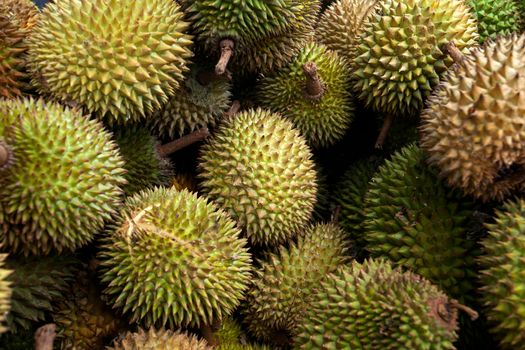
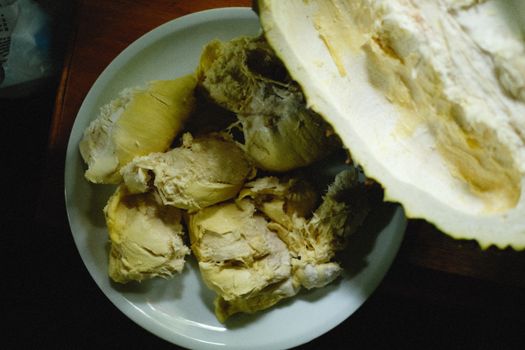
Southeast Asia is a fruit paradise, a riot of colors, smells, and textures. While durian gets all the notorious fame (or infamy), there’s a treasure trove of other unique fruits waiting to be discovered.
The Enigmatic Salak (Snake Fruit): Indonesia & Malaysia
Ah, my first love, the salak. As mentioned, its reptilian skin is deceptive. Inside, you’ll find firm, slightly crunchy, sweet segments that often have a hint of apple, pineapple, and even nuts. There are many varieties – some are sweeter, some tarter. My favorite is the Salak Pondoh from Yogyakarta, Indonesia, known for its exceptional sweetness and crispness.
* Where to find it: Ubiquitous in Indonesian and Malaysian markets. Look for roadside stalls, especially in rural areas. In Bali, visit the Ubud Traditional Art Market or the Pasar Badung in Denpasar.
* How to eat: Gently peel from the bottom, where there's usually a small 'tail.' Eat the crisp segments, avoiding the large, dark seed in the middle.
* Tripsora Tip: Don't be shy to ask vendors for the sweetest variety. They'll often let you try a piece! Prices are incredibly affordable, usually less than $1-2 per kilogram.
The Hairy Rambutan: Malaysia, Indonesia, Thailand, Vietnam
Often mistaken for lychee’s quirky cousin, the rambutan (Nephelium lappaceum) is a vibrant, hairy-looking fruit that’s pure joy to eat. Its name literally means "hairy" in Malay. Peel back the soft, pliable skin to reveal a translucent, juicy flesh that’s sweet and subtly floral, with a texture similar to a grape.
* Where to find it: Widely available across Southeast Asia during its season (typically May-October). Look for bright red fruits with green-tipped 'hairs.'
* How to eat: Use your thumbnail to break the skin, then peel it away. Pop the juicy flesh into your mouth, being careful to avoid the seed.
* Personal Anecdote: I remember sitting by a rice paddy in Vietnam, watching the sunset, and just devouring a huge bag of rambutans I’d bought for pennies. The sticky sweetness on my fingers, the warm breeze… pure bliss.
The Humble Langsat (Duku): Malaysia, Indonesia, Philippines
These small, round, pale brown fruits might look unassuming, but don't be fooled. Langsat (or Duku in some regions) grows in clusters, and once peeled, reveals translucent, segmented flesh similar to lychee, but often with a slightly more tart and aromatic flavor. It’s incredibly refreshing.
* Where to find it: Local markets across its native range. Often sold in entire branches.
* How to eat: Peel the thin, slightly sticky skin. Be careful not to bite into the small, bitter seeds often hidden within the segments.
* Instagram Moment: A pile of these unassuming beauties, freshly picked, against a vibrant tropical backdrop.
---
2. The Amazon's Hidden Gems: Flavors from the Rainforest Heart
The Amazon, a biodiversity hotspot, is a veritable laboratory of unique fruits, many of which rarely leave its lush borders. These are truly off-the-grid flavors.
The Aromatic Cupuaçu: Brazil, Peru, Colombia
Often called the "pharmacy in a fruit" by locals, Cupuaçu (Theobroma grandiflorum) is a relative of cacao, but with its own distinct personality. The large, oblong fruit has a hard, brown shell, and inside, a creamy, aromatic pulp that tastes like a complex blend of chocolate, pineapple, and passion fruit. It's incredibly fragrant and often used in juices, ice creams, and desserts.
* Where to find it: Primarily in the Amazonian regions of Brazil, Peru, and Colombia. Look for it in local markets in Manaus or Belém (Brazil), or Iquitos (Peru). You'll most often find it processed into pulp or juice.
* How to eat: The pulp is usually scooped out and blended. Try a cupuaçu smoothie or ice cream – it's a revelation!
* Tripsora Tip: While the fruit itself might be harder to find whole unless you're deep in the Amazon, the pulp is readily available in local markets and cafes. Ask for a "suco de cupuaçu" (cupuaçu juice) – it’s a game-changer!
The Trunk-Growing Jabuticaba: Brazil
This fruit is a marvel to behold! Jabuticaba (Myrciaria cauliflora) berries grow directly on the trunk and branches of the tree, giving it an otherworldly appearance. The small, dark purple fruits resemble grapes and have a sweet, slightly acidic, pulpy white flesh. The catch? They have an extremely short shelf life, often fermenting within days of being picked, making them nearly impossible to export fresh.
* Where to find it: Predominantly in southeastern Brazil, especially Minas Gerais and São Paulo states. Look for them at farmers' markets during their brief season (usually late spring/early summer and sometimes again in fall).
* How to eat: Pop them directly off the trunk (if you're lucky enough to visit a tree!) or buy them fresh. Eat them like grapes, spitting out the seeds. Locals also make jams, wines, and liqueurs from them.
* Personal Anecdote: Seeing a jabuticaba tree for the first time was like stepping into a Dr. Seuss book. The sheer abundance of fruit clinging directly to the bark was mesmerizing. I bought a small bag for a few Reais and devoured them on the spot, the sweet juice staining my fingers.
---
3. Africa's Wild & Wonderful Harvest: Desert Blooms and Taste Twisters
Africa, a continent of incredible diversity, offers fruits as unique as its landscapes. From ancient desert dwellers to miraculous taste-changers, these are truly special finds.
The Elephant-Loved Marula: Southern Africa
Famous for being the ingredient in Amarula liqueur, the Marula (Sclerocarya birrea) fruit is a staple in many Southern African diets and wildlife diets (elephants famously get tipsy from fermented fallen fruit!). These small, yellow, plum-like fruits have a distinctive, tangy-sweet flavor, often described as a mix of lychee, guava, and apple. They're rich in Vitamin C and antioxidants.
* Where to find it: Predominantly in Southern Africa (South Africa, Botswana, Namibia, Zimbabwe). The season is usually late summer (January-March). Look for roadside stalls or local markets.
* How to eat: Peel the skin and eat the juicy pulp. The large seed can be cracked open for a nutritious kernel.
* Tripsora Tip: If you're visiting during the season, try a freshly made marula juice. It's incredibly refreshing and a taste of the wild.
The Mind-Bending Miracle Berry: West Africa
This isn't just a fruit; it's an experience! The Miracle Berry (Synsepalum dulcificum) from West Africa contains a glycoprotein called miraculin, which temporarily binds to your taste buds and makes sour foods taste sweet. Pop one of these small, red berries in your mouth, swish it around, and then try a lemon – it'll taste like lemonade! Vinegar tastes like apple cider!
* Where to find it: Primarily West Africa (Ghana, Nigeria, etc.). It’s delicate and doesn't travel well. You might find it at specialty farmers' markets in larger cities or from local growers.
* How to eat: Simply chew one berry for a minute or two, letting the pulp coat your tongue, then experiment with sour foods.
* Shareable Moment: This fruit is prime for an Instagram reel or TikTok! Film yourself (and friends) trying lemons, limes, or even plain yogurt after a miracle berry. The reactions are priceless.
The Spiky Kiwano (Horned Melon): Africa & New Zealand (but African origin)
Looking like something out of a sci-fi movie, the Kiwano (Cucumis metuliferus) is an ancient African fruit now cultivated in places like New Zealand. Its vibrant orange, spiky exterior gives way to a jelly-like, bright green pulp with edible seeds. The flavor is a unique blend of cucumber, lime, and banana.
* Where to find it: While commercially grown in New Zealand, its origins are African. You're more likely to find it in specialty produce stores globally, but for an authentic experience, look for it in local markets in Southern or Central Africa.
* How to eat: Slice it in half and scoop out the pulp with a spoon. It's refreshing on its own or can be added to salads, smoothies, or cocktails.
* Instagram Moment: The striking appearance of the kiwano makes it instantly photogenic. Cut it open for a burst of green and orange!
---
4. Caribbean & Central America's Exotic Sweetness: A Tropical Medley
The lush landscapes of the Caribbean and Central America are home to a dizzying array of sweet, creamy, and often highly perishable fruits that define local cuisine.
The Velvety Mamey Sapote: Central America & Caribbean
If you haven't tried Mamey Sapote (Pouteria sapota), you're missing out on one of the creamiest, most decadent fruits on earth. This large, brown, football-shaped fruit has a vibrant salmon-to-reddish-orange flesh that tastes like a sublime blend of sweet potato, almond, honey, and pumpkin. It's often used in milkshakes, ice creams, and desserts.
* Where to find it: Common in Mexico, Central America, and the Caribbean (especially Cuba and Florida, USA). Look for it in local markets. It’s ripe when slightly soft to the touch.
* How to eat: Slice it open, remove the large, shiny black seed, and scoop out the creamy flesh. It’s divine on its own or blended into a smoothie.
* Personal Anecdote: My first mamey smoothie in a small fruteria in Mérida, Mexico, was a revelation. The richness and unique flavor were unlike any fruit I'd tasted, and it instantly became my go-to breakfast.
The "Custard Apple" Cherimoya: Andes (Peru, Ecuador, Bolivia) & Beyond
Mark Twain famously called the Cherimoya (Annona cherimola) "the most delicious fruit known to men." And he wasn't wrong. This heart-shaped, green fruit has a scaly skin and, when ripe, a creamy, fragrant white flesh that truly tastes like a blend of pineapple, banana, mango, and strawberry, with the texture of custard.
* Where to find it: Native to the Andes, it’s found in markets across Peru, Ecuador, and Bolivia. Also cultivated in California, Spain, and other Mediterranean climates.
* How to eat: Cut it in half or quarters and scoop out the creamy flesh, avoiding the large, black, inedible seeds.
* Tripsora Tip: Look for fruits that are slightly soft to the touch and have a fragrant aroma. They ripen quickly, so eat them soon after buying.
The Tangy Soursop (Guanabana): Caribbean, Central/South America, Southeast Asia
Soursop (Annona muricata), also known as Guanabana, is a large, green, spiky fruit with a distinctive, tangy-sweet flavor profile that combines pineapple, strawberry, and citrus, often with a creamy undertone. It's incredibly refreshing, especially as a juice or in desserts. It also boasts impressive health benefits, making it a local favorite.
* Where to find it: Widespread in tropical regions globally, but particularly popular in the Caribbean, Central/South America, and Southeast Asia. Easily found in local markets.
* How to eat: Slice it open and scoop out the fibrous, white pulp, discarding the black seeds. Best enjoyed chilled.
* Instagram Moment: A vibrant green soursop smoothie, garnished with a slice of lime, against a turquoise ocean backdrop.
---
5. The Philosophy of Fruit Hunting: Why Go Beyond the Banana?
So, why bother seeking out these obscure fruits when a perfectly good apple is always within reach? The answer lies in the very heart of travel and discovery:
- Cultural Immersion: Food is a universal language. Trying local fruits connects you directly to the land, its people, and their traditions. It's an authentic slice of culture you can taste.
- Supporting Local Economies: Buying directly from local farmers and market vendors ensures your travel dollars go straight into the community, fostering sustainable tourism.
- Expanding Your Palate: Challenge your taste buds! You might discover a new favorite flavor, or at least a story to tell. It’s an adventure for your senses.
- Health & Wellness: Many of these fruits are nutrient powerhouses, packed with unique vitamins, minerals, and antioxidants often lost in mainstream diets.
- The Thrill of Discovery: There's an undeniable joy in finding something truly unique, something that hasn't been homogenized for global consumption. It’s the ultimate foodie bragging right.
---
6. Your Essential Guide to Fruit Hunting: Practical Tips for the Adventurous Eater
Ready to embark on your own fruit quest? Here’s how to maximize your chances of a delicious discovery:
- Hit the Local Markets, Early! This is your prime hunting ground. Farmers and vendors bring their freshest, most unique produce to market. Go early for the best selection and to experience the morning buzz. Don't just stick to the tourist-centric markets; venture into local neighborhoods.
- Ask the Locals (Point and Smile!): Don't be afraid to point at a mysterious fruit and ask "What is this?" or "How do you eat it?" Most vendors are delighted to share their knowledge, especially if you show genuine interest. A simple "delicious!" (and the local equivalent) goes a long way.
- Look for Seasonal Availability: Fruits are seasonal. Do a quick online search for "seasonal fruits [country/region] [month of travel]" to know what to expect. This increases your chances of finding the freshest and most abundant produce.
- Trust Your Senses:
- Sight: Look for vibrant colors, no excessive bruising or blemishes.
- Touch: Most fruits should have some give when gently squeezed, indicating ripeness. Hard usually means unripe; too soft, overripe.
- Smell: A ripe fruit often has a sweet, fragrant aroma.
- Hygiene First: Always wash fruits thoroughly, especially if you're eating the skin. If in doubt, peel it. Carry hand sanitizer.
- Don't Be Afraid to Sample: Many vendors will offer samples. Take them up on it! It’s the best way to find what you like.
- Embrace the Imperfect: Local fruits might not look as polished as supermarket varieties. Embrace the natural bumps, spots, and irregularities – they often indicate authenticity.
- Carry a Small Knife (and Bag!): A small, clean paring knife can be invaluable for peeling and slicing. A reusable bag is perfect for carrying your treasures.
- General Pricing: Locally, these fruits are usually incredibly affordable, often just a few dollars for a kilogram. Prices can vary widely by season and region.
---
Conclusion: Taste the World, One Bite at a Time
The world is a magnificent, delicious place, far beyond the confines of our familiar grocery aisles. Each unusual fruit is a story, a connection to a different culture, a burst of flavor that reminds us how diverse and wondrous our planet truly is. By seeking out these local treasures, we're not just expanding our palates; we're embracing true adventure, supporting local communities, and creating unforgettable travel memories.
So, the next time you're planning a trip, add "unusual fruit hunting" to your itinerary. Step into that bustling market, ask a local, and take a bite of the unknown. You might just discover your new favorite flavor, a taste that will forever transport you back to that incredible place.
What's the most unusual fruit you've ever discovered on your travels? Share your stories and photos with us on social media using #TripsoraFruitHunt and inspire your fellow adventurers! Let’s keep these hidden gems from going mainstream for as long as we can!