The sun beat down, relentlessly. I squinted, trying to make out the iconic vista through the shimmering heat haze, but mostly, I saw phones. Dozens of them. All pointed at the exact same spot, capturing the exact same angle that had exploded across my Instagram feed for weeks. A young couple, dressed impeccably for the desert (but certainly not for a hike), struggled to hold a pose while their friend snapped a hundred identical photos. This wasn't the "serene, spiritual escape" the captions promised. This was a queue, a performance, a desert destination utterly consumed by the pursuit of the perfect, shareable moment.
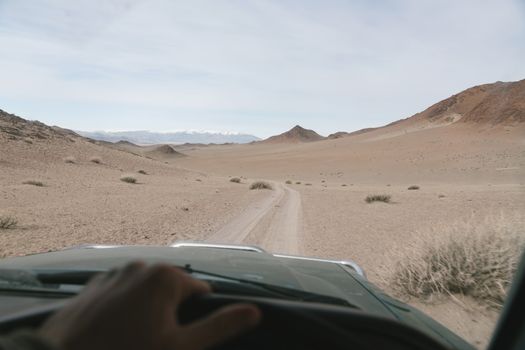
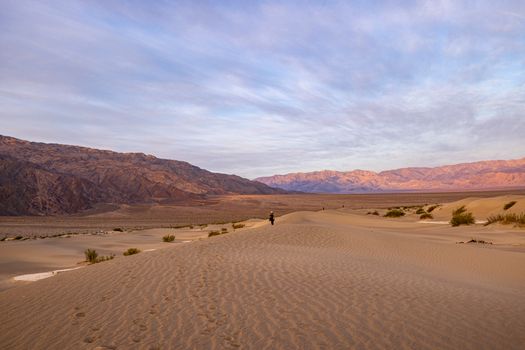
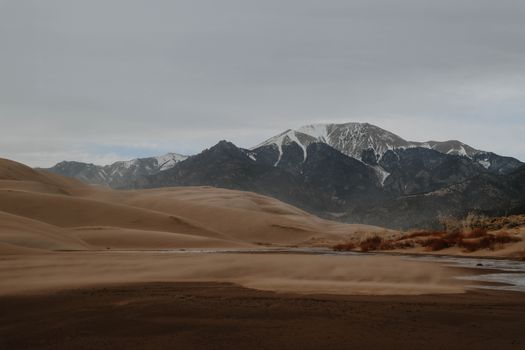
I sighed, turned on my heel, and headed in the opposite direction, scrambling up a less-trodden path. The air immediately felt cooler, the silence deeper. And there it was – a vista just as breathtaking, but entirely my own. No filters, no crowds, just the vast, silent majesty of the desert.
That moment solidified something I’d been feeling for a while: while social media can inspire travel, it can also inadvertently homogenize it. The "secret spots" become saturated, the "unique experiences" turn into carbon copies. But what if I told you there are still truly hidden desert gems? Places that come alive in the cooler, crisper months of winter, offering unparalleled beauty, genuine adventure, and the kind of profound solitude that influencers, with their need for constant content, might just overlook?
Welcome to the real desert secret. This isn't about finding the next trending backdrop; it's about finding yourself in landscapes so grand, so ancient, they demand your full, unfiltered presence. And winter, my friends, is the absolute best time to go.
Why Winter in the Desert is the Ultimate Secret Season
Forget everything you think you know about desert travel. Most people associate deserts with scorching, unbearable heat. And yes, summer in many desert regions is a formidable beast. But winter? Winter transforms these landscapes into something magical.
Imagine:
* Mild, pleasant days: Temperatures that are perfect for hiking, exploring, and soaking in the sun without feeling like you're melting. Think crisp, clear mornings giving way to comfortable afternoons in the 60s or 70s Fahrenheit (15-25°C).
* Crisp, cool nights: The air cools dramatically, making campfires a necessity and providing the most incredible stargazing opportunities you'll ever witness. Without the haze of summer, the Milky Way often stretches across the sky like a painter's brushstroke.
* Fewer crowds: This is perhaps the biggest draw. While some popular desert parks see an uptick in winter, many of the truly remote or less-hyped spots remain wonderfully uncrowded. You can experience the vastness without feeling like you're sharing it with a tour bus.
* Unique wildlife viewing: Many desert creatures are more active during the cooler months, offering better chances to spot them.
* Potential for ephemeral beauty: Depending on rainfall, winter can bring surprising desert blooms, transforming barren landscapes into carpets of wildflowers – a sight truly worth the journey.
This isn't just a trip; it's an immersion. It's about feeling the vastness, breathing the clean air, and disconnecting from the digital noise. And trust me, these are experiences you won't find packaged in an Instagram Reel.
The Unsung Sands: Hidden Gems You Need to Know
I’ve crisscrossed deserts on multiple continents, and these three destinations stand out as prime examples of winter desert magic, offering authentic experiences far beyond the curated grid.
1. Wadi Rum, Jordan: Beyond the Bubble Tents
When most people think of Wadi Rum, they picture those futuristic "bubble tents" or "Martian domes" plastered all over social media. And yes, they exist. But the real Wadi Rum, the one that captivated Lawrence of Arabia and countless Bedouin generations, is a living, breathing landscape of staggering beauty and profound cultural depth that goes far beyond a luxury glamping experience.
Why it's a winter dream:
From November to February, the daytime temperatures are ideal (15-25°C), perfect for exploring the towering sandstone mountains and vast, silent valleys. The nights are cool, often dipping to near-freezing, making a traditional Bedouin campfire and a warm tent truly inviting. The air is incredibly clear, making the stargazing here absolutely legendary – it’s one of the darkest skies on Earth.
My experience:
My first trip to Wadi Rum was in early December. I chose a small, locally-run Bedouin camp deep within the protected area, accessible only by a 4x4. We spent our days on jeep tours, not just hitting the famous spots, but venturing into lesser-known canyons, scrambling up sand dunes, and sharing sweet Bedouin tea with our guide, Mohammed, in the shade of a rock overhang. Mohammed, whose family had lived in Wadi Rum for generations, pointed out ancient Nabataean inscriptions, shared stories of his ancestors, and showed us how to distinguish different animal tracks in the sand. One evening, after a delicious zarb (meat and vegetables slow-cooked in an underground oven), we lay on blankets outside our tent. The sky exploded with stars – the Milky Way a brilliant band stretching horizon to horizon. It was a silence so profound, so ancient, it felt like the desert was whispering secrets. No Wi-Fi, no signal, just us and the universe.
Practicalities for your authentic escape:
* Getting there: Fly into Aqaba (closer) or Amman, then take a bus or taxi to the Wadi Rum Visitor Centre. From there, you'll meet your Bedouin guide.
* Best time: November to February for ideal temperatures.
* Accommodation: Skip the large, modern camps. Look for smaller, traditional Bedouin camps run by local families. They offer basic but comfortable tents, shared bathrooms, and authentic hospitality. Many include dinner, breakfast, and jeep tours in their package. I highly recommend camps associated with local guides like Mohammed. A quick search for "Wadi Rum traditional Bedouin camp" will yield many excellent, family-run options.
* Costs: A full-day jeep tour and overnight stay in a traditional camp can range from JD50-80 (approx. $70-$115 USD) per person, depending on the camp and tour duration. This typically includes meals.
* What to do: Multi-day jeep tours, camel treks, hiking (Jebel Umm ad Dami for epic views), stargazing, rock climbing, and simply immersing yourself in Bedouin culture. Ask your guide to take you to less-visited spots like Jebel Khazali or hidden natural arches.
* Instagrammable (but authentic) moments: Jebel Khazali canyon, Lawrence's Spring (best explored on foot), iconic red sand dunes, and of course, the unparalleled night sky. Focus on capturing the vastness and textures, not just a posed selfie.
2. Anza-Borrego Desert State Park, California, USA: Wildflower Wonderland
While Joshua Tree National Park and Death Valley draw the lion's share of California desert attention (and influencers), Anza-Borrego, California's largest state park, remains a rugged, wild, and wonderfully less-trafficked gem, especially in winter.
Why it's a winter dream:
From December to March, Anza-Borrego is a hiker's paradise. Daytime temperatures typically hover between 60-75°F (15-24°C), and the air is crisp and invigorating. The park is famous for its "superblooms" – rare, spectacular wildflower displays that occur after significant winter rains. Even without a superbloom, the desert comes alive with subtle flora and fauna.
My experience:
I've visited Anza-Borrego several times, but one winter trip truly stands out. It was February, and while not a superbloom year, recent rains had painted pockets of the desert with delicate yellow and purple wildflowers. My partner and I spent a day navigating the Slot Canyon – a narrow, winding crevice that felt like walking through an ancient, sculpted riverbed. Later, we hiked to Borrego Palm Canyon, an unexpected oasis of native fan palms fed by a year-round spring. We saw bighorn sheep gracefully navigating the cliffs above us. We camped at a primitive site – just a designated spot in the vastness, no facilities – and as the sun dipped, painting the badlands in fiery hues, the silence was absolute. The only sound was the crackle of our small fire and the distant howl of a coyote. That night, under a sky so thick with stars it felt heavy, I realized the true luxury of space and quiet.
Practicalities for your authentic escape:
* Getting there: Anza-Borrego is about a 2-hour drive from San Diego, 3 hours from Los Angeles. A high-clearance vehicle is recommended for some backcountry roads, but many main attractions are accessible by paved roads.
* Best time: December to March. February-March for the best chance of wildflowers.
* Accommodation: The park has several developed campgrounds (reservations recommended for popular weekends) and extensive primitive camping (first-come, first-served, often free or minimal fee). Borrego Springs, the small town within the park, offers a few motels and vacation rentals.
* Costs: Park entry is free, but camping fees apply (approx. $10-$30/night for developed sites). Backcountry camping is often free.
* What to do: Hike the Slot Canyon, explore the metal sculptures by Ricardo Breceda, visit the Borrego Palm Canyon oasis, drive the various scenic routes (Blair Valley, Fonts Point for sunset), stargaze, and seek out bighorn sheep. Pick up a detailed map at the visitor center.
* Instagrammable (but authentic) moments: The dramatic badlands at Fonts Point (especially sunrise/sunset), the otherworldly metal sculptures scattered across the landscape, the unexpected green of the palm oases. Focus on the grand scale and unique geology.
3. Atacama Desert, Chile: High Altitude Wonders
The Atacama Desert in northern Chile is the driest non-polar desert on Earth, and it’s a place of truly mind-bending landscapes. While it sees its share of tourism, the sheer vastness and diversity of its terrain mean there are endless opportunities for genuine exploration, especially if you venture beyond the standard tour circuits.
Why it's a winter dream:
While the Atacama is high-altitude and can be cool year-round, the Southern Hemisphere summer (December-February) is an excellent time to visit. Days are pleasantly warm (20-25°C), and nights are cool but not as frigid as other times of the year, making early morning excursions more comfortable. The clear skies are a constant, providing some of the best stargazing on the planet.
My experience:
I arrived in San Pedro de Atacama in January, slightly wary of the altitude (2,400m / 8,000 ft). The town itself is a charming, dusty oasis. My first morning, I woke at 4 AM for a tour to the El Tatio Geysers. Standing amidst steaming fumaroles as the sun rose over the Andes, painting the sky in fiery oranges and purples, was an unforgettable, almost primordial experience. Later, I rented a mountain bike and cycled through the Valle de la Luna (Moon Valley). The landscape of salt formations, sand dunes, and eroded cliffs truly felt like another planet. I found a quiet spot away from the main lookout, sat on a dune, and watched the sun set, turning the landscape into a kaleidoscope of reds, oranges, and purples. The silence was profound, broken only by the crunch of my own shoes on the salt crust. This wasn't just a photo op; it was a deeply meditative moment.
Practicalities for your authentic escape:
* Getting there: Fly to Calama (CJC), then take a 1.5-hour shuttle or bus to San Pedro de Atacama.
* Best time: December to February for warmer nights and generally stable weather. However, the Atacama is a year-round destination.
* Accommodation: San Pedro de Atacama has a range of hostels, guesthouses, and boutique hotels. Book in advance, especially for peak season. Look for places that emphasize sustainable tourism and local integration.
* Costs: Tours vary widely. Valle de la Luna (Moon Valley) is approx. CLP 10,000-15,000 ($12-$18 USD) + park entry fee. El Tatio Geysers is CLP 20,000-25,000 ($25-$30 USD) + park entry fee. Stargazing tours are around CLP 25,000 ($30 USD). Renting a bike for a day is about CLP 6,000-10,000 ($7-$12 USD).
* What to do: Explore Valle de la Luna and Valle de la Muerte, visit the El Tatio Geysers at sunrise, float in Laguna Cejar (a hypersaline lagoon), marvel at the flamingos in the Salar de Atacama, take a world-class stargazing tour (many observatories are here!), hike to high-altitude lagoons, or explore the ancient ruins of Pukará de Quitor. Consider renting a car for a day or two to explore independently, ensuring you have a good map and plenty of water.
* Altitude sickness: Drink plenty of water, avoid alcohol on arrival, and take it easy for the first day. Coca tea is widely available and can help.
* Instagrammable (but authentic) moments: The otherworldly formations of Moon Valley, the steaming geysers at sunrise, the vibrant blue lagoons against the white salt flats, and the unparalleled night sky. Focus on the raw, geological beauty and the vastness.
Mastering the Art of Off-Grid Desert Photography (No Filters Needed!)
You don't need fancy gear or a dozen outfits to capture the magic of these places. In fact, the less "produced" your photos, the more authentic and impactful they'll be.
- Embrace the Light: The desert light is incredible. Shoot during golden hour (just after sunrise, just before sunset) for warm, soft tones and long shadows. Blue hour (just before sunrise, just after sunset) offers ethereal, cool hues. And of course, capture the Milky Way at night!
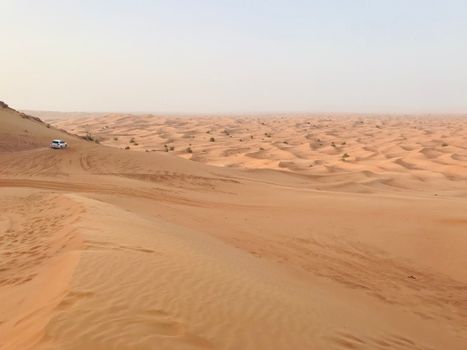
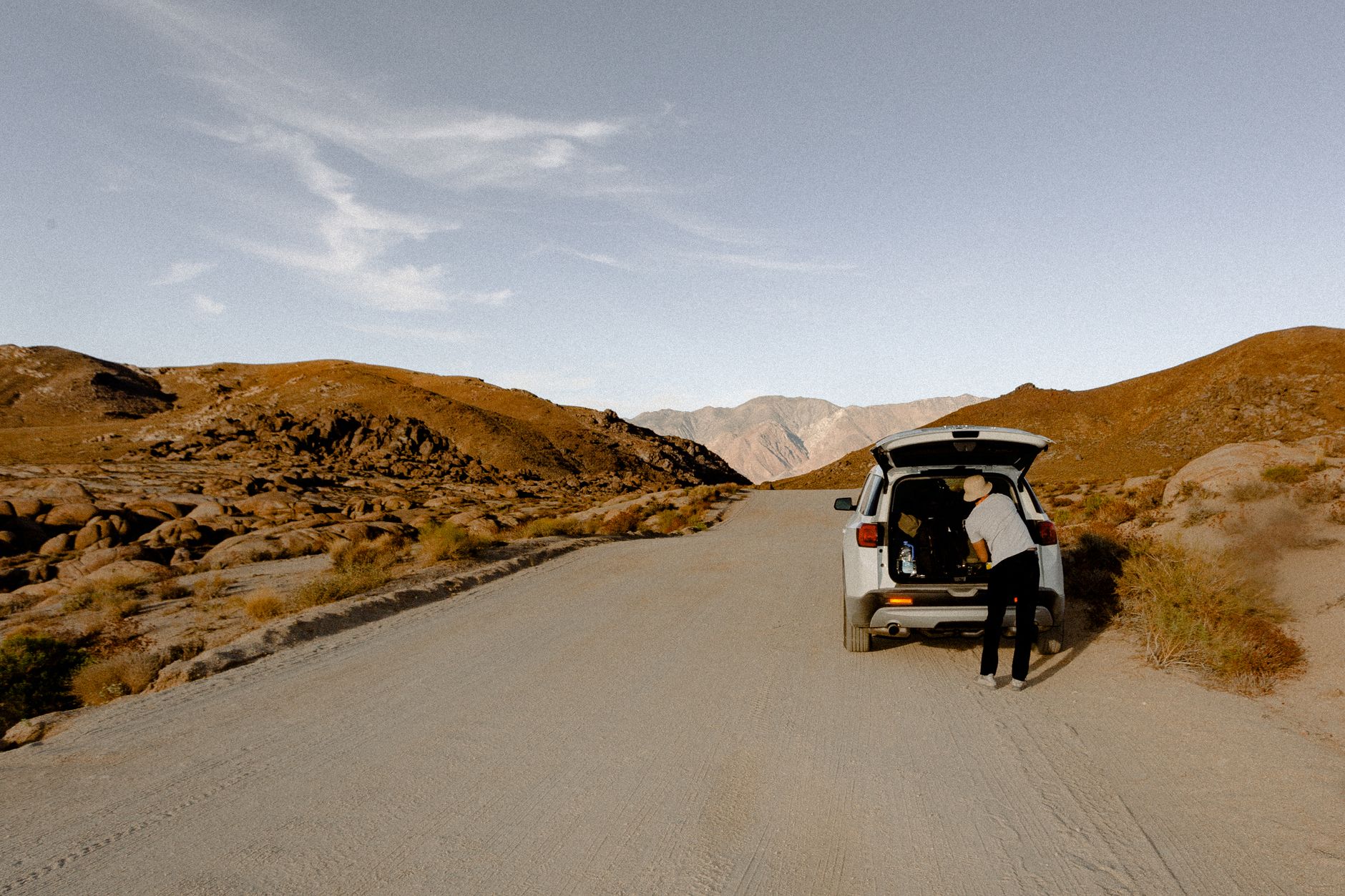
- Focus on Scale: The desert is vast. Include a small person, a lone tree, or a vehicle in your shot to give a sense of the immense scale.
- Texture and Detail: Zoom in on the cracked earth, the intricate patterns of sand dunes, the resilient desert flora. These details tell a story.
- Go Wide: A wide-angle lens is your best friend for capturing sweeping landscapes and starry skies.
- Look Up and Down: Don't just shoot at eye level. Capture the dramatic skies above and the fascinating ground beneath your feet.
- Respect the Environment: Never disturb flora or fauna for a shot. Stick to marked paths. Leave no trace. The best photos are those that show respect for the place.
- Put the Phone Down: Sometimes, the best "shot" is the one you don't take. Allow yourself to simply be in the moment. The memory will be more vivid than any photo.
Practicalities for Your Winter Desert Escape
Preparation is key for a comfortable and safe desert adventure.
- Packing Essentials:
- Layers, layers, layers! Days are warm, nights are cold. Think moisture-wicking base layers, a fleece or down jacket, and a wind/waterproof outer shell.
- Sturdy hiking boots: With good ankle support.
- Sun protection: Even in winter, the desert sun is strong. Hat, sunglasses, high-SPF sunscreen are non-negotiable.
- Water bottle/hydration pack: Crucial. Carry more water than you think you'll need.
- Headlamp or flashlight: For navigating camps or trails in the dark.
- First-aid kit: Basic supplies for cuts, blisters, headaches, and any personal medications.
- Power bank: For charging devices where outlets are scarce.
- Reusable shopping bag: To minimize plastic waste.
- Accommodation: Embrace local guesthouses, small eco-lodges, or traditional camping. These options often provide a more authentic experience and directly support local communities.
- Safety First:
- Tell someone your plans: Let a friend or family member know your itinerary and expected return.
- Carry enough water and food: Always overestimate.
- Know your limits: Don't attempt hikes or activities beyond your fitness level.
- Understand desert navigation: A physical map and compass (and knowing how to use them) are invaluable, even with GPS. Cell service is often non-existent.
- Be aware of wildlife: Respect their space.
- Sustainable Travel:
- Support local businesses: Eat at local restaurants, hire local guides, buy handicrafts directly from artisans.
- Minimize waste: Carry out everything you carry in. Avoid single-use plastics.
- Respect culture and environment: Be mindful of local customs. Stay on marked trails. Don't disturb archaeological sites or natural formations. Leave no trace.
Beyond the Insta-Grid: The True Magic of Desert Solitude
The desert, especially in winter, offers something profoundly rare in our hyper-connected world: solitude. It’s a chance to truly disconnect, not just from Wi-Fi, but from the constant hum of expectations, comparisons, and curated realities.
These vast, silent landscapes have a way of putting things into perspective. The towering rock formations, the endless expanse of sand, the ancient stars – they remind you of your small place in a magnificent universe. There’s a quiet power in that realization, a sense of awe that no perfectly posed selfie can ever capture.
My most cherished desert memories aren't the ones I have photos of. They're the feeling of the cool night air on my face as I watched shooting stars, the taste of freshly brewed Bedouin tea, the sound of wind whispering through a canyon, the feeling of accomplishment after a challenging hike. These are the moments that truly nourish the soul, the experiences that transform you. These are the desert secrets influencers don't want you to know, because they can't be bought, branded, or perfectly packaged. They can only be felt.
So, this winter, when you’re scrolling through endless feeds of identical vacation shots, remember these hidden desert gems. Remember the promise of vastness, silence, and genuine adventure. It’s time to trade the filtered fantasy for unfiltered reality. It’s time to discover a desert that truly belongs to you.
---
Ready to uncover your own desert secrets?
Share your favorite off-the-beaten-path winter desert destinations in the comments below! Tag us on your adventures using #TripsoraDesertSecrets and inspire others to seek out the authentic. Let's reclaim the magic of travel, one quiet, starry night at a time.
---