Introduction: The Close Call That Changed Everything
My heart hammered against my ribs. I was sprawled on a dusty Cambodian road, the throbbing pain in my ankle a stark reminder of my ill-advised leap across a flooded ditch. My meticulously planned backpacking trip through Southeast Asia was suddenly hanging by a thread. Worse, the initial medical bill was astronomical, and my basic travel insurance policy was woefully inadequate. I was staring down the barrel of a financial disaster, thousands of dollars in debt, and a trip cut short. This near-catastrophe forced me to re-evaluate everything, and I dove headfirst into the world of travel insurance, uncovering loopholes that transformed my travel experience forever.
1. The Power of Comparison: Don't Settle for the First Quote
My initial mistake was settling for the first travel insurance quote I found online. Big mistake! I discovered that prices – and coverage – vary wildly depending on the provider, your age, and your destination. Websites like Squaremouth and Compare.com allow you to compare quotes from multiple insurers side-by-side. I saved over $300 simply by comparing options for my South American adventure. Don’t just look at the price; scrutinize the fine print. What are the exclusions? What level of medical coverage is offered? What about baggage loss or trip cancellation?
2. Pre-Existing Conditions: Navigating the Grey Areas
Many people assume they can't get travel insurance if they have pre-existing conditions. This isn't entirely true. While some insurers will exclude coverage for conditions that existed before your policy started, others offer options with varying levels of coverage. For my asthma, I found an insurer who, after providing medical documentation, offered a policy with a slightly higher premium but with coverage for asthma-related emergencies. Thorough research is crucial here. Don't be afraid to call insurers directly to discuss your specific situation.
3. Bundling and Discounts: Smart Strategies for Savings
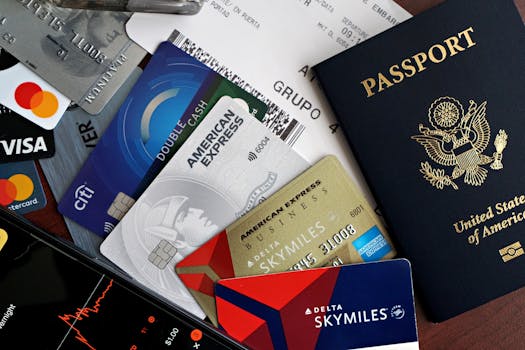
Look for discounts! Many insurers offer discounts for bundling travel insurance with other products, such as flights or accommodations. Some credit card companies also offer travel insurance benefits as part of their rewards programs. I discovered a significant discount by booking my flights and travel insurance through the same online travel agency. This simple trick saved me a considerable amount.
4. Extend Your Coverage: The Unexpected Benefits
My initial policy covered only 14 days. But I extended my Southeast Asia trip by another month! Luckily, I discovered I could extend my coverage for a modest additional fee. Many insurers allow for policy extensions, especially if you notify them in advance. This flexibility is invaluable for spontaneous travelers or those whose plans change unexpectedly.
5. Understanding Exclusions: Know Your Limits
This is the most important loophole of all. Every policy has exclusions. Read them carefully! I initially thought my policy covered all activities, but then I discovered adventure sports were excluded. To cover this, I purchased a separate add-on policy specifically for adventure activities while in Nepal, which was significantly cheaper than a comprehensive policy covering everything. Knowing what's not covered allows you to strategically purchase additional, targeted coverage, rather than overpaying for blanket protection you don't need.
6. Document Everything: Protecting Your Claim
This is where I learned the hard way. After my ankle injury, I meticulously documented every expense – medical bills, prescriptions, transportation costs. I took photos of my injuries, kept receipts, and even recorded short video clips. This thorough documentation made filing my claim smoother and faster, and it proved invaluable in securing full reimbursement. Don't underestimate the power of meticulous record-keeping.
7. The Value of Travel Insurance Beyond the Obvious
Travel insurance isn't just about medical emergencies. It can also cover trip cancellations, lost luggage, and even flight delays. Think about the peace of mind it provides. Knowing you have a safety net allows you to relax and enjoy your travels without constantly worrying about the "what ifs." For me, this peace of mind was priceless.
Conclusion: Travel Smarter, Not Harder
My near-disaster in Cambodia taught me a valuable lesson: travel insurance isn't an expense; it's an investment in peace of mind. By understanding the loopholes and strategies I've outlined, you can significantly reduce your costs and maximize your coverage. Don't let fear of expense hold you back from exploring the world. Embrace the power of knowledge, compare policies diligently, and travel with the confidence that you're protected. Share your travel insurance stories and tips in the comments below!