We’ve all been there, right? That feeling of travel fatigue creeping in, even when you’re in a new, exciting place. You fly in, take a taxi, maybe a train or a bus, and while the destination is new, the journey often feels…familiar. Predictable. For a long time, I chased destinations, ticking off bucket list items, but a part of me felt like I was missing something deeper, something truly transformative.
My epiphany didn't come on a pristine beach or atop a majestic mountain. It arrived, surprisingly, on a rickety, makeshift platform of bamboo hurtling through the Cambodian countryside. It was a moment of pure, unadulterated joy and a stark realization: the way you travel can be just as impactful, if not more so, than the destination itself.
These aren't your typical modes of getting around. Forget Uber, forget your standard public transit. These are the forgotten, the unconventional, the culturally rich, and the downright wild ways of traversing our planet that, for me, didn't just move my body from point A to point B, but fundamentally shifted my perspective on adventure, connection, and life itself. They changed my travel philosophy forever, and I’m here to tell you how you can experience them too.
Get ready to ditch the conventional and embrace the extraordinary. Here are 7 transportation methods I never knew existed that truly changed my life forever.
1. The Bamboo Train (Norries): A DIY Thrill Ride in Battambang, Cambodia
The Experience That Started It All.
I arrived in Battambang, Cambodia, with little expectation beyond exploring a charming provincial city. A local tuk-tuk driver, Mr. Vuthy, with a mischievous grin, asked if I wanted to ride the "norries." "The what now?" I asked. He pointed towards a dusty track where what looked like a flat bamboo platform on wheels was being pushed along a single railway line. This, he explained, was the Bamboo Train, or Norry.
Stepping onto the bamboo platform, barely a foot off the ground, with a small motor strapped to the back and a couple of metal axles with wheels, felt like entering a real-life cartoon. As we lurched forward, gaining speed, the wind whipped through my hair, carrying the scent of rice paddies and distant cooking fires. We zipped past lush green fields, smiling children waving from the roadside, and small villages. It wasn't just a ride; it was a visceral connection to the ingenuity and resilience of the Cambodian people.
The life-changing moment? When we met another norry coming in the opposite direction on the single track. With no sidings, one train had to be dismantled and lifted off the track to let the other pass! It was done with such effortless grace, a true dance of cooperation and community spirit, reminding me that sometimes, the most unexpected solutions are the most brilliant. It taught me patience, adaptability, and the beauty of human collaboration in its simplest form.
Practical Tips for Your Norry Adventure:
* Location: Primarily operates a few kilometers outside Battambang, Cambodia. The main "station" is near O Dambong.
* Cost: Around $5-$10 USD per person for a round trip. This usually includes the "dismantling" ceremony!
* How to Go: Hire a tuk-tuk from Battambang city center (around $5-$7 USD for the ride to the Norry station and back). Your driver will usually wait for you.
* Best Time: Morning or late afternoon to avoid the midday heat.
* What to Bring: Sunscreen, a hat, sunglasses, and a camera! Be prepared for dust.
* Instagram Moment: A wide shot of your norry speeding through the green fields, or a close-up of the bamboo platform itself. The dismantling process is also a unique photo op.
2. Dog Sledding: Arctic Wilderness on a Husky-Powered Sleigh in Lapland, Finland
Connecting with the Wild, One Paw at a Time.
From the dusty plains of Cambodia, my next life-altering journey took me to the silent, snow-covered landscapes of Finnish Lapland. I’d always dreamed of seeing the Northern Lights, but I never imagined the journey would be as profound as the destination. Dog sledding wasn't just a tourist activity; it was an ancient way of life, a partnership between humans and incredibly powerful, intelligent animals.
The moment I arrived at the husky farm near Rovaniemi, the air was electric with the excited barks and howls of dozens of sled dogs. As I was taught how to "drive" my own sled – essentially standing on the runners behind a team of 4-6 huskies – a mix of apprehension and exhilaration coursed through me. When the lead guide gave the signal, and the dogs surged forward, the cacophony of barking instantly ceased, replaced by the rhythmic crunch of runners on snow and the panting of the dogs.
Gliding through pristine, snow-laden forests, under a sky that felt impossibly vast, was a meditative experience. The only sounds were the dogs and the wind. It was a complete immersion in nature, a humbling reminder of our place in the wild. The life-changing aspect? The profound connection I felt with my dog team. Their sheer power, their eagerness to run, their unwavering loyalty – it was a masterclass in teamwork and instinct. I learned to trust, to communicate wordlessly, and to appreciate the raw beauty of the natural world in a way I never had before. It made me feel utterly alive and connected to something primal.
Practical Tips for Your Husky Adventure:
* Location: Popular in Finnish Lapland (Rovaniemi, Levi, Ylläs, Saariselkä), Swedish Lapland, Norway, and Canada.
* Cost: Varies greatly depending on duration (from 2-hour safaris to multi-day expeditions). Expect to pay €100-€300 for a half-day experience.
* How to Book: Book well in advance with reputable husky safari operators (e.g., Arctic Safaris, Bearhill Husky in Finland).
* Best Time: Winter months (November to April) when there's sufficient snow.
* What to Bring: Operators usually provide thermal overalls, boots, hats, and gloves, but wear warm layers underneath. Don't forget a camera with a good battery (cold drains them quickly!).
* Instagram Moment: A selfie with your husky team, a panoramic shot of the snowy forest from your sled, or if you're lucky, the Northern Lights dancing overhead.
3. The Jeepney: Manila's Mobile Art & Community Pulse, Philippines
A Symphony of Chrome, Chaos, and Color.
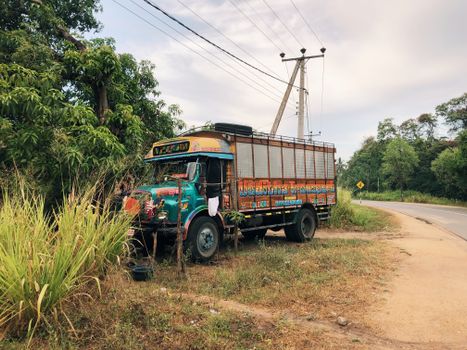
Stepping off a plane in Manila, Philippines, can be an assault on the senses – the heat, the humidity, the vibrant chaos. But nothing prepared me for the sight of the Jeepneys. These aren't just buses; they're rolling works of art, each one a unique, chrome-laden, riotously colorful masterpiece, a legacy of repurposed US military jeeps from WWII.
My first Jeepney ride was a sensory overload in the best possible way. Squeezing into the packed interior, shoulder-to-shoulder with locals, I quickly learned the ropes: tap the roof or coin a specific phrase to signal your stop, pass your fare forward, and expect a symphony of honks, engines, and street vendors. Each Jeepney has its own personality, adorned with religious icons, pop culture references, and intricate designs. My ride that day featured a giant mural of a roaring dragon and neon lights that pulsed with the rhythm of the city.
The life-changing aspect wasn't just the ride itself, but the insight it offered into Filipino culture. The Jeepney is a symbol of resilience, creativity, and community. It’s a shared space where everyone is equal, where conversations happen, and where the pulse of the city beats loudest. It taught me to embrace chaos, to find beauty in the unconventional, and to appreciate the incredible spirit of a nation. It made me realize that public transport doesn't have to be sterile; it can be a celebration of identity.
Practical Tips for Your Jeepney Journey:
* Location: Ubiquitous across the Philippines, especially in major cities like Manila, Cebu, and Davao.
* Cost: Incredibly cheap, typically PHP 9-15 (less than $0.50 USD) for a short ride.
* How to Go: Simply flag one down! Look for the destination signs on the front. Ask locals or your accommodation for common routes. Pay the driver or pass your money forward.
* Best Time: Avoid peak rush hours if you prefer a less crowded experience, but any time offers a unique vibe.
* What to Bring: Small bills/coins for fares, a light bag, and an open mind.
* Instagram Moment: A close-up of the incredible artwork on a Jeepney exterior, or a candid shot from inside, capturing the local commuters and the vibrant street life outside.
4. Medellín Metrocable: Soaring Above the City, Colombia
Urban Transformation, One Gondola at a Time.
Before my trip to Medellín, Colombia, I knew its history was complex. But what I discovered was a city reborn, and at the heart of its transformation was an ingenious transportation system: the Metrocable. These aren't just ski lifts; they're an integral part of Medellín's public transport network, connecting the hillside comunas (neighborhoods) to the city center, literally lifting residents out of isolation and into opportunity.
Stepping into a gleaming gondola cabin and ascending steeply over the sprawling, vibrant tapestry of Medellín's red-brick houses was breathtaking. As we climbed higher, the city unfurled beneath us, revealing panoramic views that stretched to the distant mountains. But beyond the stunning visuals, what struck me was the quiet hum of progress. These cables represent social inclusion, providing affordable, efficient access for residents of previously marginalized areas, reducing commute times from hours to minutes.
The life-changing aspect of the Metrocable was profound. It wasn't just about the ride; it was about witnessing urban planning as a tool for social equity. Seeing families commuting, children going to school, and workers heading to their jobs, all with dignity and ease, painted a powerful picture of how infrastructure can truly change lives. It opened my eyes to the incredible power of thoughtful design and public investment in fostering community and opportunity. It taught me that innovation can be a force for good, transforming not just landscapes, but entire societies.
Practical Tips for Your Metrocable Ride:
* Location: Medellín, Colombia. Integrated with the Medellín Metro system.
* Cost: Same as a standard Metro ticket, around COP 2,880 (less than $1 USD). You can buy a Civica card for easier travel.
* How to Go: Access the Metrocable lines (e.g., Line K, Line L, Line J) from various Metro stations (e.g., San Javier, Acevedo).
* Best Time: Weekdays during off-peak hours for fewer crowds, or late afternoon for sunset views. Line L (to Parque Arví) requires a separate ticket and is a popular weekend excursion.
* What to Bring: A valid Metro ticket/card, camera, and enjoy the views!
* Instagram Moment: A panoramic shot of Medellín sprawling below from inside the cable car, or a selfie with the city skyline as your backdrop.
5. Camel Trekking: Traversing Ancient Paths in the Sahara Desert, Morocco
The Rhythm of the Desert, the Silence of the Soul.
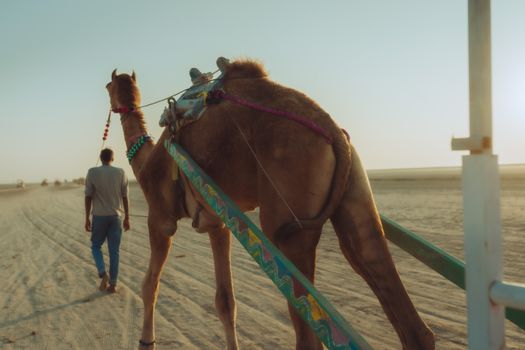
My journey to the Sahara Desert in Morocco was a pilgrimage of sorts, a quest for solitude and an experience of ancient traditions. The transportation method? The "ship of the desert" – the camel. I joined a small group for a multi-day trek into the Erg Chebbi dunes from Merzouga, a small village at the edge of the desert.
Mounting a camel for the first time is an awkward but exhilarating experience. As my camel, a gentle giant named Omar, slowly rose to its feet, I swayed precariously before settling into the rhythm of its long, deliberate strides. The silence of the desert was absolute, broken only by the soft padding of camel hooves on sand and the occasional murmur of our Berber guides. The dunes, a vast ocean of golden sand, stretched to the horizon, constantly shifting and sculpted by the wind.
The life-changing aspect wasn't the destination (a magical desert camp under a blanket of stars), but the journey itself. The slow, deliberate pace of camel trekking forces you to disconnect, to be present. There’s no rush, no distractions, just the vastness of the desert and the simple act of moving forward. It stripped away the noise of modern life, allowing for introspection and a deep appreciation for the natural world. Watching the sunrise paint the dunes in hues of orange and pink from Omar’s back felt like witnessing creation itself. It taught me the profound value of slowing down, embracing simplicity, and finding peace in the quiet vastness of the world.
Practical Tips for Your Camel Trek:
* Location: Most popular starting points are Merzouga (for Erg Chebbi dunes) and M'hamid (for Erg Chigaga dunes) in Morocco.
* Cost: Varies based on duration (overnight, 2-day, 3-day treks). Expect to pay €50-€150 per person for an overnight trek, including meals and accommodation in a desert camp.
* How to Book: Arrange through your accommodation in Merzouga/M'hamid, or book a tour from Marrakech/Fes that includes transport to the desert.
* Best Time: Spring (March-May) and Autumn (September-November) offer pleasant temperatures. Avoid summer (June-August) dueates extreme heat.
* What to Bring: A small backpack, water, sunscreen, hat, sunglasses, comfortable loose clothing (long sleeves/pants for sun protection), warm layers for chilly desert nights, and a headlamp.
* Instagram Moment: Silhouette shots of camels against a sunrise/sunset, star trails over the desert camp, or a wide shot of the endless dunes.
6. The Hydrofoil: Swift Sea Travel Among the Greek Islands
Unlocking Island Hopping Magic with Speed and Style.
My love affair with the Greek Islands is no secret, but navigating them can sometimes feel like a slow dance. That changed when I discovered the hydrofoil. These sleek, high-speed ferries aren't just boats; they're marine marvels that glide above the water, propelled by powerful engines and wings (foils) that lift the hull out of the sea, reducing drag and increasing speed dramatically.
My first hydrofoil ride was from Hydra to Piraeus (Athens' port), and the difference was astounding. Instead of the gentle rocking of a conventional ferry, the hydrofoil felt like a smooth, swift flight across the Aegean. The sensation of skimming across the waves, leaving a minimal wake, was exhilarating. The journey was efficient, comfortable, and offered a unique perspective of the islands shrinking in the distance, or appearing rapidly on the horizon.
The life-changing aspect here was less about a single profound moment and more about how it revolutionized my approach to island hopping. It unlocked the potential for deeper exploration. With hydrofoils, I could visit more islands in less time, allowing me to delve into lesser-known gems, spend more hours exploring ancient ruins, or simply linger longer over a plate of fresh seafood by the sea. It taught me that sometimes, efficiency isn't just about saving time; it's about maximizing experiences and truly immersing yourself in a destination without feeling rushed. It transformed my Greek island adventures from a leisurely pace to a dynamic, multi-faceted exploration.
Practical Tips for Your Hydrofoil Journey:
* Location: Widely used in Greece (especially the Saronic and Cycladic Islands), Italy, Croatia, and other coastal regions with extensive island networks.
* Cost: More expensive than conventional ferries, but significantly faster. A ticket from Hydra to Piraeus might be €25-€35. Prices vary by route and operator.
* How to Book: Book online in advance through ferry aggregators (e.g., Ferryhopper, Viva.gr) or directly with operators like Hellenic Seaways (Flying Dolphins/Cats). Tickets can also be bought at port offices.
* Best Time: Operates year-round, but more frequent in peak season (June-September). Be mindful of rough seas in winter, as hydrofoils may be cancelled.
* What to Bring: Seasickness medication if you're prone, as the ride can be bumpy in choppy waters. Your ticket, of course!
* Instagram Moment: A shot of the sleek hydrofoil cutting through the turquoise Aegean, or a view of a picturesque island port as you approach or depart.
7. Pony Trekking: Discovering Lesotho's Mountain Kingdom on Horseback
A Gentle Ride Through Africa's Hidden Gem.
My final life-altering transportation method took me to the "Kingdom in the Sky," Lesotho, a small, mountainous country entirely encircled by South Africa. Here, the traditional mode of transport, especially in the remote highlands, isn't a car or a bus, but a Basotho pony. These hardy, sure-footed horses are perfectly adapted to the rugged terrain, and a pony trek is the only way to truly experience the heart of Lesotho.
I embarked on a multi-day pony trek from Malealea Lodge, venturing deep into the mountains. My pony, a calm and steadfast mare, carried me effortlessly over steep passes, across rushing rivers, and through remote villages where round, thatched-roof huts (rondavels) dotted the landscape. There’s an incredible sense of freedom and authenticity that comes with traversing a landscape on horseback, moving at the pace of nature. We encountered local Basotho shepherds, wrapped in their vibrant blankets, herding sheep and goats, exchanging friendly greetings.
The life-changing aspect was the profound cultural immersion and the feeling of accessing a world untouched by modern haste. It was a journey into simplicity, resilience, and breathtaking natural beauty. The ponies weren't just transport; they were my companions, navigating paths that cars simply couldn't. It taught me that true adventure often lies beyond the paved roads, in the wild, untamed corners of the world, and that sometimes, the oldest ways are the best ways to connect with a place and its people. It instilled in me a deep respect for traditional ways of life and the incredible symbiosis between humans and animals.
Practical Tips for Your Pony Trek:
* Location: Lesotho, Southern Africa. Popular starting points include Malealea Lodge and Semonkong Lodge.
* Cost: Varies by duration and lodge. A half-day trek might be around LSL 200-300 (approx. $10-15 USD), while multi-day treks with overnight stays in villages can range from LSL 800-2000+ ($40-100+ USD) per day, including guide, pony, and meals. (Check current exchange rates).
* How to Book: Arrange directly with lodges like Malealea Lodge or Semonkong Lodge, who specialize in pony trekking.
* Best Time: The dry season (May-September) offers clear skies and comfortable temperatures, though nights can be cold. Summer (October-April) is warmer but can bring rain.
* What to Bring: Comfortable long pants, sturdy closed-toe shoes, hat, sunscreen, water bottle, rain jacket (even in dry season), camera, and a small daypack.
* Instagram Moment: A majestic shot of your pony and you traversing a mountain pass, a close-up of a Basotho pony with its unique bridle, or a candid shot of a remote village nestled in the highlands.
Your Journey Awaits: Redefine Your Travel
These seven incredible transportation methods weren't just rides; they were immersive gateways to cultures, landscapes, and perspectives I never knew existed. They challenged my notions of comfort, efficiency, and adventure, proving that the journey itself can be the most profound part of any trip. They taught me patience, resilience, connection, and the sheer joy of experiencing the world through a different lens.
So, the next time you plan an adventure, don't just think about where you're going. Think about how you're going to get there. Dare to ditch the conventional. Seek out the local, the unique, the wild, and the wonderful ways people have moved across our planet for centuries. You might just find that the ride itself is the most life-changing experience of all.
What unique transportation methods have you discovered on your travels? Share your stories and tips in the comments below! Let's inspire each other to explore beyond the beaten path.
---