The Echoes That Call: Why October 2025 Is Your Moment to Master Traditional Music
You know that feeling, right? You’re wandering through an ancient market, a bustling city square, or a serene temple garden, and then you hear it. A melody, haunting and beautiful, unlike anything you’ve ever encountered. Perhaps it’s the hypnotic drone of a sitar, the percussive pulse of a bodhrán, or the delicate pluck of a koto. For me, it was the first time I heard a Japanese shamisen, its raw, almost guttural twang cutting through the humid air of a Kyoto summer night. It wasn't just music; it was a story, a history, a soul laid bare. And in that moment, I realized something profound: to truly know a place, you don't just see it, you don't just taste it – you listen to its heart. You learn its song.
That's why, when the opportunity arose to curate a guide for Tripsora on "Traditional Music Lessons from Masters," I practically leaped at it. This isn't just about picking up a new skill; it's about cultural immersion at its deepest, a pilgrimage to the source of global sound. And why October 2025? It’s far enough away to plan meticulously, save diligently, and dream wildly, yet close enough to feel real, tangible. October also often brings pleasant weather to many prime destinations, making it ideal for travel and focused learning. So, pack your bags (and maybe an empty notebook for musical notations), because we're about to embark on an unparalleled journey.
The Soul of a Nation: Why Traditional Music Matters (and Why You Should Learn It)
Before we dive into specific destinations, let's talk about the why. In our fast-paced, digital world, traditional music can often feel like a relic, a whisper from a bygone era. But it's so much more. It's the living, breathing chronicle of a people, their triumphs, their sorrows, their very identity.
Learning a traditional instrument from a master isn't just about scales and chords. It's about:
- Cultural Preservation: You become a small, but vital, part of keeping these ancient art forms alive. You're not just a tourist; you're a custodian of heritage.
- Deep Immersion: Forget superficial sightseeing. When you sit with a master, learning their craft, you gain an intimate understanding of their culture, their philosophy, and their way of life that no guidebook could ever offer.
- Mindfulness & Discipline: Many traditional music forms demand immense focus, patience, and dedication. It's a meditative practice that can calm the mind and sharpen your senses.
- A Unique Story: Imagine coming home not just with souvenirs, but with the ability to play a traditional melody, a skill acquired through dedication and personal connection. That’s a story worth telling – and sharing!
- Connecting with Humanity: Music is a universal language. Learning it from its source fosters incredible bonds, transcends linguistic barriers, and opens your heart to new perspectives.
The Mystique of the Maestro: Learning from a Living Legend
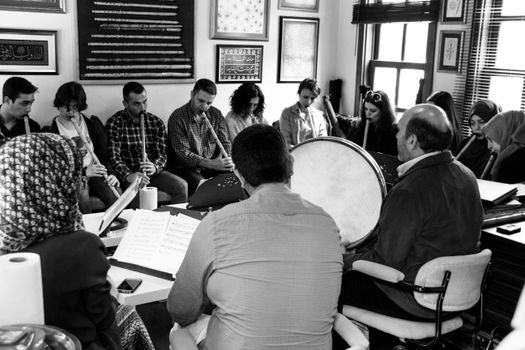
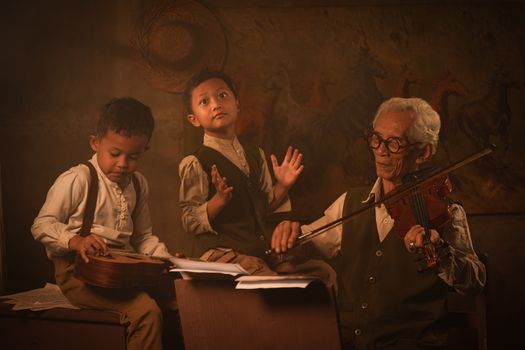
What makes learning from a "master" so special? It's not just about technical prowess (though that's certainly part of it). A true master, or maestro, sensei, guru, or ustad, embodies generations of knowledge, intuition, and passion. They are often the last in a long lineage, carrying traditions passed down through oral history and countless hours of dedicated practice.
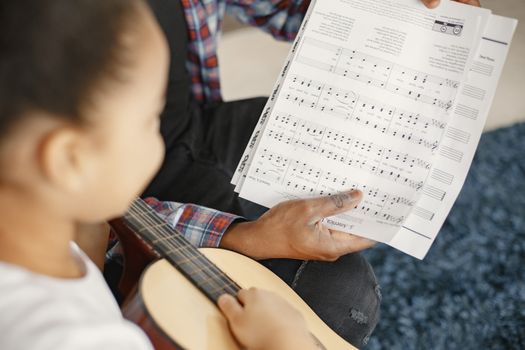
My own experience trying to learn a few basic chords on a borrowed ukulele back home was... rudimentary, to say the least. But the idea of sitting at the feet of someone who has dedicated their entire life to their art, whose hands move with an almost spiritual grace, whose every breath is attuned to the rhythm – that's a different league entirely. These masters don't just teach notes; they teach the spirit of the music, the cultural context, the philosophy behind each phrase. It's an apprenticeship, a mentorship, and often, a profound friendship waiting to happen. For October 2025, we're talking about seeking out these rare gems.
Our Top Picks for October 2025: Asia's Melodies & Europe's Echoes
To give you a head start for your October 2025 planning, I’ve handpicked a few incredible destinations and instruments. These offer diverse experiences, from serene contemplation to fiery passion, and are typically accessible for foreign learners.
1. Kyoto, Japan: The Delicate Art of Koto & Shamisen
- The Instrument: The Koto, a 13-stringed zither, produces ethereal, resonant sounds, often associated with imperial court music and serene landscapes. The Shamisen, a three-stringed lute, is more percussive and versatile, used in folk, kabuki, and geisha performances.
- Why Kyoto in October 2025? October in Kyoto is simply breathtaking. The autumn foliage begins to turn, painting the temples and gardens in fiery reds and golds. The air is crisp, perfect for focused study and contemplative walks.
- The Experience: Imagine yourself in a traditional machiya (townhouse), sipping green tea, as a Koto master guides your fingers over the silk strings. The discipline, the precision, the deep respect for tradition – it’s a profound immersion into Japanese aesthetics. For the Shamisen, you might find yourself in a more lively setting, learning the rhythmic "bachi" (pick) techniques, feeling the vibration through the instrument's skin.
- Finding a Master: Seek out cultural centers like the Kyoto Traditional Musical Arts Foundation or private studios advertised through local guesthouses. Many masters offer short intensive courses (3-5 days) for beginners.
- Approximate Costs (October 2025 Estimate):
- Lessons: A 3-5 day intensive workshop could range from €500-€900 (approx. $550-$1000 USD), including instrument rental during class. Private hourly lessons might be €70-€120 (approx. $75-$130 USD) per hour.
- Accommodation: Traditional ryokans or guesthouses in Kyoto can range from €80-€200 (approx. $85-$220 USD) per night.
- My Anecdote: During a previous trip to Kyoto, I stumbled upon a small, unassuming shop near Gion. Inside, an elderly woman, her hair tied neatly, sat on a tatami mat, gently plucking a Koto. Her eyes, though aged, held a spark of youthful passion. She didn't speak much English, but her smile, and the way she offered me a cup of tea, transcended language. Even just watching her, I felt the centuries of tradition flowing through her fingers. That's the kind of connection you seek.
2. Varanasi, India: The Meditative Ragas of Sitar & Tabla
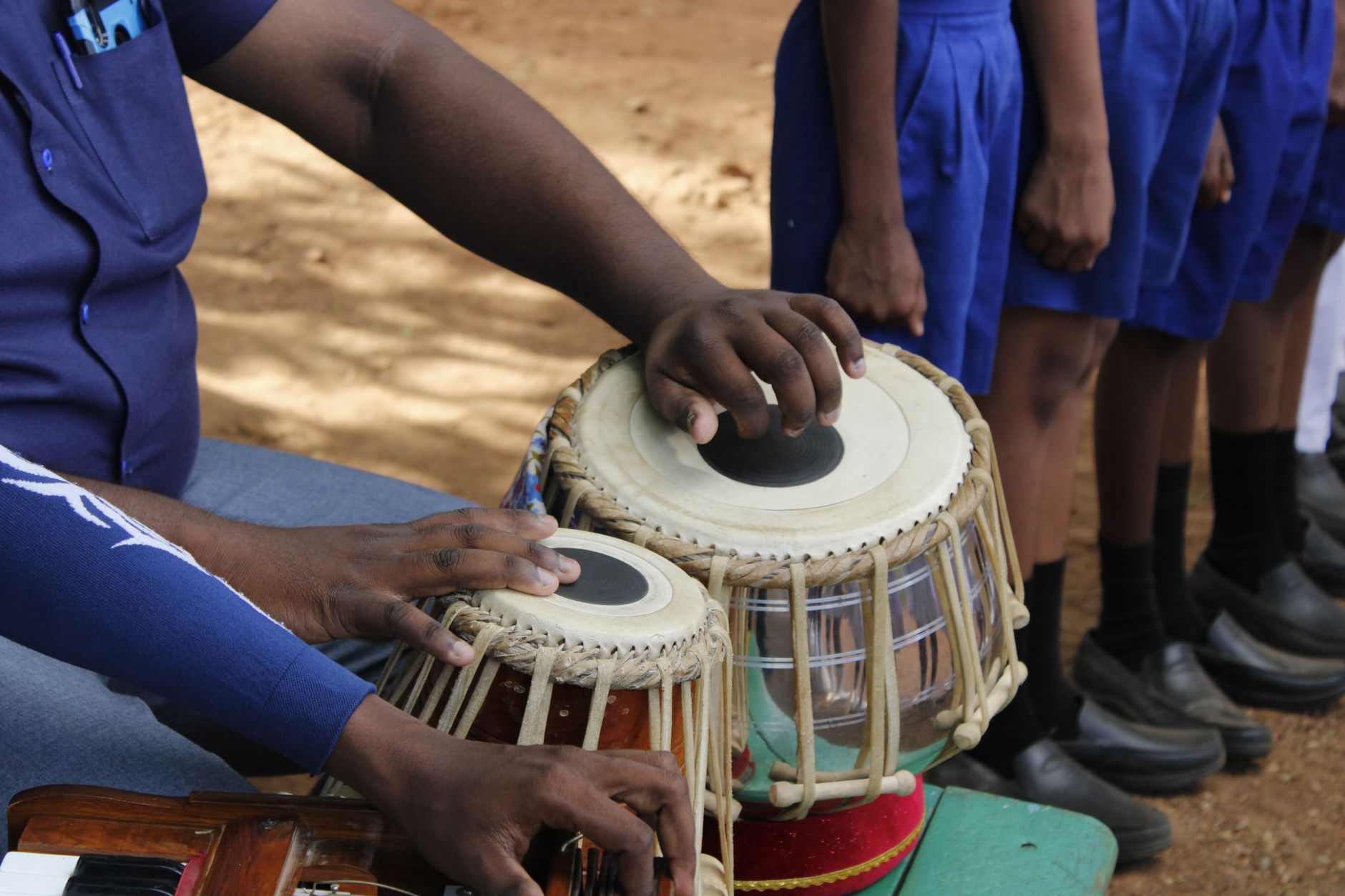
- The Instrument: The Sitar, with its resonant sympathetic strings and long, melodic neck, is the quintessential instrument of Hindustani classical music. The Tabla, a pair of hand drums, provides the intricate rhythmic backbone, requiring immense dexterity.
- Why Varanasi in October 2025? October marks the end of the monsoon season in India, bringing cooler, drier weather – a welcome respite from the intense heat. Varanasi, one of the oldest living cities, is the spiritual heart of India, a place where music, devotion, and daily life are inextricably intertwined along the sacred Ganges.
- The Experience: Learning in Varanasi is an assault on the senses in the most beautiful way. Imagine the scent of incense, the chanting from the ghats, the vibrant colours, and then, the focused calm of your lesson. You’ll learn not just notes, but ragas (melodic frameworks) and taals (rhythmic cycles), delving into the philosophical and emotional depth of Indian classical music.
- Finding a Master: Varanasi is brimming with music schools and individual gurus. The best way is often through word-of-mouth recommendations, especially from reputable guesthouses or fellow travelers. Look for schools near Assi Ghat or the main market areas. Many offer immersive programs for 1-2 weeks.
- Approximate Costs (October 2025 Estimate):
- Lessons: A 1-2 week intensive course (2-3 hours daily) could range from €300-€700 (approx. $320-$760 USD), often including instrument use. Private hourly lessons are usually €15-€30 (approx. $16-$32 USD).
- Accommodation: Guesthouses and homestays are abundant and affordable, from €20-€60 (approx. $22-$65 USD) per night.
- My Anecdote: The first time I heard live tabla in Varanasi, it wasn't a performance; it was a street musician, eyes closed, lost in a trance of rhythm. The sheer complexity and speed of his fingers were mind-boggling. Later, I had a brief introductory lesson with a young tabla player who taught me the basic "bols" (syllables). The challenge was immense, but the feeling of even a simple rhythm coming to life under my own hands was electrifying.
3. County Clare, Ireland: The Heartbeat of Irish Fiddle & Bodhrán
- The Instrument: The Irish Fiddle (violin) is the melodic engine of traditional Irish music, known for its intricate ornamentation and driving rhythms. The Bodhrán, a frame drum played with a stick called a "tipper," provides the distinctive pulse and energy of a session.
- Why County Clare in October 2025? While peak festival season might be earlier, October in County Clare offers a cozier, more intimate experience. The wild Atlantic coast is stunning, the pubs are warm, and the music sessions are still vibrant, drawing locals and dedicated musicians. It’s a perfect time to hunker down and focus on learning.
- The Experience: Learning Irish music is often a communal affair, even in private lessons. You’ll not only learn technique but also the art of "the session" – how to join in, how to listen, how to contribute to the collective energy. It's less about formal notation and more about learning by ear, feeling the rhythm, and becoming part of a musical conversation.
- Finding a Master: Look for local music schools like the Willie Clancy Summer School (though October is off-season, they often have teachers available for private lessons), or inquire at traditional pubs known for their sessions. Many masters teach from their homes.
- Approximate Costs (October 2025 Estimate):
- Lessons: A weekend workshop (group) could be €150-€300 (approx. $160-$320 USD). Private hourly lessons typically range from €40-€70 (approx. $43-$75 USD).
- Accommodation: Guesthouses and B&Bs in County Clare are charming and affordable, from €60-€120 (approx. $65-$130 USD) per night.
- My Anecdote: One blustery October evening in Doolin, I found myself squeezed into a corner of Gus O'Connor's pub. The fiddle player, a man with twinkly eyes and nimble fingers, launched into a reel that made my feet tap involuntarily. He later told me he’d been playing since he was five, taught by his grandmother. There’s a raw, joyful energy to Irish music that just gets you. Even if you don't become a master yourself, understanding the rhythm and being able to clap along in time is a victory.
4. Seville, Spain: The Fiery Passion of Flamenco Guitar & Cajón
- The Instrument: The Flamenco Guitar is distinct from its classical cousin, designed for percussive attack, rapid rasgueados (strumming techniques), and deep, soulful melodies. The Cajón, a box drum, provides the rhythmic drive and intricate polyrhythms essential to flamenco.
- Why Seville in October 2025? October in Seville is glorious. The intense summer heat has subsided, leaving warm, sunny days perfect for exploring the Alcázar and Triana, and cool evenings for experiencing the vibrant tablaos (flamenco venues). The city breathes flamenco, making it the ideal backdrop for your musical journey.
- The Experience: Flamenco is more than music; it’s an art form encompassing dance, song, and guitar, steeped in gypsy culture. Learning flamenco guitar or cajón is about connecting with raw emotion, intricate rhythms, and passionate expression. It’s challenging, physically demanding, and utterly exhilarating.
- Finding a Master: Seville has numerous dedicated flamenco academies and individual teachers, especially in the Triana district, known as the heartland of flamenco. Look for schools that offer intensive beginner courses.
- Approximate Costs (October 2025 Estimate):
- Lessons: A 5-day intensive course (group or semi-private) could range from €400-€800 (approx. $430-$870 USD). Private hourly lessons are typically €50-€90 (approx. $55-$98 USD).
- Accommodation: Hotels and apartments in Seville can range from €70-€150 (approx. $75-$160 USD) per night.
- My Anecdote: I once attended a small, intimate flamenco show in Seville. The guitarist, a man whose face was etched with experience, played with such intensity, his fingers a blur, that I felt a tremor deep within my chest. He wasn't just playing notes; he was pouring his soul into every strum. The raw emotion, the duende, was palpable. Learning even the most basic flamenco rhythm felt like unlocking a secret language of passion.
Beyond the Notes: Practicalities for Your October 2025 Musical Journey
Now that your wanderlust and musical ambitions are piqued, let’s get down to the practicalities to ensure your October 2025 trip is seamless and truly transformative.
1. No Experience? No Problem!
Many masters are incredibly patient and genuinely thrilled to share their art with enthusiastic beginners. Don't let a lack of prior musical experience deter you. Just bring an open mind, a willingness to learn, and immense respect for the tradition. Some basic music theory knowledge can help, but it's rarely a prerequisite.
2. Research Your Master & Book Early
This is crucial, especially for October 2025. True masters often have limited availability, and their schedules fill up quickly.
* Start NOW: Begin researching schools, cultural centers, and individual teachers for your chosen instrument and location.
* Read Reviews & Ask for Recommendations: Look for testimonials from other foreign students. Travel forums and expat groups can be goldmines.
* Contact Directly: Send a polite email (perhaps using Google Translate for initial contact if there's a language barrier) explaining your interest, your level, and your desired dates in October 2025. Be specific.
* Confirm What's Included: Does the lesson fee include instrument rental? How many hours per day? Is there a certificate?
3. Budgeting Beyond Lessons
Remember to factor in:
* Flights: Book well in advance for October 2025 for better deals.
* Accommodation: Consider homestays for deeper cultural immersion and potential cost savings.
* Food: Embrace local cuisine – it's part of the experience!
* Local Transportation: Taxis, buses, trains.
* Travel Insurance: Non-negotiable.
* Instrument Purchase (Optional): You might fall in love and want to bring an instrument home. Budget for this and consider shipping costs.
4. Cultural Etiquette & Respect
Learning from a master is a privilege.
* Dress Modestly: Especially in places like India or Japan, show respect for local customs.
* Be Punctual: Always arrive on time, or even a few minutes early.
* Show Humility: Approach your teacher with respect and an eagerness to learn.
* Language: Even if your master speaks some English, learning a few basic phrases in their language (greetings, thank you, please) goes a long way.
* Gift Giving: In some cultures, a small, thoughtful gift (e.g., from your home country, or a local delicacy) at the beginning or end of your lessons is a sign of respect.
5. Document Your Journey (Respectfully!)
This is your personal adventure, so capture it!
* Ask Permission: Always ask your master before taking photos or videos during lessons. Some may prefer not to be filmed.
* Focus on the Process: Candid shots of your hands on the instrument, the master demonstrating, the teaching environment.
* Journal: Keep a journal of your progress, your thoughts, and the cultural insights you gain. This will be invaluable later.
* Share Your Story: Use social media (with permission from your teacher, of course!) to share your journey. Tag Tripsora and use relevant hashtags.
Your October 2025 Soundtrack Awaits!
Imagine yourself, just over a year from now, sitting with a master, the air thick with anticipation, as you begin to coax a melody from an ancient instrument. This isn't just a trip; it's an investment in yourself, a journey into the heart of another culture, and a chance to create memories and skills that will resonate for a lifetime.
October 2025 is the perfect window to turn this dream into a vivid reality. The time to plan, to save, and to secure your spot with a living legend is now. Don't let this unique opportunity pass you by. Take the leap, embrace the challenge, and let the traditional music of the world become your own personal soundtrack.
What instrument are you dreaming of learning? Which destination calls to your soul? Share your thoughts and start planning your musical pilgrimage in the comments below!
---