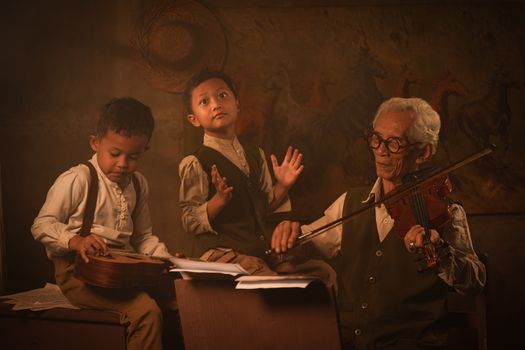
The first time I heard the haunting, ethereal notes of a shakuhachi flute echo through a Kyoto temple garden, something shifted within me. It wasn't just music; it was a story, a meditation, a whisper from centuries past. I stood there, mesmerized, a traveler lost not in the physical landscape, but in the intricate tapestry of sound. In that moment, a new travel aspiration was born: not just to hear traditional music, but to learn it, to feel the vibrations of history under my own fingertips, guided by someone who lived and breathed its legacy.
Fast forward to today, and that dream has blossomed into a passion. And trust me, there’s no better time to embark on your own musical pilgrimage than November 2025. Why then, you ask? Because it’s the sweet spot – the shoulder season where crowds thin, autumn colors paint breathtaking backdrops, and the cultural pulse of many destinations becomes even more accessible. So, pack your curiosity, tune your adventurous spirit, and let's dive into how you can learn traditional music from true masters around the world.
The Irresistible Call of Ancient Harmonies: Why Traditional Music?
In a world increasingly dominated by digital sounds and fleeting trends, there's a profound beauty in slowing down and connecting with traditions that have been passed down through generations. Learning a traditional instrument isn't just about mastering notes; it's about understanding a culture's soul, its history, its joys, and its sorrows.
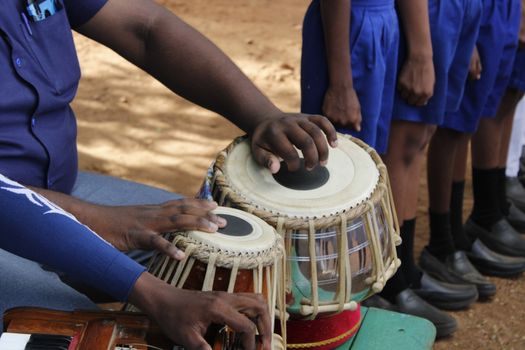
Think about it: when you learn to play a flamenco guitar, you're not just plucking strings; you're channeling the duende, the deep emotional intensity that defines Spanish art. When you learn the intricate rhythms of a tabla, you're tapping into the spiritual heart of India. These aren't mere instruments; they are vessels of heritage, each note a spoken word in a forgotten language.
Beyond the cultural immersion, there's a deeply personal reward. The challenge, the discipline, the moments of frustration followed by breakthroughs – it's a journey of self-discovery. You'll develop patience, focus, and a new way of listening to the world. Plus, imagine the stories you'll tell, the connections you'll make, and the unique skill you’ll bring home. It’s the ultimate souvenir, a piece of the world etched into your very being. And trust me, nothing makes for better Instagram stories than a candid shot of you struggling (or triumphing!) with a local instrument, hashtag #TravelAndTune!
November 2025: Your Golden Ticket to Melodic Mastery
So, why specifically November 2025? It's not just a random date on the calendar; it's strategically brilliant for several reasons:
- Shoulder Season Sweet Spot: Most popular destinations are past their peak summer rush and haven't yet entered the winter holiday frenzy. This means fewer tourists, shorter lines, and often, more affordable flights and accommodation. Crucially, it also means more availability and personalized attention from sought-after music masters who might be fully booked during peak times.
- Ideal Weather: Across many of our target destinations, November offers pleasant, mild weather. Imagine crisp autumn days in Japan or Europe, perfect for exploring between lessons. India's monsoon season is long gone, leaving behind lush landscapes and comfortable temperatures. It's ideal for both indoor study and outdoor exploration.
- Cultural Festivals & Events: November often hosts unique local festivals that celebrate heritage, arts, and music. Imagine attending a traditional music performance in the evening, after your own lessons, seeing masters perform live, and feeling the energy of the crowd. This adds an invaluable layer to your learning experience. For instance, many regions in India celebrate Diwali (though its date varies, it often falls in November), and Japan often has vibrant autumn festivals.
- Deeper Immersion: With fewer tourists, you're more likely to interact genuinely with locals, practice your budding language skills, and truly integrate into the community. This deeper connection is vital for understanding the context of the music you're learning.
Global Harmonies: Top Destinations & Instruments to Explore
The world is a symphony waiting to be played, and some destinations truly stand out for their rich musical traditions and opportunities for learning. Here are a few top picks for your November 2025 journey:
1. Kyoto, Japan: The Zen of Shakuhachi & Koto
- The Vibe: Ancient traditions, serene temples, vibrant autumn foliage, and a deep respect for artistry. Kyoto in November is simply breathtaking, with fiery maples contrasting against centuries-old wooden structures.
- The Instruments:
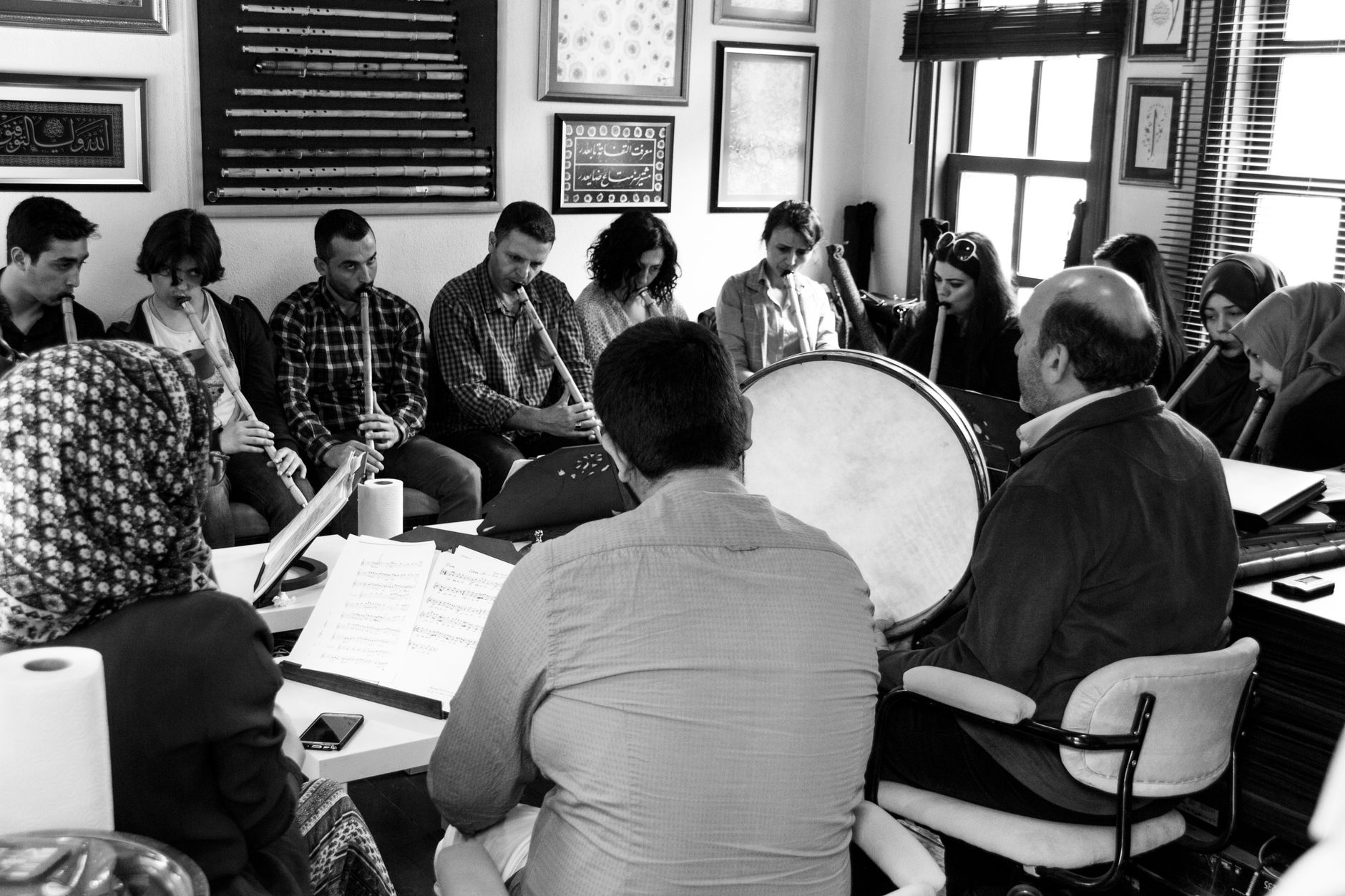
- Shakuhachi: A bamboo end-blown flute, deeply rooted in Zen Buddhism. Its sound is meditative, often described as a "voice of nature." Learning it is a spiritual practice as much as a musical one.
- Koto: A thirteen-stringed zither, elegant and graceful, often played in classical Japanese ensembles.
- Finding a Master: Kyoto is a hub for traditional arts. Look for private lessons at cultural centers like the Kyoto Traditional Musical Instrument Association or through specialized schools. Many temples also offer cultural workshops. Online resources like "Shakuhachi Society" forums can connect you with teachers.
- My Anecdote: During a past trip to Kyoto, I stumbled upon a small, unassuming shop near Gion. Inside, an elderly gentleman, his face etched with wisdom, was demonstrating a shakuhachi. He noticed my fascination and, with a kind smile, offered to show me the basic grip. Even that brief moment, feeling the cool bamboo and trying to coax a sound, was profound. It ignited my desire to truly learn.
- Practical Details (Estimates for Nov 2025):
- Lesson Cost: Private one-hour lessons can range from ¥5,000 - ¥10,000 (approx. $35-$70 USD). Intensive week-long courses might be ¥50,000 - ¥100,000 ($350-$700 USD) or more, depending on the master and institution.
- Accommodation: Hostels from ¥3,000 ($20 USD), guesthouses from ¥7,000 ($50 USD), hotels from ¥12,000 ($80 USD) per night. Booking in advance for November is wise.
- Getting There: Fly into Kansai International Airport (KIX), then take a direct train to Kyoto.
- Instagram Moment: A photo of you holding a shakuhachi in a bamboo grove, or a koto in a traditional tatami room, with autumn leaves outside. #KyotoMusic #ShakuhachiJourney
2. Seville, Spain: The Passion of Flamenco Guitar & Cajón
- The Vibe: Fiery passion, vibrant street life, stunning Moorish architecture, and the intoxicating rhythms of Andalusia. Seville in November is pleasant, with mild temperatures perfect for evening strolls and late-night tablaos.
- The Instruments:
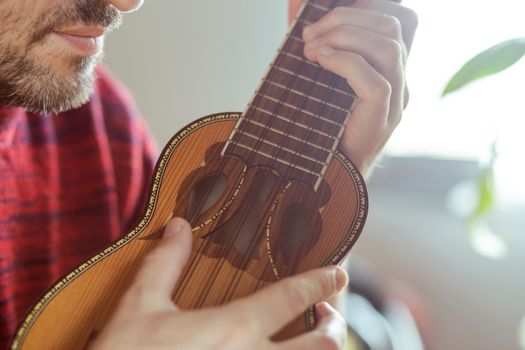
- Flamenco Guitar: More than just an instrument, it's the heartbeat of flamenco. Learning its intricate strumming patterns (rasgueados) and fingerpicking techniques (picados) is an exhilarating challenge.
- Cajón: A percussive box drum that provides the rhythmic backbone for flamenco. It's incredibly expressive and a fantastic entry point into flamenco rhythms.
- Finding a Master: Seville is the undisputed capital of flamenco. Look for schools like 'Taller Flamenco' or 'Fundación Cristina Heeren de Arte Flamenco.' Many local guitarristas also offer private lessons – ask around at local tablaos (flamenco venues).
- My Anecdote: One unforgettable evening in Seville, after a particularly intense flamenco performance, I struck up a conversation with the cajonero (cajón player). He was incredibly generous, showing me a basic rumba rhythm right there in the alleyway behind the tablao. The energy was electric, and I realized how deeply ingrained music is in the Andalusian soul.
- Practical Details (Estimates for Nov 2025):
- Lesson Cost: Private one-hour lessons for flamenco guitar can be €30-€60 (approx. $32-$65 USD). Week-long intensive workshops might cost €300-€700 ($320-$750 USD). Cajón lessons are often slightly less.
- Accommodation: Hostels from €20 ($22 USD), guesthouses from €40 ($43 USD), hotels from €70 ($75 USD) per night.
- Getting There: Fly into Seville Airport (SVQ), which is well-connected to major European cities.
- Instagram Moment: A dynamic shot of you with a flamenco guitar or cajón, perhaps in a sun-drenched courtyard or with a backdrop of Seville's iconic architecture. #FlamencoDreams #SevilleRhythms
3. Varanasi, India: The Mysticism of Sitar & Tabla
- The Vibe: Ancient, spiritual, chaotic, and profoundly beautiful. Varanasi, situated on the banks of the sacred Ganges, is a city of pilgrimage and deep cultural resonance. November offers cooler, drier weather after the monsoon, making it more comfortable for exploration.
- The Instruments:
- Sitar: The iconic stringed instrument of Hindustani classical music, known for its rich, resonant sound and intricate melodic possibilities. Learning it is a journey into microtones and ragas.
- Tabla: A pair of hand drums that provide the rhythmic pulse (tala) in Indian classical music. Mastering tabla requires incredible dexterity and a deep understanding of complex rhythmic cycles.
- Finding a Master: Varanasi is home to numerous music schools and individual gurus (teachers) who uphold the ancient guru-shishya parampara (teacher-disciple tradition). Seek out institutions like the 'Varanasi Music Centre' or ask at local guesthouses and cultural centers for reputable teachers.
- My Anecdote: My first sitar lesson in Varanasi was an exercise in patience and humility. My guru, a gentle man with an impressive white beard, didn't just teach notes; he taught the philosophy behind them. He started by having me simply sit with the instrument, feel its weight, and listen to its hum. It was a powerful reminder that music is a living entity, not just a series of sounds. The smell of incense and chai in the small teaching room is forever etched in my memory.
- Practical Details (Estimates for Nov 2025):
- Lesson Cost: Private one-hour lessons can be surprisingly affordable, ranging from ₹500 - ₹1,500 (approx. $6-$18 USD), but rates vary widely depending on the guru's reputation. Week-long or month-long intensive programs are also common.
- Accommodation: Guesthouses and budget hotels are plentiful, from ₹800 ($10 USD) to ₹3,000 ($36 USD) per night.
- Getting There: Fly into Lal Bahadur Shastri International Airport (VNS) near Varanasi.
- Instagram Moment: A contemplative shot with a sitar or tabla, perhaps overlooking the Ganges at sunrise or in a serene ashram setting. #VaranasiVibes #SitarJourney
4. Dublin, Ireland: The Lively Spirit of Fiddle & Tin Whistle
- The Vibe: Warm pubs, lively sessions, rolling green hills, and a deep-rooted love for storytelling and music. Dublin in November can be chilly but atmospheric, with cozy pubs providing the perfect backdrop for traditional tunes.
- The Instruments:
- Irish Fiddle: The backbone of Irish traditional music, known for its intricate ornamentation and driving rhythms.
- Tin Whistle: A simple, yet incredibly expressive, wind instrument. It's a fantastic, affordable entry point into Irish music and easily portable.
- Finding a Master: Dublin has numerous music schools and cultural centers dedicated to Irish traditional music, such as the 'Walton's New School of Music' or 'Comhaltas Ceoltóirí Éireann' (a large organization promoting Irish music). Many pubs host "session" nights where you can meet musicians and often find teachers.
- My Anecdote: I once spent an evening in a Dublin pub, captivated by a fiddle player whose fingers danced across the strings with incredible speed and joy. During a break, I confessed my desire to learn. He chuckled, pulled out a small tin whistle from his pocket, and taught me the first few notes of "The Rattlin' Bog" right there amidst the clinking glasses. It felt like a true initiation into Irish culture.
- Practical Details (Estimates for Nov 2025):
- Lesson Cost: Private one-hour lessons typically range from €30-€50 (approx. $32-$54 USD). Group workshops are often more affordable.
- Accommodation: Hostels from €25 ($27 USD), guesthouses from €50 ($54 USD), hotels from €80 ($86 USD) per night.
- Getting There: Fly into Dublin Airport (DUB), a major international hub.
- Instagram Moment: A cheerful photo of you with a tin whistle or fiddle in a cozy Irish pub, perhaps with a pint of Guinness nearby. #IrishTrad #DublinTunes
Finding Your Maestro: A Step-by-Step Guide
The thought of finding a "master" can seem daunting, but it's more accessible than you think. Here's how to navigate your quest:
- Start Early (Now for Nov 2025!): The best teachers are often booked well in advance. Begin your research and outreach immediately.
- Online Research is Your Friend:
- Specialized Music Schools & Cultural Centers: Search for institutions in your chosen city that focus on traditional music. Their websites often list teachers and courses.
- Online Platforms: Websites like TakeLessons, Superprof, or even local classifieds (translated) can list private tutors.
- Forums & Communities: Join online forums dedicated to the specific instrument you want to learn. Members are often incredibly helpful with recommendations.
- Local Connections & Word-of-Mouth: Once you're on the ground, don't be afraid to ask!
- Guesthouses/Hotels: Owners often have local connections.
- Music Shops: Staff are usually knowledgeable about local teachers.
- Cultural Cafes/Venues: Strike up conversations with musicians or patrons.
- Consider Specialized Tours: Some tour operators now offer "music immersion" packages that include lessons with local masters, accommodation, and cultural activities. While often pricier, they simplify logistics.
- Check Credentials & Reviews: Look for teachers with a strong reputation, performance experience, and positive testimonials from other students. A brief video call or email exchange can help you gauge their teaching style.
- Be Clear About Your Goals: Are you looking for a single introductory lesson, a week-long intensive, or something ongoing? Communicate this upfront.
Planning Your Melodic Pilgrimage: Practicalities for November 2025
Embarking on a musical journey requires a bit more planning than a typical sightseeing trip. Here’s what to consider:
- Budgeting:
- Lessons: Factor in lesson costs (as estimated above).
- Flights: November is generally cheaper than peak season, but book well in advance for the best deals. Use flight aggregators and set price alerts.
- Accommodation: Decide on your comfort level (hostel, guesthouse, Airbnb, hotel).
- Instrument Rental/Purchase: Some schools offer instrument rental; otherwise, factor in the cost of buying a basic instrument if you wish to bring it home.
- Living Expenses: Food, local transport, cultural activities, and general sightseeing.
- Visas & Entry Requirements: Check the visa requirements for your destination well in advance. November 2025 is still a year away, giving you ample time.
- Packing Essentials:
- Comfortable Clothing: For sitting during lessons and exploring.
- Recording Device: A small voice recorder or your phone to record lessons (with permission!).
- Notebook & Pen: For notes.
- Instrument (if you own one): Check airline carry-on policies carefully. Consider a travel-friendly version if available (e.g., a collapsible tin whistle).
- Weather-Appropriate Gear: Layers for autumn, potentially a light rain jacket.
- Cultural Sensitivity:
- Etiquette: Research local customs regarding greetings, attire, and classroom behavior. Bowing in Japan, removing shoes in an Indian ashram, understanding personal space – these details matter.
- Language: Learning a few basic phrases in the local language will go a long way in connecting with your teacher and community.
- Respect the Master: In many traditional settings, the teacher (guru, sensei, maestro) is held in high esteem. Show respect and humility.
- Insurance: Travel insurance is a must, covering medical emergencies, trip cancellations, and even potentially your instrument if you're traveling with one.
My Own Rhythmic Revelation: Beyond the Notes
My most profound musical travel experience wasn't just about hitting the right notes; it was about the moments around the music. I recall a chilly November evening in a small, unassuming pub in Doolin, Ireland, after a week of trying (and failing, mostly) to master the tin whistle. The pub was packed, steam rising from pints of Guinness, and a "trad session" was in full swing. I was just listening, enjoying the camaraderie.
Suddenly, the fiddler, a woman with a mischievous twinkle in her eye, spotted my tin whistle case on the table. She winked, raised her bow, and started playing a slow, simple reel. It was one of the tunes I'd been agonizing over all week. Emboldened by the Guinness and the sheer warmth of the moment, I hesitantly pulled out my whistle and joined in, fumbling at first, then finding a rhythm. It wasn't perfect, not by a long shot, but the other musicians smiled, nodded, and encouraged me. For a few glorious minutes, I wasn't just a tourist; I was part of the music, part of the story, part of Ireland. That feeling of connection, of shared humanity through melody, is something no souvenir can ever replicate.
These are the moments you’ll chase. Attending local performances, joining jam sessions (even if just to listen), sharing meals with your teacher, exploring the markets where instruments are made – these experiences weave together to form a rich tapestry that makes your musical journey truly transformative.
Conclusion: Tune In, Travel On, and Transform Your November 2025!
Learning traditional music from a master is more than just a trip; it's an odyssey for the senses, a pilgrimage for the soul. It's about stepping out of your comfort zone and into a world where ancient rhythms tell modern stories, where melodies bridge cultural divides, and where every note you play connects you to a lineage stretching back through time.
November 2025 offers the perfect window for this extraordinary adventure. The world is calling, its instruments are waiting, and its masters are ready to share their wisdom. Don't just dream about it – start planning your melodic masterpiece today! Imagine the stories you'll have, the skills you'll gain, and the profound connection you'll forge with a culture through its most intimate expression.
So, tell me, fellow travelers, which instrument is calling your name? Where will your musical journey take you in November 2025? Share your dreams and plans in the comments below! And don't forget to tag #TripsoraMusicJourney and #LearnWithMasters on your social media posts as you plan and embark on this incredible adventure!
---