The Whispers of Ancient Wisdom: My Journey to Healers Locals Keep Secret
The air in Mae Hong Son, Thailand, was thick with the scent of jasmine and woodsmoke, a balm to my travel-weary soul. I’d spent weeks chasing waterfalls and temple spires, but a nagging sense of superficiality clung to me. I craved something deeper, a connection beyond the postcard views. It was then, nursing a persistent stomachache – likely from one too many street food adventures – that a quiet whisper led me off the well-trodden path. My guesthouse owner, a woman with eyes that held centuries of stories, noticed my discomfort. Instead of offering an over-the-counter pill, she simply said, "There is a woman in the village who knows the old ways. If your heart is open, she might help."
That day marked the beginning of my quest, not just for a cure, but for an understanding of traditional healers – the kind of profound cultural anchors that locals cherish, protect, and often, keep secret from the tourist hordes. This isn't about exploiting hidden gems; it’s about a mindful, respectful approach to finding profound experiences that connect you to the very soul of a place. It's about learning to listen for the whispers, not the shouts, and understanding that some of the greatest treasures aren't found on a map.
The Call of the Ancestors: Why Traditional Healing Matters (Beyond Just Cures)
Before we dive into the 'how,' it’s crucial to understand the 'why.' Traditional healing isn't merely an alternative to Western medicine; it's an entirely different paradigm, deeply interwoven with culture, spirituality, and community. Across the globe, from the Balian of Bali to the Curandero of Latin America, the Sangoma of Southern Africa, or the Albularyo of the Philippines, these healers are custodians of ancient knowledge.
They often see illness not just as a physical ailment, but as an imbalance – a disharmony between body, mind, spirit, and environment. Their practices are holistic, drawing upon generations of wisdom regarding medicinal plants, spiritual rituals, divination, massage, and counseling. They are community pillars, spiritual guides, and keepers of cultural heritage. For many locals, these healers are the first, and often only, point of contact for health and well-being, their wisdom passed down through oral traditions, often predating written history.
To dismiss them as mere "folk doctors" is to miss the profound cultural tapestry they represent. Engaging with a traditional healer isn't just about seeking a remedy; it's about experiencing living history, understanding a culture's deepest beliefs, and connecting with a lineage of wisdom that has sustained communities for millennia. It's a journey into the heart of what makes a place unique and resilient.
Decoding the Whisper Network: How to Find the Unfindable (Respectfully)
The very premise of this article – "locals don't want tourists to know" – implies a delicate dance. You won't find these healers advertised on TripAdvisor or in glossy brochures. Their existence is often sustained by word-of-mouth, community trust, and a desire to preserve their practices from commercialization or misunderstanding. So, how do you find them without being intrusive or disrespectful?
It begins with a shift in your travel mindset. Forget the checklist tourism and embrace slow, intentional travel.
- Immerse Yourself in Local Life: Instead of staying in international chain hotels, opt for family-run guesthouses, homestays, or locally owned bungalows. These environments foster genuine interaction. Your hosts are your first, and best, gateway to local culture.
- Learn Basic Language & Cultural Norms: A few phrases in the local language – greetings, polite requests, expressions of gratitude – can open doors. Understanding basic cultural etiquette (dress codes, how to address elders, mealtime customs) shows respect and signals your genuine interest.
- Engage, Don't Exploit: Strike up conversations with shopkeepers, market vendors, local artisans, or fellow travelers who have been in the area for a while. Ask about local traditions, festivals, or unique aspects of their culture. Don't immediately ask, "Where's your secret healer?" That's a surefire way to shut down conversation. Instead, express curiosity about local remedies for common ailments, or ask about spiritual practices.
- Seek Out Community-Based Tourism Initiatives: Some regions have developed responsible tourism programs that connect visitors with indigenous communities, offering insights into their way of life. While these might not directly lead to a "secret healer," they build trust and provide pathways for deeper cultural understanding.
- Be Patient and Open-Minded: Finding these experiences isn't a quick transaction. It requires patience, humility, and a willingness to be led by intuition and serendipity. The opportunity often arises when you least expect it, a gift of trust from a local who senses your genuine respect. My stomachache in Mae Hong Son wasn't cured by asking; it was noticed, and then an offer was made.
My Journey to the 'Hidden' Healers: Stories from the Edge of the Map
Over the years, my travels have led me to several such encounters, each unique, each profoundly impactful. I’ll share composite stories, blending elements from various experiences to protect the privacy of the individuals and communities involved, while still conveying the essence of these powerful encounters.
The Gentle Touch of the Balinese *Balian
*
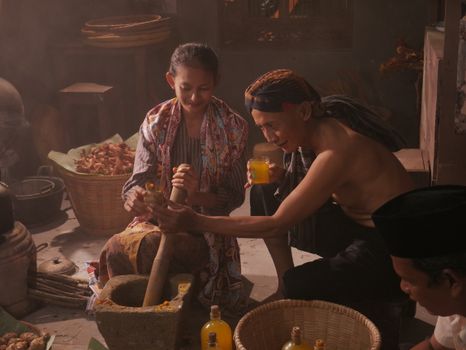
Deep in the emerald rice paddies of central Bali, away from the bustling tourist hubs, I once found myself in a small village. A local friend, sensing my stress from a demanding work project, suggested visiting Ibu Wayan, a Balian (traditional healer). Her home was simple, open to the elements, fragrant with incense and drying herbs. Ibu Wayan, a woman with a serene smile and hands gnarled from years of work, sat me down on a woven mat.
Her consultation began not with questions about my physical symptoms, but with a quiet observation of my energy, a gentle touch of my pulse, and a reading of my palm. She spoke softly, not in medical terms, but about "heavy energy" and a "tired spirit." Her treatment involved a kerokan (coin scraping massage) to release stagnant energy, followed by a deeply relaxing herbal compress applied to my back and shoulders. She prepared a small sachet of dried flowers and herbs, advising me to place it under my pillow for peaceful sleep. The cost? A modest offering, left discreetly in a small woven basket, a gesture of gratitude rather than a fixed fee. I left feeling lighter, not just physically, but as if a weight had been lifted from my soul. It wasn't just a massage; it was a spiritual realignment.
The Wisdom of the Andean *Curandero
*
In a remote village high in the Peruvian Andes, after a particularly arduous trek that left me with aching joints and a sense of spiritual exhaustion, I was introduced to Don Ricardo, a respected Curandero (healer) of the community. His small adobe home was nestled into the mountainside, offering breathtaking views of the peaks. Inside, bundles of herbs hung from the rafters, and a small altar held offerings to Pachamama (Mother Earth).
Don Ricardo, with his weathered face and knowing eyes, began by offering me a cup of coca leaf tea, a traditional remedy for altitude sickness and a cultural staple. He performed a limpia (spiritual cleansing), using specific herbs and a condor feather to brush away negative energies, chanting softly in Quechua. He spoke of the mountains as living beings, of the importance of gratitude and connection to the land. He recommended a specific herbal poultice for my knees, made from plants gathered from the surrounding slopes, and advised me to spend time in quiet contemplation in nature. My offering was a small bag of rice and some candles, items the community valued. I left feeling not only physically soothed but deeply connected to the ancient spirit of the Andes, grounded and revitalized.
The Divination of the Southern African *Sangoma
*
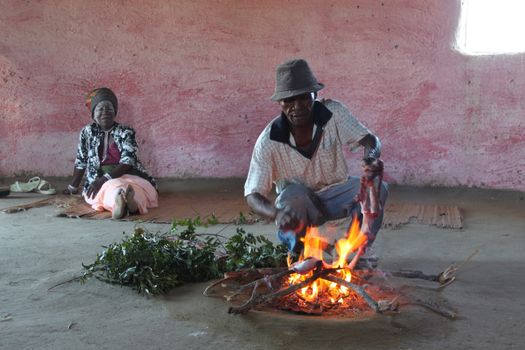
My most profound encounter was in a village in a rural part of Southern Africa, where I sought understanding of local traditions. Here, I met Mama Thandi, a Sangoma (traditional healer and diviner). Her consultation hut was circular, with a central fire pit, and adorned with animal skins, beads, and ancestral objects. The air hummed with an almost palpable spiritual energy.
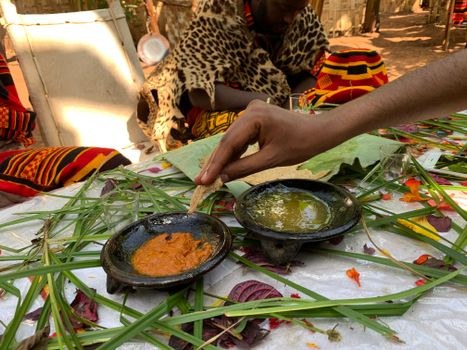
Mama Thandi began not with questions, but with divination, casting her bones and shells onto a mat. She interpreted their patterns, speaking of ancestors, unresolved family issues, and a path forward. Her insights were startlingly accurate, touching upon aspects of my life I hadn't vocalized. Her "treatment" was less about a physical cure and more about spiritual guidance and emotional healing. She prescribed specific herbal teas for general well-being and a ritual of gratitude to my own ancestors. The offering was a small, respectful monetary gift, meant to support her and her family, and a promise to carry her wisdom forward with respect. This experience profoundly shifted my perspective on healing, emphasizing the interconnectedness of personal well-being with ancestral lineage and spiritual harmony.
The Unwritten Rules: Etiquette for Engaging with Traditional Practices
These encounters are not tourist attractions. They are sacred spaces and profound cultural exchanges. Respect is paramount.
Do:
* Ask for Permission: Always ask before taking photos, recording, or even entering certain spaces. A polite "May I?" goes a long way.
* Dress Modestly: Show respect for the cultural context. Cover shoulders and knees, especially when entering sacred spaces or homes.
* Be Patient and Open-Minded: These practices might differ vastly from what you're accustomed to. Suspend judgment and approach with genuine curiosity.
* Offer a Respectful Donation/Gift: Even if not explicitly asked, it is customary and respectful to offer a small gift or monetary donation. Ask your local contact what is appropriate. This is not haggling; it’s an offering of gratitude.
* Listen More Than You Speak: Absorb the wisdom, observe the rituals, and be present.
* Respect Privacy and Confidentiality: The healer's home is their sanctuary. The insights shared are personal. Do not share exact locations or specific personal details about the healer publicly without explicit permission.
* Show Gratitude: A heartfelt "thank you" in the local language, a small gesture of appreciation, cements the positive exchange.
Don't:
* Treat it Like a Tourist Attraction: This is not a show. Avoid loud chatter, disruptive behavior, or treating the experience as mere entertainment.
* Haggle Over Prices: If a price or offering is suggested, accept it graciously.
* Be Dismissive or Skeptical Outwardly: Even if you don't fully understand or believe, maintain a respectful demeanor. Your presence is a privilege.
* Demand Specific Outcomes: Healing is a process, not a guaranteed instant fix. Trust the healer's wisdom and your own body's journey.
* Share Exact Locations Publicly: This is crucial for maintaining the integrity and privacy of these sacred practices and communities. When you share your story, generalize locations.
Beyond the Cure: What You Really Take Home
The true "remedy" from these experiences often extends far beyond any physical ailment. What you truly take home is:
- Profound Cultural Understanding: A deeper appreciation for the rich tapestry of human belief systems and the ingenuity of ancient wisdom.
- Spiritual Insights: A renewed connection to yourself, to nature, and to the unseen forces that shape our world.
- Personal Growth: The humility of being a learner, the patience of seeking, and the openness to new perspectives.
- Unforgettable Stories: Moments of genuine connection, deep empathy, and shared humanity that no guidebook could ever provide.
- A Sense of Responsibility: To advocate for respectful tourism and the preservation of indigenous knowledge.
These encounters are not just about finding a "secret" place; they are about discovering a secret within yourself, awakened by the profound wisdom of others. They teach us to slow down, to listen, to trust, and to respect the intricate balance of life.
So, the next time you travel, consider stepping beyond the usual itinerary. Open your heart, engage with genuine curiosity, and listen for the whispers. You might just find a connection that transforms your journey, and perhaps, your life.
Have you had a similar experience seeking out traditional wisdom? Share your stories and tips for respectful engagement in the comments below! Let's inspire each other to travel more mindfully and meaningfully.
---