The Whispers of Ancient Wisdom: Your Transformative Journey to Traditional Healers in November 2025
The scent of burning palo santo still clings to my memory, a potent reminder of a moment that shifted something deep within me. It was in a small, unassuming hut nestled in the Peruvian Amazon, where a curandero, his eyes ancient and knowing, guided me through a ritual of cleansing and intention. I wasn't sick in the conventional sense, but I was stuck – a common modern ailment of burnout, digital fatigue, and a nagging sense that there had to be more to life than chasing deadlines. That experience wasn't just a trip; it was a profound homecoming to a part of myself I hadn't known was lost.
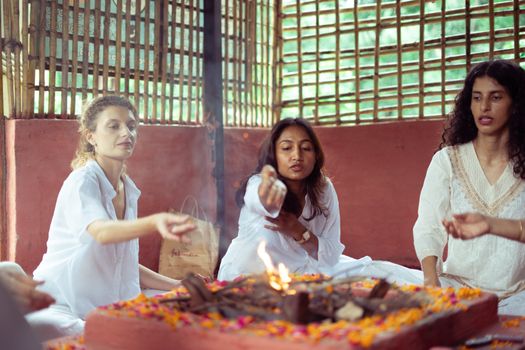
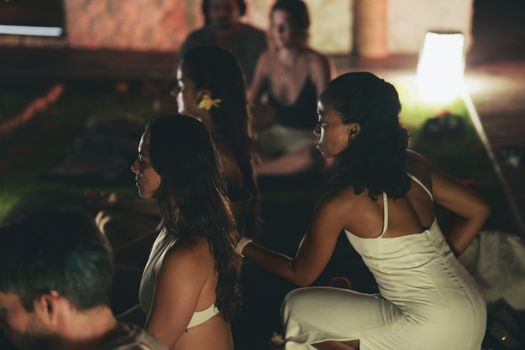
And that, my fellow adventurers, is why I'm so excited to tell you about a unique opportunity on the horizon: November 2025. This isn't just another month on the calendar; it's a perfect window for a truly transformative journey. Across the globe, incredible traditional healers are opening their doors, sharing their wisdom, and offering paths to wellness that modern science is only just beginning to understand. Forget the sterile clinics; imagine healing under a canopy of stars, to the rhythm of ancient drums, or with the gentle touch of hands that carry generations of knowledge.
If you’re seeking a deeper connection, a profound sense of healing, or simply an experience that transcends the ordinary, then this guide is for you. Let's dive into some of the most captivating places where ancient traditions thrive and how you can respectfully engage with these powerful practices.
Understanding the Path: More Than Just Medicine
Before we embark on this journey, it’s crucial to set the stage. Traditional healing isn't just about curing ailments; it's a holistic approach that views the individual as an intricate web of physical, emotional, spiritual, and communal connections. These healers, often called shamans, curanderos, sangomas, balian, or amchis, are custodians of ancestral knowledge, passed down through generations. They work with plant medicines, spiritual rituals, divination, energy work, and deep psychological insight, often guided by intuition and connection to the spirit world.
When you seek out a traditional healer, you’re not just a patient; you’re a participant in a profound cultural exchange. This requires an open mind, a respectful heart, and a genuine willingness to engage with practices that might be entirely different from what you're accustomed to. It's about stepping out of your comfort zone and into a space of deep learning and introspection.
The Heart of the Amazon: Peru's Curanderos & Ayahuasca Journeys
My first encounter with traditional healing, as I mentioned, was in Peru. The Amazon rainforest is a living pharmacy, and its indigenous communities have harnessed its power for millennia. Here, the curanderos (healers) are revered figures, working with sacred plant medicines like Ayahuasca, San Pedro, and various medicinal herbs to diagnose and treat physical and spiritual imbalances.
What to Expect:
A journey with an Amazonian curandero is often a multi-day retreat, especially if you're participating in Ayahuasca ceremonies. These are not recreational activities; they are deeply spiritual and therapeutic processes guided by experienced shamans. You'll typically undergo a strict dietary preparation (dieta) beforehand, which involves avoiding certain foods, alcohol, and even sex, to purify your body and mind. Ceremonies usually take place at night, in a maloca (ceremonial hut), accompanied by icaros (sacred songs) sung by the curandero. The experience can be intensely personal, challenging, and profoundly insightful, often leading to emotional release, spiritual revelations, and a deeper understanding of oneself and the universe. Beyond Ayahuasca, curanderos also offer plant baths, limpias (energetic cleansings), and herbal remedies for various ailments.
Where to Go in November 2025:
Look towards the regions around Iquitos and Tarapoto in Peru. There are many reputable retreat centers and individual healers who welcome visitors. For a truly authentic and ethically guided experience, I highly recommend centers that are run by or in close partnership with indigenous communities. Research places like the Temple of the Way of Light (near Iquitos) or Spirit Vine (in Brazil, but similar ethos), known for their rigorous safety protocols and integration support. While I can't name specific individual healers for ethical reasons (it's often word-of-mouth and deep trust), established centers provide a good entry point.
Practicalities & Costs:
* Duration: Ayahuasca retreats typically range from 7-14 days. Other healing sessions might be shorter.
* Cost: Expect to pay anywhere from $1,500 - $3,500+ USD for a reputable 7-10 day Ayahuasca retreat, including accommodation, food, ceremonies, and integration support. Individual healing sessions (e.g., plant baths, consultations) might range from $50 - $200 USD per session.
* Booking: Book well in advance, especially for November 2025, as spaces are limited and highly sought after.
* My Anecdote: My own Ayahuasca journey was not always easy, but it peeled back layers of emotional baggage I didn't even know I was carrying. One night, under the guidance of Maestro Juan, I felt an incredible connection to the earth, weeping tears of gratitude for the simple act of breathing. It was raw, real, and utterly cleansing.
Ancestral Rhythms: South Africa's Sangomas & Divination
From the lush Amazon, let’s travel to the vibrant landscapes of South Africa, where the Sangomas play a pivotal role in communities. Sangomas are traditional healers and diviners, revered for their ability to communicate with ancestors, diagnose illnesses (both physical and spiritual), and provide guidance through various rituals. Their calling often comes through ancestral dreams and visions, leading to a rigorous apprenticeship.
What to Expect:
A visit to a Sangoma is a profound cultural experience rooted in the belief that ancestors guide and protect the living. You might participate in a divination session (known as ukuphalaza or ukuvuma), where the Sangoma throws bones, shells, and other sacred objects to interpret messages from the ancestors. They might also use traditional herbs (muthi), offer spiritual cleansing rituals (ukuhlambulula), or guide you through ceremonies to appease ancestors or resolve conflicts. The atmosphere is often vibrant, involving drumming, chanting, and sometimes trance-like states. It's less about a 'cure' in the Western sense and more about understanding the root cause of imbalance, whether it's a physical ailment, bad luck, or emotional distress, and aligning with ancestral wisdom.
Where to Go in November 2025:
While Sangomas are found throughout South Africa, seeking them out requires sensitivity and respect. It's best to connect through reputable cultural tour operators or community initiatives that facilitate respectful interactions. Areas around KwaZulu-Natal and the Eastern Cape are strongholds of Nguni traditions where Sangomas are prominent. Organizations like Ubuntu Traditional Healers or local cultural centers sometimes offer educational experiences or facilitated visits. Avoid simply showing up unannounced; respect for their sacred practice is paramount.
Practicalities & Costs:
* Duration: A divination session might last 1-2 hours. More involved rituals could be longer.
* Cost: A consultation with a Sangoma might range from R200 - R1000+ ZAR ($10 - $50+ USD), depending on the complexity and location. Larger ceremonies or prolonged healing might incur higher costs, but always agree on a price beforehand.
* Booking: Arrange visits through trusted local guides or cultural organizations.
* My Anecdote: During a cultural immersion trip near Durban, I had the privilege of observing a Sangoma ritual. The rhythmic drumming was mesmerizing, and though I didn't fully understand the language, the palpable energy and the deep reverence in the room were undeniable. It was a powerful reminder of how interconnected spiritual and physical well-being are in many cultures.
Balinese Bliss: Bali's Balian & Spiritual Cleansing
From the spiritual heart of Africa, we journey to the "Island of the Gods," Bali, Indonesia. Here, the Balian (Balinese traditional healers) are an integral part of daily life, blending Hindu-Buddhist philosophies with animist beliefs. Balians act as conduits between the spiritual and physical worlds, offering a wide range of healing practices from herbal remedies to energetic cleansing and spiritual guidance.
What to Expect:
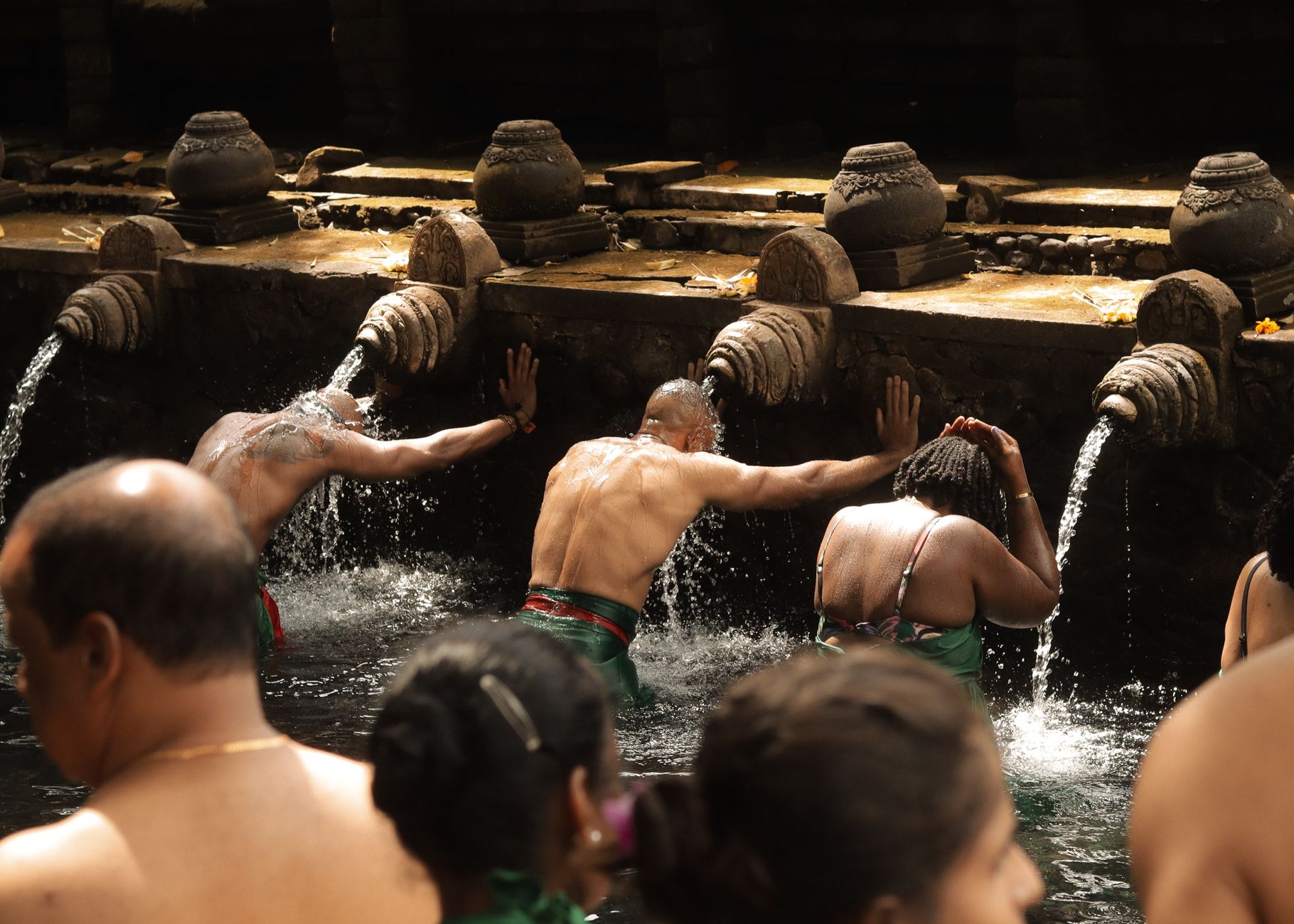
A session with a Balian can be incredibly diverse. Many specialize in different areas: some are herbalists (pengusada), some specialize in massage (tukang pijit), and others are spiritual healers (pemangku or dukun). You might experience a melukat (water purification ceremony) at a sacred spring, a deep tissue massage to release blocked energy, or a session where the Balian channels spiritual messages and provides insights into your life's challenges. They often use ancient texts, palm reading, and offerings to facilitate healing. The focus is often on restoring balance to your sekala (visible world) and niskala (invisible world).
Where to Go in November 2025:
Bali is particularly welcoming, with many Balinese healers accustomed to foreign visitors. Ubud, known as the island's spiritual heart, is an excellent base. You can find reputable Balians through word-of-mouth, guesthouses, or by asking trusted locals. Some popular and accessible ones include Cokorda Rai (known for his massages and energy work, though he is very popular and difficult to see), or various healers in villages surrounding Ubud. Always choose a Balian based on personal recommendation or a trusted local's advice rather than just seeking out the most famous.
Practicalities & Costs:
* Duration: Sessions can range from 30 minutes to several hours, depending on the ritual.
* Cost: A session with a Balian can range from IDR 200,000 - IDR 1,000,000+ ($15 - $70+ USD), sometimes more for extensive rituals. Always offer a donation or agree on a price respectfully.
* Booking: Often involves showing up with an offering and waiting, or booking through a local guide. November is a good time to visit Bali as it's shoulder season, meaning fewer crowds.
* My Anecdote: I once visited a Balian near Tegallalang, who used a series of deep, almost painful, pressure points to release tension from my body. It was intense, but afterwards, I felt an incredible lightness, as if years of stress had been physically lifted. The simple act of offering a flower before the session felt deeply respectful and connected.
The Mystical Atlas: Morocco's Gnawa Healers & Trance Rituals
Our next stop takes us to the ancient, vibrant culture of Morocco, where the Gnawa people, descendants of sub-Saharan slaves, have preserved a unique spiritual and musical tradition. The Gnawa are not healers in the conventional sense, but their music and rituals, particularly the Lila ceremony, are powerful tools for spiritual healing, exorcism, and communion with the spiritual world.
What to Expect:
A Gnawa Lila (or Derdeba) is an all-night communal ritual designed to invoke spirits, heal the sick, and cleanse participants. Led by a Maâlem (master musician), the ceremony involves hypnotic, rhythmic music played on guembri (a three-stringed lute), qarqab (metal castanets), and drums. Participants often enter trance states, which are believed to facilitate spiritual cleansing and healing. While not a direct consultation like with a Sangoma or Curandero, experiencing a Lila can be a deeply cathartic and spiritually uplifting event, particularly for those seeking release from negative energies or emotional burdens. It's an immersive, sensory-rich experience.
Where to Go in November 2025:
The best place to experience Gnawa culture is in Essaouira, often called the "Gnawa capital" of Morocco, or in Marrakech and Fez. While the annual Gnaoua World Music Festival in Essaouira is in June, you can find smaller, more intimate Lila ceremonies throughout the year, especially if you connect with local guides. Ask at your riad or trusted local contacts about where to respectfully observe or participate in a Lila. Some cultural centers or private homes may host these.
Practicalities & Costs:
* Duration: A Lila ceremony is an all-night event, often starting in the evening and continuing until dawn.
* Cost: Attending a private Lila can be expensive, ranging from MAD 500 - MAD 2000+ ($50 - $200+ USD), depending on the group size and arrangements. Some cultural tours might include a partial experience.
* Booking: Connect with local guides who specialize in cultural experiences. They can help you find legitimate and respectful opportunities.
* My Anecdote: I once stumbled upon a small Gnawa gathering in a Marrakech courtyard. The pulse of the guembri immediately drew me in. Though I only stayed for an hour, the hypnotic rhythms and fervent chants were captivating. It was a glimpse into a world where music isn't just entertainment, but a powerful bridge to the divine.
Ethical Engagement: How to Be a Respectful Seeker
As thrilling as these experiences sound, it's paramount to approach them with the utmost respect and ethical awareness. These are not tourist attractions; they are sacred practices and integral parts of living cultures.
- Do Your Research: Understand the cultural context, beliefs, and specific practices of the healer you wish to visit.
- Seek Reputable Sources: Rely on recommendations from trusted local guides, ethical tour operators, or established retreat centers known for their respectful engagement with indigenous communities. Avoid "spiritual tourism" outfits that exploit traditions.
- Ask Permission: Always ask permission before taking photos or recording. In many instances, it's inappropriate and disrespectful.
- Dress Respectfully: When visiting sacred sites or healers, dress modestly, covering shoulders and knees.
- Offer a Fair Exchange: Traditional healers often rely on donations or fees for their livelihood. Do not haggle over prices, and offer a respectful amount for their time, wisdom, and the resources they use.
- Be Open and Present: Come with an open heart and mind. Listen intently, participate respectfully, and be present in the moment. Avoid making demands or having rigid expectations.
- Respect Confidentiality: What you experience or witness during a healing session may be private to the individual or the community. Exercise discretion.
- Understand Limitations: Traditional healing is not a replacement for modern medical care, especially for acute conditions. Always consult with medical professionals as needed.
- November 2025 Planning: Start your research NOW. Ethical and authentic experiences often require advance planning and building connections.
Your Journey Awaits in November 2025
The world of traditional healing is vast, profound, and endlessly fascinating. It offers not just remedies for the body, but profound insights for the soul. As we approach November 2025, the opportunity to connect with these ancient traditions is a gift – a chance to slow down, listen to the whispers of the past, and perhaps, find a missing piece within ourselves.
Whether it's the mystical plants of the Amazon, the ancestral guidance of a Sangoma, the serene wisdom of a Balinese Balian, or the trance-inducing rhythms of the Gnawa, these journeys promise transformation. They are an invitation to step away from the noise of the modern world and rediscover a deeper, more connected way of being.
So, what are you waiting for? Start planning your transformative journey for November 2025 now! Share your thoughts in the comments below – have you had an experience with traditional healers? Where would you go first? Let's inspire each other!
---