Angkor Wat in Cambodia is one of the largest religious monuments in the world, and its towers, galleries and bas-reliefs draw visitors from around the globe. Many travelers who have seen Angkor look for other temple complexes to compare, either to extend a trip or to explore different traditions. Across Southeast and South Asia, there are many sites of comparable age and ambition, though each reflects different religions, building materials and settings. Comparisons are subjective, so this guide describes several well-known options and what makes each one distinct, rather than ranking them.
Borobudur: A Buddhist Monument in Central Java
Borobudur is a large Buddhist monument near Yogyakarta in Indonesia. Built as a stepped structure with terraces, galleries of relief panels and a crown of stupas, it is one of the largest Buddhist monuments in the world. Visitors often arrive early to see the sunrise over the surrounding volcanic landscape. The reliefs along the galleries illustrate Buddhist teachings and everyday life, and the site rewards slow walking.
Nearby, the Prambanan temple complex is a Hindu site with tall spires and carved panels, and the two sites are often visited together. Tickets, entry times and dress or conduct rules at religious sites can change, so check current details before you go.
Bagan: Thousands of Temples on the Plains
Bagan in Myanmar is an archaeological zone on the banks of the Irrawaddy River, where thousands of Buddhist temples, pagodas and stupas were built over several centuries. The scale of the plain is one of its most striking features, and many visitors take sunrise or sunset viewpoints to see temples silhouetted against the sky. Some temples can be climbed, while others are closed to visitors, and rules on climbing and footwear have changed over time.
Travel to Myanmar is subject to changing conditions, and visitors should check current official advice before planning. Bagan's dust and heat can be intense in the dry season, so pack accordingly.
Hampi: Ruins in a Boulder Landscape
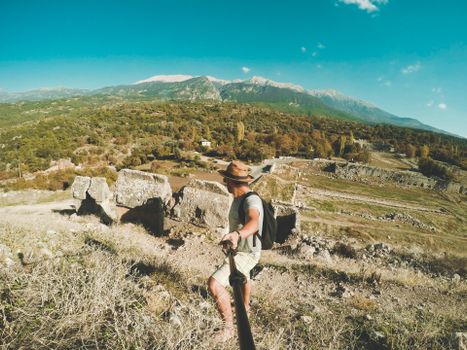
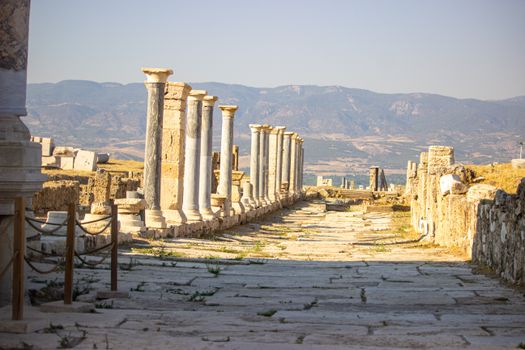
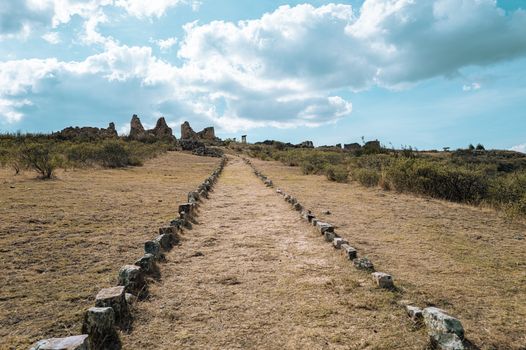
Hampi, in the Indian state of Karnataka, contains the ruins of the Vijayanagara Empire's capital, set among dramatic granite boulders and riverside fields. The site includes temples, royal enclosures and market streets, and many of its structures are carved with detailed sculpture. Hampi is quieter than many major Indian monuments and suits visitors who enjoy walking among ruins and exploring rocky hills. Cycling and walking are common ways to explore the area.
Temperatures can be high, particularly outside the cooler months, so plan visits for early morning or late afternoon. Some temples are still used for worship, and modest dress is appropriate.
My Son: Cham Towers in Central Vietnam
My Son is a group of Cham towers and temples in central Vietnam, near the town of Hoi An. The Cham civilization built these structures from brick, many of them dedicated to Hindu deities. Parts of the complex suffered damage in past conflicts and were later restored with international support, and interpretive displays explain its history. The site is set among green hills, and visiting in the morning can help you avoid heat and crowds.
Many visitors combine My Son with Hoi An's old town, which is a short journey away. Check current opening times and transport options before planning.
Choosing Among Temple Complexes
Each site offers a different combination of religion, architecture and setting. Angkor is known for its enormous scale and forest setting, Borobudur for its stepped structure and reliefs, Bagan for its plain of temples, Hampi for its boulder-strewn ruins and My Son for its brick towers in green hills. Consider which religious traditions and building styles you find most interesting, and how much time you want to spend on each site. Climate, access and local conditions will also shape the experience.
Practical tips
Plan visits for early morning or late afternoon to avoid heat and crowds. Dress modestly, carry water and sun protection, and remove shoes where required. Follow site rules about climbing, photography and drones, which vary and are often strictly enforced. Hire licensed guides for context, especially at large archaeological sites where signage may be limited. Check the current entry requirements and visa rules for each country. Allow generous time for travel between sites, since distances can be longer than they appear on a map.
Common mistakes to avoid
A frequent mistake is trying to fit several major complexes into a single day. Walking, heat and the sheer size of each site can be exhausting, and details are easy to miss. Some visitors arrive without a plan for water or shade, especially at sites with little cover. Others rely on guidebooks alone and skip local explanations of iconography and building techniques. Choosing a site based only on photographs can also disappoint, because a complex may look different in person, with restoration work or crowds affecting the view. Visitors often underestimate travel times between sites, particularly when roads are slow or public transport is limited. Finally, people may wear shoes unsuitable for uneven stone or dusty tracks, which can make even a short visit difficult. Allowing for these points often leads to a calmer and more rewarding trip.
Who this suits and who it doesn't
These temple complexes suit travelers with an interest in history, religion, architecture or archaeology, and they often reward those who enjoy slow exploration. Photographers may appreciate the changing light across large sites, while those who like quiet landscapes may favour places with fewer visitors. They can be less suitable for people with limited mobility, since many sites involve long walks, steep steps and uneven surfaces. Visitors with heat sensitivity or respiratory conditions should plan carefully, particularly in dry or humid seasons. Travelers who prefer structured tours with minimal walking may find some sites more demanding than expected, although accessible routes and vehicles are sometimes available. Matching your fitness and interests to each site will help you choose the right visit.
A simple checklist for planning
- Which religious tradition and building style interests you most?
- How many hours of walking can you manage in one day?
- Does the site offer shade, water and accessible routes?
- Have you allowed realistic time for transport between sites?
- Have you checked that the site is open on the days you plan to visit?
- Do your shoes suit uneven stone and dust?
Temple complexes in Southeast and South Asia offer experiences that stand alongside Angkor Wat in scale and history. Borobudur, Bagan, Hampi and My Son each reveal distinct religious traditions and building techniques. Planning around climate, dress codes and site rules will help you appreciate each place on its own terms.