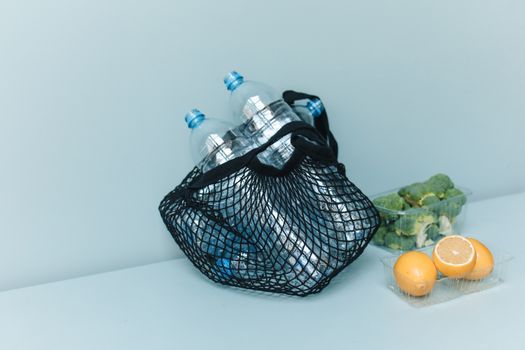
The turquoise waters of Railay Beach in Thailand were postcard-perfect – until I looked closer. Nestled among the white sand and vibrant coral fragments was a discarded plastic bottle, then another, and another. My heart sank. I’d spent the day snorkeling, marveling at the marine life, only to be confronted by the harsh reality of plastic pollution, even in paradise. That moment, years ago, was my wake-up call. It was a stark reminder that our wanderlust, while incredible for the soul, often leaves a tangible footprint on the very places we cherish.
Like many of you, I used to pack without much thought. Mini toiletries, countless plastic water bottles, disposable coffee cups – it was all part of the routine. But after that trip, I knew I had to change. I started small, then got serious. What I discovered blew my mind: going plastic-free on the road isn’t just about being "good" for the environment; it’s about smarter packing, saving money, avoiding leaks, and frankly, looking pretty chic while doing it.
Welcome to the future of travel, where your essentials are as kind to the planet as they are to your travel experience. Forget bulky, inconvenient eco-alternatives. These are the game-changing plastic-free travel essentials that will revolutionize your adventures, making them lighter, cleaner, and infinitely more mindful.
---
1. Hydration Heroes: Your Reusable Water Bottle & Filter System
Let’s be real: staying hydrated on the go is non-negotiable. But buying bottled water everywhere? That’s a fast track to a mountain of plastic waste and a significant dent in your travel budget. This is where your hydration heroes step in, and trust me, they're total game-changers.
My absolute must-have is an insulated stainless steel water bottle. Brands like Hydro Flask or Klean Kanteen (typically $30-$50) keep water icy cold for hours, even under the scorching sun of the Sahara, or piping hot for those chilly mountain mornings in the Dolomites. But the real magic happens when you pair it with a portable water filter or purifier.
Think about it: instead of constantly searching for bottled water, you can safely refill from almost any tap, stream, or even questionable hotel water source. My personal favorite is the Grayl GeoPress ($90-$100). It’s a French press-style purifier that removes viruses, bacteria, protozoa, and microplastics in seconds. I’ve used it to safely drink tap water across Southeast Asia, from the bustling streets of Hanoi to remote villages in Laos, saving countless plastic bottles and a ton of cash. For lighter, faster purification, a Lifestraw Go ($40-$50) is also fantastic, integrating a filter directly into the bottle.
- Tripsora Tip: Many airports now have water refill stations past security. Always fill up before your flight! In Europe, most restaurants are happy to refill your bottle for free. Download apps like "RefillMyBottle" or "Tap" to find water stations globally. The average traveler buys 2-3 plastic water bottles a day; imagine the savings (and impact!) over a two-week trip.
---
2. The Art of the Eco-Friendly Wash Bag Makeover
Remember the days of liquid explosions in your toiletry bag, airport security confiscations, and a drawer full of tiny hotel shampoo bottles? Those days are over. Your eco-friendly wash bag is about to get a serious upgrade.
The biggest revelation for me was solid toiletries. Shampoo bars, conditioner bars, body soap bars, and even solid toothpaste tabs or powder. Brands like Ethique or Lush offer incredible, long-lasting bars (typically $10-$20) that lather beautifully, smell amazing, and take up minimal space. They’re TSA-friendly (no liquids!), leak-proof, and one bar can easily outlast several bottles of liquid product. For instance, my Ethique shampoo bar lasted me three months of constant travel, from the humid Amazon to the dry deserts of Jordan.
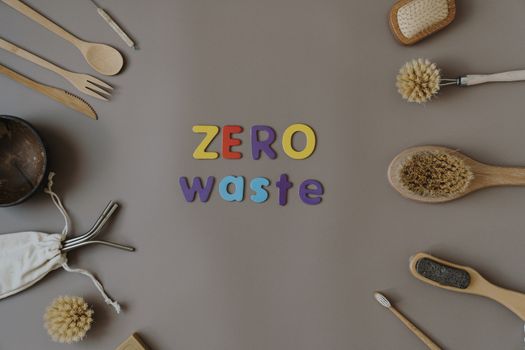
Pair these with a bamboo toothbrush (biodegradable handle, around $5), a small tin for your soap bars, and reusable cotton rounds for makeup removal (around $15 for a pack). For women, a menstrual cup (like DivaCup or Saalt Cup, $25-$40) is an absolute game-changer. It’s reusable for years, incredibly comfortable, and frees you from the constant need to buy and dispose of tampons or pads, especially valuable when traveling in remote areas. I can’t tell you the relief of not having to worry about finding sanitary products while trekking through Patagonia!
- Tripsora Tip: Store your solid bars in a breathable container or a small, reusable tin after use to let them dry out, preventing mushiness. When buying, look for bars with minimal or compostable packaging.
---
3. Feast Sustainably: Your On-The-Go Culinary Companions
Street food is the heart and soul of many travel experiences, from sizzling pad thai in Bangkok to savory empanadas in Medellín. But often, these delicious moments come wrapped in plastic, served with single-use cutlery, or in Styrofoam containers. My solution? A compact kit of culinary companions that empowers me to eat (and drink) sustainably, wherever I go.
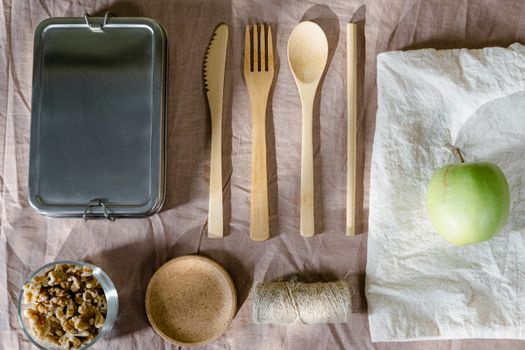
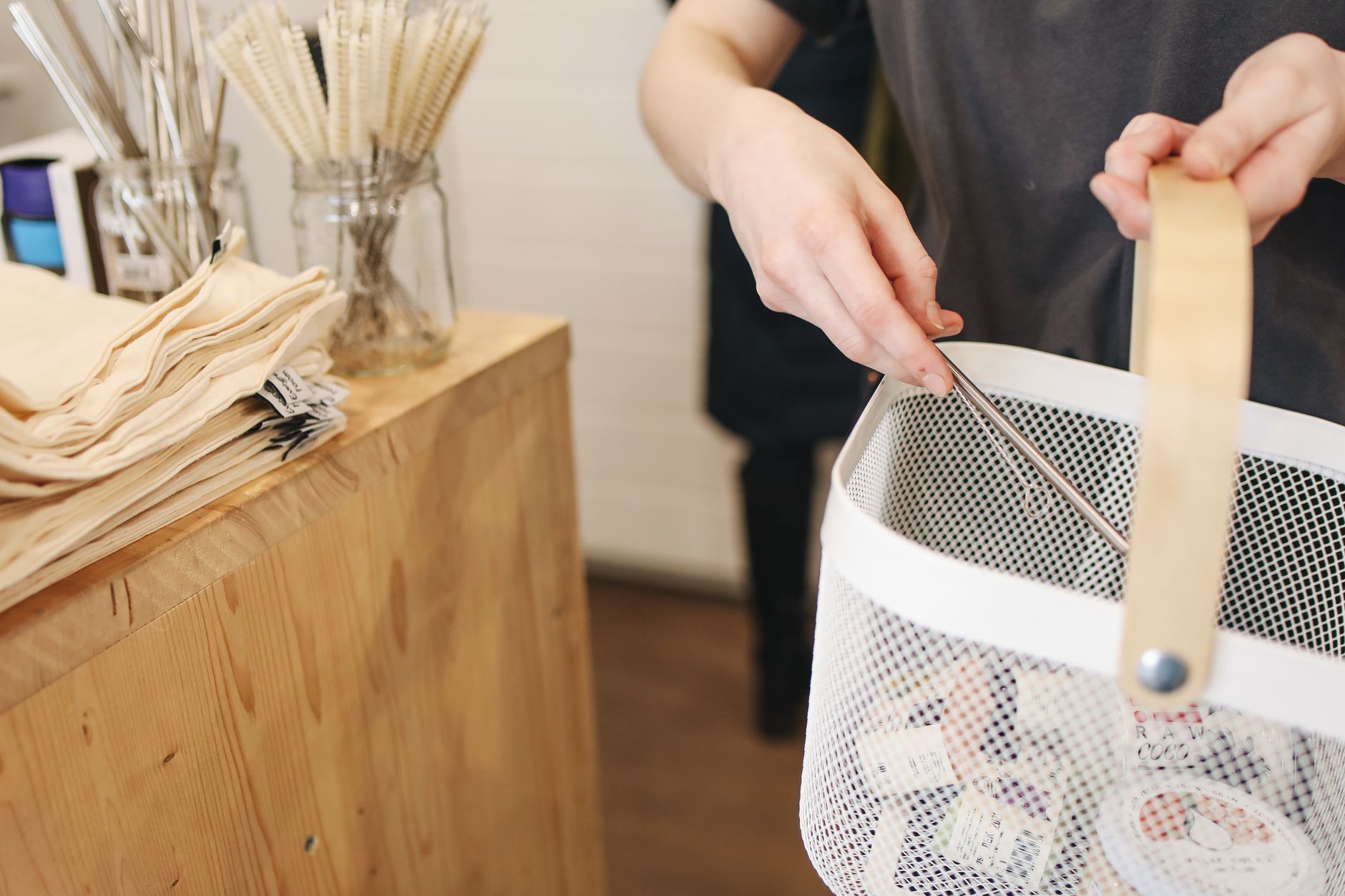
My essential kit includes a reusable cutlery set (bamboo or stainless steel, around $15-$25), a collapsible silicone cup (like a Stojo, $15-$20), and at least one reusable straw (metal or bamboo, around $5). I also always carry a small cloth napkin and a couple of reusable produce/shopping bags (like ChicoBag, $10-$15).
Picture this: I’m at a bustling night market in Vietnam, ordering a delicious noodle soup. Instead of accepting the plastic bag and Styrofoam bowl, I politely hand over my collapsible cup and ask for it to be filled. For my spring rolls, my bamboo cutlery comes out. It’s a small gesture, but it makes a huge difference. I’ve saved countless plastic bags in European grocery stores, used my collapsible cup for impromptu coffee breaks in bustling city squares, and even enjoyed fresh juice without a plastic straw on a remote Indonesian island.
- Tripsora Tip: When ordering takeaway, practice saying "no plastic, please" in the local language. A simple "Không túi nhựa, làm ơn" in Vietnamese or "No plastic, por favor" in Spanish goes a long way. Most vendors appreciate the effort.
---
4. Pack Smart, Pack Green: Sustainable Organization Hacks
Traveling light and organized is an art, and going plastic-free can actually elevate your packing game. Forget flimsy plastic bags for organizing; there are far superior, sustainable alternatives that will keep your luggage tidy and your conscience clear.
Packing cubes made from recycled materials
are my go-to for keeping clothes compressed and categorized. Brands like Peak Design or Patagonia often use recycled nylon or polyester (sets range from $40-$80). They’re durable, lightweight, and make finding that specific shirt a breeze, whether you’re living out of a backpack or a suitcase.
For snacks, toiletries, or even wet items, reusable silicone bags (like Stasher bags, $10-$20 each) are fantastic. They’re leak-proof, freezer-safe, and incredibly versatile. I use them for everything from storing half-eaten sandwiches on a hike in Zion National Park to keeping my solid toiletries dry after a shower.
And don't forget a lightweight, quick-drying travel towel made from bamboo or recycled microfibers ($20-$40). They're incredibly absorbent, take up minimal space, and dry in a flash, eliminating the need for hotel towels that often get washed daily, consuming water and energy. A small mesh laundry bag (again, often made from recycled plastic) is also invaluable for separating dirty clothes without resorting to single-use plastic bags.
- Tripsora Tip: Before you buy, check the material composition. Look for certifications like GRS (Global Recycled Standard) or Oeko-Tex to ensure your items are genuinely sustainable and free from harmful chemicals.
---
5. Beyond the Basics: Mindful Extras for a Greener Journey
Sometimes it's the little things that make the biggest impact, both on your journey and on the planet. These mindful extras might not be on everyone's plastic-free radar, but they’ve become indispensable for me.
First up: reef-safe sunscreen. If you’re heading anywhere with coral reefs (think the Great Barrier Reef, the Caribbean, or Southeast Asia), your choice of sunscreen matters. Many chemical sunscreens contain oxybenzone and octinoxate, which are toxic to marine life and coral. Opt for mineral-based sunscreens with zinc oxide or titanium dioxide, often sold in plastic-free tins or recyclable tubes (e.g., Badger Balm, Kinship, $15-$30). Protecting these fragile ecosystems is a small but powerful way to be a responsible traveler. I’ve personally witnessed the devastating effects of coral bleaching, and using reef-safe sunscreen is one easy way to help.
Next, consider a portable solar charger ($30-$60). While not strictly plastic-free (they usually contain some plastic), they reduce your reliance on conventional electricity sources, especially when off-grid. Charging your phone or camera with the sun's energy feels incredibly empowering, whether you're camping in national parks or experiencing a power outage in a remote village.
Finally, embrace the joy of a good old-fashioned book instead of relying solely on digital devices. While e-readers are great, a physical book means no charging, no blue light, and a wonderful break from screens. Head to a local bookstore or trade paperbacks with fellow travelers – it's a wonderfully analog, plastic-free way to pass the time. Plus, buying from local bookstores supports local economies.
- Tripsora Tip: When buying souvenirs, prioritize items made from natural, locally sourced materials by local artisans. Say no to cheap plastic trinkets, which often end up in landfills, and support crafts that truly reflect the culture you're visiting.
---
6. The Mindset Shift: Why Plastic-Free Travel Blows Your Mind
Beyond the individual items, the most mind-blowing aspect of plastic-free travel is the profound shift in mindset it creates. It’s not just about what you don't use; it's about what you gain.
- Financial Freedom: No more constantly buying bottled water, mini toiletries, or plastic bags. The initial investment in quality reusable items pays for itself surprisingly quickly. I've saved hundreds of dollars over my travels by simply refilling my water bottle and bringing my own coffee cup.
- Convenience & Simplicity: No leaks in your bag, no liquid limits at security, lighter luggage. Solid toiletries are a dream! Having your own cutlery means you're always prepared for that spontaneous street food adventure.
- Deeper Connection: You become more attuned to your surroundings, more aware of your impact, and more appreciative of the natural beauty you're exploring. You start to notice the small things, like where your waste goes, and actively participate in solutions.
- Authentic Experiences: Engaging with local communities by asking for refills or using local markets with your reusable bags often leads to more genuine interactions and a deeper understanding of the culture.
- Inspiring Others: Your actions speak volumes. When locals or fellow travelers see you effortlessly using your plastic-free essentials, it sparks curiosity and encourages conversation. You become an unwitting ambassador for mindful travel.
My journey from a plastic-using tourist to a conscious traveler has been incredibly rewarding. It’s taught me patience, resourcefulness, and a deeper respect for our planet. It’s shown me that small choices, consistently made, snowball into significant positive change.
---
The world is waiting for you, and it’s more beautiful when we treat it with care. These plastic-free travel essentials aren't just trendy gadgets; they're tools for a more responsible, enjoyable, and genuinely mind-blowing travel experience. They empower you to explore without exploiting, to discover without destroying, and to connect with the world on a deeper, more meaningful level.
So, are you ready to ditch the plastic and embrace a lighter, greener way to wander? Start with one or two items from this list, integrate them into your next adventure, and watch how quickly your travel habits (and the planet) begin to thank you.
What's your favorite plastic-free travel essential that blew your mind? Share your tips and tricks with us in the comments below and let's inspire each other to travel better! Use #TripsoraGoGreen on social media to show us your eco-friendly travel setup!