The Sun's Secrets: Unearthing Summer Solstice Celebrations Locals Don't Want You to Find
The air was crisp, scented with pine and woodsmoke. Above me, the sky glowed with an ethereal twilight that refused to fully surrender to night, even at 11 PM. I stood on a small, rocky outcropping overlooking a serene Swedish lake, not in a bustling city park, but in a tiny village in Dalarna, a place so remote even Google Maps seemed to hesitate. Beside me, an elderly woman named Ingrid hummed a tune as she meticulously arranged wildflowers in her hair, her eyes twinkling with an ancient joy.
Just hours before, I’d been ready to pack it in. My grand plan to experience an "authentic" Swedish Midsommar had led me to a crowded public park, filled with more selfie sticks than traditional costumes. Disheartened, I was nursing a lukewarm coffee when a chance conversation with a local shopkeeper, Sven, changed everything. He saw my disappointment, my longing for something real. With a knowing smile, he scribbled directions on a napkin, hinting at a family gathering "just beyond the bend, past the old mill." He warned, "They don't often have... outsiders."
That night, amidst bonfires crackling, children dancing around a flower-bedecked maypole, and the shared laughter over plates of pickled herring and schnapps, I understood. This was the magic. This was the Summer Solstice, stripped of commercialism, celebrated with the raw, heartfelt joy of a community connected to its roots. This was a secret, whispered from one generation to the next, a tradition so precious, its beauty lay in its intimacy.
And it made me wonder: what other secret solstice celebrations exist around the world, hidden from the tourist gaze, waiting to be discovered by those willing to look beyond the guidebooks? After years of chasing sunsets and ancient rituals, I've gathered a few whispers of my own. Prepare to trade the crowded squares for the quiet, profound magic of the longest day, celebrated the way locals truly do.
The Whispers of the Midnight Sun: Scandinavia's Lesser-Known Midsummer Magic
Forget the well-trodden paths of Stockholm's Skansen or Copenhagen's Tivoli. While charming, they offer a curated experience. For the real heart of Scandinavian Midsummer (or Midsommar, Juhannus, Sankthans), you need to venture into the wild, rugged soul of the Nordic lands.
My Discovery:
After Sven’s tip, my experience in Tällberg, Dalarna, Sweden was transformative. It wasn't the famous Midsommar pole raising of Leksand, but a smaller, more family-centric affair. The local hembygdsgård (homestead museum) hosted a gathering where families brought their own food, children made flower wreaths, and the dancing was less a performance, more a spontaneous burst of joy. Ingrid, my new friend, insisted I join her family's crayfish party later, teaching me the words to traditional drinking songs. The cost? Just the ingredients for a small dish I contributed and a bottle of local schnapps (around 150 SEK / $15 USD). The memory? Priceless.
Beyond Sweden:
* Norwegian Fjords: Instead of the big cities, seek out small communities along the Sognefjord or Hardangerfjord. Many villages, like Balestrand or Undredal, will have community bonfires on the water's edge, often followed by impromptu gatherings at local homes or small community halls. Ask at the local Joker (grocery store) or pub a few days before June 21st. Accommodation in a small guesthouse can range from 800-1500 NOK ($75-$140 USD) per night.
* Finnish Lakeland: Head to the Saimaa region. Finns retreat to their summer cottages for Juhannus, meaning cities empty out. The real magic is at lakeside saunas, where families observe ancient rituals of cleansing and bonfires (kokko). Finding an invitation requires true local connection, but staying in a small, privately owned cabin (around €100-€200 per night) and politely inquiring at the local general store could lead to a spontaneous invitation to a communal bonfire.
Practical Tips:
* Go Rural: Focus on villages, not towns. Check local community websites (often in local language, use Google Translate).
* Connect: Stay in a family-run B&B or guesthouse. The hosts are your best resource.
* Learn the Basics: "Tack så mycket" (Swedish), "Tusen takk" (Norwegian), "Kiitos" (Finnish) will go a long way.
* Respect the Intimacy: These are often private family or community events. Be polite, ask if you can observe or help, and never intrude.
Ancient Rites & Fiery Nights: Eastern Europe's Unseen Kupala Celebrations
Eastern Europe's Summer Solstice, known primarily as Ivan Kupala (or Noc Kupały in Poland, Joninės in Lithuania), is a vibrant, deeply pagan festival of fire, water, and fertility. While some cities host public events, the true, ancient spirit thrives in the countryside.
My Discovery:
I once found myself in a small village outside Lviv, Ukraine, during Ivan Kupala. A friend of a friend had invited me, and it was nothing short of exhilarating. As dusk fell, young women in flower wreaths launched them onto the river, believing the way they floated would reveal their romantic fate. Later, under a sky lit by a massive bonfire, couples, including myself (with a very brave local I'd just met!), leaped over the flames, a ritual believed to cleanse and bring good fortune. The air thrummed with folk songs and an almost primordial energy. The entire experience cost me a shared taxi ride from Lviv (about 200 UAH / $5 USD) and a bottle of local kvass.
Beyond Ukraine:
* Polish Mazury Lakes: The "Land of a Thousand Lakes" is where Noc Kupały truly comes alive. Small villages around Giżycko or Mikołajki host bonfires, traditional music, and wreath-making workshops. Seek out local agroturystyka (farm stays), often for as little as 100-150 PLN ($25-$38 USD) a night, where hosts might invite you to their family's or neighbor's celebration.
* Lithuanian Joninės: Head to the Kernavė Archaeological Site, a UNESCO World Heritage site, which hosts a larger, yet still incredibly authentic, Joninės celebration drawing from ancient Baltic traditions. However, for a more intimate experience, smaller towns like Molėtai or Anykščiai will have local gatherings. Look for posters in local shops or ask at your guesthouse.
Practical Tips:
* Rural Homestays: This is your golden ticket. Many rural families are incredibly welcoming.
* Dress the Part (Respectfully): If you're invited to participate, wearing a simple flower wreath (easy to make or buy locally) shows respect and enthusiasm.
* Be Prepared for Late Nights: These celebrations often go until dawn.
* Learn the Lore: Understanding the symbolism (fire for purification, water for fertility, fern flower for luck) enhances the experience.
Celtic Echoes: Ireland and Scotland's Solstice Secrets (Beyond the Stones)
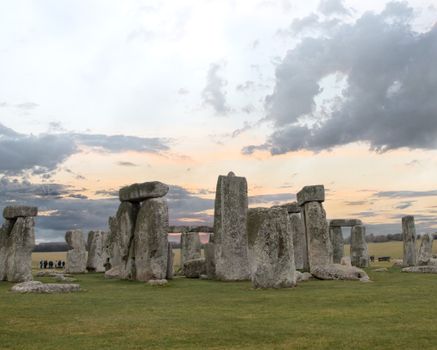
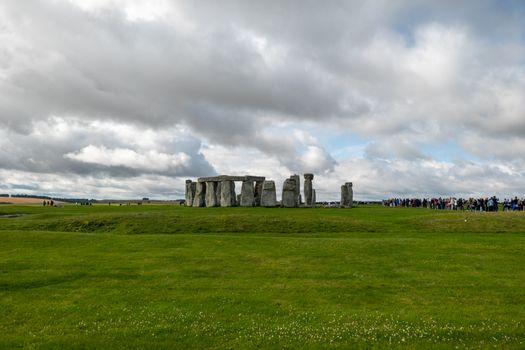
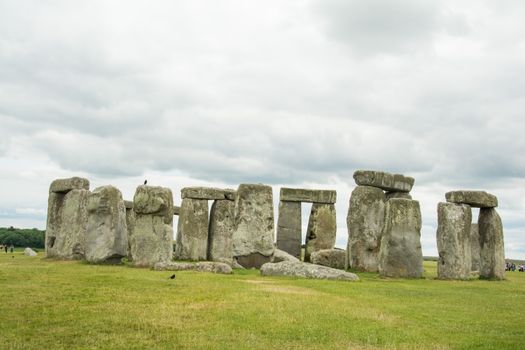
While Stonehenge and Newgrange draw thousands for the Summer Solstice, the Celtic lands hold quieter, more ancient secrets. These are not grand festivals, but rather intimate gatherings rooted in folklore, reverence for nature, and the power of storytelling.
My Discovery:
On a solo backpacking trip through County Kerry, Ireland, I was staying in a tiny B&B near the Ring of Kerry. The owner, a lovely woman named Maeve, noticed my interest in local history. She mentioned a "small gathering" at a lesser-known standing stone circle not far from her farm. That evening, I joined about a dozen locals – farmers, artists, and a few spirited academics – as they marked the solstice. There was no grand ceremony, just quiet contemplation, a shared flask of whiskey, and a local musician playing haunting tunes on a fiddle as the sun dipped below the horizon, painting the ancient stones in hues of orange and purple. It was raw, spiritual, and deeply moving. The cost was literally nothing beyond the B&B stay (around €60-€80 / $65-$85 USD per night).
Beyond Kerry:
* Isle of Skye, Scotland: While popular for its dramatic landscapes, most tourists stick to the main trails. For the solstice, seek out remote crofting communities. Places like Waternish or Elgol might host small, informal gatherings at ancient cairns or along the coast. Ask at local pubs (like The Old Inn in Carbost) or small village shops. A pint of local ale and a friendly chat can open doors.
* West Cork, Ireland: This rugged, beautiful region is steeped in folklore. Look for local events around ancient holy wells (like St. Brigid's Well in Faughart, though further north, many local wells are celebrated) or specific hillsides. Local historical societies or community centers might have small listings, or again, the pub is your best bet for local intel.
Practical Tips:
* Be Patient and Polite: These aren't advertised events. It's about genuine connection and showing respect for local traditions.
* Embrace the Weather: Celtic summers can be unpredictable. Pack layers!
* Listen to the Stories: The oral tradition is strong. Engage with locals, and you might hear tales passed down for generations.
* Support Local: Stay in independent B&Bs, eat at local eateries.
Mediterranean Mystique: Spain's San Juan Fiestas, the Unseen Side
Spain's Noche de San Juan (Saint John's Eve) on June 23rd is a fiery celebration, particularly along the coast. While big cities like Barcelona have famous beach parties, the real magic, the one steeped in tradition and local fervor, often happens in smaller, less-visited towns and villages.
My Discovery:
I was traveling through Asturias, a green, mountainous region on Spain's northern coast, a few years ago. My aim was to avoid the crowded southern beaches. On San Juan, I found myself in a tiny fishing village called Cudillero. Instead of a massive, commercialized bonfire, families built smaller, personal bonfires on the beach coves, grilling sardines and sharing wine. Children jumped over the dying embers, and people took midnight dips in the ocean for purification. I shared a bottle of local cider (sidra) with a family who insisted I join their circle, feeding me freshly grilled sardines. It was loud, joyous, and utterly authentic. The meal and cider cost maybe €15-€20 ($16-$22 USD).
Beyond Barcelona:
* Galician Rías Baixas: In Galicia, the Noite de San Xoán is particularly potent, with strong Celtic influences. Small coastal towns like Combarro or Cambados will have bonfires, often combined with shellfish feasts (mariscadas) and the burning of meigas (witches) effigies. Look for local posters, or simply walk the streets as dusk falls – the smell of woodsmoke will guide you.
* Andalusia's White Villages: While often associated with flamenco and sunshine, many of the pueblos blancos (white villages) in the hills of Andalusia, like Frigiliana or Grazalema, have their own unique San Juan traditions, often involving bonfires in plazas and communal dinners. These are less about beach parties and more about community bonding.
Practical Tips:
* Rent a Car: This gives you the flexibility to explore smaller towns and villages beyond public transport routes.
* Ask for Fiestas Menores: When inquiring about events, ask about "smaller fiestas" or "local celebrations" rather than just "San Juan," which might direct you to larger tourist events.
* Embrace the Late Start: Spanish celebrations often begin late and go until the early hours.
* Participate in the Food: Food is central to Spanish culture. Share, try everything, and offer to contribute if appropriate.
The Sacred Heart of the Andes: Inti Raymi's Hidden Precursors
While Peru's Inti Raymi in Cusco is a magnificent spectacle, it's also a major tourist attraction. For a truly profound connection to the Andean reverence for the sun god, Inti, and Mother Earth, Pachamama, you need to seek out the smaller, more intimate rituals in remote indigenous communities.
My Discovery:
I once trekked to a small, isolated Quechua village high in the Sacred Valley, Peru, several days before the main Inti Raymi festival. My local guide, a wise elder named Mateo, had arranged for me to stay with his extended family. On a clear, cold morning, we participated in a despacho ceremony – a private offering to Pachamama and Inti. It involved coca leaves, seeds, flowers, and sweets, all carefully arranged and then ritually burned. There were no crowds, no grand costumes, just the hushed reverence of a family connecting with their ancient beliefs. The guide fee for Mateo was about $50 USD per day, and my homestay with his family was a humble $20 USD per night, including meals.
Beyond Cusco:
* Bolivian Altiplano: In the high plains of Bolivia, particularly around Lake Titicaca (on the Bolivian side, away from Copacabana's main tourist hub), indigenous Aymara communities hold various rituals around the solstice (often close to June 21st, sometimes coinciding with Aymara New Year). These involve offerings, traditional music, and dances, often performed in ancient ruins or sacred sites. Connecting with a local, reputable tour operator specializing in community tourism is crucial here.
* Ecuadorian Andes: The Kichwa people celebrate Inti Raymi with water rituals, music, and traditional dances. While cities like Otavalo have public events, smaller communities in the Chimborazo province or around Cotopaxi National Park will have more intimate gatherings. Look for community-based tourism initiatives that allow you to stay with families and participate respectfully.
Practical Tips:
* Hire a Local Indigenous Guide: This is non-negotiable for respectful and authentic access. They bridge cultural gaps and ensure your presence is welcomed.
* Community Tourism Projects: Seek out organizations that facilitate stays in indigenous communities, ensuring your money directly benefits the locals.
* Respect Sacred Space: These are often deeply spiritual ceremonies. Be quiet, observant, and always ask permission before taking photos.
* Be Prepared for Altitude: High-altitude locations require acclimatization.
Unlocking the Gates: How to Find These Hidden Gems
So, how do you find these elusive, authentic solstice celebrations? It's not about booking a tour; it's about shifting your mindset and embracing a different way of traveling.
- Go Local with Accommodation: Ditch the chain hotels. Opt for independent guesthouses, family-run B&Bs, or homestays. Your hosts are your best source of local knowledge and connections. They live there, they know what's happening.
- Talk to Everyone (and Listen!): The bartender at the local pub, the shopkeeper in the village square, the grandma selling vegetables at the market – these are your unofficial tour guides. Strike up conversations, express genuine interest in local culture, and mention you're looking for authentic experiences.
- Learn a Few Phrases: Even a simple "hello," "thank you," and "do you have any local celebrations?" in the local language can open doors and warm hearts. It shows respect and effort.
- Research Beyond Google's First Page: Dive into niche travel blogs, local community forums (often in the local language), academic papers on folklore, or even local history websites. Sometimes, the clues are hidden in plain sight, just not in English.
- Be Flexible and Embrace Spontaneity: These aren't ticketed events. Plans might change, or you might hear about something amazing last minute. Be ready to adjust your itinerary.
- Respect and Observe: You are a guest in someone else's tradition. Ask permission before taking photos, participate only if invited, and always be mindful of cultural norms. Your presence should be an enhancement, not an intrusion.
- Timing is Key: Arrive a few days before the solstice (June 21st, or June 23rd for San Juan/Kupala) to settle in, explore, and make connections. Don't expect to parachute in on the day and find a secret party.
- Offline Maps & Local SIM: Essential for navigating rural areas. A local SIM card allows you to call new contacts and access local information.
- Budget for the Unexpected: Small gifts for hosts, local treats to share, or a small contribution to a communal meal can go a long way in fostering connections.
The Sun is Waiting: Your Unforgettable Solstice Adventure Awaits
The Summer Solstice isn't just the longest day; it's a powerful moment of renewal, a time when ancient energies stir and communities come together to honor the sun's life-giving power. While the tourist hubs offer their versions, the real magic, the profound connection, lies in the hidden corners, in the whispered traditions that locals hold dear.
My experiences, from dancing around a maypole in a remote Swedish village to leaping over bonfires in Ukraine, have been some of the most authentic and enriching of my travels. They weren't found in a guidebook, but through open-mindedness, respect, and a willingness to connect on a human level.
Are you ready to trade the beaten path for the whispered secrets of the longest day? To feel the ancient rhythm of the earth and the warmth of genuine human connection? The sun is waiting, and so are these unforgettable adventures.
Share your own hidden solstice discoveries below, or tell us which of these rituals you're dreaming of experiencing. Let's inspire each other to travel deeper, connect more authentically, and uncover the world's most cherished secrets!
---