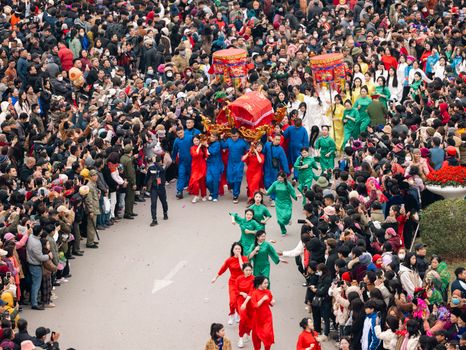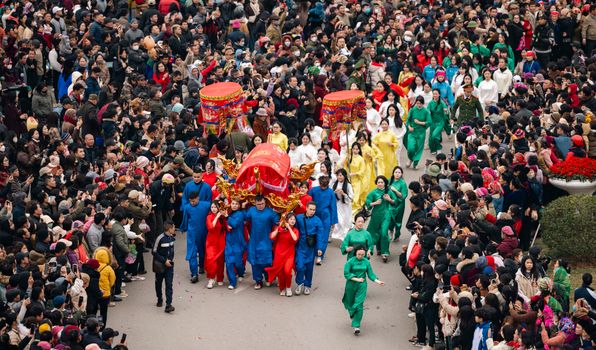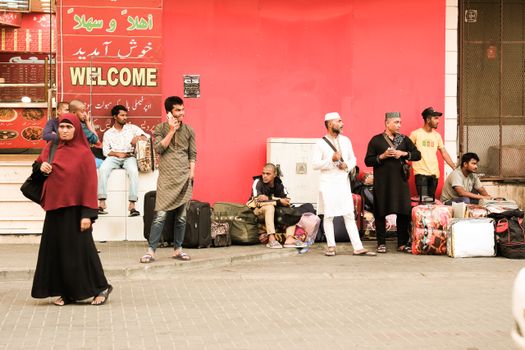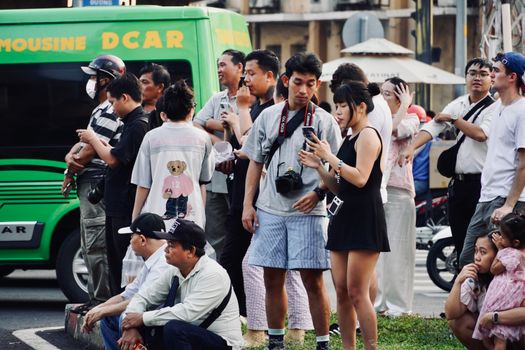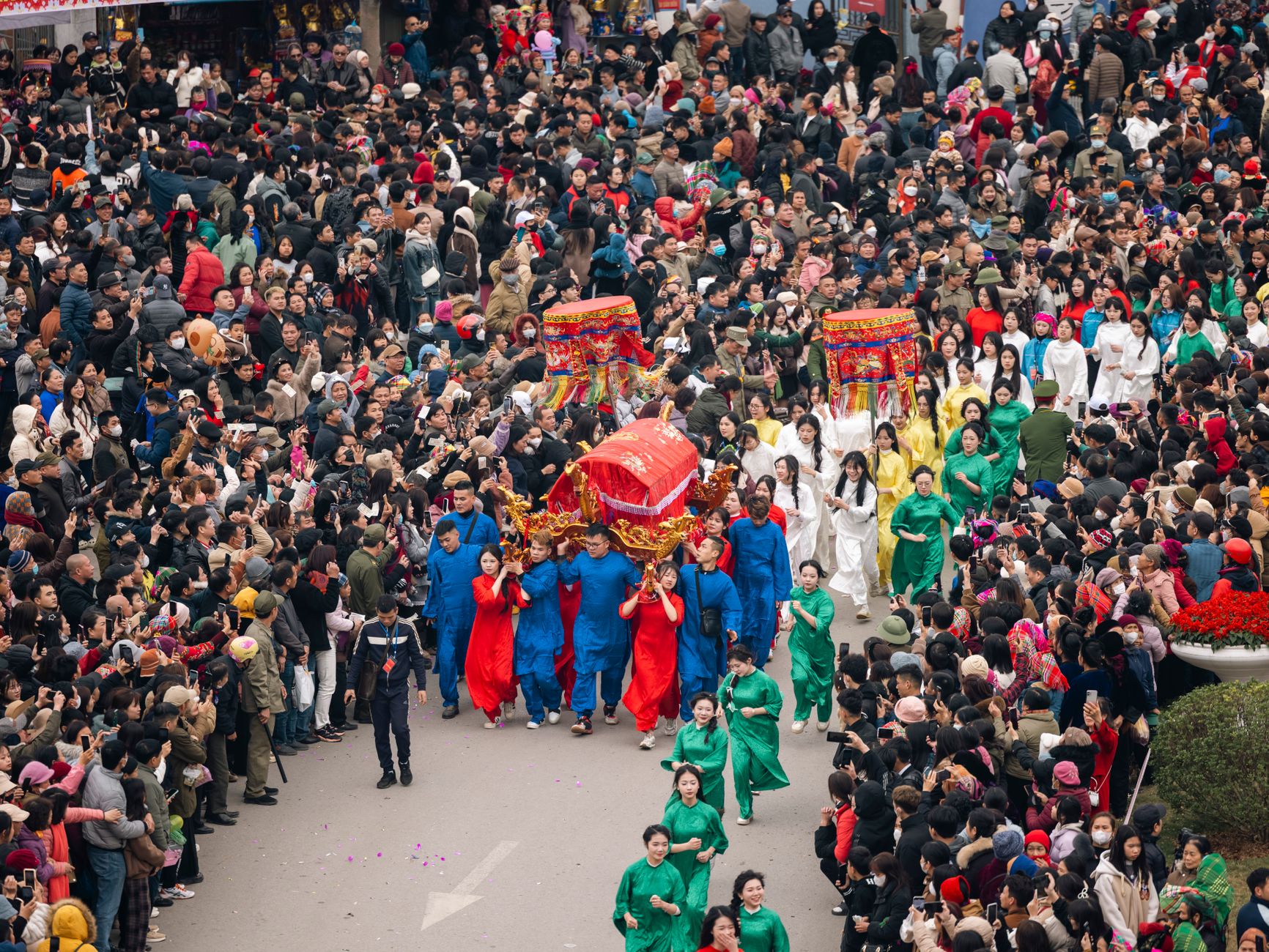
The air in Hanoi’s Old Quarter was thick with the scent of pho, exhaust fumes, and damp earth. I had my trusty mirrorless camera slung low, trying to be inconspicuous, a ghost in the vibrant morning rush. A woman, her face a roadmap of life, was expertly balancing a towering pyramid of fresh fruit on her bicycle. Her conical nón lá hat dipped as she navigated the chaotic street, a perfect moment unfolding before my eyes. My finger instinctively went to the shutter. Click.
She stopped. Her eyes, initially warm, hardened slightly. She didn’t yell, didn’t gesture aggressively. She just looked at me, a silent question, a flicker of disappointment. My heart sank. I mumbled an apology, my cheeks burning. I’d captured the image, yes, but I’d lost something far more valuable: her trust, her dignity, and my own sense of being a respectful traveler. It was a pivotal moment for me, a stark reminder that street photography isn't just about light and composition; it's about connection, respect, and understanding the unwritten rules of the world.
Street photography is, in my humble opinion, the most captivating genre of travel photography. It’s raw, immediate, and tells stories in a way no landscape ever could. But it’s also the most ethically challenging. You’re not just taking a photo; you’re entering someone’s personal space, capturing their reality, often without their explicit consent. And here’s the kicker: what’s perfectly acceptable in one culture can be deeply offensive in another.
Over years of globetrotting with my camera, from the bustling souks of Marrakech to the serene temples of Kyoto, I’ve learned that the most powerful images often come from genuine interaction, not stealth. So, if you’re ready to elevate your street photography from tourist snapshots to soulful storytelling, join me on a journey through cultural etiquette you absolutely need to experience before you die.
The Art of the Ask: Southeast Asia’s Gentle Nods and Smiles
Southeast Asia is a photographer’s paradise – a riot of colors, flavors, and endlessly fascinating faces. From the floating markets of Thailand to the ancient streets of Vietnam, life spills out onto the sidewalks, begging to be captured. But don’t let the apparent openness fool you; subtle cues are paramount here.
My Experience:
In Vietnam, after my Hanoi mishap, I learned the power of a simple “Xin chào” (hello) and a genuine smile. I once spent an hour in Hoi An’s ancient town, watching a tailor painstakingly embroider a silk lantern. Instead of just snapping away, I bought a small, inexpensive souvenir from his stall, then pointed to my camera and gestured, “Chụp ảnh?” (photo?). He nodded, a slow, warm smile spreading across his face. I showed him the resulting image on my camera screen, and his chuckle was pure gold. That photo, of his weathered hands and focused eyes, is one of my favorites because it was earned.
What to Know:
* The Smile and Nod: Often, a polite smile, eye contact, and a subtle gesture towards your camera are enough. If they smile back or nod, you have a green light. If they look away or shake their head, respect it immediately.
* Avoid "Losing Face": Public confrontation is rare. A person might silently turn away or subtly block their face. This is their way of refusing without causing a scene. Do not push it.
* Sacred Spaces: When photographing in temples or pagodas, always ask permission, especially if you want to photograph monks or devotees. Never point your feet at anyone or anything sacred. Dress modestly (shoulders and knees covered).
* The Offering: Sometimes, a small purchase from a vendor or a tip (a few thousand Vietnamese Dong or Thai Baht) for a performer can open doors. It's not always about money, but about showing appreciation for their time and cooperation.
Key Locations:
Hanoi’s Old Quarter (Vietnam), Hoi An Ancient Town (Vietnam), Chatuchak Weekend Market (Bangkok, Thailand), Luang Prabang Morning Market (Laos).
India and South Asia: Embracing the Chaos, Respecting the Sacred
India is an assault on the senses, a photographer’s dream and challenge rolled into one. Here, life is lived publicly, and personal space is a fluid concept. You'll find a surprising openness to being photographed, but this doesn't mean a free-for-all.
My Experience:
Varanasi, India, is a place where life and death dance openly on the ghats of the Ganges. I was mesmerized by a group of sadhus (holy men) performing their morning rituals. Many were quite theatrical and seemed to enjoy the attention of cameras. I approached one, made eye contact, and gestured. He gave a grand nod. After a few shots, he extended his hand. I offered 50 rupees (about $0.60), which he accepted with a blessing. Later, I saw a woman washing clothes by the river. Her face was serene, but I hesitated. She was not performing; she was simply living. I lowered my camera, recognizing that some moments are not for public consumption, even if they are in public.
What to Know:
* Openness vs. Exploitation: Many people, especially men and children, are curious and often happy to have their picture taken. However, beware of "beg-packers" or those who exploit children for photo opportunities. Be discerning.
* Respect for Women: This is crucial. Always ask permission before photographing women, especially in rural areas or if they are veiled. A firm "no" or a turning away means stop immediately. Avoid close-ups without explicit consent.
* Religious Practices: Be extremely mindful in temples, mosques, and during religious ceremonies. Never interrupt rituals. Ask if photography is permitted, and if so, be discreet. Take off your shoes where required.
* The Gaze: Direct eye contact can be interpreted differently. A warm, respectful smile is usually the best approach.
Key Locations:
Varanasi Ghats (India), Pushkar Camel Fair (India), Jodhpur Blue City (India), Kandy Esala Perahera (Sri Lanka).
The Middle East & North Africa: Modesty, Permission, and the Power of Tea
The ancient lands of the Middle East and North Africa are steeped in history, vibrant traditions, and a deep sense of hospitality. However, photography here requires a heightened sense of awareness and respect for privacy, particularly concerning women and religious sites.
My Experience:
In the labyrinthine souks of Marrakech, Morocco, I found myself constantly captivated by the artisans, the snake charmers, and the storytellers in Jemaa el-Fna square. Early on, I learned that a quick snap could lead to a demand for payment, or worse, a stern rebuke. I decided to change my approach. I spent an entire afternoon simply observing, buying a leather pouf from one vendor, a small tagine from another. Over a glass of mint tea, I asked the leatherworker, whose hands were stained with dyes, if I could take his photo. He beamed, puffed out his chest, and posed proudly. That tea, costing me about 10 Moroccan Dirhams (around $1), bought me not just a photo, but a story and a connection.
What to Know:
* Explicit Permission is Key: Unlike Southeast Asia, where a nod might suffice, here it’s often best to ask directly, in simple English or with a basic Arabic phrase like “Mumkin sura?” (Can I take a picture?).
* Women and Children: Be extremely cautious. It is often considered inappropriate to photograph women, especially if they are veiled, without explicit permission from them or a male guardian. Avoid photographing children unless you have their parents' consent.
* Religious Sites: Many mosques and holy sites have strict "no photography" rules, or allow it only in certain areas. Always check signs or ask. When permitted, be respectful of worshippers.
* Bargaining for Photos: In tourist-heavy areas, street performers or people with unique outfits (e.g., water sellers in Morocco) might expect payment for a photo. Negotiate a small fee beforehand to avoid awkward situations.
Key Locations:
Jemaa el-Fna (Marrakech, Morocco), Wadi Rum (Jordan – focus on landscapes and Bedouin guides with permission), Souks of Fes (Morocco), Grand Bazaar (Istanbul, Turkey).
Japan & East Asia: Discretion, Privacy, and the Art of Blending In
Japan, South Korea, and other East Asian nations are known for their politeness, order, and a strong sense of personal space. Street photography here is less about direct interaction and more about observation, discretion, and capturing the flow of life without intrusion.
My Experience:
Shibuya Crossing in Tokyo is an iconic street photography location. The sheer volume of people makes candid shots seem easy, but I quickly realized that direct eye contact with a camera can be met with discomfort. I noticed that many local photographers used telephoto lenses from a distance or shot from the hip. I tried a different approach in a quieter alley in Kyoto. I spent time sitting on a bench, simply watching. When a geisha or maiko passed, I kept my distance, using a longer lens, capturing their graceful movement from afar, never directly in their face. It was about respecting their journey, not interrupting it.
What to Know:
* Privacy is Paramount: While public spaces are open, individuals have a strong expectation of privacy. Avoid direct, in-your-face portraits unless you have explicit consent, which is rare for strangers.
* Discretion is Golden: Use a telephoto lens or shoot from the hip. Be subtle. Avoid making people feel like they are being watched or singled out.
* No "Street Snaps" of Children: Photographing children without parental consent is generally frowned upon and can be seen as highly suspicious.
* Be Mindful of Signs: "No photography" signs are common in shops, restaurants, and some temples. Always obey them.
* The Bow: A slight bow when asking permission or as a thank you can go a long way in showing respect.
Key Locations:
Shibuya Crossing (Tokyo, Japan), Gion District (Kyoto, Japan - from a respectful distance), Myeongdong (Seoul, South Korea), Traditional villages like Shirakawa-go (Japan – focus on architecture and landscape, people from afar).
Latin America: Warmth, Commerce, and Community Connections
Latin America, with its vibrant colors, rich history, and warm, expressive people, offers incredible street photography opportunities. There’s a general openness, but also an understanding that unique attire or performances might come with an expectation of payment.
My Experience:
In Cusco, Peru, the Plaza de Armas is often filled with local women dressed in traditional Andean clothing, often with llamas or alpacas, offering photos to tourists. I initially felt a bit awkward about this commercial aspect. But then I realized: this is their livelihood. I approached a woman with a baby alpaca, admired her beautiful textiles, and asked, “¿Puedo tomar una foto?” (Can I take a photo?). She smiled, named her price (about 5 Peruvian Soles, roughly $1.30), and patiently posed. It wasn't a "candid" moment, but it was an authentic exchange, a fair transaction, and a beautiful portrait.
What to Know:
* The Exchange: Many indigenous people, particularly in tourist areas, will expect a small payment for their photo, especially if they are in traditional dress or with animals. Agree on a price before you take the picture.
* Community Respect: In smaller towns or indigenous communities, always seek permission from a local elder or guide before photographing. Understand that some rituals or private family moments are off-limits.
* Warmth and Interaction: People are generally friendly and open. Learning a few Spanish phrases (or Portuguese in Brazil) like “Hola, ¿cómo estás?” (Hello, how are you?) or “Gracias” (Thank you) can break the ice and lead to genuine connections.
* Safety First: In some urban areas, openly displaying expensive camera gear can make you a target. Be aware of your surroundings.
Key Locations:
Cusco’s Plaza de Armas (Peru), Oaxaca Markets (Mexico), La Boca (Buenos Aires, Argentina), Pelourinho (Salvador, Brazil).
Europe: Public Space, Private Lives, and the Right to Be Forgotten
Europe, while seemingly more familiar to many Western travelers, still has its own nuances. From the bustling piazzas of Italy to the charming cafes of Paris, life is lived outdoors. However, a growing awareness of privacy rights, particularly in the EU, means photographers need to be mindful.
My Experience:
I was in Venice, enchanted by a gondolier singing as he navigated a quiet canal. It was an almost cinematic scene. I raised my camera, but then I hesitated. He was working, performing, yes, but also just being. I decided to capture the scene from a wider angle, focusing on the atmosphere rather than a direct portrait of him. Later, in a bustling market in Rome, I saw an elderly woman haggling over artichokes. Her expressions were priceless. I made eye contact, smiled, and subtly gestured to my camera. She chuckled, gave a dismissive wave as if to say, "Oh, go on then," and continued her animated bargaining. It was a brief, unspoken agreement.
What to Know:
* Public vs. Private: Generally, you can photograph people in public spaces without explicit permission, especially if they are part of a crowd or not the sole focus. However, if an individual is clearly identifiable and the main subject, it's always polite to ask.
* The "Right to Be Forgotten": In some EU countries, individuals have a "right to be forgotten," meaning they can request their image be removed from public view if it infringes on their privacy. While this primarily applies to published works, it underscores the cultural emphasis on individual privacy.
* Cafe Culture: In places like Paris or Rome, photographing people at cafes is common, but try to capture the overall scene rather than zooming in on an individual's face without their knowledge.
* Street Performers: Often welcome photos, but a small tip is always appreciated and a sign of respect for their art.
Key Locations:
Piazza Navona (Rome, Italy), Le Marais (Paris, France), Portobello Road Market (London, UK), La Rambla (Barcelona, Spain).
General Golden Rules for Global Street Photography
No matter where your lens takes you, these universal principles will serve you well:
- Learn Basic Greetings: A simple "hello," "please," and "thank you" in the local language opens doors.
- Smile and Make Eye Contact: It’s universally disarming and shows you’re a human, not just a camera-wielding tourist.
- Ask Permission, or at Least Gesture: If in doubt, ask. A polite gesture to your camera, followed by a questioning look, is often understood.
- Show the Photo: If you get permission, show them the resulting image on your camera screen. It’s a wonderful way to connect and share the moment.
- Be Patient and Observant: Don't rush. Spend time in a location, observe the rhythm of life, and wait for moments to unfold naturally.
- Dress Appropriately: Blend in. Don’t draw unnecessary attention to yourself with flashy clothes or excessive gear.
- Respect "No Photography" Signs: They are there for a reason, often cultural or security-related.
- Know When to Lower Your Camera: Some moments are sacred, private, or simply not meant to be captured. Trust your gut.
- Be Generous with Your Thanks: A heartfelt "thank you" goes a long way.
- Practice Empathy: Put yourself in their shoes. How would you feel if someone took your picture without asking?
Street photography is more than just taking pictures; it's about connecting with humanity, one frame at a time. It’s about witnessing life, honoring stories, and leaving a positive impression. My Hanoi experience taught me a profound lesson: a technically perfect shot means little if it comes at the expense of respect. The truly unforgettable images are those born from genuine interaction, from a shared smile, a silent nod, or a moment of earned trust.
So, pack your bags, charge your batteries, and open your heart. Go out there, explore these incredible cultures, and capture the world's stories with both your lens and your soul. And when you do, share them with us – because every respectful click helps paint a richer, more nuanced picture of our incredible planet.
What's your most memorable street photography encounter? Share your stories and tips in the comments below!
---