The Hook: A Sensory Awakening in Nairobi
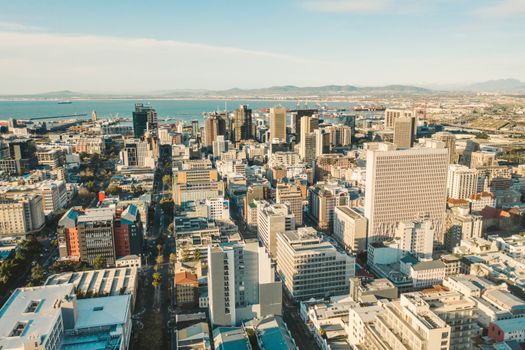
I stepped off the train at Nairobi’s surprisingly modern skyline, the scent of roasting maize mingling with exhaust fumes and a hint of something floral I couldn't quite place. The air, usually thick with the imagined tales of dusty plains, buzzed with a different kind of energy – the hum of a city relentlessly pushing forward. Horns honked not in frustration, but in a rhythmic symphony of urban life. Sleek cars glided past bustling matatus, a vibrant juxtaposition that immediately told me: this wasn't the Africa of outdated postcards. This was a continent alive, evolving, and far more developed than many European travel advisors would have you believe.
Beyond the Stereotypes: Unveiling Africa's Urban Powerhouses
For too long, the narrative of African travel has been dominated by safaris and ancient ruins. While these are undeniably vital parts of the continent's rich tapestry, they often overshadow the incredible urban development and modern marvels that are rapidly transforming African cities. These aren't just emerging economies; they are dynamic hubs of innovation, culture, and sophisticated living, offering experiences that can rival, and often surpass, those found in more traditionally lauded destinations. It’s time to shed the outdated perceptions and explore the cities that are defining Africa's future.
Kigali, Rwanda: The Cleanest, Greenest, and Most Efficient
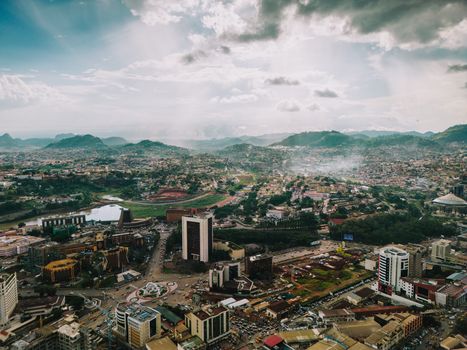
Kigali isn't just a city; it’s a testament to resilience and forward-thinking policy. As I wandered through its immaculately clean streets, the absence of litter was striking. The city’s commitment to environmental sustainability is palpable, from its widespread use of solar power to its famous monthly "Umuganda" (community clean-up day). But beyond the pristine facade lies a buzzing metropolis. The Kigali Convention Centre, with its iconic dome resembling a traditional Rwandan hut, is a beacon of modern architecture and a symbol of the country's ambition.
- Insider Tip: Don't miss the Kigali Genocide Memorial. It's a profoundly moving experience that offers crucial historical context, presented with immense dignity. Visit in the early morning for a more contemplative atmosphere.
- Taste of Kigali: Explore the vibrant street food scene. Try the brochettes (grilled skewers) at a local eatery like Pili Pili. The blend of spices is unforgettable.
- Pro-Tip: Plastic bags are banned in Rwanda. Be mindful and bring reusable bags.
Quick Facts: Kigali, Rwanda
| Category | Details |
| :------------ | :------------------------------------------------------------------------------------------------------------- |
| Estimated Cost ($) | $70-$150 per day (mid-range accommodation, dining, activities) |
| Best Time to Visit | December to February (dry season), June to September (dry season) |
| How to Get There | Kigali International Airport (KGL) with direct flights from major European and African hubs. |
Nairobi, Kenya: The Silicon Savannah of East Africa
Nairobi is a city of contrasts, where the scent of rich Kenyan coffee wafts from upscale cafes just blocks from bustling markets. It's a city that pulses with innovation, earning its moniker as the "Silicon Savannah." The skyline is a dramatic mix of contemporary skyscrapers and older colonial architecture, a visual representation of its dynamic growth. The sheer energy here is infectious – a blend of ambitious entrepreneurs, thriving arts scenes, and a surprisingly sophisticated culinary landscape.
- Insider Tip: For a truly authentic experience, visit the Marikiti Market (City Market) early in the morning. The vibrant chaos of vendors selling everything from fresh produce to handcrafted souvenirs is a feast for the senses.
- Taste of Nairobi: Indulge in a traditional nyama choma (barbecued meat) feast. Talisman Restaurant offers a more upscale take, while local joints serve up a more rustic, equally delicious experience.
- Pro-Tip: The Nairobi National Museum offers a fantastic overview of Kenya's rich history and biodiversity. Allocate at least 2-3 hours.
Quick Facts: Nairobi, Kenya
| Category | Details |
| :------------ | :------------------------------------------------------------------------------------------------------------- |
| Estimated Cost ($) | $80-$170 per day (mid-range accommodation, dining, activities) |
| Best Time to Visit | June to October (dry season), January to February (short dry season) |
| How to Get There | Jomo Kenyatta International Airport (NBO) is a major hub with numerous international connections. |
Accra, Ghana: The Energetic Heartbeat of West Africa
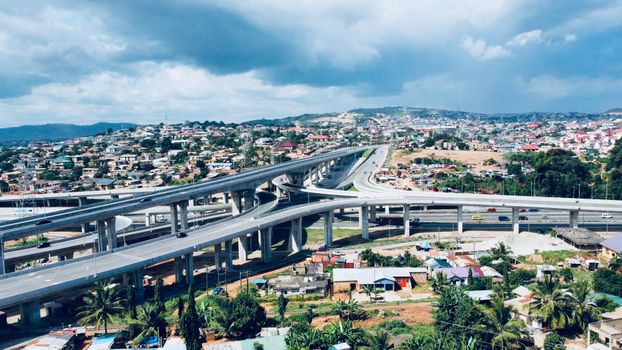
Accra is a city that grabs you and doesn't let go. The air is thick with the aroma of grilled fish and the infectious rhythms of Highlife music spilling from local joints. It's a city of vibrant colours, from the bold Kente cloth worn by locals to the brightly painted buildings. But beneath the surface of this energetic capital lies a burgeoning hub of technology, finance, and a surprisingly cosmopolitan lifestyle. The Kwame Nkrumah Mausoleum stands as a proud monument to Ghana's independence, a reminder of its proud past as it strides into the future.
- Insider Tip: Explore the Jamestown district. Once a fishing village, it's now a vibrant hub of art galleries, creative studios, and a thriving fishing community. The architecture here tells a story of colonial influence and local resilience.
- Taste of Accra: You absolutely must try Jollof rice. For the best experience, find a local eatery and ask for their recommendation. The subtle variations in spice and preparation are a culinary adventure.
- Pro-Tip: Visit the Artists Alliance Gallery for an impressive collection of contemporary Ghanaian art. The views from its rooftop are also spectacular.
Quick Facts: Accra, Ghana
| Category | Details |
| :------------ | :------------------------------------------------------------------------------------------------------------- |
| Estimated Cost ($) | $60-$130 per day (mid-range accommodation, dining, activities) |
| Best Time to Visit | November to March (dry season) |
| How to Get There | Kotoka International Airport (ACC) serves as the primary gateway, with connections to Europe, the Middle East, and other African cities. |
Addis Ababa, Ethiopia: Where Ancient Roots Meet Modern Ambition
Addis Ababa, the "New Flower," is a city that unfolds with a unique blend of ancient traditions and a palpable sense of modern ambition. The air here carries the distinctive aroma of roasting coffee beans, a national treasure, and the murmur of Amharic fills the streets. The city's architecture is a fascinating blend of Italian colonial influences, Soviet-era functionalism, and gleaming new skyscrapers. It's a place where you can witness the birth of a new era, driven by innovation and a deep connection to its rich history.
- Insider Tip: The Merkato, one of Africa's largest open-air markets, is an absolute must-visit. It’s a sensory overload in the best possible way, offering everything from spices and textiles to metalwork and livestock. Go with a local guide to navigate its vast labyrinth.
- Taste of Addis: Experience a traditional Ethiopian coffee ceremony. It's a beautiful ritual, and the coffee itself is incredibly rich and flavourful. For a meal, try injera with doro wat (spicy chicken stew) at a restaurant like Yod Abyssinia.
- Pro-Tip: The National Museum of Ethiopia houses "Lucy," the famous hominid fossil, a truly awe-inspiring glimpse into human history.
Quick Facts: Addis Ababa, Ethiopia
| Category | Details |
| :------------ | :------------------------------------------------------------------------------------------------------------- |
| Estimated Cost ($) | $50-$110 per day (mid-range accommodation, dining, activities) |
| Best Time to Visit | September to March (dry season) |
| How to Get There | Addis Ababa Bole International Airport (ADD) is a major African hub, with extensive international connections. |
Casablanca, Morocco: A Fusion of Art Deco and Modernity
Casablanca, often conjures images from the classic film, but the reality is a vibrant, modern metropolis that blends its Art Deco past with a dynamic present. The scent of mint tea and sea salt hangs in the air, while the call to prayer echoes from magnificent mosques. The Hassan II Mosque, a breathtaking architectural marvel built partially over the Atlantic Ocean, is a testament to the city's grandeur and its forward-looking spirit. Beyond this iconic landmark, Casablanca boasts a sophisticated dining scene, bustling souks, and a palpable sense of cosmopolitan energy.
- Insider Tip: Explore the Habous Quarter (New Medina). It’s a beautifully restored area designed in a neo-Moorish style, offering a more organized and less overwhelming souk experience than some older medinas. Find unique leather goods and intricate lamps.
- Taste of Casablanca: Indulge in a traditional Moroccan tagine. For a refined experience, try Restaurant Le Doge, located in a stunning Art Deco villa. Don't forget to sample the local pastries!
- Pro-Tip: Visit the Rick's Café for a nostalgic (though touristy) experience. It’s a recreation of the famous cafe from the movie, offering a glimpse into a romanticized past.
Quick Facts: Casablanca, Morocco
| Category | Details |
| :------------ | :------------------------------------------------------------------------------------------------------------- |
| Estimated Cost ($) | $70-$150 per day (mid-range accommodation, dining, activities) |
| Best Time to Visit | March to May, September to November (pleasant temperatures) |
| How to Get There | Mohammed V International Airport (CMN) is Morocco's largest and busiest airport, with numerous international flights. |
The Real Africa: A Continent of Endless Discovery
These cities are just a glimpse into the incredible, modern, and rapidly developing urban landscapes that Africa has to offer. They are places where innovation thrives, cultures blend, and a new narrative is being written every day. European travel advisors, bound by traditional itineraries, often miss these dynamic destinations. But for the adventurous traveler seeking authentic experiences, unparalleled innovation, and a true sense of discovery, these African cities are not just developing; they are leading the way.
It’s time to re-evaluate your travel bucket list. It’s time to explore the real Africa.