Spring Festivals That Changed My Life Forever: Your Blueprint for Transformative Travel
There are trips, and then there are journeys. The kind that leave an indelible mark on your soul, re-calibrating your internal compass and painting the world in new, vibrant hues. For me, many of these profound shifts have happened amidst the joyous chaos, spiritual reverence, and breathtaking beauty of spring festivals around the globe.
I remember my first truly transformative festival experience like it was yesterday. I was in my early twenties, fresh out of a demanding job, feeling a bit lost and disconnected. A friend dared me to join her on an impromptu trip to India for Holi, promising "it would be an experience." "Experience" felt like an understatement. What I found was a kaleidoscope of human connection, uninhibited joy, and a sense of liberation I hadn't known was possible. That trip wasn't just a vacation; it was a rebirth.
Since then, chasing spring festivals has become an annual pilgrimage, a way to tap into the raw energy of renewal that bursts forth with the season. Each one has offered a unique lesson, a different facet of humanity's shared celebratory spirit, and each has, in its own way, changed my life forever. If you’re yearning for more than just a getaway – if you're seeking a profound connection, a vibrant awakening, or simply an unforgettable story to tell – then these spring festivals are worth building your entire travel itinerary around.
Let's dive into the magic!
1. Holi: The Festival of Colors, Love, and Letting Go (Vrindavan, India)
My Life-Changing Moment:
Standing in the narrow, ancient lanes of Vrindavan, smeared head-to-toe in a riot of fuchsia, emerald, and saffron, laughing until my sides ached as strangers embraced me with joyful shouts of "Happy Holi!" I felt an unparalleled sense of belonging, a complete shedding of self-consciousness. It was a visceral lesson in letting go, in embracing the present, and in finding pure, unadulterated joy in communal celebration. The colors didn't just adorn my skin; they painted over my anxieties and doubts, leaving behind a canvas of pure, vibrant happiness. It truly felt like I was reborn.
Holi, the Hindu festival marking the arrival of spring, the triumph of good over evil, and the celebration of love, is an explosion for the senses. While celebrated across India, experiencing it in Uttar Pradesh, particularly in the sacred towns of Vrindavan and Mathura (associated with Lord Krishna), offers an intensely spiritual and authentic experience.
What to Expect:
Days leading up to the main 'Dhulandi' (color day) are filled with various traditions. In Vrindavan, you might witness 'Lathmar Holi' where women playfully beat men with sticks, or 'Phoolon ki Holi' where flower petals are thrown instead of colors. On Dhulandi, the streets erupt into a vibrant battlefield of dry colored powders (gulal) and water balloons. Music, dancing, and intoxicating bhang lassi (a cannabis-infused drink) are everywhere.
Practical Tips & Actionable Advice:
* Best Time: Mid-March, but dates vary annually based on the Hindu calendar (Phalgun Purnima).
* Location: Vrindavan and Mathura (Uttar Pradesh, India). Delhi is a good entry point.
* Cost: Flights to Delhi can range from $700-$1500 USD (international). Local transport, food, and accommodation are very affordable (expect $30-$100/night for decent hotels). Budget around $50-$100 for festival-specific expenses (colors, clothes, bhang).
* Accommodation: Book well in advance, as guesthouses and hotels fill up quickly. Consider staying in a Dharamshala for a more authentic, spiritual experience (basic but clean).
* What to Wear: Old, white clothes you don’t mind getting permanently stained! Long sleeves and pants are recommended to protect your skin.
* Protection: Oil your hair and skin beforehand to make the colors easier to wash off. Wear sunglasses or goggles to protect your eyes. Carry a waterproof bag for your phone and camera.
* Safety: Be aware of your surroundings, especially as crowds can be intense. Women should ideally travel in groups. Embrace the chaos, but stay vigilant.
* Instagram-Worthy: Every single moment! The vibrant crowds, the smiling faces, the colors flying through the air, the temples covered in powder. Use a GoPro or a camera with good waterproofing.
2. Sakura Matsuri: Cherry Blossom Festival of Ephemeral Beauty (Kyoto, Japan)
My Life-Changing Moment:
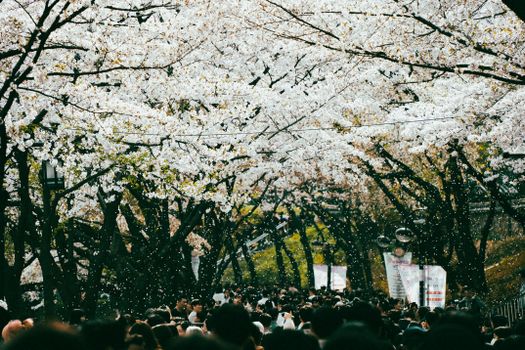
Walking beneath a tunnel of delicate cherry blossoms along the Philosopher's Path in Kyoto, the petals gently fluttering down like pink snow. It was a moment of profound peace and melancholy beauty. The Japanese concept of mono no aware – the poignant awareness of the transience of things – truly resonated. It taught me to cherish fleeting moments, to find beauty in impermanence, and to appreciate the quiet power of nature's cycles. It was a gentle, yet powerful, reminder to live fully in the present.
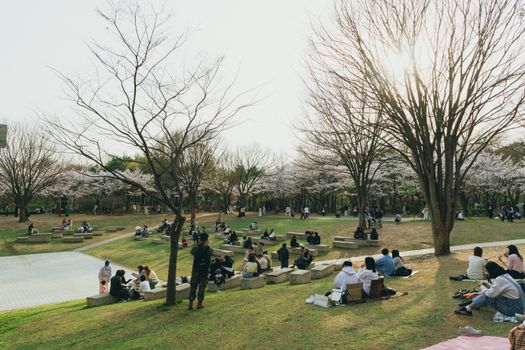
Japan's cherry blossom season, or Sakura Matsuri, is more than just a beautiful sight; it's a deeply cultural and spiritual experience. The blossoms symbolize the ephemeral nature of life, celebrated with hanami (flower viewing) picnics under the trees.
What to Expect:
From late March to early April (peak season varies by region), Japan transforms into a soft pink wonderland. People gather in parks, along rivers, and near temples to picnic, drink sake, and simply admire the blossoms. Evening illuminations (yozakura) turn the experience into a magical spectacle. Kyoto, with its ancient temples and traditional gardens, provides an incredibly picturesque backdrop.
Practical Tips & Actionable Advice:
* Best Time: Late March to early April for Kyoto, but check yearly forecasts as bloom times shift. It moves north from Kyushu to Hokkaido.
* Location: Kyoto, Tokyo, Osaka, Nara, Hiroshima, etc. Kyoto offers a more traditional, serene experience.
* Cost: Japan can be expensive. International flights $800-$1800 USD. Accommodation in Kyoto can range from $100-$300+/night. Food is reasonable if you stick to local eateries and convenience stores ($30-$60/day). Japan Rail Pass is highly recommended if you plan to visit multiple cities ($200-$400 for 7-14 days).
* Accommodation: Book 6+ months in advance, especially for popular areas like Kyoto, as hotels and ryokans (traditional inns) sell out.
* What to Wear: Dress in layers, as spring weather can be unpredictable. Comfortable walking shoes are a must.
* Hanami Etiquette: Bring a picnic blanket. Arrive early to secure a spot. Don't litter. Don't shake the trees or break branches.
* Instagram-Worthy: Philosopher's Path, Maruyama Park (Kyoto) for illuminated trees, Shinjuku Gyoen National Garden (Tokyo), Mount Yoshino (Nara) for thousands of trees. Capture the delicate petals, the picnics, and the serene beauty.
3. Keukenhof Tulip Festival: A Symphony of Nature's Artistry (Lisse, Netherlands)
My Life-Changing Moment:
Stepping into Keukenhof for the first time was like walking into a living painting. Rows upon rows of tulips, daffodils, and hyacinths stretched as far as the eye could see, in every imaginable color and pattern. The sheer scale and meticulous artistry of it all brought tears to my eyes. It wasn't just beautiful; it was a testament to human dedication and nature's boundless creativity. It deepened my appreciation for the simple, yet profound, beauty of the natural world and the joy it can bring.
Keukenhof, also known as the "Garden of Europe," is one of the world's largest flower gardens, showcasing over 7 million bulbs in bloom. It's a truly spectacular celebration of spring and the Netherlands' most iconic flower.
What to Expect:
Wander through meticulously designed gardens, themed pavilions, and winding paths adorned with an unbelievable array of tulips, hyacinths, daffodils, and other spring flowers. There are flower shows, inspiration gardens, art installations, and even boat trips through the surrounding flower fields.
Practical Tips & Actionable Advice:
* Best Time: Mid-April to early May is typically peak bloom, but the festival runs from late March to mid-May. Weekdays are less crowded than weekends.
* Location: Lisse, Netherlands (easily accessible from Amsterdam).
* Cost: International flights to Amsterdam (AMS) $600-$1200 USD. Entrance ticket to Keukenhof is around €19.50 (approx. $21 USD). A combi-ticket including round-trip bus transport from Amsterdam/Schiphol is around €33.50. Accommodation in Amsterdam can range from $100-$300+/night.
* Accommodation: Stay in Amsterdam or a charming nearby town like Haarlem. Book well in advance.
* Getting There: Take a train to Schiphol Airport, then the Keukenhof Express Bus (line 858). Or take a bus from Leiden Centraal (line 854).
* Beyond Keukenhof: Rent a bicycle to explore the vast tulip fields surrounding the park. Many local farms offer tours.
* Instagram-Worthy: The iconic windmill, the endless rows of colorful tulips, the themed gardens. Get low for dramatic perspectives, and try to capture the scale of the blooms.
4. Songkran: The Water Festival of Renewal (Chiang Mai, Thailand)
My Life-Changing Moment:
Getting drenched by a super soaker from an elderly Thai woman, her face creased in a joyful smile, followed by a playful dab of white paste on my cheek. It wasn't just a water fight; it was a profound act of purification and blessing. The shared laughter, the collective release, and the sense of community forged in the midst of exhilarating chaos washed away my inhibitions and left me feeling utterly refreshed and renewed. It was a baptism by joy!
Songkran, the traditional Thai New Year, is celebrated with the world's largest water fight. More than just fun, the water symbolizes purification, washing away sins and bad luck for the year ahead.
What to Expect:
From April 13th to 15th (sometimes longer in certain areas), Thailand transforms into a giant water battleground. Streets are filled with people armed with water guns, buckets, and hoses, drenching everyone in sight. While the water throwing is exhilarating, remember the spiritual roots: visiting temples, offering food to monks, and gently pouring scented water over Buddha statues and elders' hands for blessings. Chiang Mai is famous for its massive celebrations, especially around the ancient moat.
Practical Tips & Actionable Advice:
* Best Time: April 13th-15th (main days), but festivities can start earlier and end later.
* Location: Chiang Mai offers an incredible balance of spiritual and wild celebration. Bangkok and Phuket are also popular.
* Cost: Flights to Bangkok (BKK) or Chiang Mai (CNX) can range from $700-$1500 USD. Accommodation is generally affordable ($30-$100/night for good hotels). Food is incredibly cheap and delicious (street food is a must!). Budget $20-$50 for a good water gun and waterproof phone pouch.
* Accommodation: Book well in advance, especially in Chiang Mai. Look for hotels slightly off the main routes if you want a quieter escape, but still within walking distance of the action.
* What to Wear: Light, quick-drying clothes. Swimwear underneath is a good idea. Flip-flops or water shoes are essential.
* Protection: Absolutely invest in a waterproof phone pouch or a dry bag for all electronics and valuables. Expect to get completely soaked.
* Safety: Be mindful of slippery surfaces. Don't spray monks, babies, or people on motorbikes (though sometimes you can't help it!). Drink plenty of water to stay hydrated in the heat.
* Instagram-Worthy: The sheer joy on people's faces, the vibrant street scenes, the water flying everywhere, the traditional blessings. A GoPro is ideal for capturing the action.
5. Feria de Abril: The Elegant Flamenco Heartbeat of Seville (Seville, Spain)
My Life-Changing Moment:
Watching a woman in a stunning flamenco dress, her back straight, her hands moving with incredible grace, dancing with her partner in a private caseta amidst the sound of guitars and joyous singing. It wasn't a performance; it was pure, unadulterated passion and tradition. I felt transported to another era, completely immersed in the vibrant soul of Andalusia. It taught me the beauty of tradition, the power of community, and the intoxicating allure of living life with passion and grace.
The Seville Fair, or Feria de Abril, is a week-long explosion of Andalusian culture, where locals dress in traditional attire, ride horses, dance flamenco, and celebrate until the early hours. It's an elegant, passionate, and deeply local experience.
What to Expect:
Held usually two weeks after Easter, the fairgrounds (Real de la Feria) transform into a temporary city of over a thousand casetas (private tents). While most casetas are private, there are public ones, and the atmosphere spills into the streets. You'll see men in traditional traje corto and women in stunning traje de flamenca dresses, horse-drawn carriages, and endless flamenco dancing, singing, and sherry drinking. The fair kicks off with el alumbrao, the lighting of thousands of decorative bulbs on the main gate and streets.
Practical Tips & Actionable Advice:
* Best Time: Usually late April/early May, one to two weeks after Semana Santa (Holy Week). Check specific dates annually.
* Location: Seville, Andalusia, Spain.
* Cost: Flights to Seville (SVQ) or Malaga (AGP) can range from $700-$1400 USD. Accommodation in Seville during Feria is expensive and books up fast ($150-$400+/night). Food and drinks at the fair can be pricey, but tapas outside are affordable. Budget for a flamenco dress rental if you want to participate fully (approx. €80-€150).
* Accommodation: Book 6-12 months in advance. Staying near the fairgrounds or in the Triana district is ideal.
* Dress Code: While tourists aren't expected to wear traditional attire, dressing smartly (no shorts or flip-flops) will help you feel more integrated. If you want to rent a flamenco dress, do so in advance!
* Casetas: Most are private, owned by families or groups. Try to befriend a local for an invitation, or seek out the few public casetas (usually those for political parties or districts). Even without entering, the atmosphere on the streets is electric.
* Getting Around: The fairgrounds are walkable. Horse-drawn carriages are available for hire.
* Instagram-Worthy: The dazzling flamenco dresses, the horses, the illuminated casetas at night, the vibrant street scenes, close-ups of specific details like intricate fans or shawls.
6. Walpurgisnacht: Mystical Mountain Magic (Harz Mountains, Germany)
My Life-Changing Moment:
Standing on the Brocken mountain peak in the Harz, as bonfires crackled around me and people dressed as witches and devils danced to folk music under a near-full moon. The air was thick with the scent of woodsmoke and an ancient, primal energy. It felt like stepping into a fairytale, connecting with folklore and the raw power of nature. It was a thrilling, slightly eerie, and utterly enchanting experience that reminded me of the deep roots of human celebration and storytelling.
Walpurgisnacht, celebrated on the night of April 30th, is a traditional spring festival in parts of Central and Northern Europe. It's particularly famous in the Harz Mountains of Germany, where it's believed witches gather on the Brocken mountain.
What to Expect:
Bonfires are lit across villages to ward off evil spirits, and people dress up as witches and devils. Towns like Thale and Braunlage host elaborate events with parades, music, dancing, and theatrical performances. The atmosphere is mystical, lively, and a little bit spooky, celebrating the coming of spring and driving away winter's chill.
Practical Tips & Actionable Advice:
* Best Time: April 30th (night) into May 1st.
* Location: Harz Mountains, particularly Thale, Braunlage, and the Brocken mountain.
* Cost: Flights to Berlin (BER) or Hanover (HAJ) $600-$1300 USD. Train travel within Germany is efficient. Accommodation in the Harz region can be $80-$200/night. Festival activities are often free or low cost.
* Accommodation: Book hotels or guesthouses in towns like Thale, Braunlage, or Wernigerode well in advance.
* Getting There: Take a train to a Harz town (e.g., Thale, Wernigerode) and then local buses or the historic Harz Narrow Gauge Railway (Harzer Schmalspurbahnen) for a scenic journey, especially up the Brocken.
* What to Wear: Warm layers, as mountain nights can be chilly. Comfortable shoes for walking. Don't be afraid to dress up as a witch or devil!
* Experience: Participate in the parades, enjoy the bonfires, try local food and drink. If you're adventurous, hike up the Brocken for the most authentic experience, but be prepared for crowds.
* Instagram-Worthy: People in costume, the towering bonfires against the night sky, the misty mountain landscapes, historical towns like Wernigerode.
Plan Your Own Life-Changing Adventure
These festivals are more than just events on a calendar; they are gateways to understanding different cultures, connecting with humanity on a deeper level, and ultimately, discovering new facets of yourself. They taught me that true travel isn't just about seeing new places, but about letting new places see you, challenge you, and transform you.
The world is bursting with vibrant celebrations, especially as spring breathes new life into everything. Don't just dream about it; start planning. Research the dates, book your flights, pack your bags, and prepare to have your life changed forever.
Which spring festival are you dreaming of experiencing? Share your thoughts and past festival adventures in the comments below! And don't forget to share this guide with your fellow wanderlusters – let's inspire more transformative journeys!
---