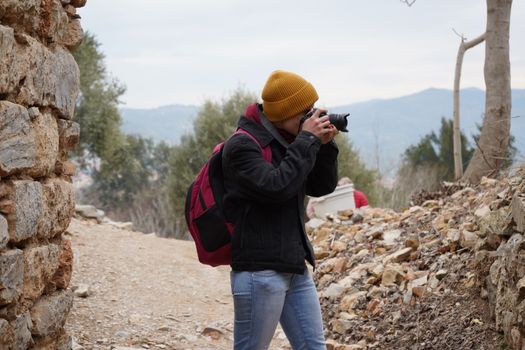
Alright, fellow wanderlusters, let's have a little chat. How many times have you scrolled through your feed, seen a perfectly staged shot from a "must-see" festival, only to arrive and find yourself elbow-to-elbow with a thousand other tourists, all trying to get the exact same shot? Been there, bought the overpriced souvenir, felt the collective sigh of disappointment. It's a travel trap we've all fallen into – chasing the 'gram instead of the genuine experience.
I remember one spring, years ago, I was so excited for a famous flower festival. The pictures online were breathtaking – endless fields of vibrant blooms. But when I got there, it felt less like a natural wonder and more like an outdoor photoshoot studio. Lines for every angle, people trampling flowers for the perfect selfie, and a general air of performative joy. It was beautiful, yes, but it lacked soul. That's when I decided: no more. My travels needed to be about discovery, not just documentation.
And that, my friends, is why I'm here today, spilling the tea on spring festivals that Instagram influencers don't want you to know about. Why? Because these aren't about perfectly filtered backdrops or sponsored posts. They're about raw, unadulterated culture, local traditions, and experiences so profound, you'll forget your phone even exists. These are the festivals where you'll make real connections, witness ancient rituals, and leave feeling truly changed, not just well-photographed.
So, pack your bags, clear your mind, and get ready to trade the mainstream for the magnificent. Let's uncover spring's true hidden gems.
*
1. Battle of the Oranges (Battaglia delle Arance), Ivrea, Italy: A Citrus-Fueled Spectacle
When:
Late February to early March (Carnival period, leading up to Shrove Tuesday)
Where: Ivrea, Piedmont, Italy
Why it's anti-influencer: This isn't a pretty, polite festival. This is pure, unadulterated chaos, adrenaline, and sticky orange pulp. Forget delicate flower crowns; you'll need a helmet.
Imagine the largest food fight in Italy, but with a historical backstory straight out of a medieval epic. The Battle of the Oranges in Ivrea isn't just a quirky tradition; it's a vibrant, visceral re-enactment of a 12th-century rebellion against a tyrannical lord. For three days, thousands of "aranceri" (orange throwers) divide into nine foot teams, battling against teams representing the lord's guards, who ride in horse-drawn carts. The air crackles with energy, the ground becomes a slippery, fragrant mess, and the cheers of the crowd are deafening.
My first time in Ivrea, I was absolutely bewildered. I'd heard stories, but nothing prepared me for the sheer intensity. I watched, mesmerized, as oranges flew like projectiles, participants ducking and weaving, their faces a mix of fierce determination and pure joy. I quickly learned the cardinal rule: wear a red hat if you're a spectator and don't want to be targeted. I didn't have one initially and got a friendly, albeit firm, orange to the shoulder. Lesson learned!
This festival is gritty, loud, and utterly exhilarating. You won't find carefully curated photo opportunities; you'll find genuine passion, community spirit, and a delicious, citrusy aroma that lingers for days. It's about being in the moment, not just capturing it.
Practical Tips:
* Safety First: Wear a red hat if you're a spectator to signal neutrality. If you want to join the fray, you'll need protective gear (available locally) and a team.
* Book Early: Accommodations in Ivrea are limited and book up months in advance. Consider staying in nearby Turin and taking a regional train.
* Embrace the Mess: Wear old clothes and shoes. You will get sticky.
* Cost: Entrance to the main squares is typically ticketed (around €10-€15 for the day). Travel and accommodation costs vary.
Your authentic Instagram moment:
A close-up of an aranceri's determined, orange-splattered face, or a wide shot of the chaotic battle, showing the sheer scale of the orange-strewn streets. Caption: "Beyond the filters. This is pure, unadulterated #ItalianChaos. #Ivrea #BattleOfTheOranges #AuthenticTravel"
*
2. Walpurgisnacht, Harz Mountains, Germany: Dance with Witches and Demons
When:
April 30th (into May 1st)
Where: Various towns in the Harz Mountains, Germany (especially Thale, Braunlage, Goslar)
Why it's anti-influencer: This is a night of ancient pagan rituals, bonfires, and costumed revelry. It's dark, mystical, and wonderfully weird – not your typical 'pretty' spring festival.
Forget cute flower festivals; Walpurgisnacht is where the veil between worlds thins. Rooted in ancient Germanic folklore, this night marks the eve of May Day, when witches are said to gather on the Brocken mountain in the Harz to meet with the devil. Today, towns throughout the Harz region celebrate with massive bonfires, elaborate costumes (think witches, devils, and forest spirits), live music, and dancing that often goes until dawn.
I stumbled upon Walpurgisnacht during a road trip through Germany. Intrigued by the legends, I decided to spend April 30th in Thale. The atmosphere was electric! Locals and visitors alike donned pointy hats, painted their faces, and gathered around roaring fires. There were parades with fantastical creatures, theatrical performances, and an undeniable sense of ancient magic in the air. It felt like stepping into a Grimm's fairy tale, but with a rock 'n' roll soundtrack.
It’s a truly immersive experience where everyone participates. You're not just observing; you're part of the ritual, part of the story. The smoky air, the rhythmic drumming, the eerie glow of the bonfires – it’s a sensory feast that transports you to another time.
Practical Tips:
* Dress Warmly: Even with bonfires, April nights in the mountains can be chilly.
* Costumes are Encouraged: Don't be shy! A simple witch hat or some face paint will help you blend in and enhance the experience.
* Transportation: Public transport can be crowded. If driving, plan for parking well in advance, especially in popular towns like Thale or Braunlage.
* Accommodation: Book early, especially if you want to stay in one of the smaller, atmospheric Harz towns.
* Cost: Most events are free, but you'll pay for food, drinks, and any specific performances.
Your authentic Instagram moment:
A silhouette of costumed figures dancing around a towering bonfire, or a close-up of a beautifully eerie witch costume. Caption: "Traded flower crowns for witch hats. Walpurgisnacht is pure magic. #Walpurgisnacht #HarzMountains #GermanFolklore #WitchesNight #OffbeatTravel"
*
3. Aoi Matsuri (Hollyhock Festival), Kyoto, Japan: An Imperial Procession Through Time
When:
May 15th
Where: Kyoto, Japan (procession from Kyoto Imperial Palace to Kamigamo Shrine)
Why it's anti-influencer: While Kyoto is popular, Aoi Matsuri is a deeply traditional, solemn, and elegant affair, not designed for mass tourism or flashy photos. It's about reverence and history.
Japan in spring often means cherry blossoms and crowded parks. But if you want to experience a truly profound and ancient Japanese tradition, the Aoi Matsuri in Kyoto is a world apart. Dating back to the 6th century, this festival is a meticulously recreated imperial procession, featuring over 500 people dressed in aristocratic costumes from the Heian Period (794-1185). They are adorned with hollyhock leaves, hence the name "Hollyhock Festival."
I remember witnessing the Aoi Matsuri a few years ago. I arrived early, finding a spot along the route near the Imperial Palace. As the procession began, a hush fell over the crowd. The rhythmic clip-clop of horses, the rustle of silk kimonos, the solemn expressions of the participants – it was like watching a living scroll unfold. The sheer detail of the costumes, the intricate hairstyles, the traditional music played on flutes and drums, all transported me back a thousand years. It’s an incredibly graceful and dignified event, a stark contrast to the boisterous festivals you might find elsewhere.
This festival isn't about fireworks or street food; it's about quiet contemplation, respect for tradition, and appreciating the exquisite beauty of a bygone era. It requires patience and an appreciation for subtle elegance, which naturally filters out the "quick photo op" crowd.
Practical Tips:
* Arrive Early: Secure a good viewing spot along the 8-kilometer route. The procession starts around 10:30 AM from the Imperial Palace.
* Respectful Viewing: Maintain silence and respect the participants. This is a solemn religious procession, not a show.
* Paid Seating: You can purchase reserved seating at the Imperial Palace and Kamigamo Shrine for a better view (around ¥2,500-¥6,000, bookable online in advance).
* Explore Afterwards: After the procession, explore the shrines and temples along the route.
* Cost: Free to watch from public areas. Reserved seating is extra.
Your authentic Instagram moment:
A close-up of the intricate details of a Heian-era costume, or a wide shot capturing the long, elegant procession winding through the verdant trees. Caption: "Stepping back in time. Kyoto's Aoi Matsuri is a living masterpiece of ancient Japan. No filters needed for this kind of beauty. #AoiMatsuri #Kyoto #JapanTravel #HeianPeriod #CulturalImmersion"
*
4. Fiesta de San Marcos, Aguascalientes, Mexico: A Month-Long Cultural Extravaganza
When:
Mid-April to Mid-May
Where: Aguascalientes, Mexico
Why it's anti-influencer: While large, this fair is deeply ingrained in Mexican culture, focusing on local traditions, agriculture, and community, rather than tourist-centric attractions. It's vibrant, sprawling, and authentically Mexican.
Move over, Coachella. Mexico's Feria Nacional de San Marcos is one of the oldest and largest fairs in Latin America, transforming the city of Aguascalientes into a month-long party. It's a celebration of everything Mexican: mariachi music, traditional dances, charreadas (Mexican rodeos), bullfights (if that's your interest), art exhibitions, agricultural showcases, and an endless array of delicious street food.
My first visit to San Marcos was a whirlwind. The sheer scale of it is staggering – a dedicated fairground that feels like a city within a city. I remember wandering through bustling markets, sampling incredible esquites and churros, and then suddenly finding myself amidst a lively street parade with dancers in vibrant costumes. The music is everywhere, from intimate mariachi bands to large outdoor concerts featuring national stars. What struck me most was the genuine joy and family atmosphere. It's a place where generations come together to celebrate their heritage.
It's a festival where you truly immerse yourself in Mexican culture, far from the resort towns. You'll hear Spanish spoken everywhere, taste authentic flavors, and witness traditions that have been passed down for centuries. It’s a sensory overload in the best possible way.
Practical Tips:
* Learn Some Spanish: While many will speak English, knowing basic Spanish phrases will greatly enhance your experience.
* Explore Everything: Don't just stick to one area. The fair is huge and has different zones for concerts, rides, food, and cultural displays.
* Stay Hydrated: Aguascalientes can get hot in April/May.
* Safety: Like any large event, be mindful of your belongings and surroundings, especially in crowded areas.
* Cost: Entrance to the fairgrounds is free. You pay for rides, concerts, food, and specific events like bullfights. Flights to Aguascalientes or nearby cities like Guadalajara and then a bus are common.
Your authentic Instagram moment:
A vibrant shot of a mariachi band playing in a bustling square, or a plate piled high with authentic street food. Caption: "Lost in the vibrant chaos of Mexico's Feria de San Marcos. This is what #AuthenticMexico feels like! #FiestaDeSanMarcos #Aguascalientes #MexicanCulture #TravelMexico"
*
5. Kazanlak Rose Festival, Bulgaria: A Fragrant Celebration of Culture
When:
First weekend of June (Late May/Early June)
Where: Kazanlak and the Valley of Roses, Bulgaria
Why it's anti-influencer: This festival is dedicated to the delicate Damask rose and its oil, a cornerstone of Bulgarian heritage. It's beautiful and aromatic, but its focus is on traditional harvesting, distillation, and folk culture, not just pretty flower fields for selfies.
While other parts of Europe are celebrating tulips or lavender, Bulgaria is awash in the intoxicating scent of roses. The Kazanlak Rose Festival, held in the heart of the "Valley of Roses," is a centuries-old tradition celebrating the Damask rose, which produces some of the world's finest rose oil. The festival culminates in a vibrant parade, folk dances, and the crowning of a "Queen Rose."
My visit to Kazanlak was a dream for the senses. Waking up before dawn to join local rose pickers in the misty fields, carefully plucking dew-kissed blossoms – it was an almost spiritual experience. The air was thick with the sweet, delicate fragrance. Later, I watched traditional distillation processes at a local distillery, learning about the painstaking effort that goes into every drop of rose oil. The parade itself is a joyous affair, with dancers in colorful traditional costumes, musicians, and floats adorned with roses.
This festival is a deep dive into Bulgarian culture and agricultural heritage. It’s about appreciating the beauty and economic importance of the rose, and participating in traditions that have been passed down through generations. It's serene, beautiful, and deeply moving.
Practical Tips:
* Go Early: To witness the rose-picking ceremonies, you need to be in the fields before sunrise. Many tour operators offer early morning excursions.
* Book Accommodation: Kazanlak is a smaller city, so hotels fill up quickly. Book well in advance.
* Try Rose Products: Sample rose jam, rose liqueur, and of course, purchase some authentic rose oil or rose water.
* Explore the Valley: Rent a car or join a tour to explore other charming towns and rose fields in the Valley of Roses.
* Cost: Rose picking ceremonies and some events might have a small fee. The main parade is free.
Your authentic Instagram moment:
A close-up of a hand gently picking a dew-kissed rose at dawn, or a shot of folk dancers in colorful costumes amidst a backdrop of rolling hills. Caption: "The scent of a thousand roses. Kazanlak's Rose Festival is pure magic for the senses. #Kazanlak #RoseFestival #Bulgaria #ValleyOfRoses #AuthenticCulture"
*
6. Boun Bang Fai (Rocket Festival), Laos: A Wild Prayer for Rain
When:
Typically in May (dates vary based on lunar calendar)
Where: Throughout Laos, especially in rural areas and towns like Vientiane or Luang Prabang (check local schedules)
Why it's anti-influencer: This is a raucous, muddy, and wildly spirited festival where villagers launch homemade rockets to appease the rain gods. It’s loud, unpredictable, and perfectly imperfect.
If you're looking for something truly off the wall, head to Laos for Boun Bang Fai, the Rocket Festival. This pre-Buddhist fertility ritual is now a vibrant, often hilarious, Buddhist merit-making ceremony. Villagers construct enormous, elaborate bamboo rockets, often adorned with phallic symbols, and launch them skyward to encourage the monsoon rains for a good harvest. If a rocket fails to launch or falls prematurely, its builder is playfully thrown into a mud pit!
I first experienced Boun Bang Fai in a small village outside Vientiane. It was unlike anything I'd ever seen. The atmosphere was a mix of intense anticipation, joyful revelry, and good-natured mischief. There were parades with costumed figures, traditional music, and copious amounts of local rice whiskey. When the rockets started launching, the roar was incredible, and the crowd erupted in cheers and laughter. And yes, I saw more than one unlucky rocket builder get a mud bath!
It's a festival of raw energy, community spirit, and a healthy dose of irreverence. It’s messy, loud, and utterly unforgettable – exactly the kind of experience you won’t find on a curated influencer itinerary.
Practical Tips:
* Check Dates Locally: The dates are based on the lunar calendar and can vary. Ask locals or check reliable Lao tourism sources closer to May.
* Be Prepared for Mud: Especially if you're venturing into the village fields where rockets are launched. Wear old clothes and shoes.
* Respect Local Customs: While it's a boisterous festival, remember its cultural and spiritual significance.
* Stay Hydrated: May in Laos is hot and humid.
* Cost: Most events are free, though you'll pay for food and drink. Travel to rural areas might require a rented scooter or local transport.
Your authentic Instagram moment:
A wide shot of a massive, colorfully decorated rocket about to launch, or a candid shot of people laughing as someone gets covered in mud. Caption: "Mud, rockets, and pure joy! Laos knows how to pray for rain. #BounBangFai #Laos #RocketFestival #AuthenticAsia #TravelLaos"
*
The Unfiltered Truth: Why These Festivals Matter More
These festivals are more than just events; they are living testaments to human history, culture, and community. They offer a window into the soul of a place, far removed from the polished facades often presented online. They challenge you to step out of your comfort zone, engage with locals, and embrace the unexpected.
When you choose to seek out these hidden gems, you're not just booking a trip; you're investing in an experience that will enrich your understanding of the world and yourself. You're trading fleeting 'likes' for lasting memories, and superficial snapshots for profound connections. You're becoming a true traveler, not just a tourist.
So, this spring, I challenge you. Put away the influencer map. Ditch the perfectly planned itinerary. Choose one of these incredible festivals, or find your own local treasure. Go forth, explore, and let the real magic of travel unfold.
What's your favorite off-the-beaten-path festival? Share your hidden gems in the comments below! And if this post has inspired your next adventure, don't forget to share it with your fellow wanderlusters!
---