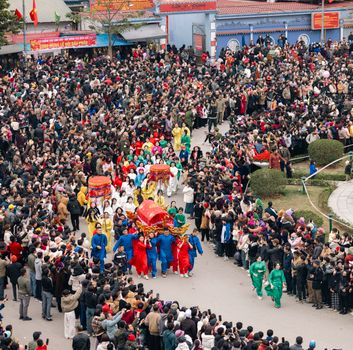
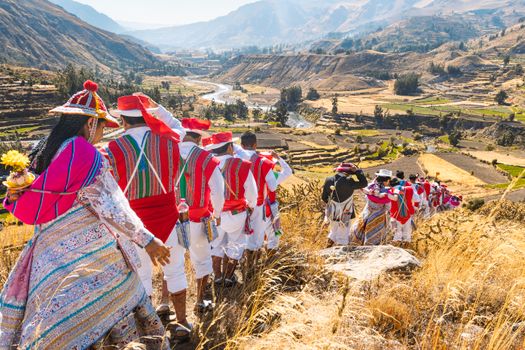
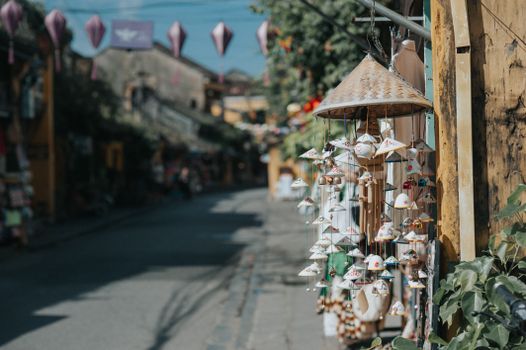
The scent of cherry blossoms in Kyoto. The tulip fields of the Netherlands. Mardi Gras in New Orleans. These are the spring spectacles that fill our Instagram feeds and travel brochures, drawing millions of eager visitors each year. And don't get me wrong, they're beautiful. They're iconic. But after years of chasing these postcard-perfect moments, I started feeling… a little hollow. I yearned for something more. Something raw, real, and truly rooted in local life.
My turning point came during a trip to Venice during Carnival. While the masks and canals were undeniably magical, I found myself jostling through shoulder-to-shoulder crowds, paying exorbitant prices for mediocre food, and feeling like an observer rather than a participant. It was then I realized: the most profound travel experiences often lie just beyond the well-trodden path, in the heart of communities celebrating traditions they hold dear, often oblivious – or perhaps, happily indifferent – to the international tourist gaze.
This realization ignited a new quest: to unearth spring festivals that haven't yet been commodified, where the spirit of celebration is pure, and the welcome is genuine. These are the kinds of events where you might be the only non-local in sight, where language barriers dissolve into shared smiles, and where you leave feeling like you’ve truly glimpsed the soul of a place.
After countless hours of research, whispered tips from local friends, and a few adventurous detours, I’ve compiled a list of five such spring festivals. These aren't just events; they're invitations to step into a different rhythm, to taste unfamiliar flavors, and to dance to a beat you never knew existed. So, pack your bags, keep an open mind, and get ready to experience spring like never before – before everyone else finds out.
---
Japan's Ancient Heartbeat: Takayama's Sanno Matsuri
Forget the throngs beneath the cherry blossoms in Tokyo. If you want a truly authentic Japanese spring experience, head to the mountainous Hida region for the Takayama Spring Festival, also known as Sanno Matsuri. This isn't just a festival; it's a living museum, a dazzling spectacle of craftsmanship and devotion that dates back to the 16th century.
I first heard about Takayama from a local I met on a train. When I asked where to experience real Japan in spring, her eyes lit up as she described the "moving art museums" of her hometown. Intrigued, I rearranged my itinerary.
Held annually in mid-April (usually April 14th and 15th), the festival celebrates the arrival of spring and prays for a bountiful harvest. The stars of the show are the yatai – enormous, intricately carved wooden floats, some three stories high, adorned with gilded phoenixes, dragons, and lacquered panels. Each float represents a different district of Takayama, and watching them being carefully pulled through the narrow, historic streets of the old town, guided by dozens of men in traditional kimonos, is like stepping back in time.
My favorite part was watching the Karakuri dolls perform on some of the floats. These mechanical puppets, operated by a complex system of strings and levers from inside the float, enacted ancient myths and legends with astonishing fluidity. I remember standing captivated, a hot cup of sake warming my hands, as a puppet samurai gracefully drew his sword to the cheers of the crowd. The atmosphere was palpable – a respectful reverence mixed with joyful celebration.
What makes Sanno Matsuri so special is its intimate scale compared to larger Japanese festivals. While Takayama is a popular destination, the festival primarily draws domestic tourists, making the experience feel incredibly authentic. The town itself, with its beautifully preserved Edo-period houses, sake breweries, and miso shops, becomes an extension of the festival, creating an immersive cultural bubble.
Practical Tips:
- When to Go: Annually on April 14th and 15th. Check specific dates as they can shift slightly.
- Getting There: Takayama is accessible by train (JR Hida Wide View Express) from Nagoya. The journey offers stunning mountain scenery.
- Where to Stay: Accommodation in Takayama is limited and books up months in advance for the festival. I recommend booking at least 6-9 months ahead. Traditional ryokans (Japanese inns) offer the most immersive experience.
- What to Eat: Don't leave without trying Hida beef, renowned for its marbling, usually served as sushi, skewers, or in hotpots. Also, sample local sake and miso.
- Cost: The festival itself is free to watch. Expect to pay for food, drink, and souvenirs. Hida beef dishes can range from ¥1,500-¥5,000 depending on the cut.
- Instagram Moment: Capture the towering yatai floats against the backdrop of the historic town or the dramatic Karakuri doll performances. #TakayamaMatsuri #HiddenJapan
---
Spain's Secret Garden: Girona's Temps de Flors
While most visitors flock to Seville for its April Fair or Barcelona for its Gaudí, the Catalan city of Girona transforms into a breathtaking floral wonderland each May for Temps de Flors (Time of Flowers). This festival is a feast for the senses, turning every corner, every stairwell, every hidden patio into a vibrant, fragrant art installation.
I stumbled upon Girona's Temps de Flors purely by chance. I was on a road trip through Catalonia, and a local acquaintance casually mentioned that "the city turns into a garden" next week. Intrigued, I decided to detour. What I found was beyond anything I could have imagined. For about a week in mid-May, the entire city – from its ancient Roman walls to its medieval Jewish Quarter, from its iconic bridges over the Onyar River to its grand cathedrals – explodes with flowers.
Artists, florists, and local residents collaborate to create intricate and imaginative floral displays. I remember walking through a narrow, cobbled alleyway where the walls were covered floor-to-ceiling in cascading petunias, leading to a courtyard filled with swirling floral sculptures. The air was thick with the scent of roses, lilies, and jasmine. What truly impressed me was how the festival encouraged exploration. Many private patios and gardens, normally hidden from public view, open their gates, inviting visitors to discover secret oases of beauty.
One afternoon, I found myself in a quiet courtyard, sipping a glass of local wine, surrounded by a riot of color and the gentle buzz of bees. A local woman, noticing my awe, explained that the festival is a way for the community to share the beauty of their city and their creativity. It felt deeply personal and communal, a far cry from the commercialized flower festivals I'd seen elsewhere.
Practical Tips:
- When to Go: Annually for about a week in mid-May. Check the official Girona Tourism website for exact dates.
- Getting There: Girona is easily accessible by high-speed train (AVE) from Barcelona (about 40 minutes) or by regional train.
- Where to Stay: Book accommodation in Girona well in advance, as the city gets busy. Many charming boutique hotels are available in the Old Town.
- What to Eat: Explore the local restaurants (Girona is a culinary hotspot, home to El Celler de Can Roca!). Try traditional Catalan dishes like pa amb tomàquet (bread with tomato) and local cured meats.
- Cost: The festival itself is free to enjoy.
- Instagram Moment: Every corner is a photo op! Focus on the intricate floral details, the vibrant colors against ancient stone, or the stunning displays at the Girona Cathedral steps. #GironaTempsDeFlors #CatalanSpring
---
A Taste of True Italy: Ladispoli's Artichoke Festival
When you think of spring in Italy, images of Roman ruins, Tuscan vineyards, or Venetian gondolas likely come to mind. But just a short train ride from Rome, the coastal town of Ladispoli celebrates spring with a passion for a very specific vegetable: the Romanesco artichoke. The Sagra del Carciofo Romanesco is an ode to this unique, tender, and delicious globe artichoke, and it's as authentic an Italian food festival as you can get.
My Italian friend, a true Roman foodie, insisted I join her for this "sagra" (festival). "No tourists, just real food," she promised, her eyes sparkling. And she was right. Held annually in mid-April, this festival is a celebration by locals, for locals, though they graciously welcome anyone who appreciates good food.
Ladispoli is the heartland of the Romanesco artichoke, and during the festival, the entire town square transforms into a bustling marketplace and open-air kitchen. Stalls overflow with fresh artichokes, and the air is thick with the tantalizing aroma of artichokes being prepared in every conceivable way: carciofi alla romana (braised with herbs), carciofi alla giudia (deep-fried until crispy), artichoke pasta, artichoke pizza, even artichoke ice cream (which, surprisingly, was delicious!).
I remember spending an entire afternoon just wandering from stall to stall, trying different preparations. My hands were greasy, my stomach full, and my heart happy. I struck up conversations with vendors, learning about their family recipes and the pride they take in their produce. One elderly woman, seeing my delight over her carciofi fritti, offered me a second serving with a warm smile and a "Mangia, mangia!" It was a moment of pure, unadulterated Italian hospitality and culinary joy, far removed from the tourist traps of central Rome.
Practical Tips:
- When to Go: Annually in mid-April, usually the second or third weekend. Check the Ladispoli municipality website for exact dates.
- Getting There: Take a regional train from Rome's Termini or Ostiense station to Ladispoli-Cerveteri. The journey is about 40-50 minutes. The festival is a short walk from the station.
- Where to Stay: You can stay in Ladispoli for a quieter coastal experience, or easily visit as a day trip from Rome.
- What to Eat: Everything artichoke! Don't be afraid to try all the variations. Pair it with local white wine.
- Cost: Entry to the festival is free. Food prices are very reasonable, typically €5-€10 per dish.
- Instagram Moment: A close-up of perfectly fried carciofi alla giudia, a bustling market scene, or the sheer abundance of fresh artichokes. #SagraDelCarciofo #AuthenticItaly
---
India's Unsung Spring: The Vibrant Rongali Bihu of Assam
When most people think of Indian festivals, Holi's explosion of color or Diwali's shimmering lights come to mind. But for a truly unique and deeply cultural spring celebration, venture to the northeastern state of Assam for Rongali Bihu (also known as Bohag Bihu). This harvest festival marks the Assamese New Year and the onset of spring, and it's a vibrant, joyous explosion of music, dance, and community spirit.
My journey to Assam was driven by a desire to see a different side of India, away from the Golden Triangle. A local contact in Guwahati told me that Rongali Bihu was "the soul of Assam," and I knew I had to experience it. Held over several days in mid-April (usually around April 14th-16th), it's a time for feasting, traditional games, and, most importantly, the iconic Bihu dance.
The first day, known as Goru Bihu, is dedicated to cattle, who are washed and worshipped. I watched, fascinated, as farmers led their decorated cows to rivers for a ritual bath, singing traditional songs. The following days are dedicated to people, with families gathering, exchanging gifts, and preparing traditional Assamese delicacies like pitha (rice cakes) and larus (coconut ladoos).
But the highlight for me was witnessing the Bihu dance. Performed by young men and women in colorful traditional attire (the women in beautiful mekhela chador), the dance is characterized by energetic, rhythmic movements, hand gestures, and a distinctive shoulder sway. It’s accompanied by traditional instruments like the dhol (drum), pepa (buffalo hornpipe), and gogona (jaw harp). I found myself drawn into the infectious energy, tapping my feet, and even attempting a few steps when invited by a group of smiling locals. It felt less like a performance and more like a collective expression of joy and gratitude.
Assam is a less-visited region of India, which is precisely why Rongali Bihu feels so wonderfully unspoiled. It's a chance to connect with the warm and hospitable Assamese people, to understand their customs, and to experience a side of India that remains largely off the international tourist radar.
Practical Tips:
- When to Go: Annually in mid-April (typically April 14th-16th). Dates are based on the Assamese calendar.
- Getting There: Fly to Guwahati (GAU), Assam's largest city. From there, you can explore various towns and villages where Bihu is celebrated. Consider local buses or hiring a car with a driver.
- Where to Stay: Guwahati offers a range of hotels. For a more immersive experience, look for homestays in smaller towns or villages outside the city.
- What to Eat: Indulge in traditional Assamese cuisine, which is distinct from other Indian regional foods. Try aloo pitika (mashed potato dish), fish tenga (sour fish curry), and the various pithas.
- Cost: The festival is celebrated freely across the state.
- Instagram Moment: The vibrant colors of the Bihu dancers' attire, the rhythmic energy of the dance, or a close-up of traditional Assamese instruments. #RongaliBihu #AssamTravel
---
Echoes of Spring: Vilnius' Historic Kaziukas Fair
Our final stop takes us to the charming capital of Lithuania, Vilnius, for the Kaziukas Fair (Kaziuko Mugė). This isn't just a market; it's a centuries-old tradition, an enormous open-air folk art and crafts fair that heralds the arrival of spring and celebrates St. Casimir, Lithuania's patron saint.
I visited Vilnius one chilly March, bracing myself for a quiet city break. But as I stepped into the Old Town, a UNESCO World Heritage site, I was met with an explosion of sound, color, and delicious aromas. The Kaziukas Fair, held on the first weekend of March, transforms the entire city center into a bustling carnival of artisans, musicians, and food vendors.
Dating back to the 17th century, Kaziukas is a deeply rooted tradition. I wandered through stall after stall, marveling at the sheer variety of traditional Lithuanian crafts: intricately carved wooden spoons, hand-knitted woolen goods, amber jewelry, pottery, and the iconic "Verbos" – colorful, dried flower and herb bouquets that are a traditional symbol of Palm Sunday in Lithuania. Each Verba is a unique work of art, and I spent a good hour trying to pick the perfect one.
The fair is also a feast for the senses. The air was filled with the scent of freshly baked bread, smoked meats, and the sweet aroma of šakotis (tree cake), a traditional Lithuanian spit cake. I tried kvas, a fermented bread drink, and warmed myself with gira, a traditional beer. Street performers, folk dancers, and musicians added to the festive atmosphere, making it impossible not to smile.
What makes Kaziukas Fair so special is its authentic, unpretentious nature. While tourists are welcome, it's very much a local event, a cherished annual gathering for Lithuanians to celebrate their heritage, stock up on traditional goods, and welcome the changing seasons. It’s a beautiful glimpse into the enduring spirit of this Baltic nation.
Practical Tips:
- When to Go: Annually on the first weekend of March. Dates can vary slightly, so check the official Vilnius tourism website.
- Getting There: Fly into Vilnius International Airport (VNO). The city center is easily walkable, and public transport is efficient.
- Where to Stay: Vilnius offers a range of accommodations, from budget hostels to boutique hotels, many in the beautiful Old Town.
- What to Eat: Try šakotis, kvas, gira, and traditional Lithuanian dishes like cepelinai (potato dumplings).
- Cost: Entry to the fair is free. Prices for crafts and food are generally very reasonable.
- Instagram Moment: A colorful display of Verbos, artisans at work, or a close-up of a delicious šakotis. #KaziukasFair #VilniusSecrets
---
General Tips for Embracing the "Local Secret" Festival Vibe:
- Do Your Homework (But Not Too Much): Research dates, locations, and basic customs, but leave room for spontaneity. The best discoveries often happen when you least expect them.
- Learn a Few Phrases: "Hello," "thank you," "please," and "delicious" in the local language go a long way in breaking down barriers.
- Book Ahead (Especially Accommodation): While these festivals aren't mainstream tourist magnets, local interest can still mean accommodation fills up quickly in smaller towns.
- Go with an Open Mind: Embrace cultural differences, unexpected turns, and the occasional communication challenge. That's where the real magic happens.
- Support Local Artisans & Vendors: These festivals are often crucial for local economies. Buy souvenirs directly from the creators and enjoy local food.
- Dress Respectfully & Comfortably: Check local customs regarding attire. You'll likely be doing a lot of walking, so comfortable shoes are a must.
- Ask Before Photographing People: Always be respectful. A simple gesture or a "Can I?" goes a long way.
- Be Patient & Flexible: Things might not run on a strict schedule. That's part of the charm!
---
My journey to discover these hidden spring festivals has been one of the most rewarding chapters in my travel story. It's taught me that the most unforgettable experiences aren't found on the covers of glossy magazines, but in the quiet corners of the world, where communities celebrate their heritage with joy, passion, and an open heart.
These festivals are more than just events; they are windows into the soul of a culture, offering connections and memories that linger long after the last petal falls or the last drumbeat fades. They remind us that true travel isn't about ticking off famous landmarks, but about immersing ourselves in the vibrant tapestry of human experience.
So, this spring, are you ready to ditch the crowds and uncover a secret? Which of these hidden gems are you adding to your spring travel list? Share your thoughts in the comments below! Don't forget to tag #TripsoraHiddenSpring when you share your own authentic festival finds – let's inspire each other to explore beyond the obvious!