The Hook: A Sensory Awakening in the Spice Forests
I stepped off the rusted wooden longboat into the damp, clay-rich soil of the Zanzibar archipelago, and the air hit me like a physical blow. It wasn't the salty breeze of the Indian Ocean; it was a warm, humid weight thick with the medicinal sting of raw cloves, the sweet decay of bruised nutmeg, and the sharp, citrusy crackle of freshly snapped lemongrass.
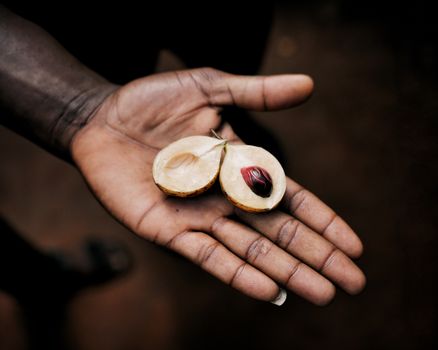
My guide, a third-generation grower named Juma, didn't lead me to a manicured visitor center. Instead, we hacked through broad-leafed banana palms to a gnarled, unassuming tree. He sliced open a yellow, peach-like fruit, revealing a seed wrapped in a brilliant, blood-red lattice.
"This is fresh mace," Juma whispered, peeling off the waxy web. "You have only eaten the dried, brown powder. You know nothing of its real power." He handed it to me. I bit into it. My tongue tingled with a bright, pine-like heat and a shocking, mandarin-orange sweetness.
Right now, a handful of pioneering spice plantations across the globe are opening their gates to travelers, revealing these hidden, highly volatile botanicals that never make it to export cargo ships. If you want to understand flavor, you have to go to the source. Here is where the secrets are being revealed.
---
1. The Peppery Underbelly of Kampot, Cambodia
The Terroir of the Cardamom Mountains
In southern Cambodia, where the heavy mist of the Gulf of Thailand collides with the quartz-rich soil of the Dâmrei Mountains, grows the undisputed king of pepper. Kampot pepper isn't just a seasoning; it is a registered Geographical Indication (GI) product protected with the same ferocity as Champagne.
```
[Kampot Pepper Ripening Stages]
Green (Young/Tart) -> Black (Sun-Dried/Bold) -> Red (Ripe/Sweet)
```
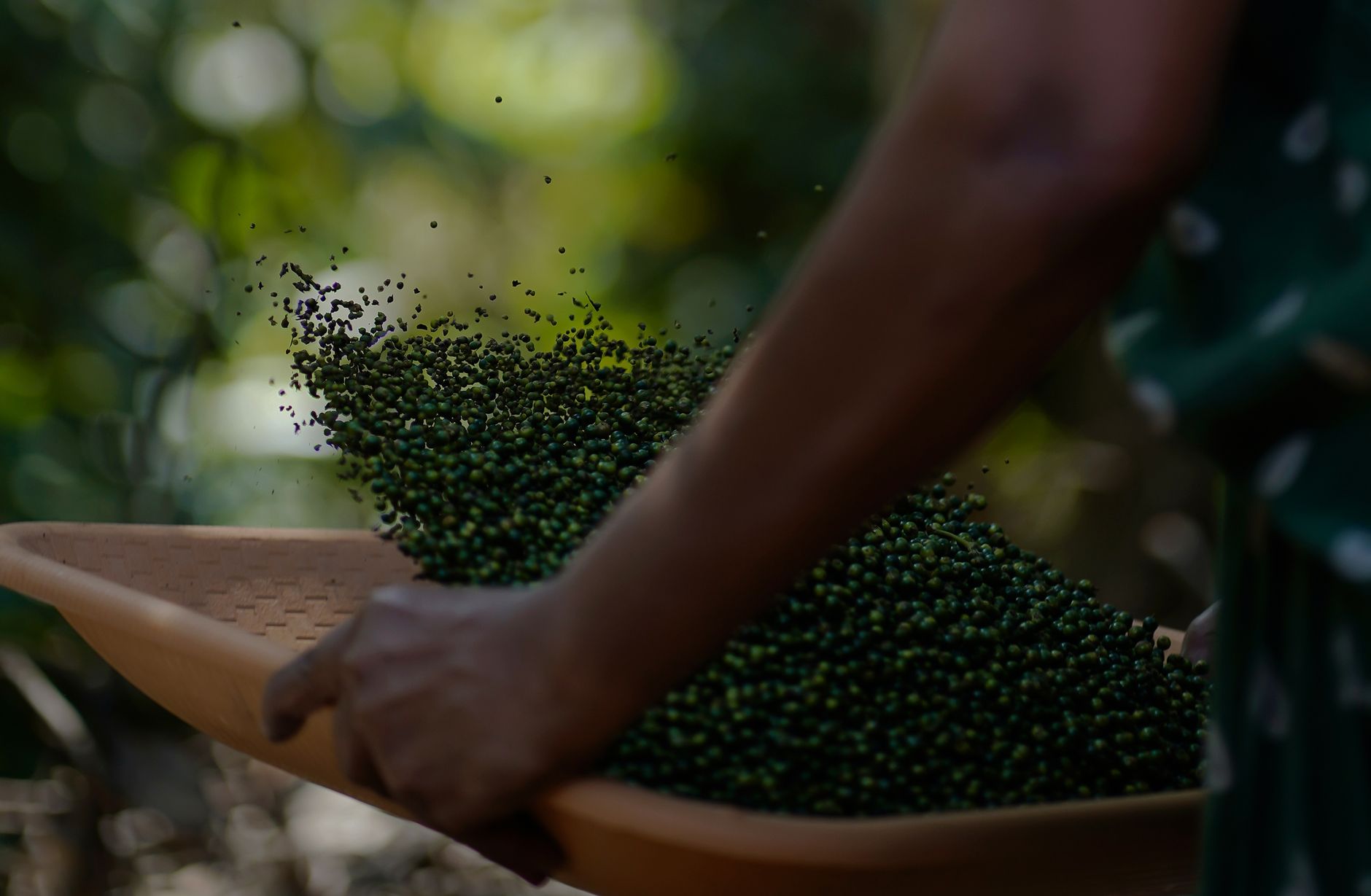
At La Plantation, local farmers are revealing the secret of Late-Harvest Red Pepper. While commercial black pepper is harvested green and dried until it shrivels and darkens, Kampot’s red pepper is left on the vine until it turns a deep crimson.
The Secret Ingredient: The Peach-Like Phenols
The secret lies in the hand-sorting process. Workers use tweezers to separate the individual red drupes. When tasted fresh, this red pepper yields an intense sweetness reminiscent of dried peaches, tobacco, and wild thyme, backed by a slow, sophisticated burn that lingers at the back of the palate rather than stinging the tongue.
- Pro-Tip: Skip the main showroom. Walk past the brick drying tables toward the traditional wooden stilt house at the back. Ask the sorting team if you can taste the unrefined, brine-pickled green peppercorns—they are kept in small earthenware jars for the staff's personal lunches and are incredibly floral.
---
2. Kerala’s Cardamom Hills, India
The High-Altitude Sholas of Munnar
Clinging to the sheer, mist-shrouded slopes of the Western Ghats in Kerala, the air smells of wet earth and resinous eucalyptus. This is the birthplace of green cardamom (Elettaria cardamomum).
At the Windermere Estate, cardamom grows not in open fields, but under the dense canopy of native shola forest trees. The spice is shade-loving, requiring a microclimate of constant humidity and filtered sunlight.
```
[Cardamom Curing Process]
Hand-Plucked Pods -> 24-Hour Smokehouse Drying -> Green Color Retention
```
The Secret Ingredient: The Smokehouse Green Pod
The secret revealed here is the traditional curing process. Most commercial cardamom is artificially dyed green. At Windermere, they still use the old bhatti—a wood-fired curing house.
The pods are dried over burning firewood from specific local trees, which infuses the sweet, camphoraceous spice with a subtle, woody smoke undertone that elevates any curry or tea.
- Pro-Tip: The best time to visit is at 6:30 AM. Follow the small dirt path behind the estate's tea room down to the curing shed. You can watch the workers stoke the fires and catch the first, incredibly potent steam release from the drying racks.
---
3. The Cinnamon Peeling Masters of Galle, Sri Lanka
The True Cinnamon (Cinnamomum verum)
Forget the thick, woody cassia bark sold in Western supermarkets. True cinnamon is delicate, paper-thin, and hand-rolled like a fine Cuban cigar.
At the Villa Mayurana estate, located on the low-lying hills overlooking the southern coast of Sri Lanka, the art of cinnamon peeling is treated as a sacred trade passed down through generations.
```
[Anatomy of a Cinnamon Quill]
Outer Rough Bark (Discarded) -> Inner Golden Cambium (Scraped & Rolled)
```
The Secret Ingredient: The Alba Quill
The master peelers use a specialized brass rod called a kokotta to rub the bark, loosening it from the wood before making precise longitudinal incisions. They extract the Alba grade—the thinnest, most expensive cut of cinnamon bark.
The secret revealed to visitors is the use of cinnamon leaf oil and the raw, uncurled inner bark shavings (chips), which possess a sweet, non-toxic flavor profile with zero coumarin (the liver-damaging compound found in cheap cassia).
- Pro-Tip: Do not buy the pre-packaged quills in the gift shop. Walk down to the peeling shed and ask the master peeler for a bag of "scrapings" (Cinnamon Featherings). They cost a fraction of the price but contain the highest concentration of essential oils, perfect for infusing morning coffee.
---
4. Zanzibar’s Shamba Secrets, Tanzania
The Spice Island’s Hidden Forest
Zanzibar’s history is written in cloves. At the community-run Kidichi Spice Cooperative, the agricultural landscape is wild, chaotic, and utterly intoxicating. Here, vanilla vines wrap around coconut palms, and ginger roots fight for space with wild turmeric.
```
[Zanzibar's Double-Yield Crop]
Nutmeg Fruit (Yellow Husk)
|
+--------------+--------------+
| |
Red Mace (Outer Lace) Nutmeg Seed (Inner Kernel)
```
The Secret Ingredient: Fresh Red Mace
The secret ingredient here is the fresh, raw mace. While dried mace is common, the fresh aril (the fleshy red cover of the nutmeg) is a revelation.
The local guides will show you how to blend this fresh mace with local lime juice and sea salt to create a pungent, electric rub used for freshly caught octopus.
- Pro-Tip: Look for the "Lipstick Tree" (Achiote). Squeeze the spiked seed pods directly onto your fingers to extract the bright red, earthy-tasting paste. The locals use it as sun protection and a flavor enhancer for cassava stews.
---
5. Grenada’s Volcanic Nutmeg Estates
The Spice Isle of the Caribbean
Grenada’s nutrient-dense, volcanic soil and dramatic topography make it the perfect incubator for Myristica fragrans (nutmeg). The island produces nearly a third of the world's supply.
At the historic Belmont Estate, a 17th-century plantation, the air is thick with the scent of fermenting cocoa and drying nutmeg.
```
[Belmont Estate Nutmeg Waste Use]
Nutmeg Harvest -> Shelling -> Pericarp (Outer Husk) -> Nutmeg Jelly
```
The Secret Ingredient: Nutmeg Pericarp Jam
For centuries, the outer fleshy husk of the nutmeg fruit (the pericarp) was thrown away as waste.
Belmont Estate has revealed the secret culinary value of this byproduct. They boil the pale yellow husks with sugar and local wild ginger to create Nutmeg Pericarp Jelly. It is tart, highly aromatic, and tastes like a cross between quince, pear, and clove.
- Pro-Tip: The estate's hidden gem is the old mahogany drying drawers. Ask the guide to show you the "sole drawer" where nutmegs are dried on old wooden tracks that date back to the 1800s. The wood has absorbed two centuries of nutmeg oil, creating an incredible, sweet-scented micro-environment.
---
6. Oaxaca’s Hidden Vanilla Canyons, Mexico
The Birthplace of the Orchid Spice
While Madagascar dominates the global vanilla market, the Vanilla planifolia orchid is native to the tropical forests of Mexico. In the Mazateca hills of Oaxaca, small indigenous cooperatives are reclaiming their ancestral crop.
At the Rancho Todo Santos, vanilla is grown using the acahual system—cultivated within the natural forest ecosystem rather than on intensive, cleared plantations.
```
[The 24-Hour Vanilla Window]
Morning Bloom -> Hand-Pollination (Toothpick) -> 9-Month Pod Development
```
The Secret Ingredient: Green Vanilla Extract
The secret revealed here is the use of Green Vanilla. Instead of curing the pods for months until they turn black and wrinkled, some local cooks take the mature green pods, blanch them quickly, and extract a bright, grassy, almost herbal vanilla liquid that pairs beautifully with mezcal and raw seafood.
- Pro-Tip: If you visit between April and May, you can witness the hand-pollination. The vanilla orchid blooms for only a few hours in the morning. Ask for a bamboo splinter (astilla) and the guides will let you try your hand at pollinating a single blossom—a task requiring the dexterity of a surgeon.
---
The Budget & Logistics
Planning a spice-hunting expedition requires careful timing. Harvesting is highly seasonal, and visiting during the off-season means missing the processing secrets.
| Destination | Best Time to Visit | Estimated Cost ($ USD) | How to Get There | Insider Secret |
| :--- | :--- | :--- | :--- | :--- |
| Kampot, Cambodia | Jan – April (Harvest Peak) | $15 - $30 (Tour + Tasting) | Taxi from Phnom Penh (3 hours) | Ask for "Salt Pearls" (Fleur de Sel) harvested nearby. |
| Munnar, India | Sept – Jan (Post-Monsoon) | $20 - $50 (Private Guide) | Fly to Cochin, then 4-hour mountain drive | Buy the unrefined cardamom oil from the estate lab. |
| Galle, Sri Lanka | May – Sept (Peeling Season) | $30 - $60 (Full Experience) | Train from Colombo to Galle, then Tuk-Tuk | Ask for the "Cinnamon Root Oil"—it smells like camphor. |
| Zanzibar, Tanzania | Oct – Dec (Clove Harvest) | $10 - $25 (Co-op Tour) | Ferry from Dar es Salaam, taxi to Kidichi | Buy the raw, unprocessed vanilla beans kept in wax paper. |
| Belmont, Grenada | Year-Round (Peak: Mar-May) | $20 - $40 (Includes Lunch) | 1-hour drive north from St. George’s | Taste the nutmeg-infused dark chocolate made on-site. |
| Oaxaca, Mexico | Nov – Feb (Curing Season) | $40 - $80 (Eco-Tour) | Collectivo from Oaxaca City to Valle Nacional | Buy the "Vanilla Caviar"—the scraped seeds kept in alcohol. |
---
The Masterpiece Conclusion
The world of spices is not found in a dusty jar on a supermarket shelf. It is a living, breathing, highly volatile ecosystem of flavor.
By visiting these pioneering plantations, you are not just buying a souvenir; you are participating in the preservation of ancient agricultural arts. You are tasting the volcanic soils, the monsoon rains, and the generational knowledge of masters who are finally sharing their secrets with the world.
Next time you plan a journey, skip the standard tourist trail. Follow the scent of crushed cardamom, fresh mace, and hand-peeled cinnamon. Your kitchen—and your palate—will never be the same again.
---